
Bank fraud paid for gold bullion, an expensive guitar and lots of cash
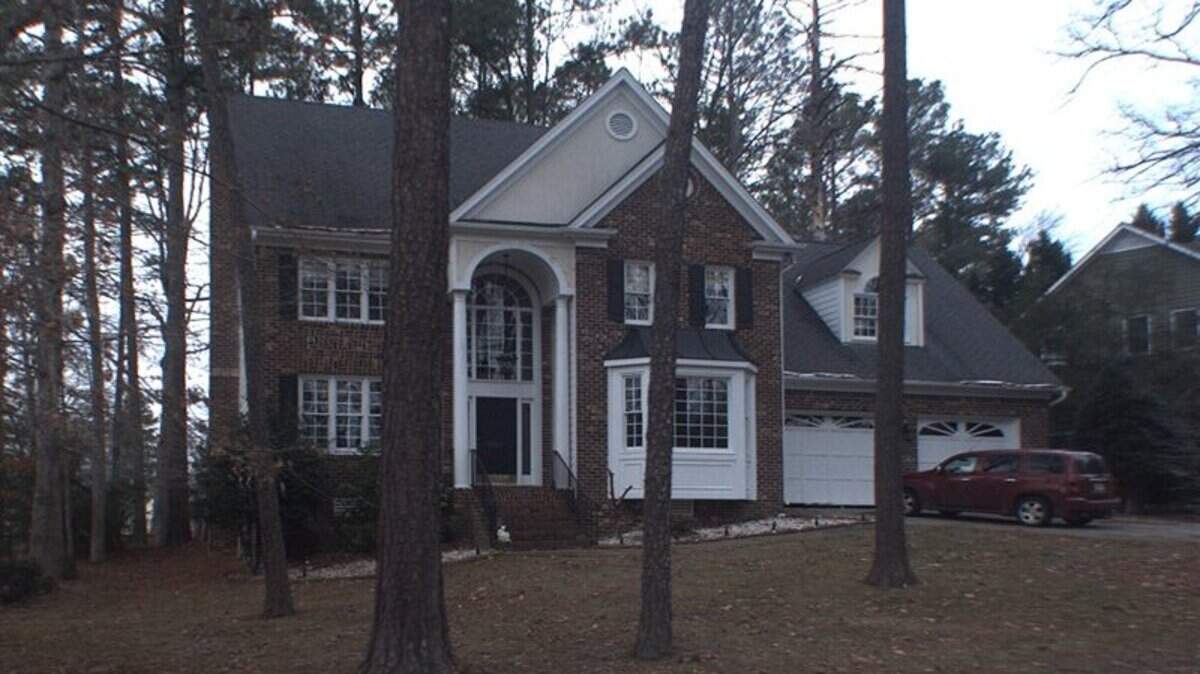
A Greensboro man convicted of pocketing $1.6 million in an elaborate bank fraud scheme in the Triangle and Charlotte — spending some of it on gold bullion and recording studio equipment — is on his way to federal prison.
Xavier Milton Earquhart, 31, was sentenced Monday by U.S. District Judge W. Earl Britt to 32 years in prison followed by five years of supervised released. A jury convicted him in March on multiple counts of bank fraud, money laundering, identity theft and aiding and abetting. Britt ordered Earquhart to pay the full amount in restitution.
U.S. Attorney Robert Higdon credited Internal Revenue Service criminal investigators with unraveling a complex trail to find Earquhart's "treasure chest" of hundreds of thousands of dollars. The vast majority of the illegal proceeds have not been found, according to a declaration filed by an IRS agent in October.
Investigators tracked Earquhart's scheme back to 2013, along the way finding more than $85,000 worth musical recording equipment, including a $2,000 Fender Stratocaster guitar, mixing board and synthesizer. A key found in Earquhart's Prius led agents to a storage unit in Texas where they found more than $300,000 worth of gold bars and coins and a Sig Sauer .45 pistol.
As a convicted felon — with previous charges of breaking and entering, larceny, possession of stolen goods and possession of cocaine for sales — it was illegal for him to have a gun.
Those belongings along with computers, a 2016 Toyota Highlander and cell phones were seized, as the IRS said Earquhart had no known legitimate source of income.
IRS agents determined that Earquhart profited from several variations on a scheme. Generally, he would search online for notices of foreclosures, and take title using holding companies formed in Delaware and an alias to successfully bid for those houses. In six cases he tried to obtain home equity loans worth $500,000. He was successful in three cases, receiving close to $200,000 in loans.
In another tactic, he forged bank lien releases on eight properties, using bank employees' identities or using fake notaries, according to prosecutors. Then he sold the homes to unsuspecting buyers. Those homes were in Wake Forest, Cary, Holly Springs, Durham and Charlotte.
Higdon said banks weren't the only victims in the case. Some homeowners lost money they had invested in their houses. Others were subjected to the uncertainty of having a title clouded by the scam, he said.
"Earquhart's scheme was driven by insatiable greed and a blatant disregard for the tremendous damage inflicted on innocent victims," IRS supervising agent Matthew Line said in a statement.
Earquhart was taken into custody after the sentencing and sent to prison. He told the judge that he would appeal the conviction.
This story was originally published July 10, 2018 at 6:18 PM.