
How to fix a jellyfish sting. Hint: Ignore that advice about an unsavory solution.
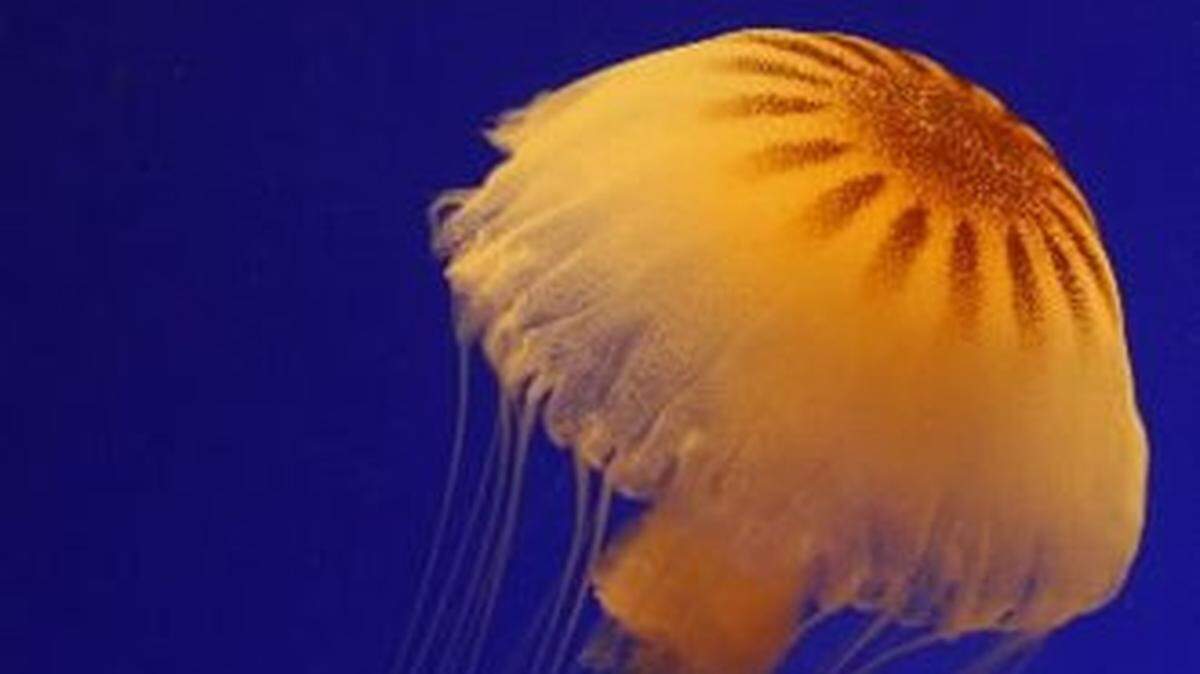
On the surface, jellyfish lack all the equipment for being a hazardous animal: no teeth, no claws, not even a backbone.
Little more than pulsating blobs, they attack what creatures are unfortunate enough to bump into them — drifting brainlessly.
But these gelatinous pests can deliver a serious sting, leaving a painful welt at best, and worse yet causing a hospital visit. In rare cases, particularly around Australia and the Philippines, a jellyfish sting can kill.
North Carolina Sea Grant has reported its population rising in coastal waters, likely helped along by warming ocean waters and increasing development that creates piers and docks for jellyfish polyps to attach.
As the state flocks to beaches from the Outer Banks to Fort Fisher, here’s a guide to all things jellyfish.
A word of warning. When it comes to treatment, almost everything — especially urine — is a myth.
What kind of jellyfish are in North Carolina?
The majority of jellyfish found in NC waters deliver only a mildly painful sting. The moon jellyfish, with its see-through orb shape and tentacles, is a common nuisance, as is the tentacle-free mushroom jellyfish, named for its resemblance to the fungus.
Neither packs much of a punch, according to the Jelly Stalkers website maintained by Appalachian State University.
The most dangerous species is chiropsalmus quadrumanus, better known as the sea wasp or box jellyfish due to its flat-top shape. Considered the most venomous, its sting can be intensely painful and occasionally fatal. In July, a Wrightsville Beach surfer told TV station WWAY he “couldn’t breathe” after such a creature wrapped itself around his chest.
In July, beachgoers reported itching rashes caused by sea lice, the larvae of miniature jellyfish — more common in warmer Florida waters.
And in February, coastal residents reported Portuguese man-of-wars washing up on shore. Though they’re technically not jellyfish — they float rather than swim — the man-of-war can sting weeks after being beached.
How do you fix a jellyfish sting?
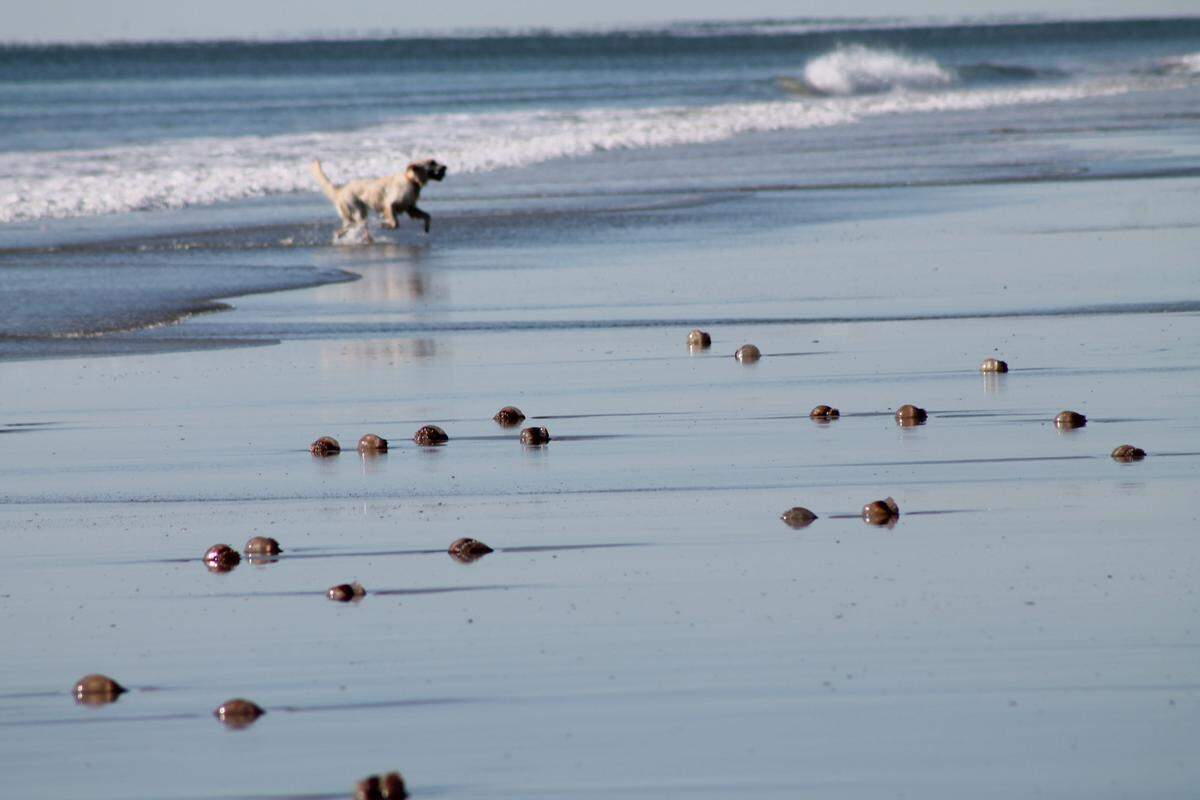
Dead jellyfish still mean danger, scientists warn. The sting of a deceased animal remains potent. Large groups of jellyfish, known as blooms, have been known to wash ashore at once.
But while jellyfish stings have dogged beachcombers since the invention of the sand castle, treatment remedies are rife with old-wives’ tales.
These steps work best, according to the Mayo Clinic:
Do
▪ Rinse the sting with vinegar.
▪ Pluck out tentacles with a tweezer.
▪ Keep hot bath or shower water on the sting for 20 to 45 minutes.
Do not
All the “don’ts” here are either unproven or ineffective, the clinic reports.
▪ Rinse with sea water.
▪ Rinse with urine.
▪ Rinse with alcohol.
▪ Apply meat tenderizer.
▪ Use pressure bandages.
But treatment varies depending on the type of jellyfish and the severity of the sting, and serious wounds — say, from a box jellyfish — may require antivenin or CPR.
Take comfort that out of thousands of species of jellyfish, only a handful pose any real threat.
Keep an eye out, swim with a lifeguard, wear jellyfish repellant and let the beasts float on by.
More on the jellyfish
This story was originally published August 7, 2018 at 4:17 PM.