
Raleigh is growing around Wake County’s oldest grave. Leave it alone, descendants say.
N.C. State University published plans last week to dig up and relocate the oldest grave in Wake County — the resting place of a colonial planter and leader in the American Revolution.
After descendants saw the legal advertisement in the newspaper and objected, an attorney for N.C. State told The News & Observer the university had no plan to disturb the tomb of Theophilus Hunter and 17 more unmarked graves nearby.
Instead, said Jeff Bandini, vice chancellor for N.C. State’s real estate and development, it only wanted to learn more about the 18th-century graves on its Spring Hill property at the edge of Centennial Campus.
N.C. State placed the advertisement in The N&O, labeled “Notice of Intention to Relocate Cemetery,” to contact the soldier’s descendants and learn their wishes, Bandini said.
But whatever its intentions, the university stirred up relatives of the long-departed Hunter, a well-known figure in early Raleigh and kin to Isaac Hunter, namesake of the city’s historic tavern.
Hunter family members said they consider their ancestor’s remains to be threatened, especially because the area is growing fast. A Catholic cathedral now sits nearby, and Raleigh has plans to redo Dix Park, which is adjacent to Centennial Campus.
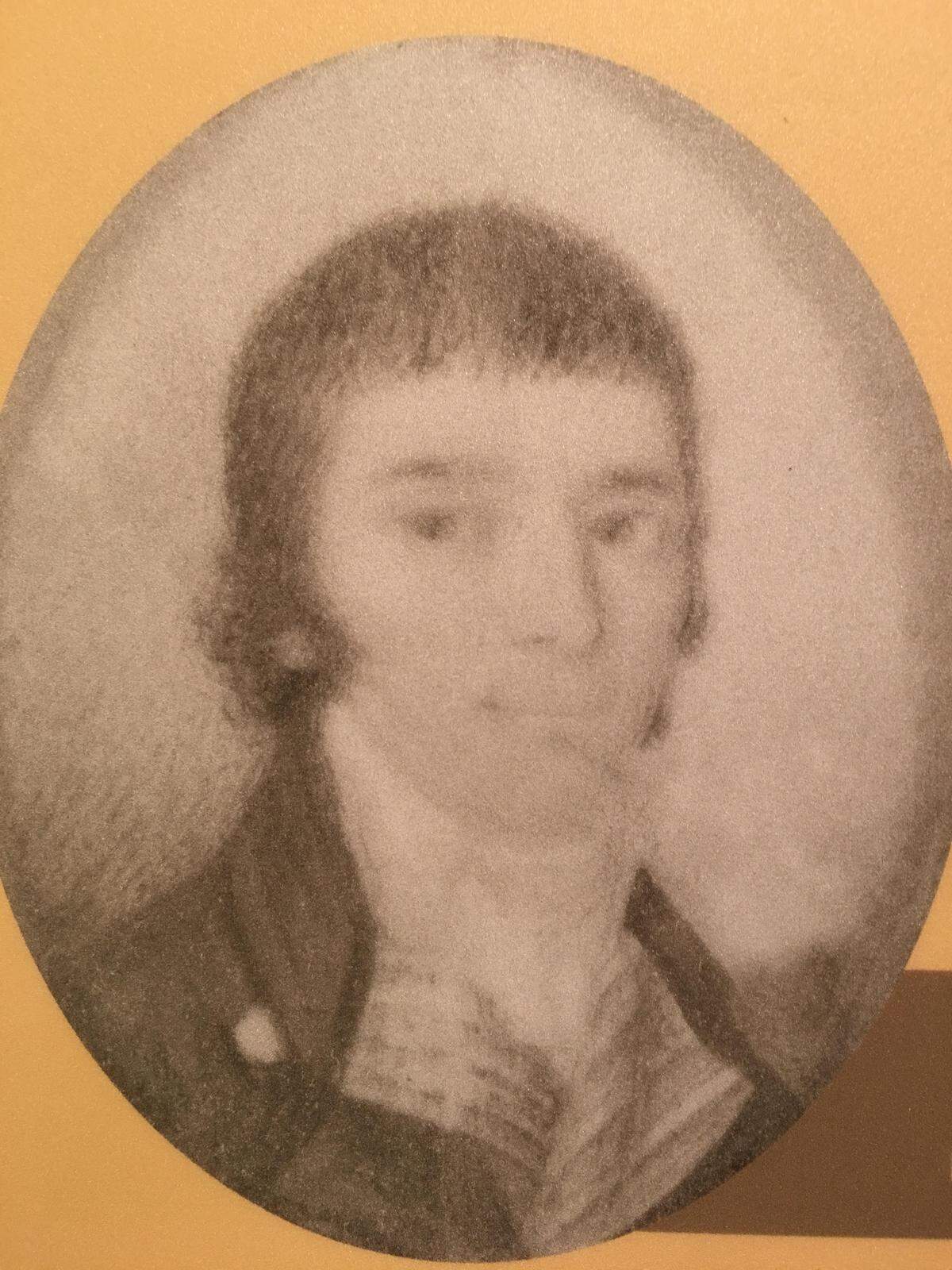
The university has no current plans to develop the Spring Hill property, Bandini said. But university leaders have faced pressure for intense development at the site where Hunter is buried, according to an April N&O editorial.
“Raleigh has lost so much history,” said Belle Long, who described Hunter as her five times great-grandfather. “Do we have to lose more?”
Born in 1727, Hunter served in the colonial militia and held a variety of posts in Raleigh and Wake County when they were first founded. He operated a popular lodge on the road from colonial New Bern to Hillsborough and later built a plantation house on the edge of what is now Dix Park. A later residence on that plantation, known as Spring Hill House, now houses N.C. State’s Japan Center.
Hunter, who died in 1798, lies buried a few hundred yards behind the Japan Center. His gravestone was placed in 1940 during a ceremony held by the Daughters of the American Revolution.
Isaac Hunter, most likely Theophilus’ son, operated the popular tavern that inspired a modern watering hole on Fayetteville Street downtown. In 1788, the state’s constitutional convention decreed the state capital must stand within 10 miles of Hunter’s bar.
“The Hunters are just woven into the DNA of Raleigh,” said Ernest Dollar, director of the city museum.
N.C. State placed the advertisement through the Georgia-based consultant New South Associates, which identifies, restores and relocates cemeteries and has conducted a radar study at Spring Hill. In its ad, New South sought comments from relatives or friends of anyone interred in the cemetery, which includes up to 17 unmarked graves ancestors believe may hold the remains of slaves.
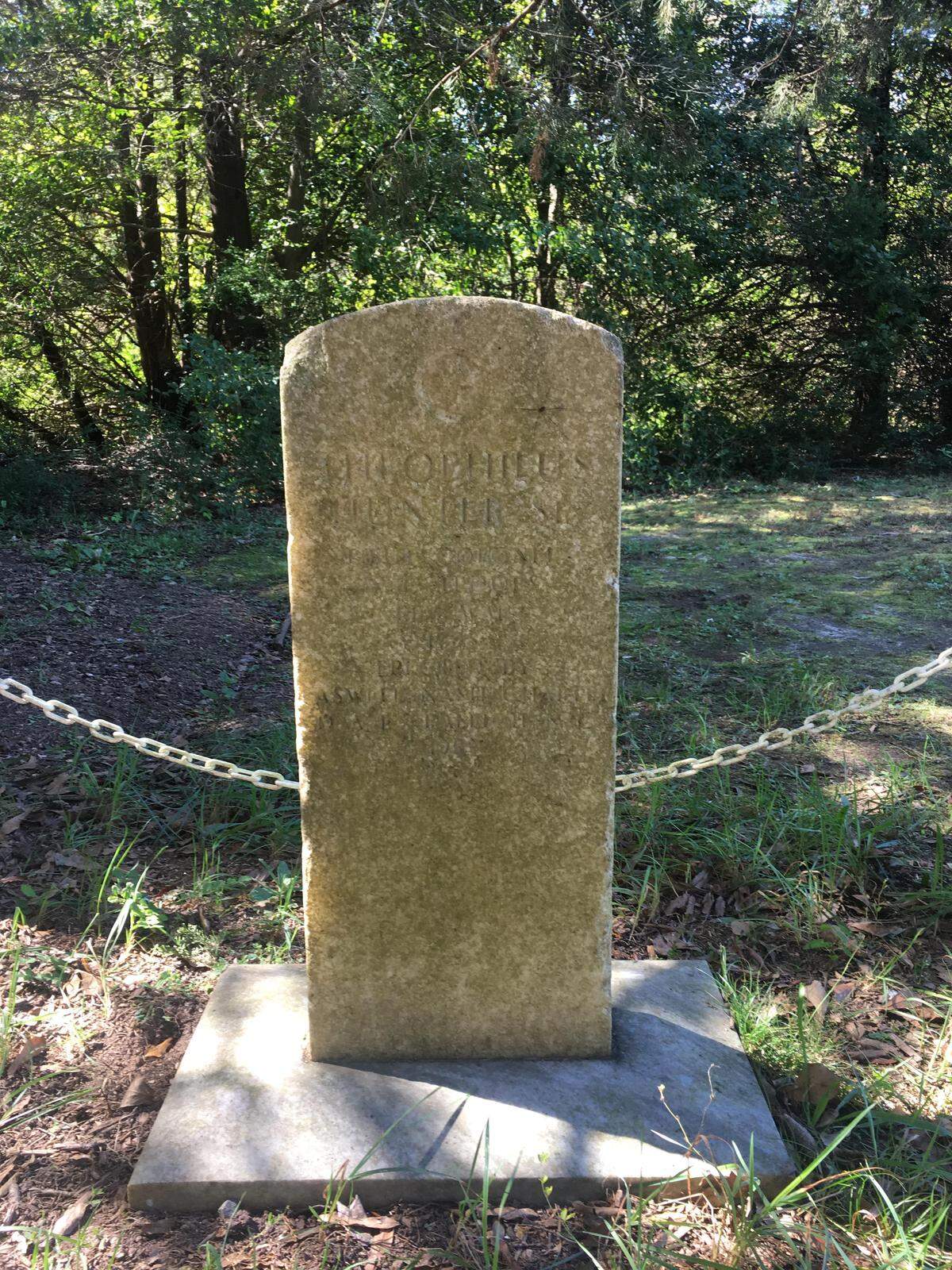
“A number of descendants have already come forward, and we plan to meet with them to understand their wishes,” Bandini said. “N.C. State currently has no plans to move any grave site near the Spring Hill House or to develop the area around the Spring Hill House.”
Family and friends, though, doubt the graves are safe. A retired state employee and N.C. State Alumni Association member pleaded for Spring Hill’s preservation in The N&O.
“Few universities find a park as large and prominent nor have a campus so ready-made and suitable to encompass it,” wrote Douglas Johnston. “Unfortunately, this opportunity is at risk. Anticipated construction on Spring Hill threatens the park’s natural integrity.”
This story was originally published October 23, 2018 at 10:06 AM.