
Boil-water advisory lifted for Chapel Hill, Carrboro after water main break
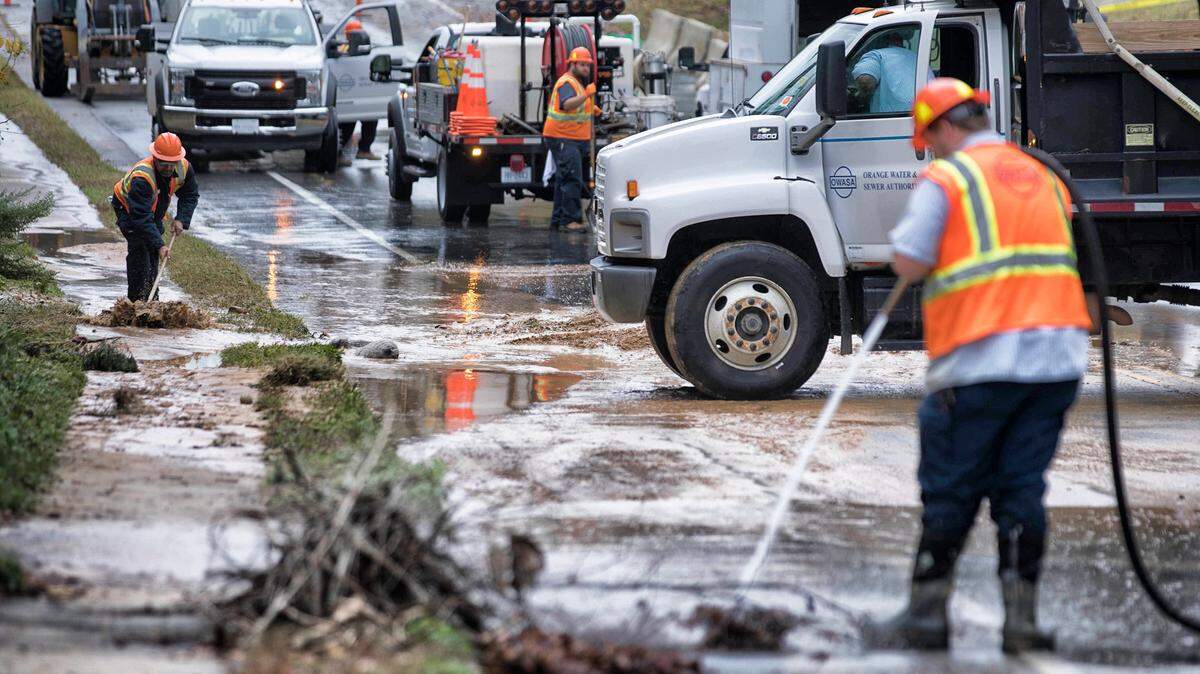
The Orange Water and Sewer Authority lifted its boil advisory Tuesday afternoon in Chapel Hill and Carrboro, clearing the way for most customers to use their tap water again.
About 75 customers in three Carrboro locations were told their wait may be a little longer, OWASA officials said in a news release.
Officials don’t know yet why the 20-inch pipe burst, OWASA spokeswoman Linda Low said, but it was built in the 1940s.
The priority has been getting the pipe fixed and ensuring there are no other issues from the force of the water when it’s turned back on, Low said.
That’s what happened Monday afternoon when a small leak cracked a pipe in Carrboro, temporarily shutting off water to 26 customers, she said.
Crews spent Monday night and most of Tuesday repairing the affected pipe on Jones Ferry Road.
Hillsborough supplied OWASA with additional water during the emergency.
“When we have a break like this, a lot of water flows out. In terms of safety, our team can’t just walk right up to that pipe and walk along it to see where the point of origin along this big pipe,” Low said. “Throughout [Monday], our teams were turning off different valves and re-routing water or stopping the flow of water at different sections of the pipe, so they could isolate where along that pipe the water was leaking.”
The water break forced UNC to cancel classes Monday and Tuesday. Classes will resume Wednesday morning.
UNC Health Care postponed elective surgeries Monday, and emergency calls were diverted to other area hospitals.
The hospital system returned to normal operations over the course of the day Tuesday and began to accept emergency patients again, officials said.
Orange County government reminded voters online that all polling places were open Tuesday from 6:30 a.m. to 7:30 p.m. and weren’t disrupted by the water situation.
In February 2017, a break shut off water service to residential and business customers for more than 24 hours. An independent report blamed human and system errors for that incident, which started with a fluoride overfeed at the Jones Ferry Road water plant.
Low said roughly half of OWASA’s $40 million annual budget is spent replacing and updating its equipment and facilities. This year’s budget funds about 60 projects, including $5.5 million for water main upgrades. As a nonprofit, OWASA’s revenues come largely from water and sewer fees.
“It’s a fine balance between ensuring that we charge rates so people can afford water and maintaining the system,” Low said.
This story was originally published November 6, 2018 at 10:28 AM.