Local

Slow Burn: Climate change, wood pellets and North Carolina

READ MORE


Wood pellets, climate change and North Carolina

This series on the wood pellet industry and the different views on the role of North Carolina forests in combating climate change took six months to put together, but drew on years of experience and reporting. It was produced in partnership with The Pulitzer Center on Crisis Reporting.

Expand All

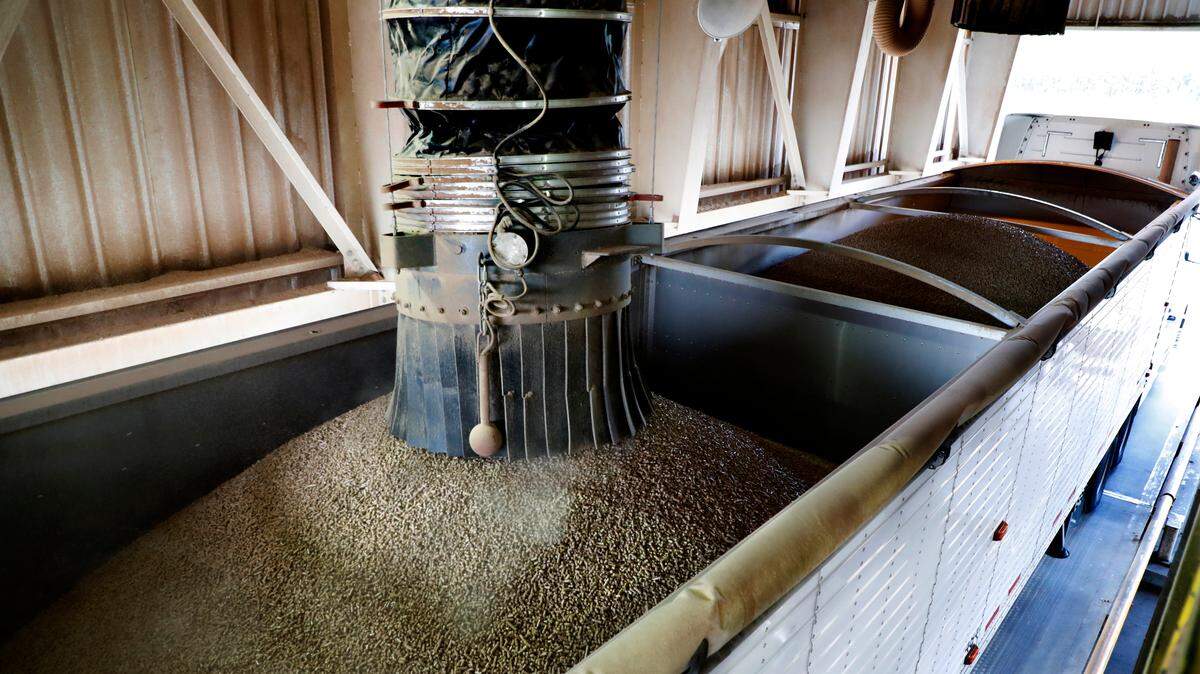
Each year, millions of tons of wood pellets are produced in North Carolina and shipped overseas for use as fuel in electric power plants that are turning away from coal. The wood pellet industry, its customers and supporters say using wood pellets instead of coal is an important part of the fight to slow climate change.

The industry’s critics say wood pellets may actually be making climate change worse. The best way to use trees and forests in the fight against climate change, they say, is to leave them standing undisturbed.

Tangled up in the debate is the fact that — aside from climate change — wood is a cleaner fuel than coal and produces less ash; and the benefits that the wood pellet and timber industries provide in terms of jobs and other economic contributions.

The News & Observer in partnership with the Pulitzer Center for Crisis Reporting spent six months researching these issues and searching for answers. Here is what we learned.

.
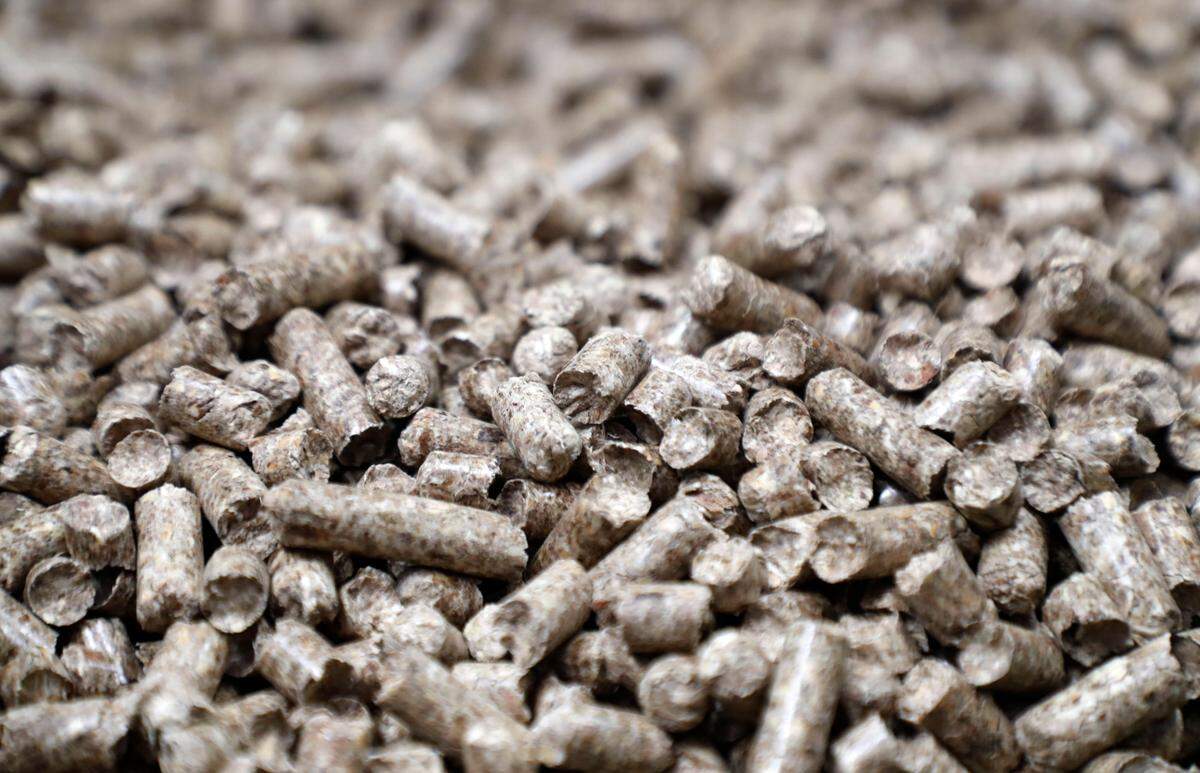
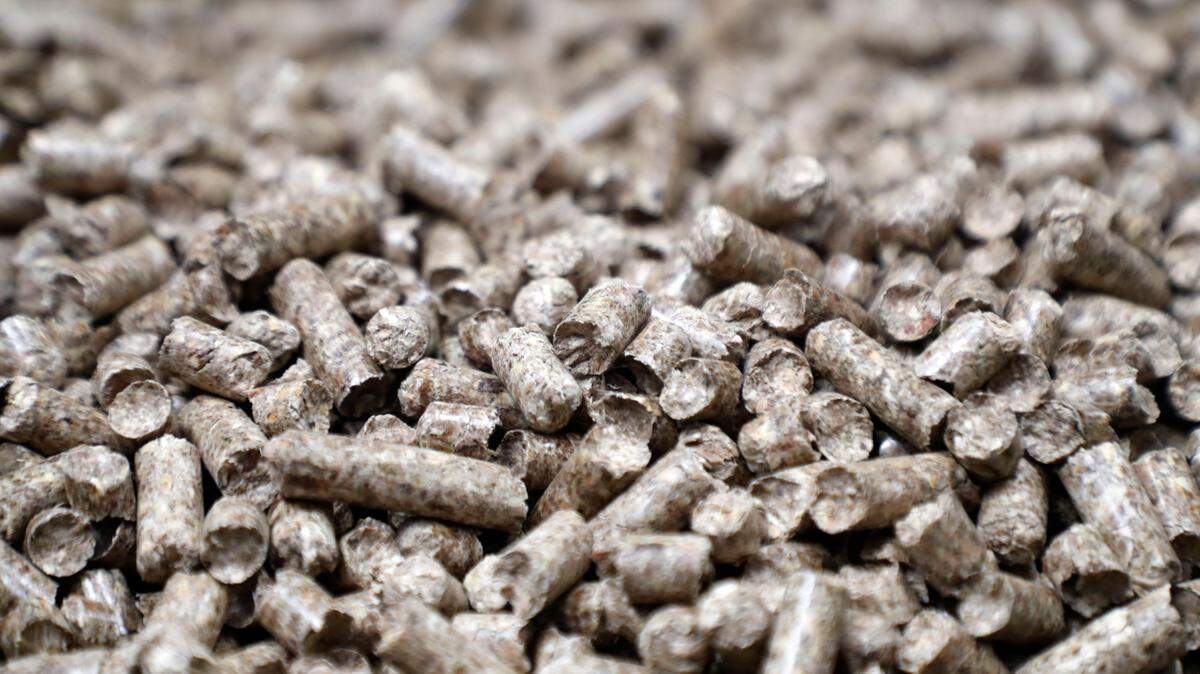
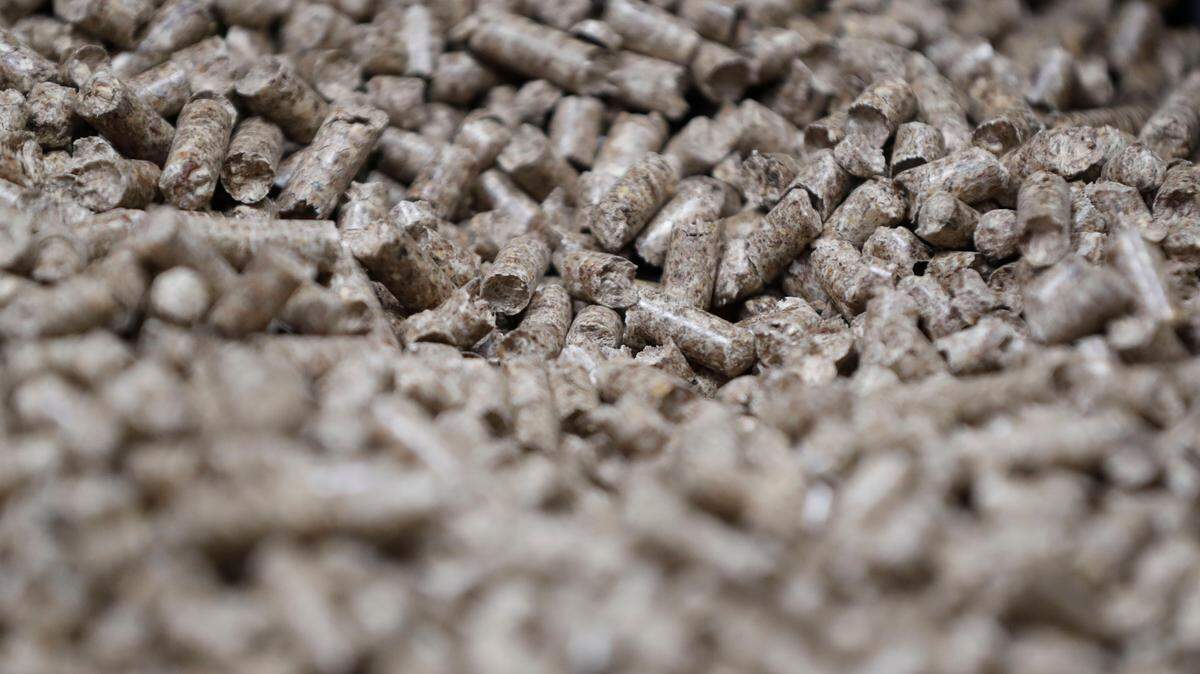
Wood pellets produced at the Enviva plant in Northampton County, N.C., seen on Tuesday, Sept. 3, 2019. Enviva is the world’s largest producer of wood pellets.
Wood pellets produced at the Enviva plant in Northampton County, N.C., seen on Tuesday, Sept. 3, 2019. Enviva is the world’s largest producer of wood pellets. Ethan Hyman ehyman@newsobserver.com
Read Next
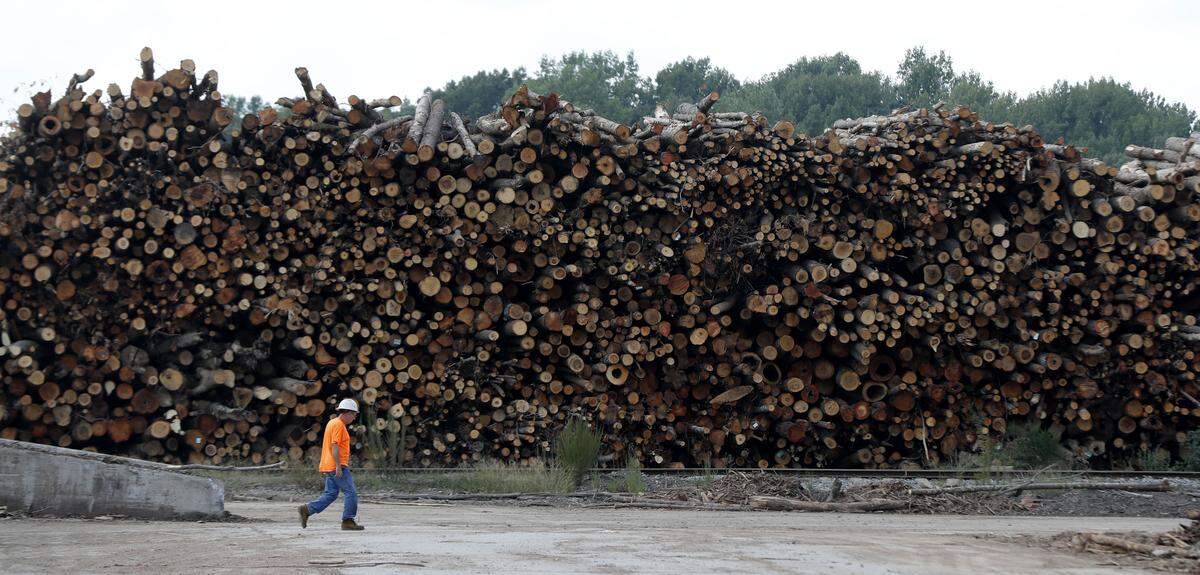
A worker walks past logs stacked at the Enviva plant in Northampton County, N.C. on Tuesday, Sept. 3, 2019. Enviva turns the logs into cylindrical pellets that will be burned for heat and electricity in Europe.
A worker walks past logs stacked at the Enviva plant in Northampton County, N.C. on Tuesday, Sept. 3, 2019. Enviva turns the logs into cylindrical pellets that will be burned for heat and electricity in Europe. Ethan Hyman ehyman@newsobserver.com
Read Next
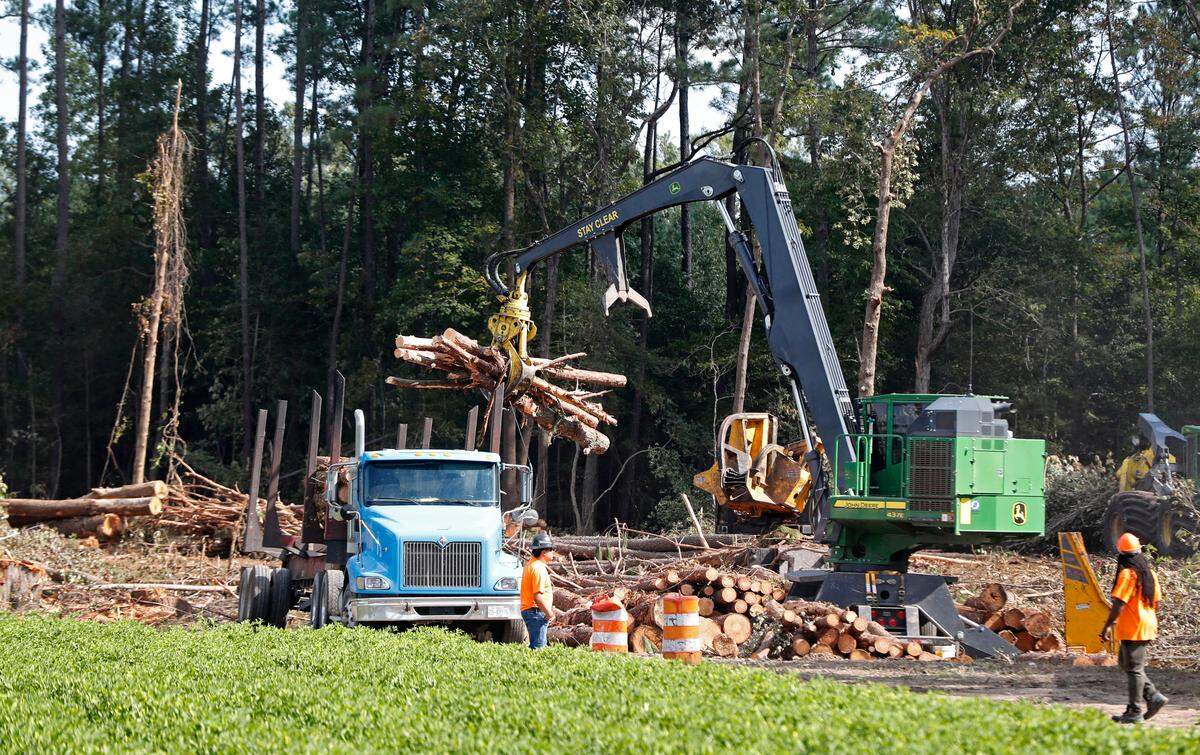
Trees cut down on a Wilson County farm are loaded onto a truck Tuesday, Sept. 3, 2019. The cut trees are headed to the Enviva plant in Northampton County, N.C.
Trees cut down on a Wilson County farm are loaded onto a truck Tuesday, Sept. 3, 2019. The cut trees are headed to the Enviva plant in Northampton County, N.C. Ethan Hyman ehyman@newsobserver.com
Read Next
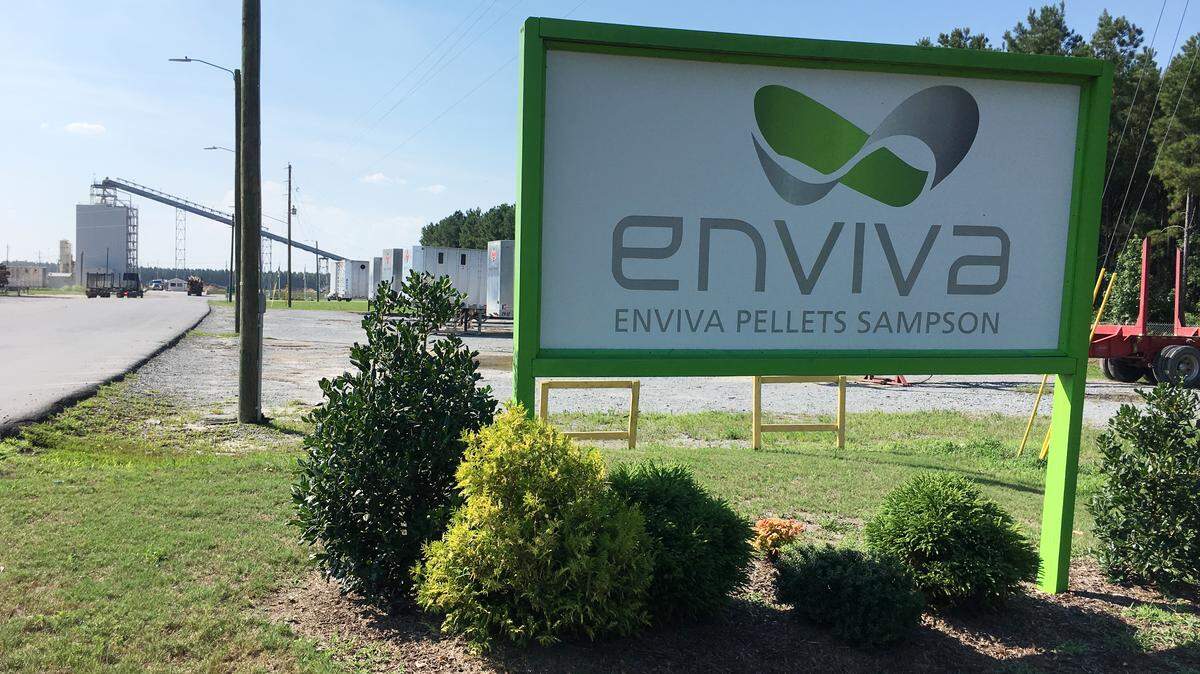
The Enviva plant in Northampton County, N.C. is seen in this photo taken Tuesday, Sept. 3, 2019. Enviva is the world’s largest producer of wood pellets,
The Enviva plant in Northampton County, N.C. is seen in this photo taken Tuesday, Sept. 3, 2019. Enviva is the world’s largest producer of wood pellets, Ethan Hyman ehyman@newsobserver.com
Read Next
Read Next
Read Next
Get unlimited digital access
#ReadLocal

Try 1 month for $1

CLAIM OFFER

Wood pellets, climate change and North Carolina

This series on the wood pellet industry and the different views on the role of North Carolina forests in combating climate change took six months to put together, but drew on years of experience and reporting. It was produced in partnership with The Pulitzer Center on Crisis Reporting.