Here’s what you need to know about the coronavirus outbreak and how to protect yourself
The News & Observer and McClatchy news sites have lifted the paywall on this developing story, providing critical information to readers. To support vital reporting such as this, please consider a digital subscription.
Editor’s note: On Tuesday, March 3, North Carolina reported its first case of COVID-19, in a Wake County resident who was exposed at a Washington state long-term care facility. Find details on the case here. A second coronavirus case was confirmed in Chatham County on March 6.
As the coronavirus continues to spread worldwide, the Centers for Disease Control and Protection and North Carolina health and emergency officials are preparing for a potential major outbreak in the United States.
Ten people in the U.S. have died and dozens of others have been infected with the virus across the country. North Carolina has reported two coronavirus cases, one in Wake County and another in Chatham County.
CDC officials say it’s likely the virus will continue to spread in the U.S. and people should take precautions.
A state task force on COVID-19 is working with the CDC and local public health departments to monitor the outbreak and prepare for containment if coronavirus spreads to North Carolina.
Here’s what you need to know about the coronavirus.
What is coronavirus?
The CDC is monitoring developments around an outbreak of respiratory illness caused by a novel or new coronavirus. It was first identified in January in Wuhan, Hubei Province, China, which is on the eastern side of the country.
The global outbreak has spread with confirmed cases in more than 70 countries and territories, including the United States.
The World Health Organization has reported more than 95,000 cases and more than 3,000 coronavirus associated deaths worldwide, as of Mar. 5.
Do you have questions about the coronavirus? The News & Observer will get the answers for you. Go to bit.ly/virusnc and let us know what you need to know.
Coronaviruses are a group of viruses, the most common of which cause a simple cold. However, this new coronavirus infection gets down into the lungs, which can cause pneumonia or bronchitis.
People usually experience fever, coughing and difficulty breathing, because it’s a lower-respiratory infection.
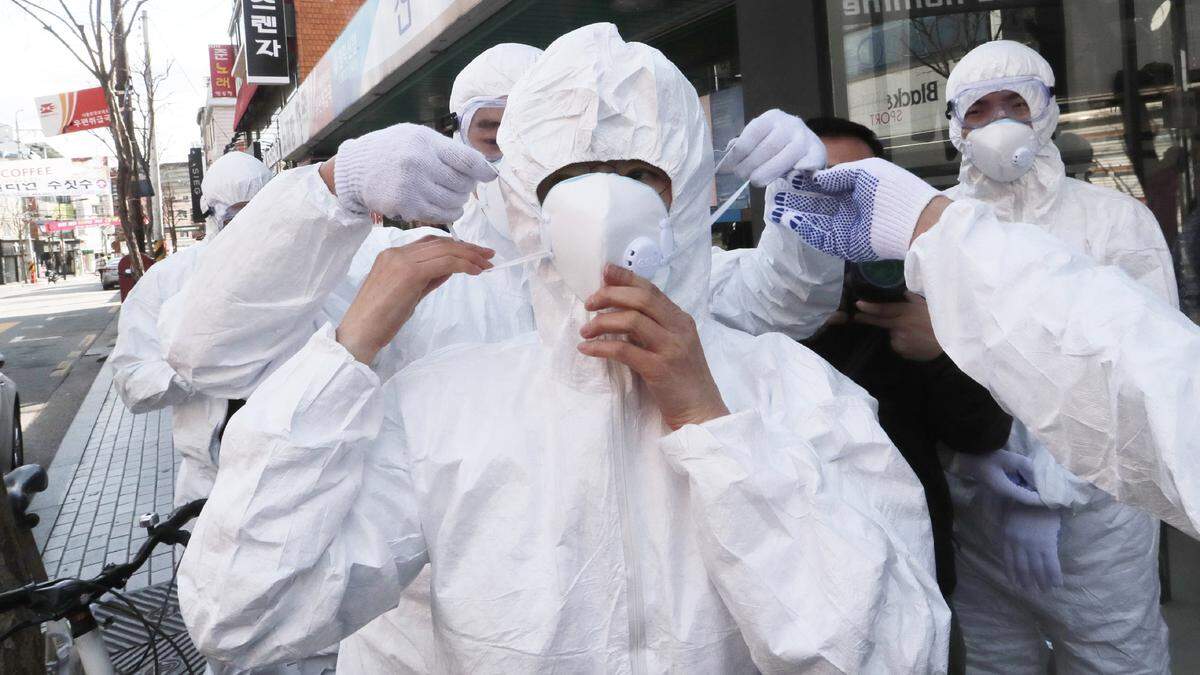
How can you prevent getting infected with coronavirus?
People can get coronavirus from being near someone who’s infected and breathing, talking or coughing, according to Dr. Rachel Roper, associate professor of microbiology and immunology at East Carolina University’s Brody School of Medicine.
She said coronaviruses spread through the air and can live on doorknobs, railings, products in stores and even keypads where you punch in your PIN or phone number.
It’s similar to how people get the flu.
Roper said washing your hands with soap and water and using hand sanitizer is a really great way to protect yourself. And people should try not to touch their faces after touching things out in public.
Staying healthy is always important to prevent or fight any infection, Roper said, including getting enough sleep, eating well and exercising.
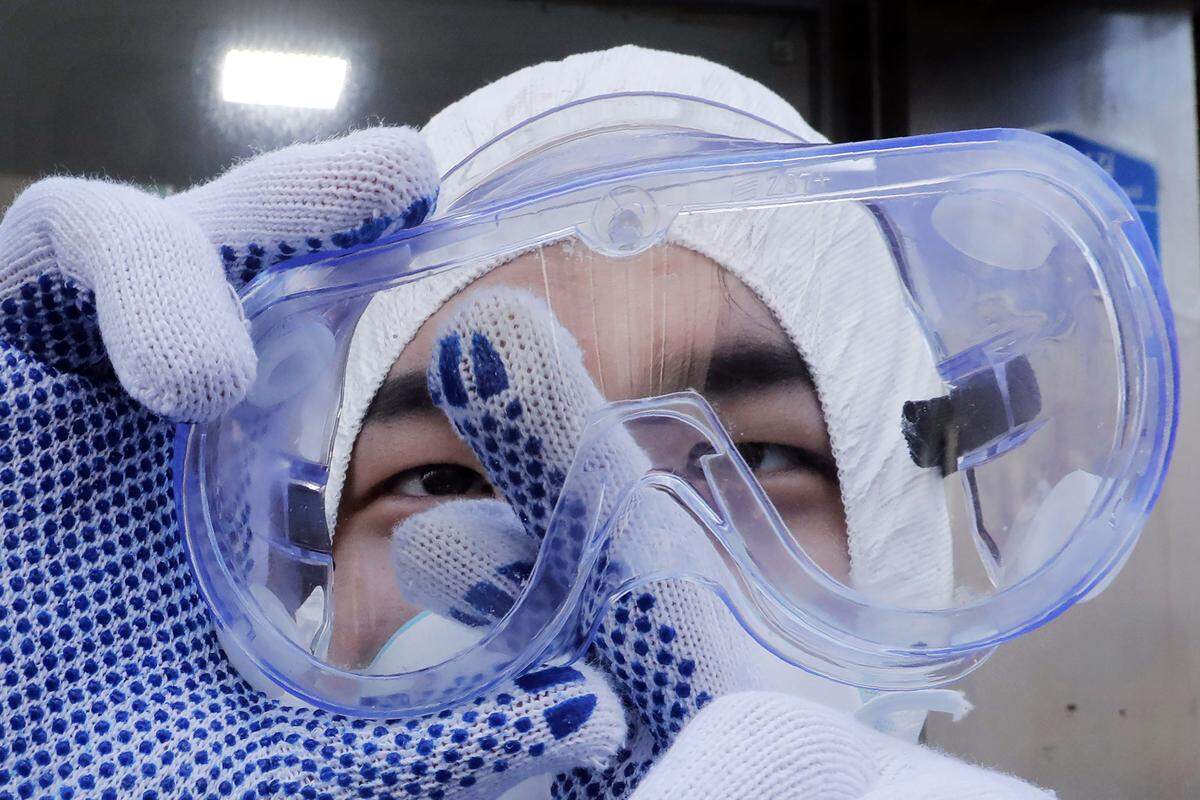
Should I avoid large crowds and stay home from work or school?
University settings are particularly vulnerable because of the dense population on campuses, Roper said in a January interview.
Places like schools, day cares, airports and amusement parks are also at risk. The general population can protect themselves by avoiding crowds and sick people.
“The more people you’re around, the more likely you are to be exposed to the virus,” Roper said.
Local universities are closely monitoring the situation and keeping their campus communities informed, particularly international students and those traveling abroad.
Looking for regular updates on the Coronavirus in NC and across the nation? Signup for our pop-up newsletter here to get a daily email news summary.
The Duke Kunshan University in China is closed and the Duke summer programs for students traveling to China have been canceled.
Several universities, including UNC-Chapel Hill, Duke and NC State, have canceled spring study abroad programs and restricted travel to countries identified as high-risk by the CDC, including China, Iran, South Korea, Italy and Japan. No universities have identified individuals infected on their campuses.
UNC-CH has also restricted domestic travel to Washington, California and Florida.
Wake County School System sent a letter to parents telling them not to panic and offering advice on prevention efforts.
State health officials do not recommend people work from home.
Do face masks protect against coronavirus?
Face mask prices are skyrocketing as the coronavirus spread, but experts say the typical disposable ones might not be as helpful as consumers think.
These masks are not made to prevent people from getting sick, according to Tilson. She said face masks should be worn by people who are sick to prevent illness spreading.
“We are not encouraging people go out and get a face mask,” Tilson said at the news conference. “We do want people who are sick to wear a face mask.”
Should I avoid traveling to Asia or Europe?
The CDC recommends that travelers avoid all nonessential travel to China, Iran, South Korea and Italy. Older individuals and those with chronic medical conditions should avoid travel to Japan, according to the CDC.
Hong Kong is on the watch list, but the CDC does not recommend canceling or postponing travel there, yet.
People have also been infected in Singapore, Taiwan, Thailand and Vietnam, including cases where they don’t know how or where they were infected. Despite the infections, the CDC says the extent of virus spread is not sustained or widespread enough to cause travel concerns.
The CDC will update its travel list online.
What should you do if you think you have coronavirus?
If a person is experiencing symptoms, they should go to a hospital but call ahead first, Roper said. They should cover their mouths with a mask or a bandanna or get one as soon as they get to a healthcare facility.
To avoid exposing others to the virus, people should cough toward the floor into their elbow or sleeve. If they cough into their hand they can spread it around touching things.
Roper said people shouldn’t be worried that they’re going to die if they catch the coronavirus, because people do survive. But people who are older, overweight, have diabetes, are undergoing cancer treatment or have any underlying health concerns are more likely to have difficulty fighting it.
The state also set up a coronavirus helpline for residents.
How many cases are in the U.S.?
The first two coronavirus cases in the U.S., detected in late January, were travel-related. Since then, hundreds of people have been tested, and there have been 60 total confirmed cases. Eleven cases were spread person-to-person, 22 were travel related and 27 are under investigation, according to the CDC.
There were an additional 48 cases among people who were brought back to the U.S. from China and a cruise ship in Japan.
The CDC is tracking all cases in the United States and updates the totals every few days.
Is is safe to eat Chinese food or use products made in China?
Eating Chinese food is not listed as a risk for getting coronavirus on the World Health Organization or CDC websites about the virus.
The World Health Organization recommends thoroughly cooking meat and eggs as a general way to prevent spreading an infection.
People can’t get infected by eating cooked meat, even if the animal was infected, according to ECU professor Roper, because the cooking process would kill the coronavirus.
Using products made in China is also not included as a way to transmit the disease on those websites. The FDA released a statement on Feb. 24 providing an update on FDA inspections in China and the agency’s oversight of imported products from China.
“Fortunately, currently, we are not seeing the impacts of this outbreak resulting in an increased public health risk for American consumers from imported products,” the statement says. “There is no evidence to support transmission of COVID-19 associated with imported goods and there have not been any cases of COVID-19 in the United States associated with imported goods.”
The FDA said it is not able to conduct inspections in China right now, but that is not inhibiting its ability to monitor medical products and food safety. They are using additional tools to monitor the safety of products from China, including import screening, sampling and firms’ compliance histories.
The FDA will continue to assess and update guidance on these issues.
How can coronavirus be stopped?
A vaccine is the only antidote that will eliminate the coronavirus, but the harmful infection can be contained through normal procedures from nurses and doctors, Roper said.
Scientists have done it before, and Roper said it will be easier to contain than the Ebola virus. In 2003, the world successfully stopped the transmission of SARS into humans, and Roper is hopeful the same will happen with this new virus.
Roper was the program director for the British Columbia SARS Accelerated Vaccine Initiative and was federally funded for SARS research. She was also part of the team that first analyzed and sequenced the SARS coronavirus genome and headed the vaccine trials.
“It’s only possible to vaccinate against viruses that we know about,” Roper said. “Anytime a new virus breaks out like this we have to pretty much start from scratch.”
She suggested having a rapid response team for making a vaccine that can be tested quickly, since this is the third time the virus has spread to humans.
The CDC is updating its website with the latest information about the coronavirus outbreak.
News & Observer reporter Lynn Bonner contributed to this story.
This story was originally published February 27, 2020 at 2:35 PM.