Durham delays tax increase, faces nearly $12 million budget shortfall due to COVID-19
In March, Durham city leaders were moving forward with a nearly balanced budget that sought to repave more streets, give employees a 5% pay increase and raise taxes to support affordable housing.
But all those plans are on hold as the COVID-19 pandemic dramatically reshapes the budget landscape for Durham and other cities across the state scrambling to adjust fiscal 2020-21 budgets that must be in place July 1.
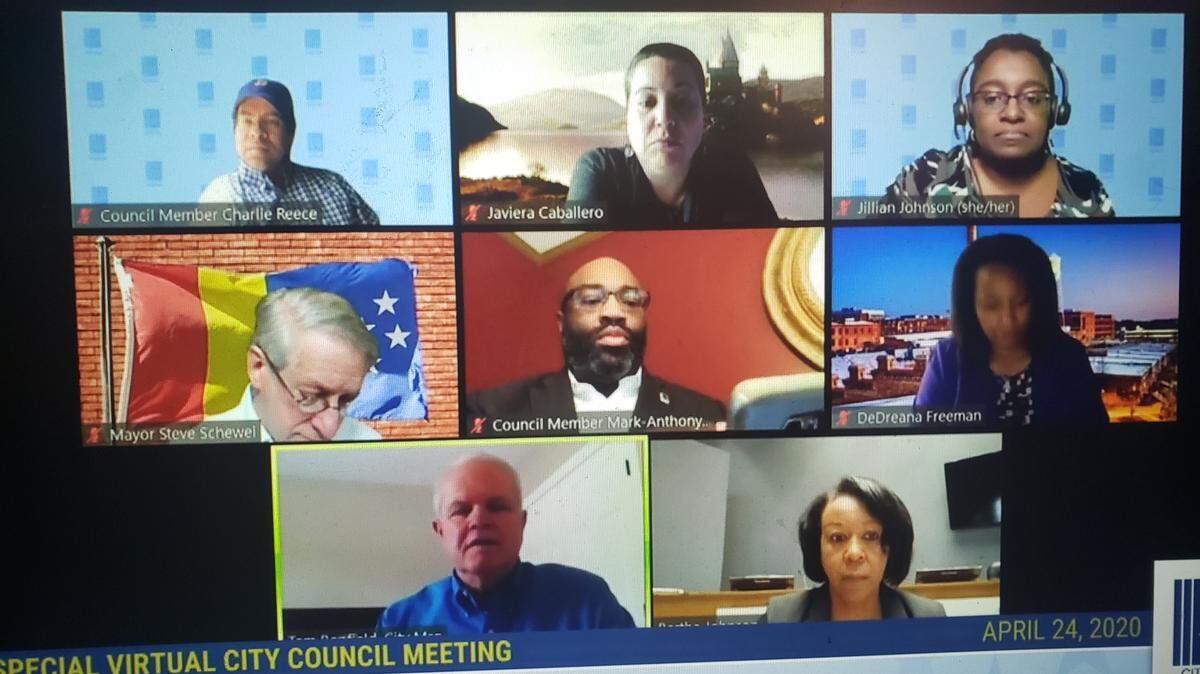
Durham now faces a nearly $12 million budget gap, City Manager Tom Bonfield said Friday as he and budget director Bertha Johnson presented the City Council with revised guidelines for formulating a recommended spending plan.
The new guidelines allow program cuts, a reduction in planned employee raises and a delay in tax collections to pay for the $95 million affordable-housing bond that city voters approved last fall.
“What we are saying here to our community is that we will be considering and we know we will have to have some programs that are discontinued or downsized; that’s a reality that we are going to face,” said Mayor Steve Schewel.
The budget guidelines also call for setting aside up to $5 million for yet-to-be identified COVID-19 needs and expenses. If the money isn’t needed, then the city could return it to the general fund, Bonfield said.
City Council members, who a year ago were intensely debating hiring more police officers, accepted the changes with agreement and resignation.
“Honestly, I am heartbroken about so many things in our community right now,” Schewel said. “Some of these initiatives (the city had been planning) I wish we could do. So many ways in which people are just having to go such difficult circumstances in their own lives. ... It’s just a very tough time.”
Bonfield plans to present his recommended budget at the May 18 City Council meeting.
He said he doesn’t have specific program cuts in mind but funding, social distancing and heath concerns make changes likely. The new guidelines also eliminate funding for new requests that support the city’s strategic plan.
“While (the budget) will be adopted in a fashion in June, it will be evolving throughout the year,” he said, as revenue losses become more apparent and new priorities are identified.
Estimated revenue changes
Johnson said the city based its shortfall projection on estimates from peer cities and the N.C. League of Municipalities. It takes into account predictions of another bout of social distancing in the fall, she said.
The budget guidelines estimate Durham’s property tax revenue will drop 1%, or by $1.1 million.
Sales tax revenue will drop an estimated 10%, or by $7. 2 million. Occupancy tax revenue will drop an estimated 9%, or by $297,000.
Property tax values could also be affected, along with the city’s tax collection rate, which could dip.
Taxes will not go up
The new guidelines eliminate a city tax increase, including to begin paying for the affordable housing bond that voters approved in November.
Bonfield said that delay won’t affect projects but the tax rate increase to pay for them could be slightly higher than planned when implemented.
Council member Charlie Reece said elected officials will have to be honest with those unhappy with the choices the city makes to fund essential services.
“We all have things that we want to do in the upcoming budget, and we are all going to be disappointed,” he said.
City pay adjustments
The initial budget guidelines the council had approved called for an average pay performance increase of 4.8% for general employees, 5% for police officers and firefighters, and 3.5% for part-time employees.
Those guidelines were replaced with a guideline that says pay adjustments will be considered. Bonfield said pay will not be reduced but the city may consider reductions in its support of retirement accounts.
Street resurfacing
The city no longer plans to add $4 million from the general fund to the city’s $6 million street resurfacing fund like it did last year.
Resurfacing is a priority for residents, according to a city satisfaction survey, Bonfield noted. Consultants have recommended the city spend much more annually, and delayed maintenance can increase costs in the long run, he said.
“In doing this during these very challenging times it would be an acknowledgment that we are willing to, as a community in a sense, lower the standards,” for road conditions, he said.
Downtown district tax
Johnson sought guidance on whether to reduce taxes for downtown Durham’s Business Improvement District. Property owners in the district pay an extra tax — 7 cents per $100 of assessed property value — for services provided through Downtown Durham Inc.
The council advised Johnson to consider options that keep the tax rate the same but divert some city money back to the general fund and to ask DDI to retool its budget and look for ways to help struggling business owners downtown.
Water and sewer rates
City water and sewer rate increases won’t exceed 3%, according to the budget guidelines.
City officials want to avoid any increases, Bonfield said, but they need to move forward with capital improvements to avoid significant increases in future years.
The increase will result in slightly higher bills per household, Bonfield said.
Changes in fund balance
In recent years city officials bumped the city’s rainy day fund from 12% of the general fund to 16.7%.
The move resulted in the city having a reserve that will help it cover lost revenues and unexpected expenses.
Under the new guidelines approved Friday, the fund can drop to as low as 12% of the general fund.
This story was originally published April 28, 2020 at 6:00 AM.