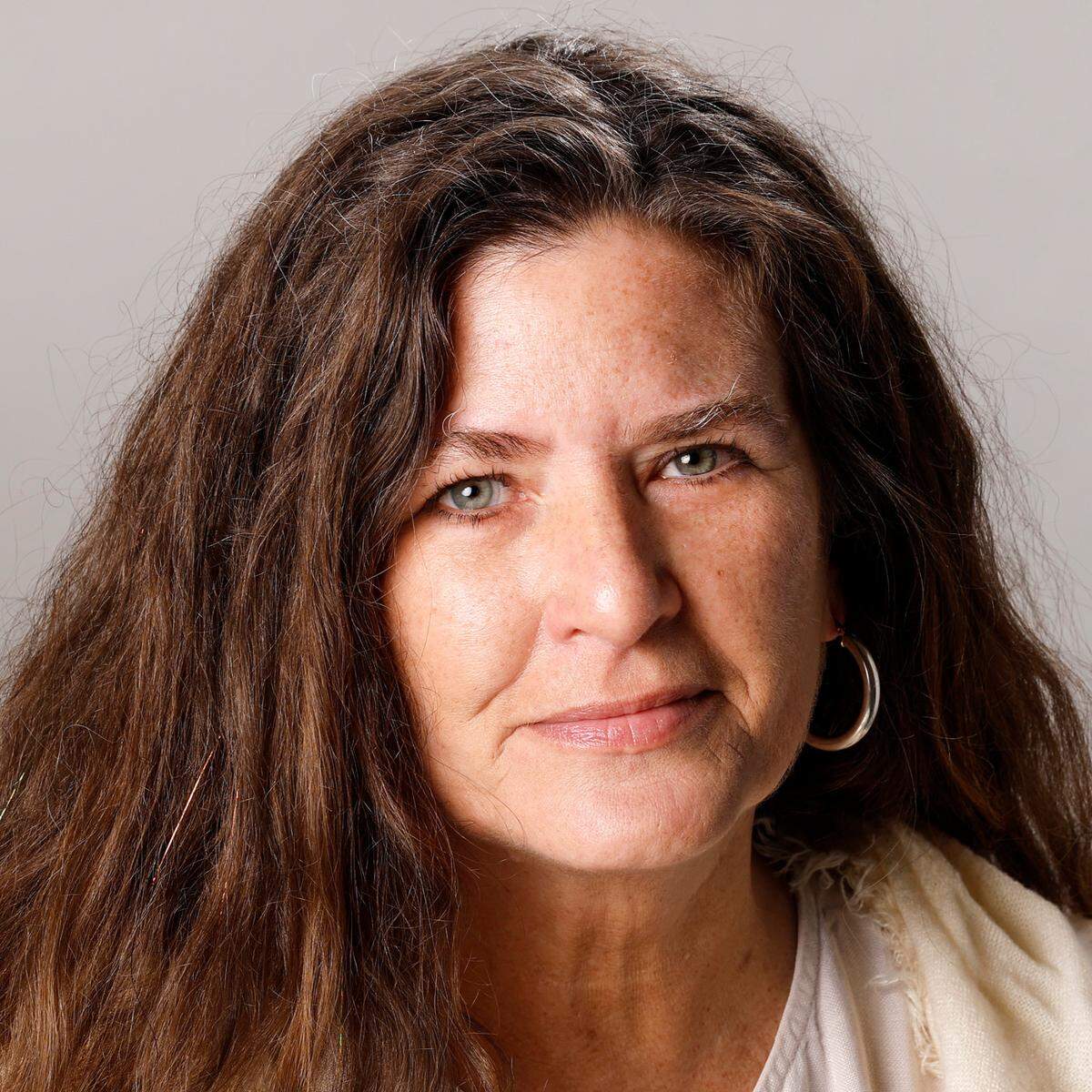
‘Democracy trying to breathe.’ A season of protest seeks racial equity in NC
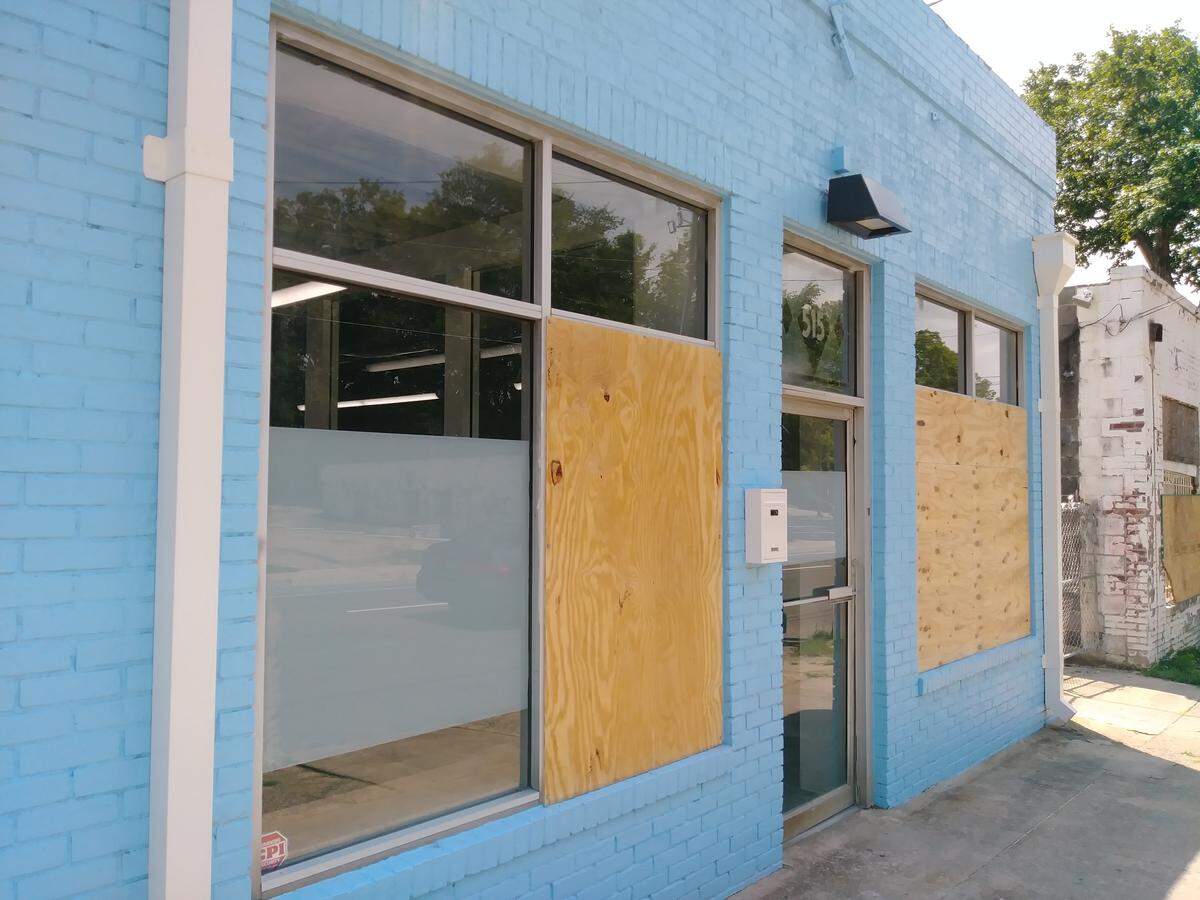
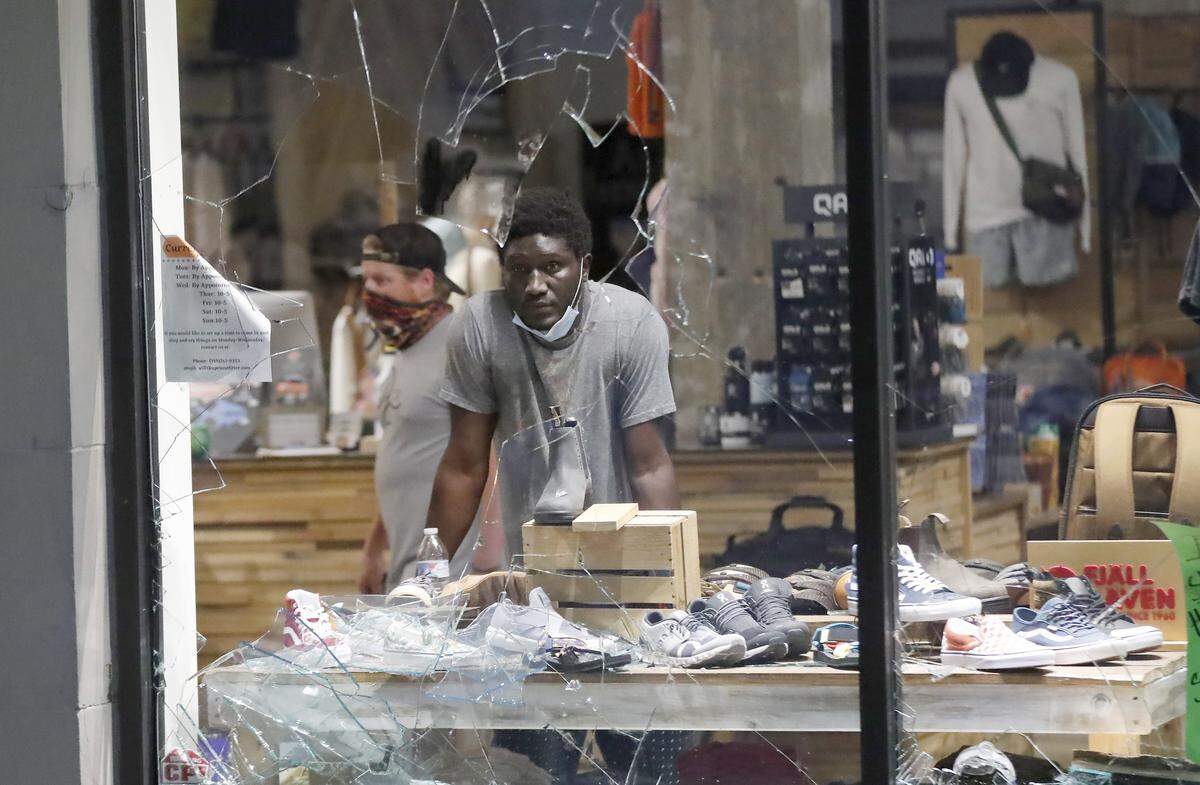
Valerie K. Fields arrived at her office on Blount Street in Raleigh sometime after midnight last Saturday and stepped over the shards of three of her four front windows that now glittered on the sidewalk. She turned on the lights and sat down at the reception desk.
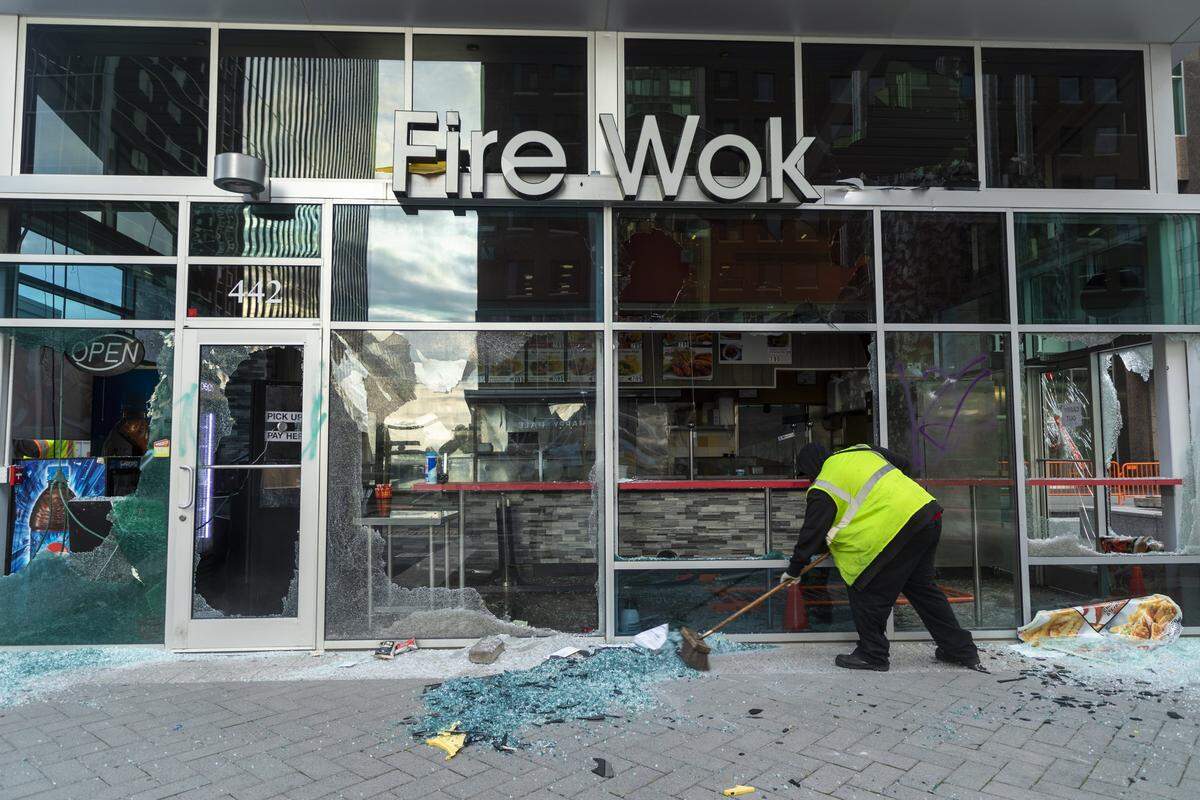
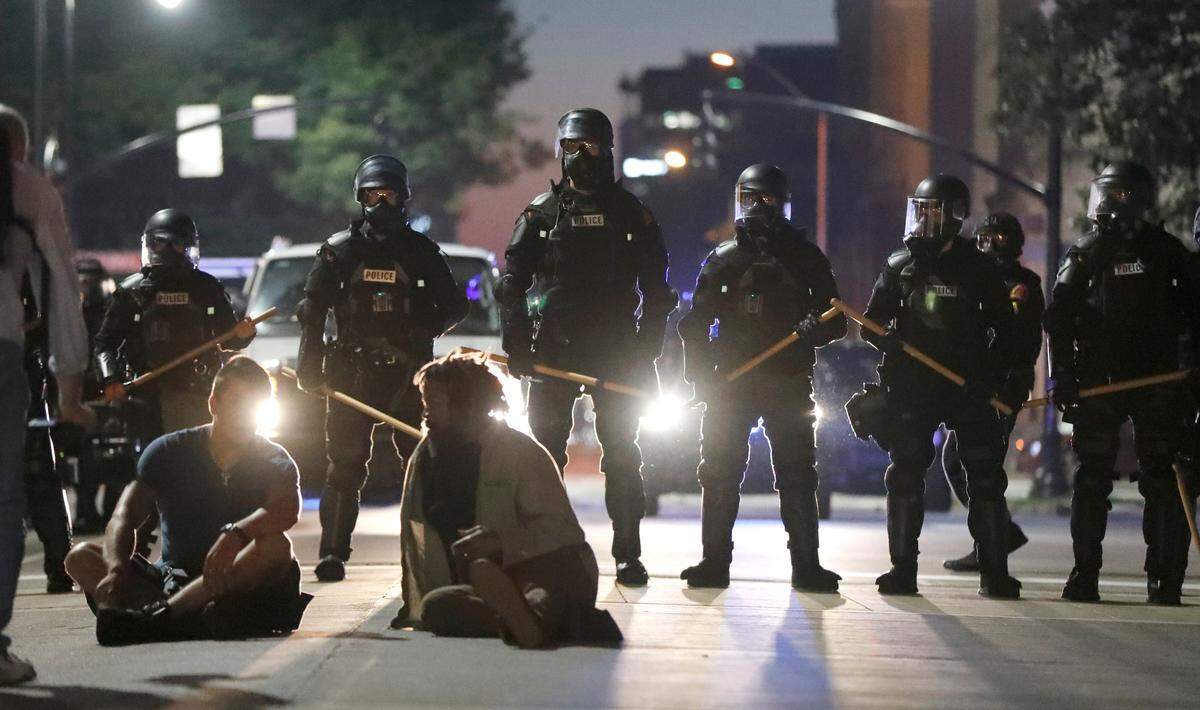
A day of protests over the death of George Floyd in Minneapolis and over police violence against people of color had given way to pandemonium, with Raleigh police tear-gassing protesters and firing rubber bullets into crowds. When darkness fell, looters struck.
Fields, a black woman, a public relations entrepreneur, a minister and a former journalist, listened to young people talking as they passed the jagged openings exposing her to the street.
“I have mixed emotions,” Fields said in a telephone interview later. “I was caught up as a business owner in downtown Raleigh and became collateral damage in a fight that I actually sympathize with. It’s counterproductive to hurt me, because I’m trying to help the community that I’m a part of.
“But there has to be some empathy,” she said, “and I understand that there is a lot of hurt, and a lot of pain and a lot of despair.”
Hearing the voices from the street that night, Fields said she thought of those unable to find work, or furloughed because of business shutdowns on account of COVID-19, or required to go back to work without adequate protection from the spread of the illness.
‘A lot of things have to change’
.jpg "VK Fields_2017 (1).jpg")
With extra time on their hands, they could go on the internet and see — it was hard not to see — the video showing Floyd in the last moments of his life, with the knee of a police officer on his neck. They had time to ruminate on the deaths of other black people at the hands of police, and of citizens acting like police, this year and in years past.
They poured into the streets to express their frustration, Fields said.
“If you are out of hope and out of options, what do you have to lose?” she asked. “That kind of resentment is only going to make people want to share their pain with someone else.
“If we are honest with ourselves,” she said, “we recognize that the status quo is unsustainable, and that something — a lot of things — have to change.”
In the morning light, Fields called her handyman to board up the broken windows and filed a claim with her insurance company. For her, the physical damage is easy enough to repair, she said.
Fixing the issues that have inspired the protests and been revealed in official responses to them will be much harder.
While they have the world’s attention, protesters in Raleigh, other cities in North Carolina and throughout the nation continue to demonstrate, chanting that “Black Lives Matter” and warning, “No Justice, No Peace.”
At the same time, churches that support social justice causes are holding vigils and workshops. Advocacy groups are asking to meet with municipal, county and state officials to discuss police policy and look for alternatives to heavy-handed law enforcement.
On Friday, a group of N.C. House Democrats held a press call to discuss steps to address systemic racism, saying it “permeates every sector of our society.”
A range of proposals
Drawing from decades of research dating to the Civil Rights era and before, different groups are resurrecting a range of proposals aimed at reforming nearly every aspect of American life to eliminate discrimination aimed at African Americans since they were imported to this country as slaves.
They include:
Reducing funding for police departments in the state and the nation; diverting money currently spent on military-style training and equipment into social programs such as affording housing, health care for the poor; and reducing education gaps across racial and economic lines.
Reducing the duties of police officers and assigning some of their work to other agencies with more specialized training, such as mental health crisis response and opioid addiction reduction.
Reforming police departments by adopting policies that can reduce police lethality such as those suggested by 8cantwait.org, including banning choke-holds and requiring de-escalation.
Investing in community-based “police alternatives” that rely less on enforcement and more on social support.
Increasing the minimum wage.
Removing police officers from schools.
Eliminating barriers that discourage African Americans from voting.
Improving the national database that’s supposed to track police officers accused of misconduct in the more than 18,000 law enforcement agencies across the country.
Whether the protests bring about substantial change “hinges on how a number of key groups in society respond, and how they sort of build on or seek to push back against some of the demands of protesters,” said Kenneth “Andy” Andrews, chair of the Department of Sociology at UNC and a specialist in social movements, race and ethnicity.
“A lot will depend on how much this emboldens efforts to reform policing and institute new kinds of oversight, and whether the urgency of the protests can be picked up and pushed forward by political leaders and advocacy groups who can keep the momentum going.”
Like the abolitionist movement, the anti-lynching movement and the Civil Rights movement that all relied on the help of imagery to add impact to their messages, the modern anti-racist movement uses video and social media for almost instant effect, Andrews said.
And even as protesters have marched to bring attention to previous incidents of police brutality, officers in some cities have appeared on video reacting with what appears to be excessive force.
Two officers in Buffalo, N.Y., were suspended after pushing a 75-year-old man on Thursday. The man fell to the ground, struck his head and lay motionless, bleeding from his ear in an incident caught on video. The officers kept walking.
According to The Washington Post, 57 other members of the emergency response team resigned Friday in protest of the officers’ suspension.
“The scale at which situations are breaking down in some of these protests with the way police are responding is surprising and troubling, I think,” Andrews said.
Launching conversations
In some jurisdictions, police response to the protests may be enough to launch conversations about requiring procedural changes.
In others, conversations are starting on friendlier terms.
“We’re setting up a meeting with the sheriff of Orange County,” said the Rev. George Crews, pastor of Lattisville Grove Missionary Baptist Church in Hurdle Mills, who spoke at an evening vigil this week for victims of police brutality.
The event, held in the parking lot of Piney Grove Missionary Baptist Church outside Hillsborough, drew more than 100 people, including at least a dozen clergy members.
Crews said advocates want to talk with the sheriff, and later with the chiefs of smaller local police departments, about training efforts to prevent police violence as well as about the departments’ racial makeup.
“We know there are racial disparities in the hiring process,” for local law enforcement, Crews said.
Activists see the election in November as another potential tool for reform, if elected leaders now in office are reticent to hear their demands. The Rev. William Barber II, pastor of Greenleaf Baptist Church in Goldsboro, president of Repairers of the Breach and co-founder of the national Poor People’s Campaign, was asked this month by TIME100 Talks, a weekly online series produced by TIME Magazine, where he finds hope in the protests.
They’re about more, he said, than what happened to George Floyd on a Minneapolis street.
“The energy and the power and the ethic of those protests are saying, wait a minute,” Barber said. “We are not yet ready to give up on this democracy.
“That’s what you see in the street, is the democracy trying to breathe and refusing to allow the policies of injustice to crush and suffocate our reality.”
Not everyone sees the same urgency. Andrews, of UNC, said different people will watch the events and come to different conclusions about police behavior and whether it reflects systemic racism.
“That’s going to be interpreted through the frame of how we already interpret and understand the legitimacy of the protesters’ demands and the tactics that police might be using,” he said.
“The bigger question is whether people can have their minds changed.”
This story was originally published June 6, 2020 at 3:41 PM.