What’s next after two weeks of daily protests? Raleigh organizers outline their goals.
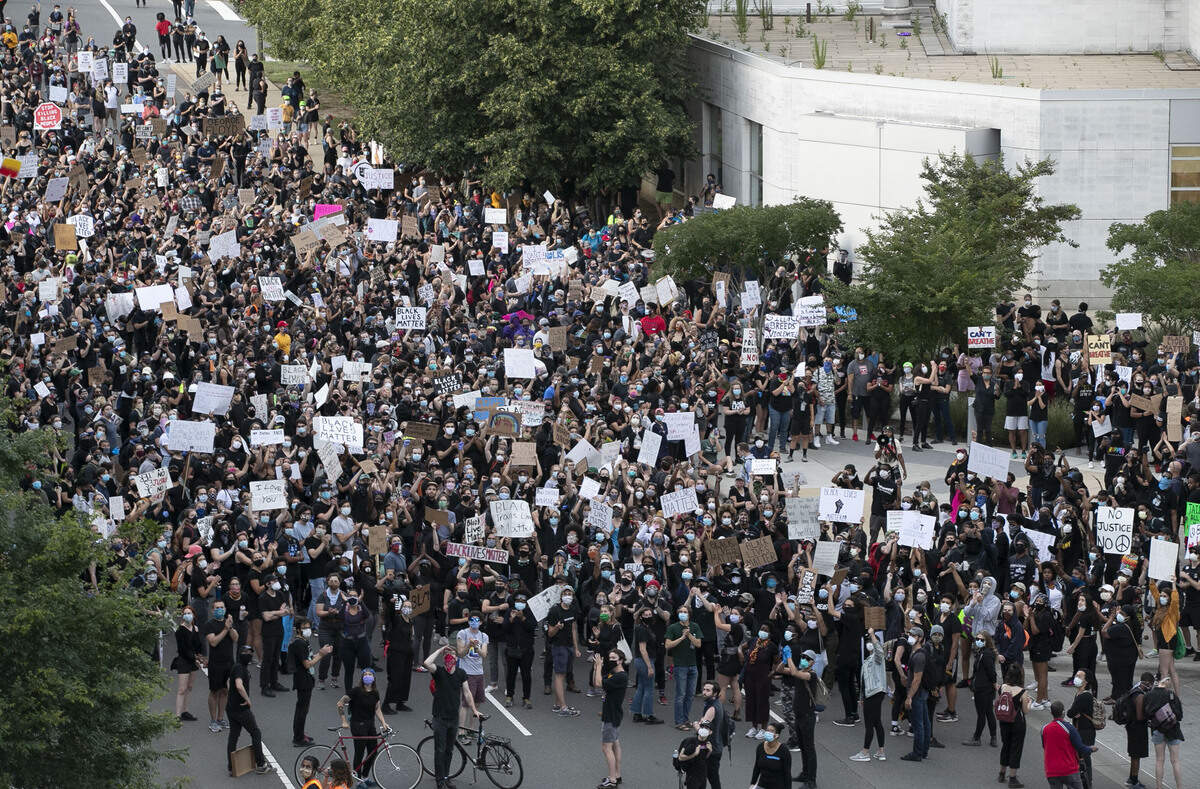
Thousands of people have marched through the streets of downtown Raleigh for 14 days straight to protest police brutality, Confederate statues and systemic racism.
Some are part of groups that have been organized for years, others met while protesting and decided to form official partnerships.
Looking ahead, they’re making moves to change the government and society in concrete ways over the next few days, months and years.
“Active civic disobedience I don’t think will go away anytime soon,” Zainab Baloch said. “The crowds might diminish on the ground, but regardless of that, people are passionate and ready and want quick bold change.”
Baloch, a former Raleigh mayoral candidate, is the co-founder of Young Americans Protest, which planned the first peaceful protest in Raleigh two weeks ago. YAP has now partnered with several other groups to form the Raleigh Demands Justice Movement, which has led many of the recent protests.
Baloch said the next phase is coalition building and bringing new people into the process who are upset but have never known what to do about it. They’re applying pressure from all sides to build “people power,” she said, whether that’s protesting on the ground, sharing information on social media through digital marketing or participating in hours-long City Council meetings to try to change the budget.
“It’s going to continue until change happens,” Baloch said. “There’s no end in sight because it is up to our leaders to decide which direction they’re going to go into and what Raleigh’s ‘progressivism’ looks like.”
Lauren Howell, an organizer of the group N.C. B.O.R.N., said protesters “have a long, long, long, long way to go.”
Howell told protesters Thursday night that she made a commitment to them that she would stand with them.
“Any time you are willing, I am willing to fight with you, I promise,” Howell said. “If there are two people out there, we’re powerful.”
Demands for change in Raleigh
Raleigh Demands Justice has met with Gov. Roy Cooper, Raleigh City Council members and Raleigh Mayor Mary-Ann Baldwin to share their list of demands. They’ve also reached out to Raleigh Police Chief Cassandra Deck-Brown, but she has not set up a meeting with the group.
The demands include allowing a proposed City of Raleigh police oversight board to investigate grievances, not building new police stations in areas with large Black populations and investing in community-led health and safety strategies instead of increasing funding for the police department. They also want a policy that requires officers to intervene when another officer becomes abusive to a detainee.
They also demand removing Deck-Brown from her position if these changes don’t happen, which Baloch said is the biggest piece for systematic change in Raleigh.
If the police chief isn’t taking accountability for a militarized police force that deployed tear gas, “a chemical agent that’s banned in war,” against peaceful protesters then there’s no reason for her to be in that position, she said.
“She’s shown she’s not willing to do any type of systematic change at the police level,” Baloch said. “And without that, we’re not able to accomplish what policing looks like in Raleigh.”
Defunding the police
In Raleigh, defunding police means shifting budget priorities to reduce the $111 million for the police department and allocating more money to things like the $5 million budget for housing, as well as job programs and mental health services, Baloch said. The City Council is meeting on Monday and considering voting on the budget, which includes an increase for police.
Organizers are also calling for the divesting, demilitarizing and defunding of police in Durham.
D’atra Jackson, the national director of BYP 100 and organizer with the Durham Beyond Policing coalition, said they’ve been on the “divest train before it got popular.”
She said they are not just sitting down meeting privately over coffee with city and county leaders. They are getting people actively involved through protests and “building up the skills for us to know and prepare for the budget and making sure what we want is included in the budget.”
Right now, their efforts are targeted at the Durham city manager and Durham City Council, which is also considering a budget that increases funds for the police department.
The group is hosting a “people’s budget hearing” on Saturday for community members to decide what they would like to be in the city budget. It’s particularly focused around public safety. They’ll continue to host protests and organize depending on the response to defunding the police in Durham, Jackson said.
The group also is pushing to end cash bail, which keeps some people in jail for months because they can’t get the money together. They’re continuing to raise money to support the bailing out of Black women and caregivers in the Durham County jail. And they’re working with the local district attorney and magistrate, who sets the bond amount, to change bail policies.
Durham Beyond Policing helped defeat the hiring of additional police officers last year, assisted in creating a community safety and wellness task force and worked to institute the city’s “participatory budgeting” program, which allows residents to decide how to spend a $2.4 million piece of the city budget.
Group members also saw a proposal for a community safety and wellness task force approved by the Durham City Council. They consider it to be an alternative to policing. They’re trying to now get it approved by Durham County commissioners and the school system.
“We’ve won things before ... and that was when it wasn’t as popular,” Jackson said. “So what we’re doing is not impossible.”
Changing laws and leaders
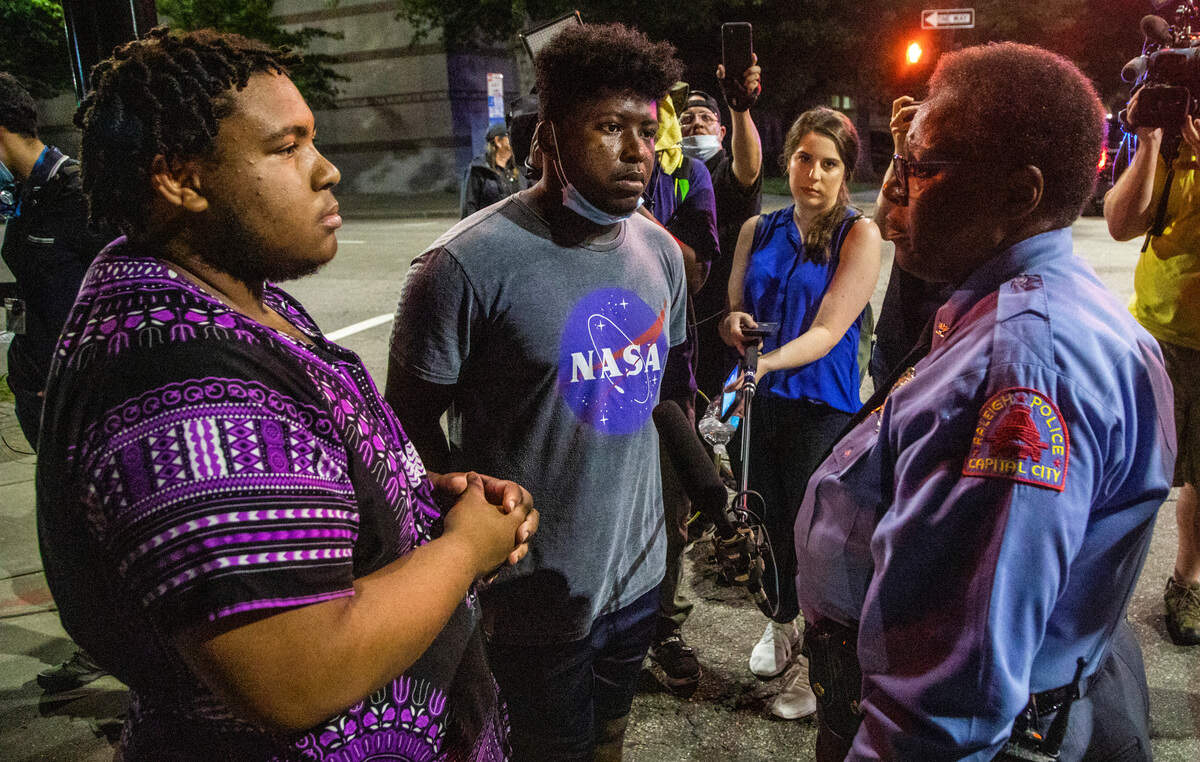
Bryant Riddick, 20, is one of eight leaders with U.N.I.T.Y, a group that’s been active in the protests in Raleigh. They are focused on restoring the relationship with police rather than abolish it.
“We have support of the Raleigh Police Department, they’ve been marching with us,” Riddick said. “We recognize that they are not all corrupted and there are those who are open and ready to listen and hold those who have abused the power accountable.”
One way to do that is through the legal system and meeting with lawmakers, particularly Republicans in the North Carolina state legislature, he said.
“We want to see laws put in place that will abolish systematic racism in the judicial system in Raleigh and North Carolina,” Riddick said. “And that will stop oppressing those who’ve been disadvantaged for decades, particularly the Black community.”
Riddick said they’re scheduling meetings with state senators, The Young Republicans and GOP leaders to discuss current laws and the changes that could be made to benefit those undeserved communities and their relationship with the police.
Taari Coleman, a 27-year-old organizer with N.C. B.O.R.N., said their group is also going to continue working to put pressure on legislators and help draft legislation. But regardless of how many bills are drafted that support their cause, Coleman said, if the right people aren’t sitting at the desk when it comes across, then they don’t get passed.
That’s why voting and educating the public on the scope of power of public officials like Mayor Baldwin and Gov. Cooper are important moving forward, she said.
At each protest, they’re focusing on registering people to vote and will be there to inform the public about new candidates or replacements if elected leaders get removed.
“We are interested in ensuring that residents of Raleigh are heard by leadership,” Coleman said.
Libia Milhouse of N.C. B.O.R.N. said the issues are bigger than Raleigh, but voting in local elections should be a focus.
“We need to start local,” she said. “That’s how we make change.”
Though none of these organizations plan on going away any time soon, it’s important to understand that individuals will determine what changes. They don’t need to wait for an organization to act, according to Baloch.
“There doesn’t have to be a formalized event to act on what’s next,” she said.
Staff writers Lynn Bonner and Chapel Fowler contributed to this report.
This story was originally published June 12, 2020 at 3:43 PM.