One piece at a time, a historic Raleigh home comes down and salvagers claim its parts
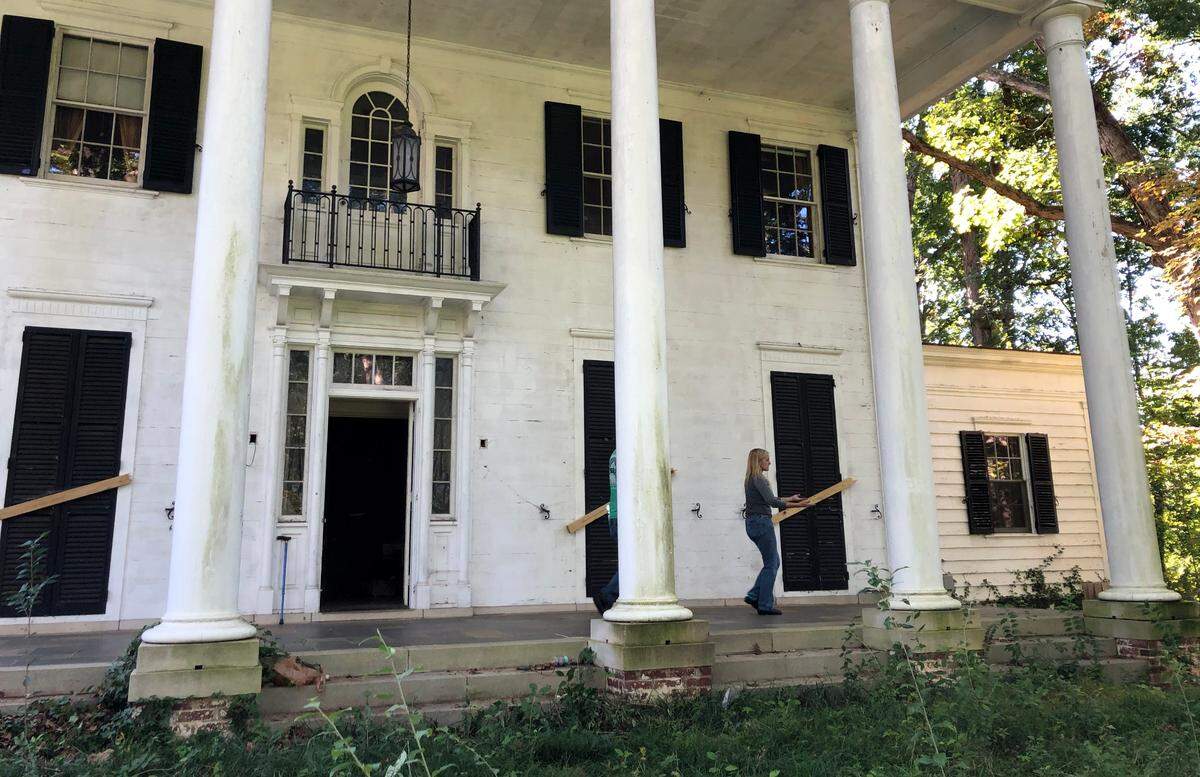
Residents along White Oak Road in Raleigh have noticed a lot of people coming and going lately from what many know as the historic Broughton house.
“I’ve seen them walking out of there with their arms full of stuff,” said Wilson Hayman, who lives next door. “It looked like they were having a garage sale or something.”
The garage is in fact for sale, along with every other room in the 3,446-square foot house. And each of their architectural and structural pieces and parts.
In an unusual liquidation sale, the home is being auctioned off and disassembled the way it was built in 1938: one piece at a time. Whatever is left after salvagers have come with their hammers and pry bars, reciprocating saws and shovels, will be bulldozed and hauled away.
‘A beautiful home ... at one time’
In late October or early November, the lot will be cleared and the nearly three acres the Broughton house once commanded will become four home sites in one of Raleigh’s most prestigious inside-the-Beltline neighborhoods.
“It’s a beautiful home. Or it was at one time,” said Hayman, who can see the two-story house from his.
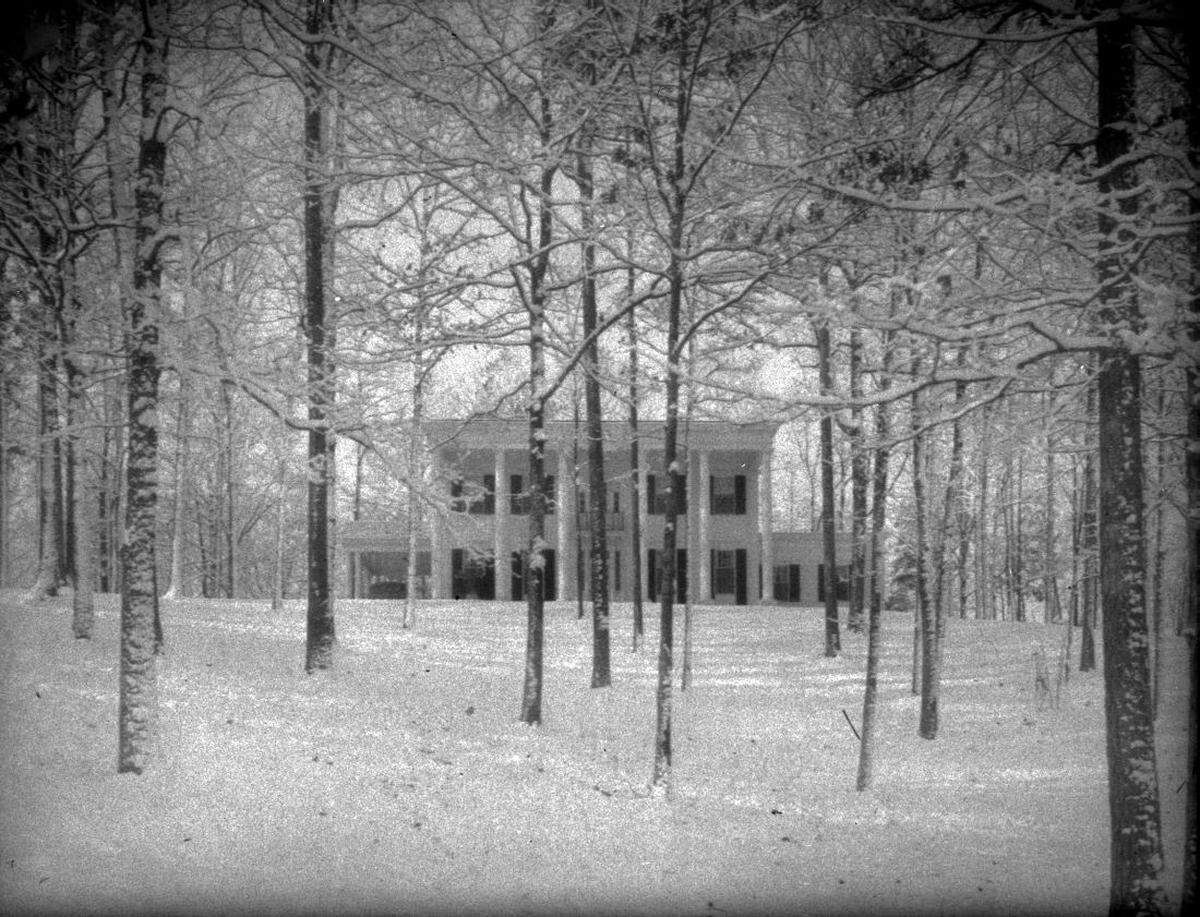
While known now simply as the White Oak Road section of Raleigh, the area where Irving F. Hall and his wife, Olive, bought land in 1936 to build a home is in the Anderson Heights area of town. The couple bought 10 contiguous lots that wrap around a high hill in a sharp curve on White Oak Road. They situated their house and porte-cochere across the three lots that occupy the highest point.
Hall was president of State Capital Life Insurance Company.
The Colonial Revival-style home would have been well suited for entertaining corporate executives and potential clients, who would have crossed the deep, slate-tiled front porch with its six columns and its treetop view on their way to the front door. They might have noticed the marble tiles on the floor of the wide foyer that spread into the dining room, and been intrigued by the gentle twist of the staircase to the second floor.
They might have had drinks in the living room, or been invited for a smoke in the dark-paneled library or the enclosed back porch, but they probably weren’t allowed into the small kitchen or into the three upstairs bedrooms, each with its own bath. The plainly dressed basement rooms, including a small den with a fireplace, were almost certainly off limits to casual visitors.
The home changes hands
The Halls sold the home in 1950 to a physician and it changed hands again in 1960 before finally being purchased by Robert Bain Broughton and his then-wife, Celeste, in the fall of 1965.
Broughton was a son of J. Melville Broughton, a former United States senator and governor of North Carolina from 1941 to 1945.
The couple later divorced and Celeste Broughton stayed in the home with her two sons. A bankruptcy court approved the sale of the home in June 2019 to pay debts, and it was sold at auction to a Cary couple, Anuj and Vinita Mittal, in October of that year.
While some neighbors and preservationists hoped the house would be rehabilitated, Johnny Chappell of Chappell Residential Inc. in Raleigh, who is marketing the property for the Mittals, said the buyer who chose the land where the house stands wants it taken down. The original lots have been recombined to create a total of four new home sites.
Each new site will be about three quarters of an acre, Chappell said. As of Thursday, two have sold. The properties were listed at $900,000 to $1.1 million each, Chappell said.
Chappell is not involved in the salvaging of materials from the home. That’s being overseen by Barbara Dillard, who said she has decades of experience working with antiques.
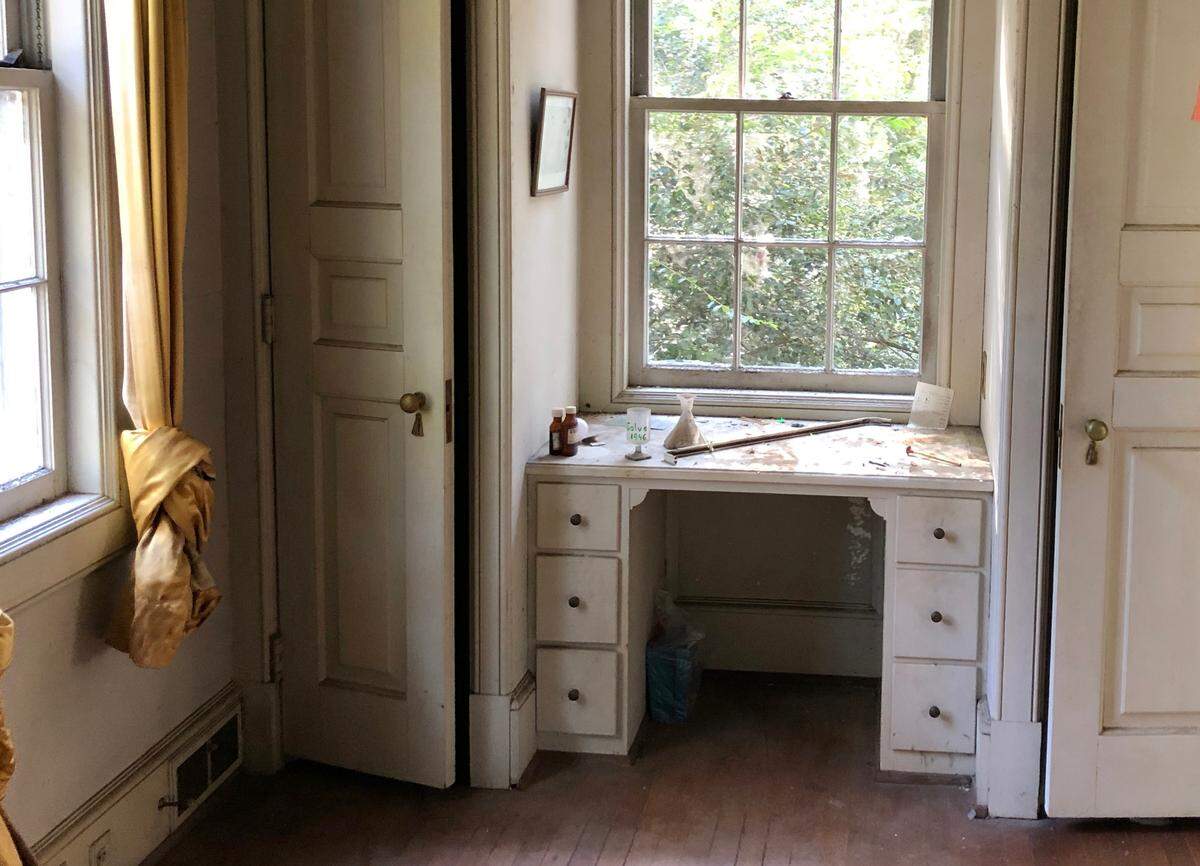
Earlier this week, Dillard picked through molded copies of Nancy Drew books and stacks of legal filings, bags filled with clothing and cabinets still stocked with toiletries, to sort trash from sellable items. By appointment, Dillard allows interested salvagers to visit the house and bid on elements they would like to remove.
‘We don’t want anything to go to waste’
Bits of paper with handwritten bids are taped to the solid pine doors. Someone has a claimed a window here, a cabinet there. One person wants the marble tiles from the dining room, another has dibs on the slate from the porch.
“We’re trying to reuse or recycle every bit of this that we possibly can,” Dillard said, pulling a set of glass candle holders from a box in the basement. “We don’t want anything to go to waste that doesn’t have to.”
Myrick Howard, president of Preservation North Carolina, said he hated to hear that the house will be sold as salvage, a process seen as an absolute last resort by preservationists because, like archaeological finds, the elements of a historic home lose their significance once removed from the context of the house they comprised.
Hayman, the neighbor, feels the same way.
“It’s a piece of our past that will be disappearing,” he said. “I’m very sad about that.”
Serious salvagers can make an appointment to visit the house by contacting Barbara Dillard at bdillard19@yahoo.com. The house is not open to the public.
This story was originally published October 23, 2020 at 8:00 AM.