‘Love at first bite:’ Family of pioneering Raleigh chef mark anniversary of his death
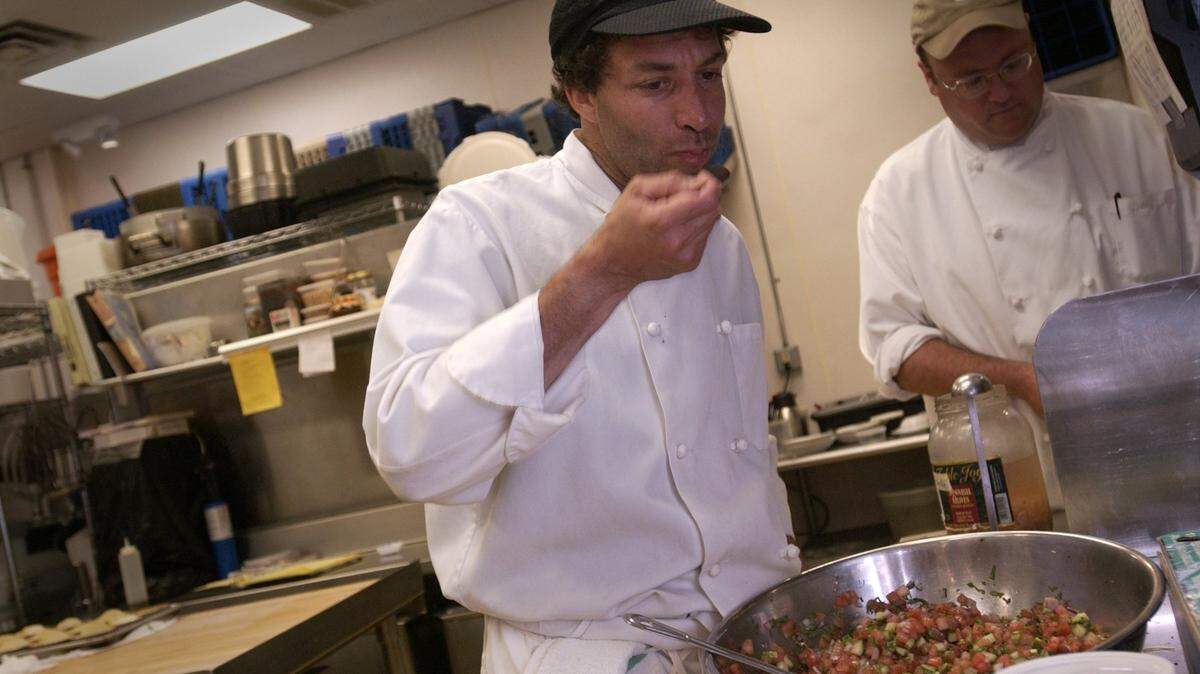
The first meal Sarig Agasi made for his future wife, Nancy Agasi, was wild boar stew, not exactly what she was expecting when visiting a kibbutz in Israel.
The kibbutz where Sarig grew up bordered Lebanon, and wild boars would sometimes roam through the mountains there and make their way to the community’s avocado groves, rooting up irrigation pipes and causing other forms of destruction. The resulting stew shocked Nancy, she said, but set the tone for Agasi’s entire cooking career, one driven by seasonality and circumstance, of cooking what’s fresh in the moment, eventually leading to one of the Triangle’s pioneers of seasonal and farm to table cooking. His restaurants Butterflies and Zely and Ritz are considered ahead of their time.
“I did eat that wild boar stew,” Nancy Agasi said recently in a telephone interview. “It was love at first bite.”
Dec. 4 marks three years since the death of Sarig Agasi, who took his own life. The husband and father of three had been diagnosed with depression, family members said, though his death shocked them.
“It was a big loss,” Nancy Agasi said. “It was difficult to see him struggle and I think that maybe because of the stigma. ... I didn’t see it coming. So this is something we grapple with.”
This year, Agasi’s three adult children, Ziv, Geffen and Maytal, spent the pandemic summer crossing the country and hiking through 20 national parks. To commemorate the anniversary of their father’s death, Geffen and Maytal will hike 26.2 miles, the length of a marathon, in Big Bend National Park in southwest Texas. Their father was an avid runner, completing 10 marathons and sometimes running from their North Raleigh home to their restaurants.
With the hike as a tribute to their father, the Agasi siblings are raising funds for the Quell Foundation, a mental health advocacy group. The GoFundMe they set up met its initial $1,500 goal in just a few hours and has now collected more than $9,000..
“We’re doing this to bring awareness to mental health,” Maytal said. “It might be scary to open up and have a conversation, but it’s the only was to destigmatize these issues.”
When the Agasi children told their mom about the GoFundMe idea, she wasn’t sure people would donate money as most budgets are strained after months of the COVID pandemic. She said the success of the campaign, nearly tripling its goal at this point, is a result of Sarig’s wide influence in the community.
“I couldn’t be any prouder of them for embarking on this journey,” Nancy Agasi said. “Sarig was a larger than life figure. I think he had wide reach across all sorts of people. I think this touched on a nerve and in this time of COVID, mental health is an especially important issue. We’re all struggling and living in isolation.”
A culinary career
Sarig attended culinary school in San Francisco and worked at New York restaurants Bouley and Lespinasse, considered two of the country’s finest restaurants of their generation. The Agasis moved to North Carolina in the mid-90s and Sarig worked as sous chef at the acclaimed Durham restaurant Nana’s with chef Scott Howell.
In 1999, the couple opened Butterflies, a fine dining Mediterranean restaurant in North Raleigh, which led News & Observer dining critic Greg Cox to call Agasi a “culinary talent to be reckoned with.” That restaurant closed in 2003, and two years later Sarig and Nancy would open Zely and Ritz, a tapas bar on Glenwood South, then the heart of Raleigh’s restaurant community.
Zely and Ritz, a name created by combining the names of Sarig and Nancy’s grandparents, was one of the first restaurants in the Triangle to experiment with communal seating. The Agasis opened the restaurant with backing from Richard Holcomb, a tech executive who became a fan of Agasi’s cooking at Butterflies. Holcomb owned Piedmont Restaurant with his wife, Jamie Dement Holcomb, until it closed earlier this year.
Farm to table and seasonal cooking is commonplace today, but Zely and Ritz was one of the first to think of the seasons as extensions of the ingredients themselves.
Nancy Agasi said the communal living of Sarig’s kibbutz forever connected his cooking to the seasons. Every week, the families would get a basket of fruits and vegetables, whatever was ripe in that moment.
“There was no chance you would get a fruit out of season,” Nancy Agais said. “That was just not a thing. Once I asked Sarig’s father about it and he said, ‘We live in the Garden of Eden. We eat when things are ripe.’”
And that’s how it was a Zely and Ritz, with Coon Rock Farm supplying the bulk of ingredients, and Sarig’s kitchen turning them into dishes.
“It was pretty groundbreaking,” Nancy Agasi said. “Richard would plant the seeds and grow the vegetables and raise the protein. He would grow everything we would need and bring it to the restaurant. We would compost it and send it back to the farm; it was a closed system.”

Growing up in a restaurant
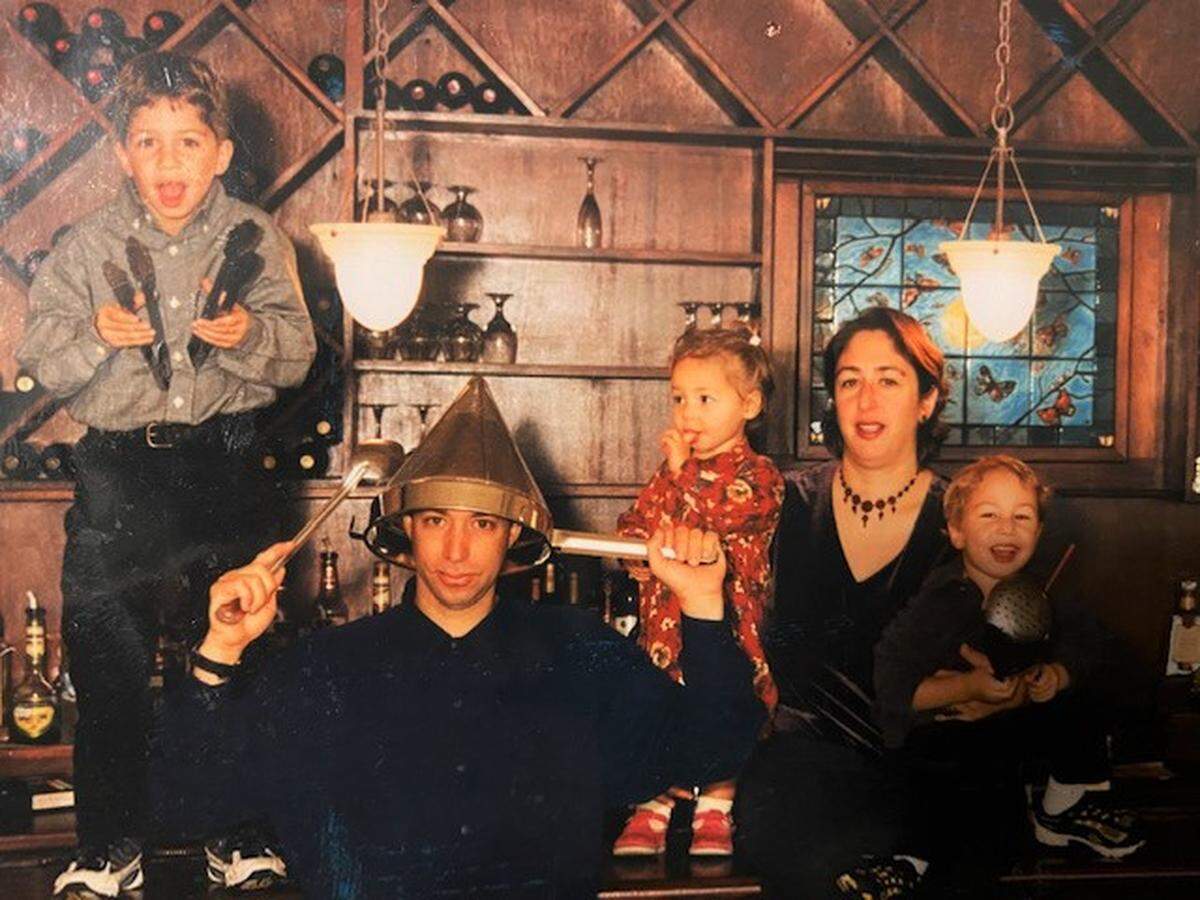
For children of restaurant owners, the family business is a way of life. It was Ziv’s first job and for Maytal, born eight days before the opening of Butterflies, the restaurant office became her nursery.
Six of the seven days in the week, Sarig was working in the restaurant, they said. But on Sundays, the family cooked together.
“I think more than anything, he loved being our dad, and so on Sundays he got to do that the most,” Maytal said.
The garden in the family’s backyard would yield buckets of peppers and tomatoes and cucumbers. The Agasi kids encountered roast quail before chicken nuggets. They’d ride with their dad as he talked to vendors on the phone, explaining calls with “That was my rabbit guy.” They called their dad “Sauce Man,” as if what he could do with a few ingredients in a pan or a risotto was some kind of superpower.
“We had awesome food all the time; our dad exposed us to so many flavors, all three of us have a love for cooking,” Geffen said.
A community
The dining room was marked by a long communal table, sometimes feeding a half dozen different groups, sometimes hosting 18 people elbowing in for a spot.
“We wanted to build community around a shared love around food and wine and supporting sustainable agriculture,” Nancy Agasi said. “It was family style eating; we wanted to create this family.”
That family extended beyond the restaurant, the Agasi family said.
“He leaves an incredible legacy,” Nancy Agasi said. “Even though he’s gone, he speaks very loudly and I think a lot of people hear him. I try to take that with me.”
How to help
To make a contribution to the GoFundMe campaign in honor of Sarig Agasi, visit: www.gofundme.com/f/marathon-hike-in-honor-of-sarig-agasi.