Triangle food banks losing federal support, but demand is still soaring due to COVID-19
Local food pantries are serving more families because of the pandemic, but with the high demand and a key federal program running out of money early, they’re struggling to get everyone the food they need.
In May, the Trump administration launched the Farmers to Families Food Box program to purchase and distribute agricultural products to those in need. It became an essential resource for struggling farmers, food banks and unemployed Americans facing food insecurity because of COVID-19.
The $4.5 billion program went through four rounds of funding, starting with $1.2 billion in the first round last spring and ending with $500 million in the last round for November and December. It was supposed to run through Dec. 31, but “soaring demand and a shortage of federal money” forced it to end a month early in some parts of the country, impacting some companies that serve North Carolina, the Washington Post reported.
The U.S. Department of Agriculture, in a statement, acknowledged that latest round of less funding “resulted in some non-profits being unable to participate and fewer box deliveries,” according to The Post.
David Juarez Torres, director of the Durham Community Food Pantry, said the pantry has already run out of Farmers to Families boxes and can’t get any more this month. Just from that program alone, the pantry was getting 10 pallets of food to give out for free.
“We’re not going to stop our operations,” Juarez Torres said. “But the reality is that our families will probably be receiving less food up until we’re able to get back into that.”
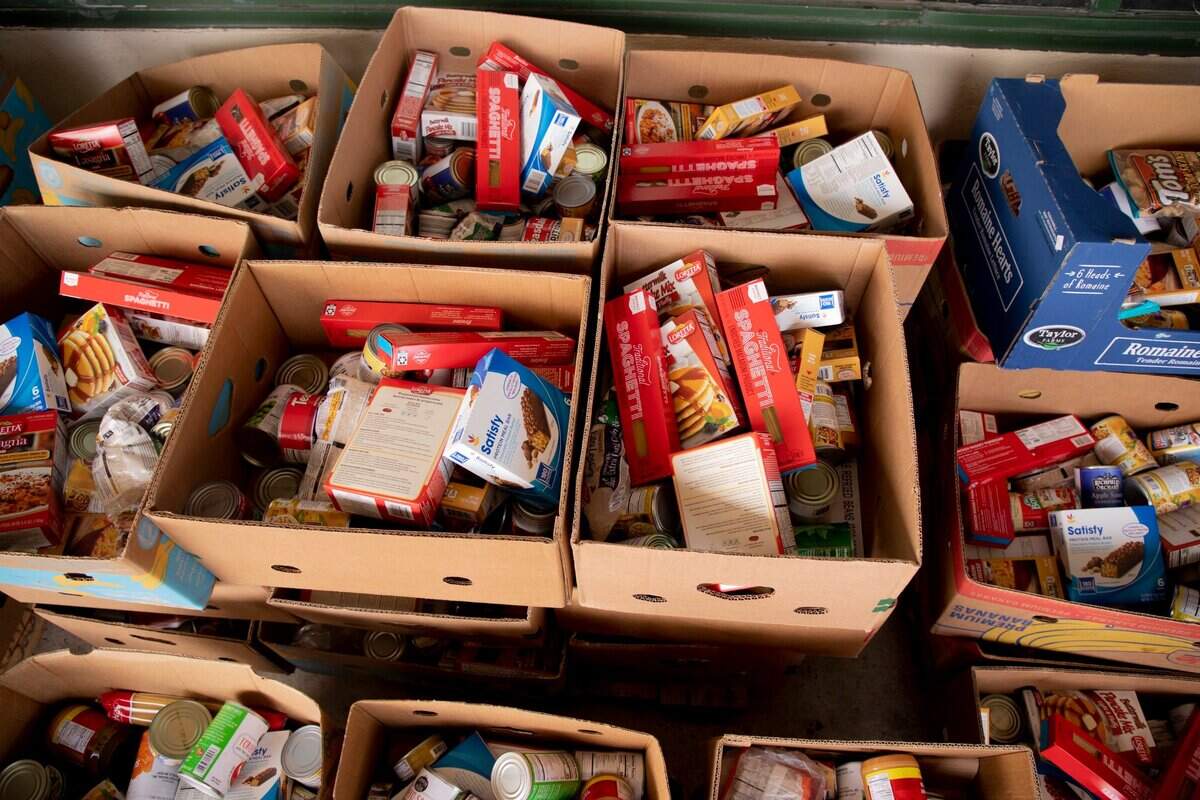
A higher demand for food
The Durham Community Food Pantry, a program of Catholic Charities of the Diocese of Raleigh, is one of the largest food assistance programs in the Triangle. It also helps individuals with case management, limited financial assistance and a nutritional educational program.
Unemployment and cyclical poverty aren’t new to Durham, but those issues have gotten worse because of the pandemic, Juarez Torres said.
Before COVID-19 hit, the food pantry was serving about 1,000 people a month. Now, it’s averaging about 5,000 people per month. And many of them are people who’ve never had to seek out food assistance before.
Some people are coming in saying they were making a $60,000 salary or have a nice car and are concerned about how they’ll be perceived because they appear well off, Juarez Torres said. The reality is that they suddenly lost their job or have applied for unemployment and are still waiting for their check a month later.
“You can’t not eat and your family can’t not eat,” Juarez Torres said. “There’s been a lot of people coming to terms with the position that they’re in.”
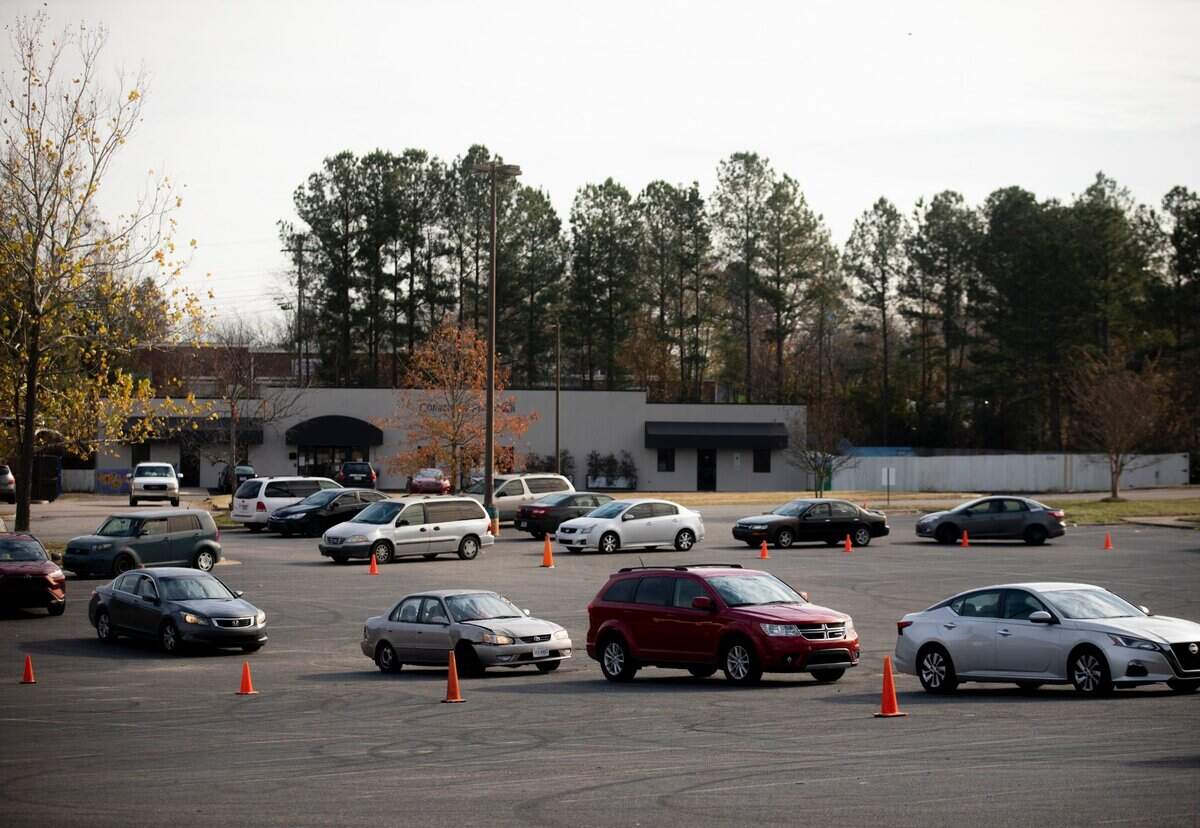
The pantry now has three distributions each week from 10 a.m. to 1 p.m. on Wednesdays and Thursdays and from 5-7 p.m. on Wednesday nights. They offer fresh vegetables and fruits, frozen meats, breads, dairy products, dry goods and canned goods, depending on the supply.
A family typically gets 70-100 pounds of food, which is designed to feed them for about a week, but they can stretch that however they need to.
“As the economy is ‘reopening’ that doesn’t eliminate the need,” Juarez Torres said. “It is a big source for working families.”
The food pantries and soup kitchens get donations from local churches or company food drives to give out meals and groceries for free. But they purchase the bulk of their food from wholesale vendors and local food banks.
The USDA is expanding the Coronavirus Food Assistance Program, of which Farmers to Families Food Box is a part, and Juarez Torres hopes the pantry will benefit.
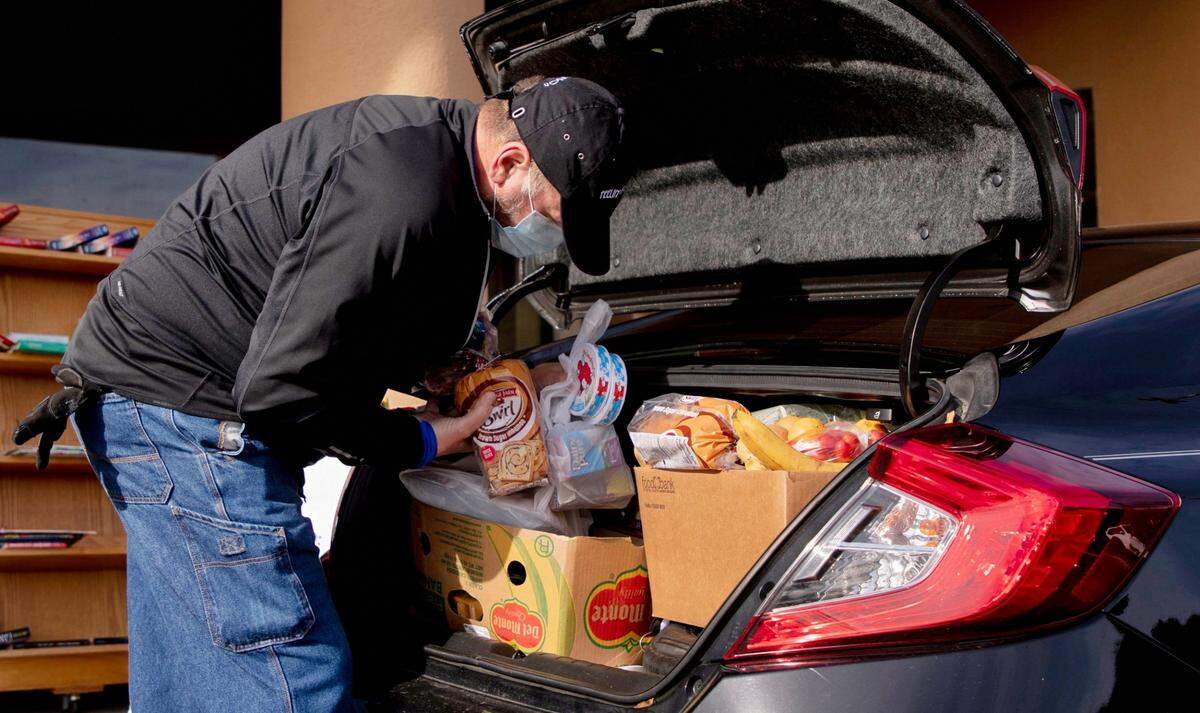
Food banks losing federal support
The Food Bank of Central & Eastern North Carolina, which serves 34 counties around the state, also saw a staggering spike in need. The food bank works with a network of partner agencies like pantries, soup kitchens and shelters to get food into the hands of those who don’t know where their next meal is coming from.
Spokesperson Jessica Whichard said about 250,000 more people are coming to them this year than last year, a 38% increase.
The pandemic caused an additional need for children who weren’t able to get their meals at school anymore. The food bank typically runs a federal nutrition program every summer, but this year it ran while school districts were operating online to meet that need. In addition to schools, the food bank worked to connect with organizations that are serving migrant farm workers who might not be asking for help.
The initial challenge in managing the demand was the food supply chain slowing down almost immediately after the pandemic began in the spring. The food bank lost donations from grocery retailers, agriculture partners and food manufacturers, which provide the majority of its food.
Stock on the shelves was low, prices increased and it took several more weeks to get a trailer-load of produce to distribute.
The food bank is not in “dire straits,” Whichard said, but doesn’t know how long that increased demand will exist.
With less food being donated, the food bank had to buy it, and federal programs like the Coronavirus Food Assistance Program helped fill that gap.
Carter Crain, director of food partnerships, said they’ve needed it while they are feeding hundreds of thousands of more people this year, but knew it wasn’t a sustainable part of the operation.
“We’ve always viewed that program and food coming in as extra,” Crain said. “We wanted to see if we could provide that to as many families in North Carolina as we could but we knew it was all going to be ending at some point, so we’re trying to prepare for that.”
The food bank is part of Feeding America, a network of more than 200 food banks across the country. The organization’s chief executive, Claire Babineaux-Fontenot, told the Washington Post that food banks are set to lose “about half of the food they have been receiving free from the federal government.”
The Food Bank of Central & Eastern North Carolina has adjusted and worked with local partners to get consistent donations.
“We kind of knew that some of this influx of food was going to fall away,” Whichard said. “It’s allowed us to be strategic so that we can make up the difference where at all possible to make sure that there’s not that kind of cliff when the federal programs go away.”