
‘It’s OK to take the vaccine’: Head of nursing group entered trial to alleviate fears
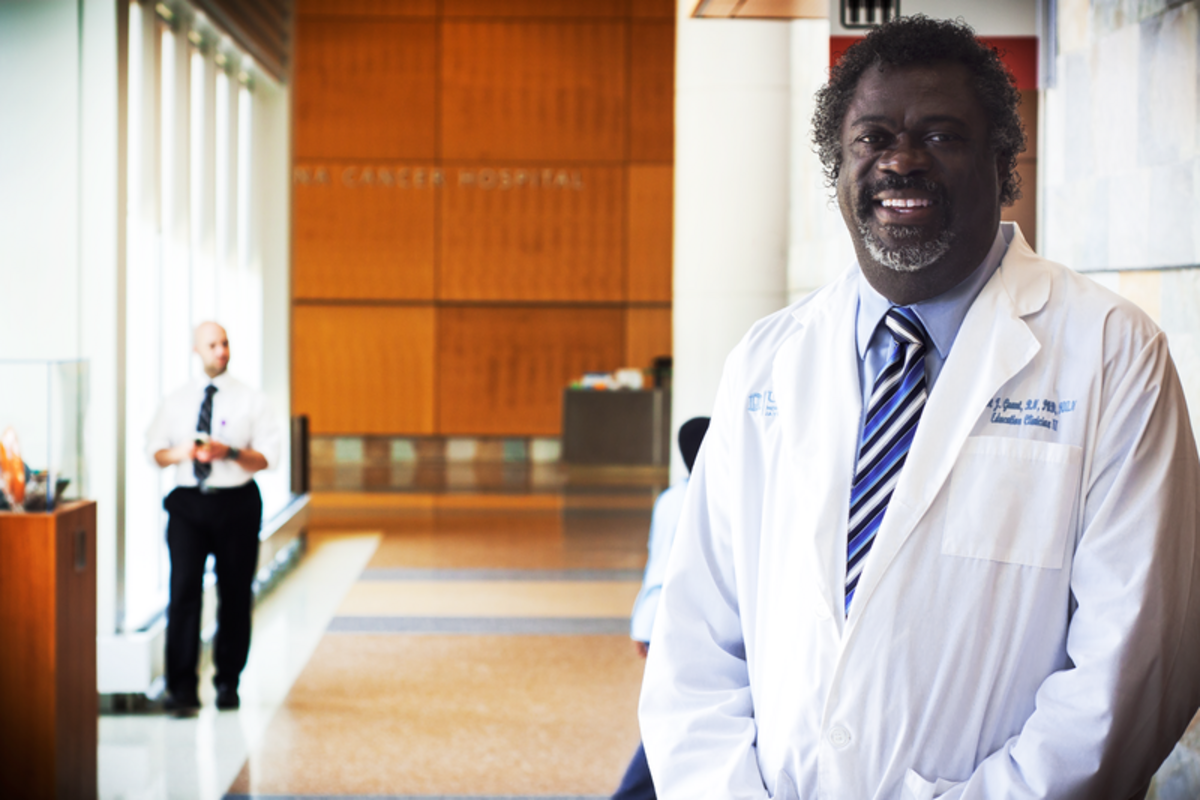
In high school, Dr. Ernest Grant never thought that one day he would hold an important position at one of the country’s top burn centers, or participate in a vaccine trial in the middle of a historic pandemic.
“I tell people my life’s dream was to be an anesthesiologist and drive a lime green 1968 Mercury Cougar,” Grant said in an interview with The News & Observer. “If you saw the car you’d understand why.”
But after graduation, he entered a nursing program at Asheville Buncombe Technical Community College, and a new path opened for him. He found helping people to be fulfilling.
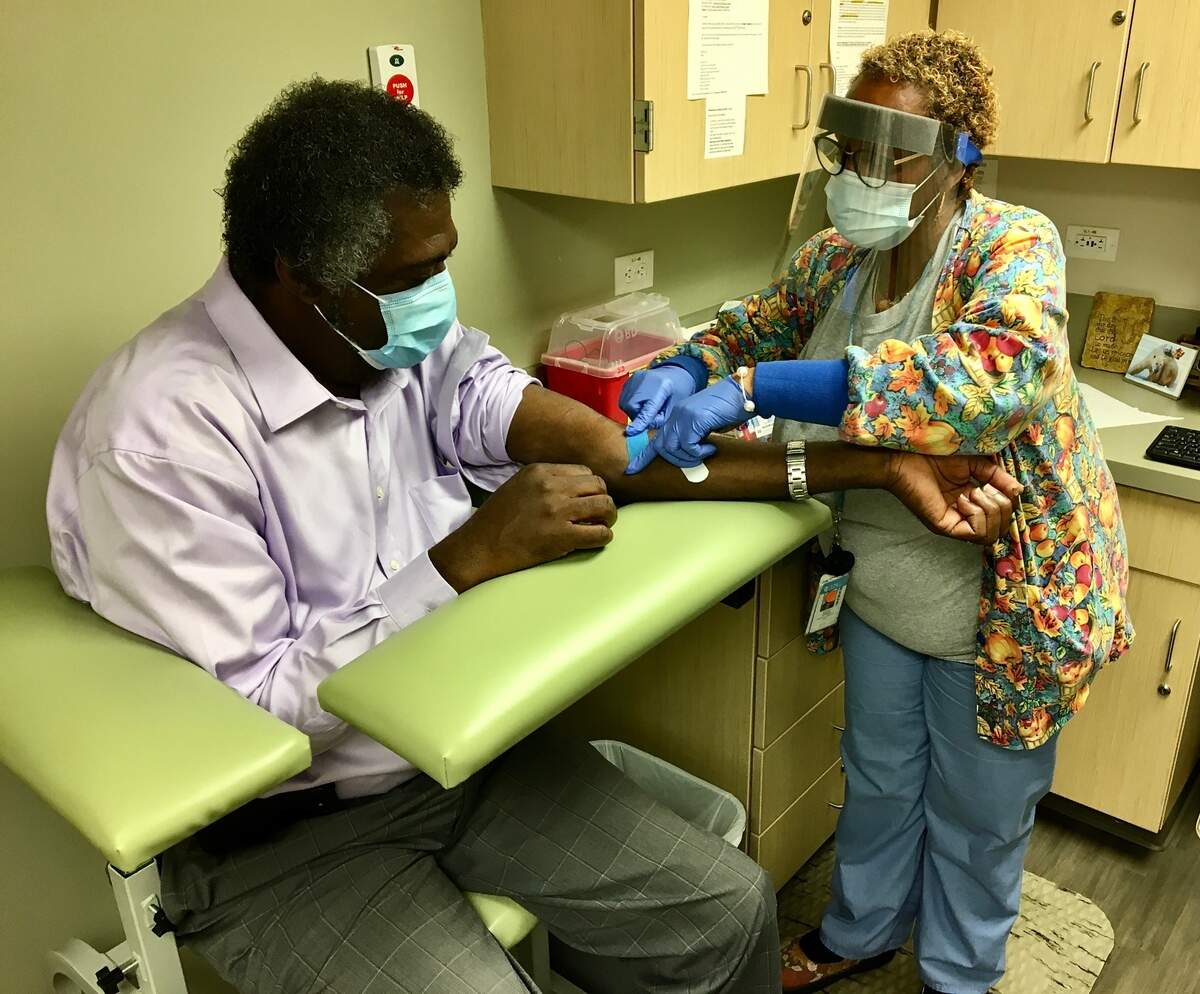
This fall, Grant, a former coordinator for the North Carolina Jaycee Burn Center at UNC and the current president of the American Nurses Association, participated in COVID-19 vaccine phase three clinical trials hosted by University of North Carolina researchers.
Grant, an RN and PhD who lives in Chapel Hill, signed up for the trial to show solidarity with the 4.3 million registered nurses across the country, and to convince members of Black and brown communities that it’s OK to take the vaccine.
“My doing this hopefully will alleviate any concerns that other Black and brown people may have,” Grant said. “There’s already the established distrust of the health care system, particularly when it comes to doing clinical trials, so I would hope again that they’re seeing someone who looks like them, who is in a most trusted profession, being able to step out and say ‘I did it, I have not suffered any consequences. It’s OK.’”
Without a vaccine, it’s almost like Russian Roulette
Working in healthcare, being a Black man, and being 62 years old puts Grant in three high risk categories for the coronavirus.
“It’s almost like you’re playing Russian Roulette,” he said. “You know eventually you’re going to get it, so if I knew that there was a vaccine that is out there that could prevent me from catching this virus and subsequently maybe costing me my life, but still allow me to live a full productive life … I would definitely do that without any hesitancy.”
Though Grant felt confident in participating in the vaccine trial, some in his family were worried.
“There was some hesitancy from some of my family when I was telling them about it,” he said. “You know, ‘Are you sure that this is what you want to do?’ And I said yes because of the way things have been explained to me. The people at the clinical trials units, they were very transparent and answered all my questions and concerns.”
He adds, “I was able to relay that information to people who were feeling uncomfortable about me doing that, but I didn’t have any hesitancy whatsoever.”
Grant has told his family that once the vaccine is available to the general public, they need to take it.
Vaccine trial a chance to help mankind
The vaccine in Grant’s trial comes in two doses, with three weeks between the first and second shots. Both shots need to be taken in order for the vaccine to be fully effective.
Grant knew there was a chance that he and some other participants might receive a placebo as part of the trial, instead of the vaccine.
But after receiving his second shot, he started to experience side effects like extreme fatigue and chills. He checked in with the clinical trials unit to report the symptoms, then went about his day. By 4 p.m., those symptoms went away and “ever since then [he has] felt perfectly fine.”
He wants people to understand and trust the vaccine — to know the differences between the COVID-19 vaccine and other vaccines, such as seasonal flu vaccines. (People often assume that getting a vaccine means that they’re getting a part of the infection, but that is not the case with this vaccine — the COVID-19 vaccine will not give you COVID.)
He believes the trials should “alleviate any fears and concerns by stating that we have the evidence proof here of how effective this [vaccine] is . . . You have a system of checks and balances and there are guidelines, there’s ethical standards, there’s review boards, there’s the FDA that has to approve of everything that has been done.”
Grant described the moment he got the vaccine as one of empowerment.
“I still saw myself as helping mankind, particularly not knowing what the outcome could be,” he said. “But this is what it takes in order to advance health and health care.”
And helping people is what it has always been about for Grant.
“Throughout my whole career . . . I could truly say that I would come home every day and realize that I truly did make a difference in someone’s life that day, either helping someone to transition from this life to the next or easing someone’s pain,” he said.
This story was originally published December 17, 2020 at 10:16 AM.