As COVID vaccination slowly ramps up, the first of the second doses arrive in NC
The distribution of COVID-19 vaccine reaches a milestone this week as the first people to be inoculated in North Carolina get the second dose needed to make it fully effective.
The first doses of the COVID-19 vaccine developed by Pfizer and its German partner BioNTech were given to a small number of hospital employees on Dec. 14. Since then, tens of thousands of hospital workers across the state have received their initial doses.
But Pfizer and the Food and Drug Administration say a second dose must be given about 21 days after the first to make the vaccine 95% effective. Duke University Health System, which was the first to begin vaccinating workers in the Triangle, began administering second doses on Sunday, said Gail Shulby, who oversees vaccination planning.
“FDA guidance says 4 days before or after the precise 21-day date is allowable for the second dose,” Shulby wrote in an email.
Both doses of the vaccine are identical. The federal government keeps the second doses in reserve and allocates them to the states, which then passes them on to hospitals as the second shot is due.
“This week’s second dose allocation matches the amount of vaccine we received the first week that shipments were made,” Shulby wrote.
The first vaccinated workers at UNC Health began receiving their second doses on Tuesday at the Medical Center in Chapel Hill and the hospital in Hillsborough and on Thursday at UNC Rex in Raleigh, said spokesman Alan Wolf. As of Tuesday, more than 14,000 employees had been vaccinated at UNC Health, which has a dozen hospitals across the state.
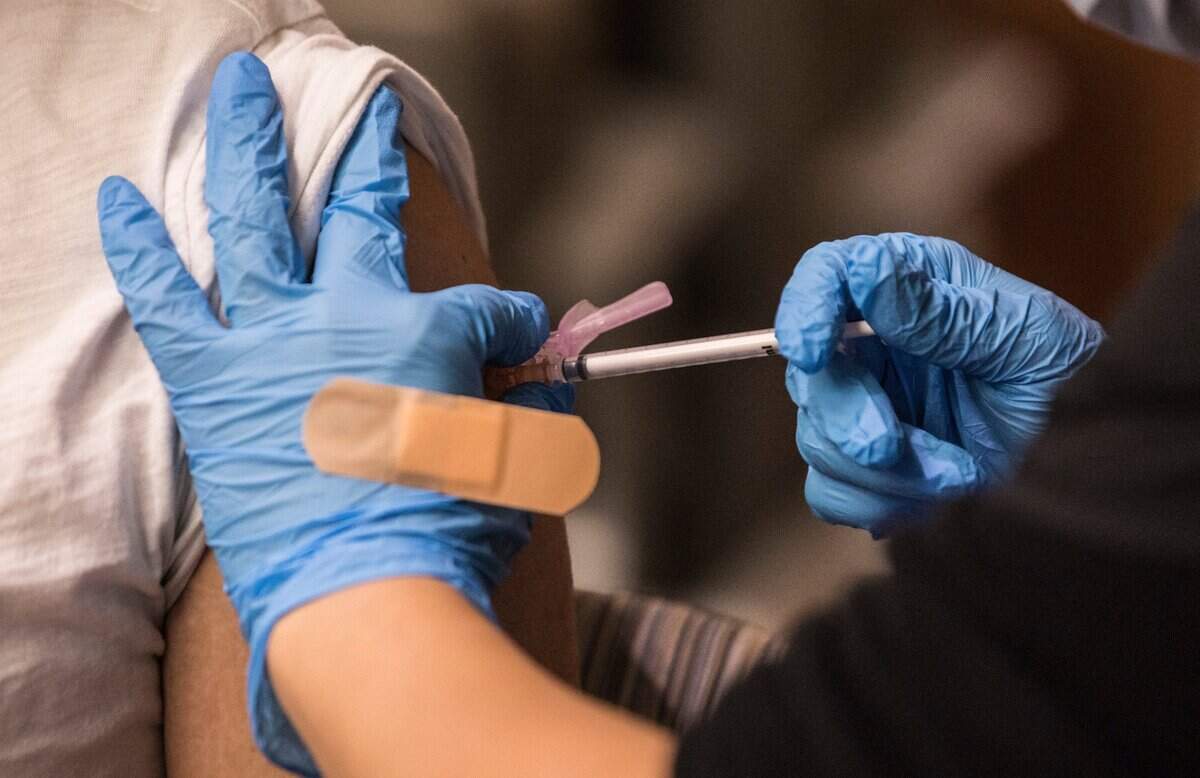
WakeMed began administering second doses to its employees on Monday, the first day they were eligible, said Dr. Chris DeRienzo, the chief medical officer. WakeMed tries to schedule the second dose just before an employee has a day or two off, because the potential side effects, such as fever, chills, fatigue and headache, are more common after the second dose, according to the Centers for Disease Control and Prevention.
“So folks really should not be scheduled to work that day if possible,” DeRienzo said.
WakeMed is now scheduling about 4,000 vaccinations a week, DeRienzo said. On Monday it began bringing in the first of 700 independent primary care doctors and other health care workers who are affiliated with the hospital system but aren’t directly employed by it, he said.
DeRienzo has volunteered at some of WakeMed’s vaccination clinics and says the reaction among people who have been working with COVID-19 patients for months is striking.
“The joy in people’s eyes was palpable,” he said. “You can just see the relief in their faces.”
Front-line hospitals workers get top priority
Both COVID-19 vaccines approved for emergency use in the United States require two doses to be fully effective. The second dose of the Moderna vaccine, which arrived in the state the week of Dec. 21, must be given about 28 days after the first.
The state’s plan for distributing the vaccine gives top priority to hospital employees who work with and around COVID-19 patients, including doctors and nurses but also translators, transport workers and custodial staff. The first phase also includes long-term care facility residents and staff, who receive the Moderna vaccine from CVS or Walgreens through a partnership with the federal government.
As of last Tuesday, about 110,000 North Carolinians had received a first dose of vaccine, in a state with more than 8 million residents age 18 or older. The slow pace of the vaccine rollout has caused some debate over whether to delay or forego the second dose to allow more people to get the first shot sooner.
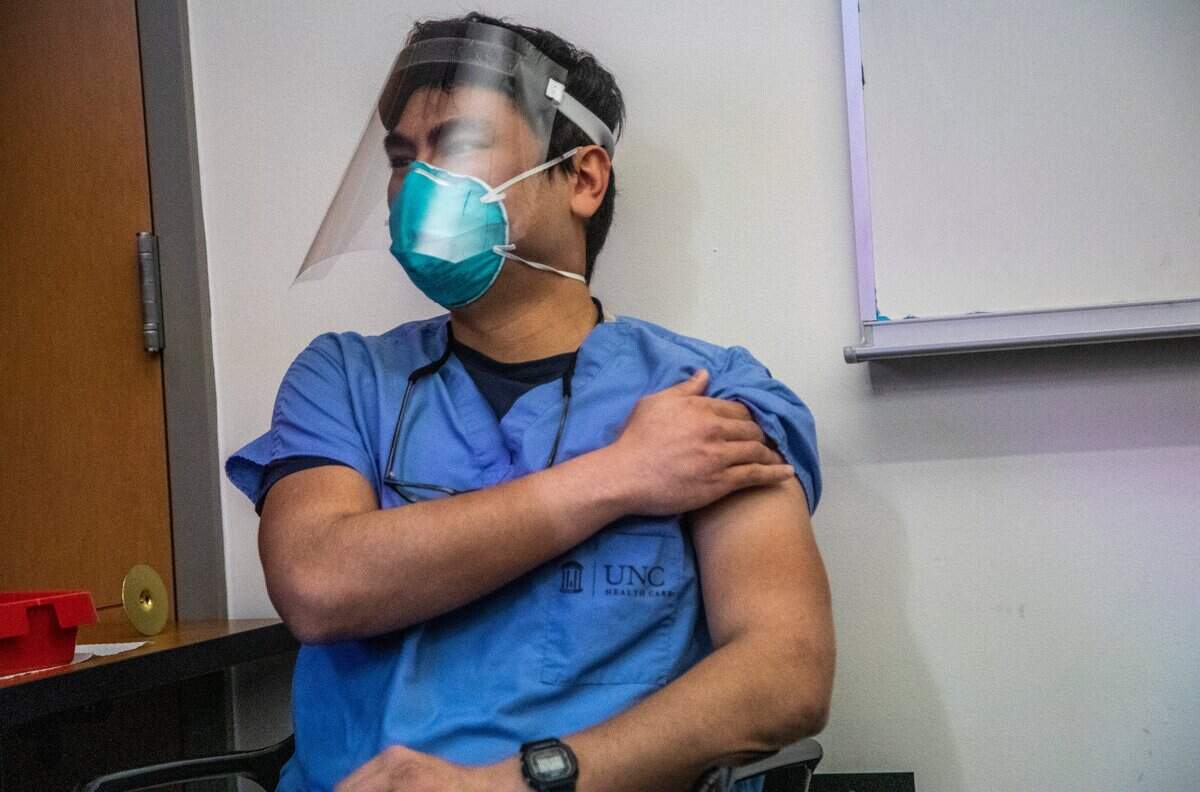
The FDA says its decision to authorize use of the Pfizer vaccine on an emergency basis was based on the effectiveness and safety of two doses, not one. The CDC says the data on the effectiveness of a single dose is “limited.”
A study published in the New England Journal of Medicine last month found that the Pfizer vaccine was 52% effective in preventing coronavirus infection between the first and second dose, though the researchers said their work was not designed to assess the effectiveness of a single dose. They found the vaccine was 91% effective in the first week after the second dose, slightly lower than in the clinical trials cited by the FDA.
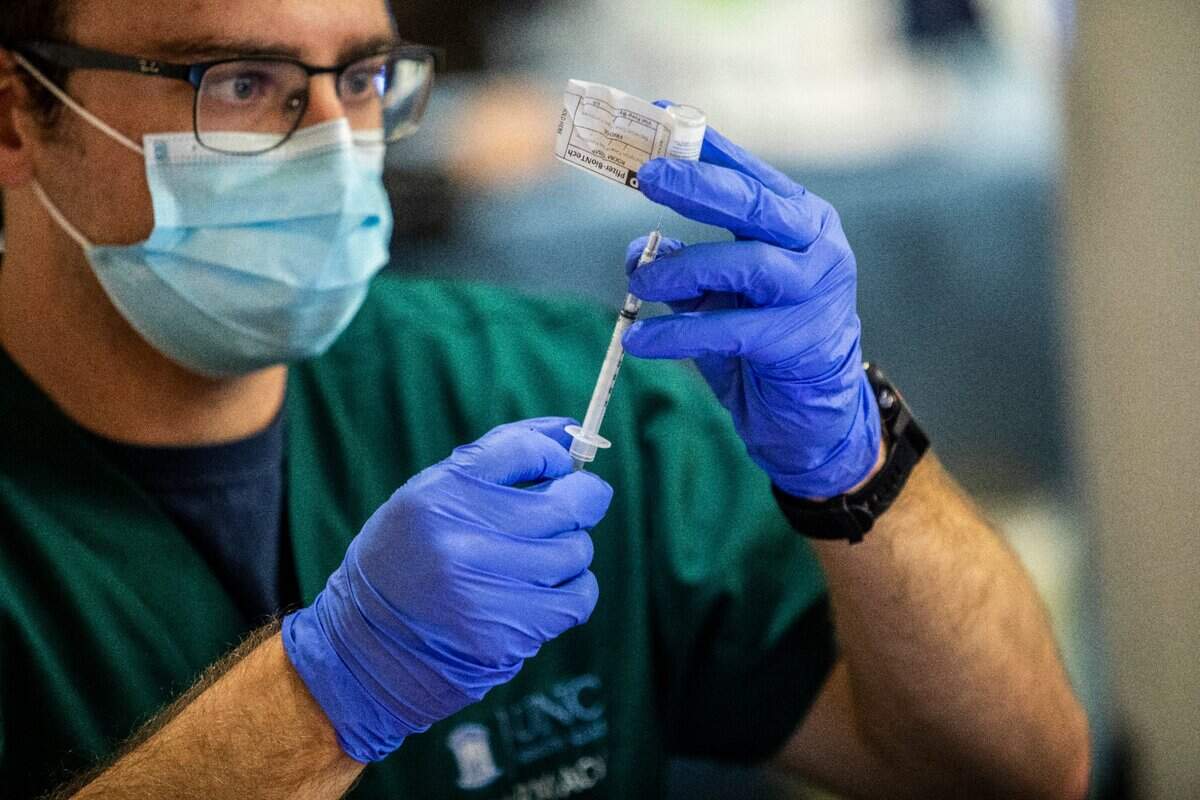
The head of Operation Warp Speed, the Trump administration’s effort to develop and distribute COVID-19 vaccine, said on CBS’ “Face the Nation” on Sunday that withholding the second dose of either vaccine without more data would “not be responsible.”
But Moncef Slaoui said his program was talking with Moderna and the FDA about the possibility of giving two half doses of the Moderna vaccine to extend the supply. Slaoui said data shows that giving two half doses of the Moderna vaccine to people between ages 18 and 55 could work just as well, “achieving the objective of immunizing double the number of people with the doses we have.”
“We know it induces identical immune response,” he said. “Of course, ultimately it will be an FDA decision.”
This story was originally published January 5, 2021 at 12:06 PM.