Hemp or weed? Debate fuels court fight over 3,300 pounds of product seized at NC airport
A legal fight over almost 3,300 pounds of hemp seized in Charlotte could come down to the decimal points that determine whether the substance was a weed ... or weed.
On Nov. 8, federal law enforcement agents confiscated the shipment headed from Oregon to Switzerland during a refueling stop at Charlotte Douglas International Airport.
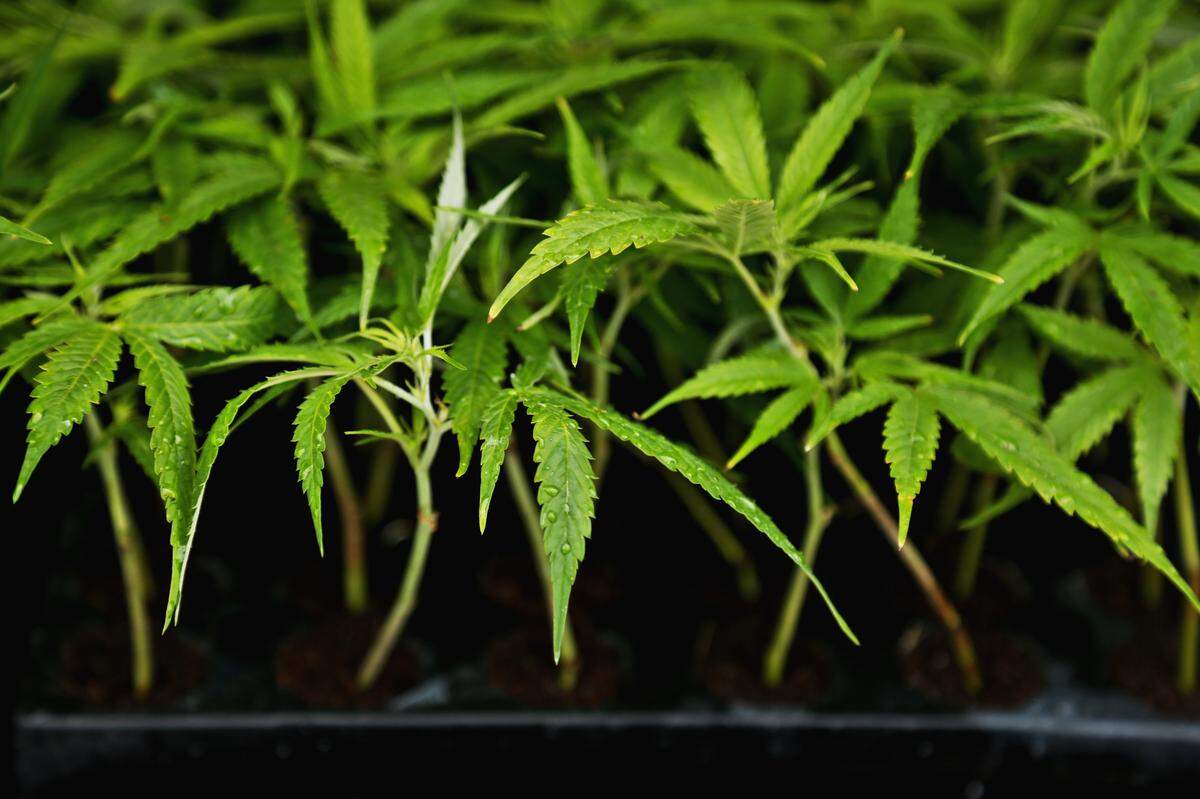
The distributor, We CBD, which has ties to Oregon and North Carolina, says the hemp was legal and had been grown under a federally approved pilot program. The shipment also arrived in Charlotte with all required compliance documentation, according to the company’s court filings this month.
However, U.S. Customs and Border Protection claims that airport testing revealed that more than 80 percent of the product — almost 2,800 pounds — actually was marijuana.
In a March 19 lawsuit filed in Charlotte, the company petitioned the federal courts to settle the dispute. It also asked U.S. District Judge Frank Whitney for an emergency order to protect the disputed hemp/marijuana — only to learn over the weekend that federal Border Patrol agents already had destroyed it.
Meanwhile, the lawsuit, filed by Charlotte attorneys Will Terpening and Carlin Robertson, alleges that the Border Patrol is keeping an additional 550 pounds of legal hemp hostage until the company agrees not to sue the agency over the November seizure.
Lindsay Williams, public affairs officer for U.S. Immigration and Customs Enforcement, told the Observer in an email that the agency does not comment on ongoing investigations or court cases.
The U.S. Attorney’s Office of Charlotte, which is representing the Border Patrol in the lawsuit, also said it could not comment, according to spokeswoman Lia Bantavani.
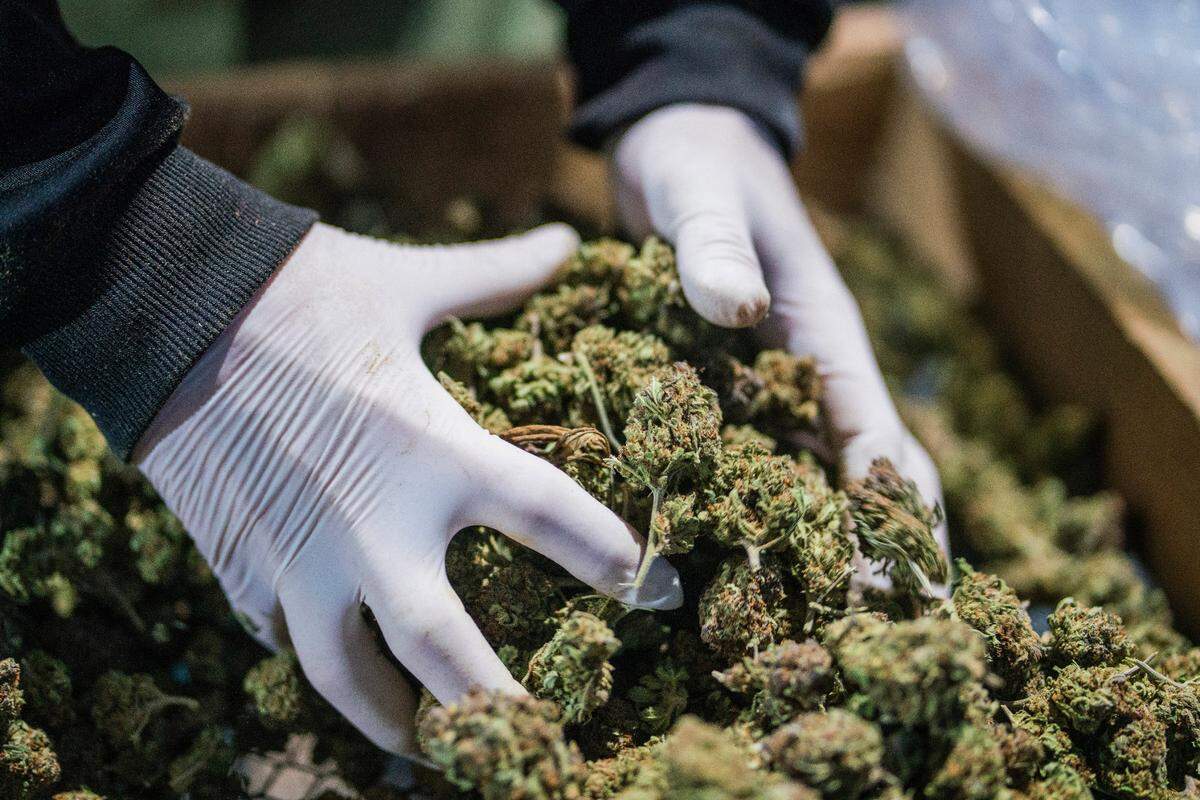
Hemp or marijuana?
The genetic difference between hemp and marijuana is minuscule. But it is also at the center of a growing national legal fight that has now reached the federal courts of Charlotte.
Hemp was once considered one of the country’s most versatile and profitable cash crops. But it eventually fell victim to guilt by association due to its close genetic ties to cannabis.
In 2018, hemp was legalized across the United States for uses in everything from medicine to food, paper and clothing — as long as the level of tetrahydrocannabinol in the plants doesn’t exceed 0.3 percent of its dry weight. Otherwise, it’s considered marijuana. THC is what gives marijuana its so-called high.
While the recreational use of marijuana is now legal in about a dozen states and has been decriminalized in several others, federal law still classifies possession and growing of cannabis as a crime.
The legal gray areas continue to affect the hemp marketplace. The plant is now grown in all 50 states. Retail stores selling hemp products in Charlotte and across the Carolinas have become common.
North Carolina now has about as many licensed farmers growing hemp (1,512) as it does tobacco.
According to Paul Adams, manager of the industrial hemp program for the N.C. Department of Agriculture, production increased dramatically between 2017 and 2019. But it plateaued in 2020.
Asked why, Adams cites a number of factors, including a glut of CBD products and raw materials along with what he describes as “a dynamic and fluctuating legal situation.”
Hemp busts by law enforcement keep occurring, and growers keep fighting back. The website, Hemp Industry Daily, said in May that up to $1 billion in damages were on the line in hemp-seizure lawsuits now making their way through the courts.
How much We CBD — short for cannabidiol, a nonintoxicating agent with supposed medicinal qualities found in both hemp and cannabis — had invested in its disputed shipment is unclear.
But a 2020 lawsuit filed in Oregon over the seizure and destruction of 5,000 pounds of hemp there cited damages of at least $2 million. Under that ratio, the 3,300 pounds seized at Charlotte Douglas would run at about $1.3 million.
In its lawsuit, We CBD accuses customs agents of violating their own policies and the company’s due-process protections by seizing a “lawful agricultural commodity.”
While the complaint says the Border Patrol took custody of the hemp at the airport after having it tested by a local law enforcement officer, it has never shown the test results to We CBD despite several requests.
The company has called for a jury trial to determine damages.
This story was originally published March 30, 2021 at 2:26 PM with the headline "Hemp or weed? Debate fuels court fight over 3,300 pounds of product seized at NC airport."