
North Carolina’s annual ‘pollening’ is underway. Here’s what you need to know.
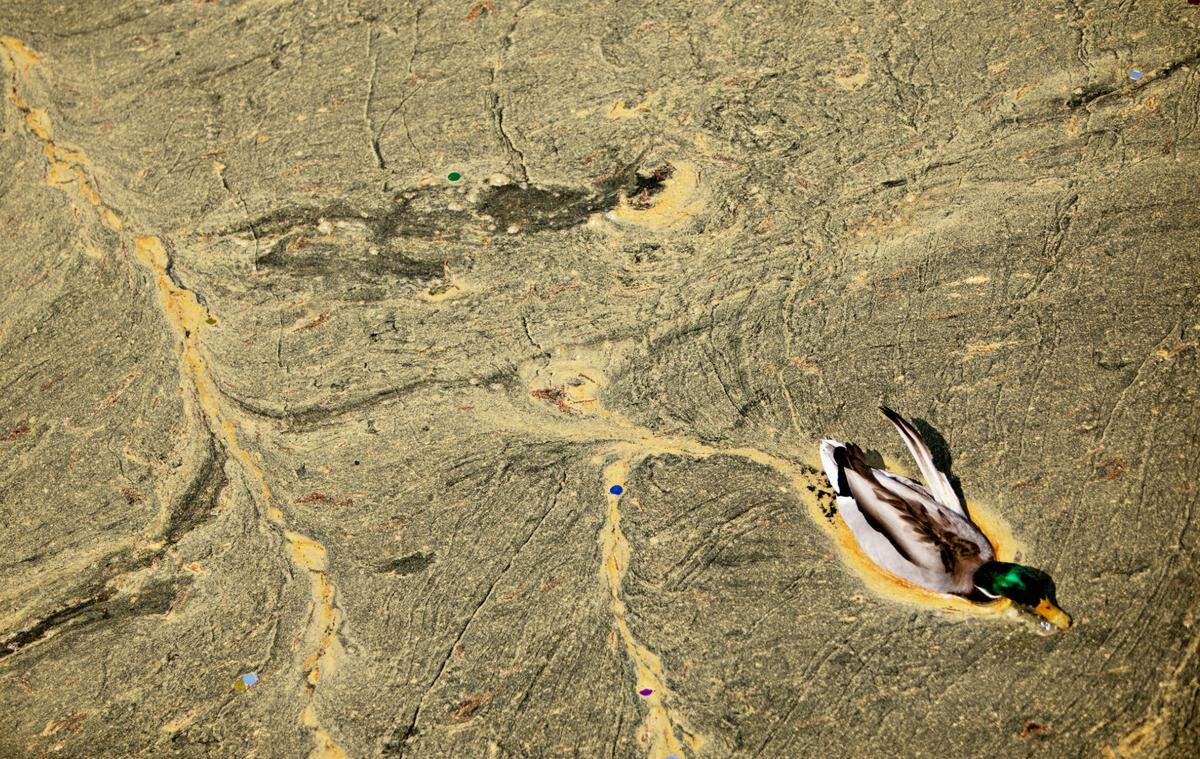
Pollen has started to cast its yellowish haze on cars and porches.
The highest pollen count recorded at the N.C. Department of Environmental Quality’s Nature Research Center in Downtown Raleigh so far this year came on Thursday, at 1,790.4 grains per cubic meter.
But the worst is likely to come, with North Carolina typically reporting its highest pollen level in late March or early April.
If you’re one of the many afflicted by itchy eyes and a runny nose each spring, here’s some steps you can take to prevent the most severe impacts.
When is pollen the worst?
Typically, DEQ’s highest counts in Downtown Raleigh are recorded between the last week of March and the second week of April.
The time of day also matters.
Dr. Saira Sheikh of the UNC Division of Rheumatology, Allergy & Immunology, said pollen counts are typically the highest between 5 and 10 a.m.
Pollen counts decline later in the day and into the evening, Sheikh added.
So if you’re planning to be outdoors, “pick a time of the day when the pollen counts are not as high so you’re not feeling worsening symptoms,” Sheikh said.
Those symptoms can be worsened right before thunderstorms and when wind is blowing, Sheikh said. It is a good idea for those suffering from allergies to stay indoors at those times.
What has pollen been like in recent years?
The highest pollen count at DEQ’s testing station in 2021 was 2,317.6 grains per cubic meter on April 5.
Between 2015 and 2020, the maximum value each year was between 1,923 and 3,205 grains per cubic meter. So last year’s high was consistent with recent years’ peaks.
Pollen count is calculated by dividing the number of total pollen grains that were collected by 3.12.
Last April’s peak pollen count was the 11th-highest since 2002, according to the Southeast Regional Climate Center. Days that had higher pollen values included March 30 and March 31 of 2020.
How can I monitor pollen counts?
DEQ reports the pollen count from its Raleigh station each day.
Every day data is collected, the department sends an update from www.twitter.com/NCpollen. Historical information is available at the department’s website.
Is the pollen I see everywhere making me sick?
No, Sheikh said.
The yellow pine pollen coating everything is generally too large to affect allergies.
“But that’s a critical sign that the pollen is in the air,” Sheikh said.
The kinds of pollen that tend to cause allergies in North Carolina include American beech, river birch and hickory oak.
“If you have any of these trees in your yard and you’re close to a tree, you’re 10 times as likely to have symptoms compared to if the tree was across the street from you,” Sheikh said.
Do I have allergies or COVID-19?
A key difference between the two conditions is a fever, Sheikh said.
A fever is never a symptom of allergies. It is a key symptom of COVID-19.
“If you have a fever,” Sheikh said, “you may have environmental allergies at baseline, but the fever indicates that you also have something else.”
How can I protect myself from pollen?
Avoid going outside when pollen counts are highest, Sheikh said.
“The pollen really is so bad out that if you can, avoid the pollen,” Sheikh said.
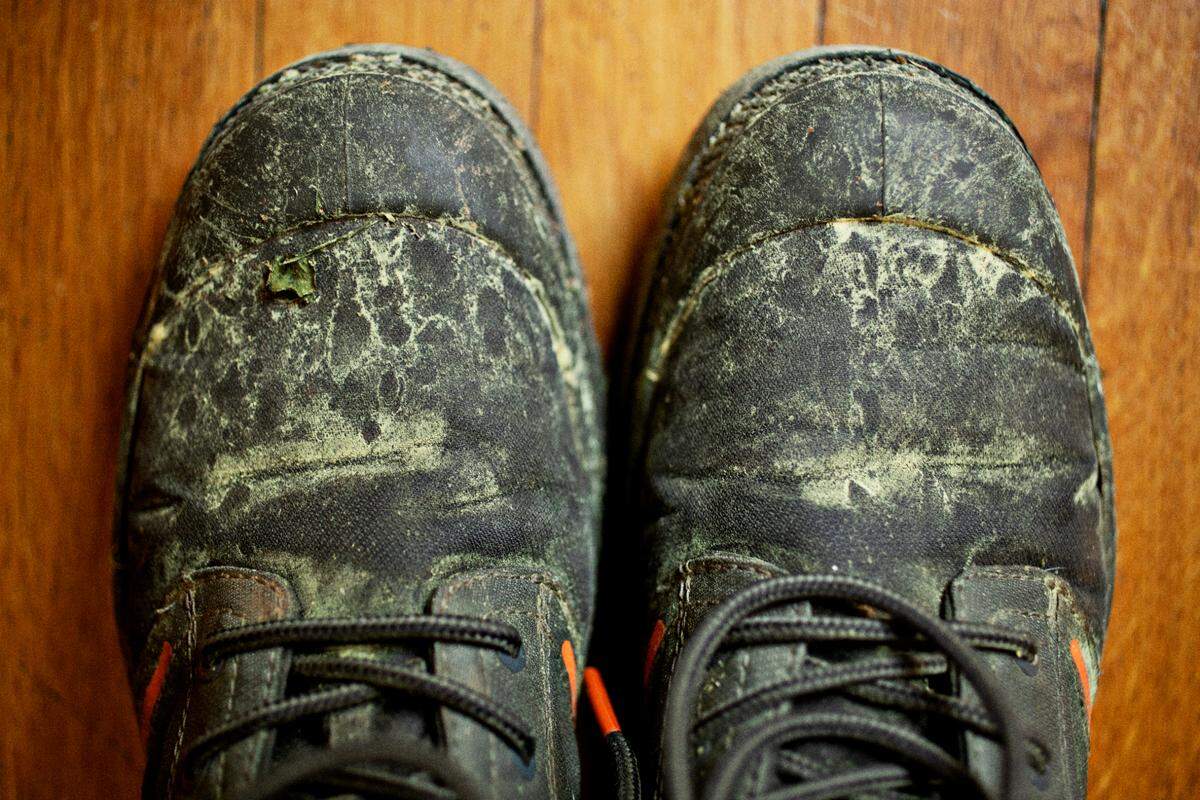
To avoid tracking pollen inside, Sheikh recommended that people take their shoes off indoors. She also said it is a good idea to take a shower at night to rinse a day’s worth of pollen out of your hair.
Pets, especially those that spend time outside, can bring pollen back indoors with them, too. It is a good idea, Sheikh said, to keep pets out of some parts of your home.
“Really, maybe don’t have your dog sleep in your bed right now because they are bringing all of that in from outside,” Sheikh said.
If those steps don’t work, Sheikh said, a long-lasting antihistamine could work.
And if that doesn’t help, Sheikh recommended seeing an allergist or immunologist.
“It’s not ‘just’ environmental allergies,” Sheikh said. “It’s an important problem that’s impacting your health and you need to seek expertise and see a doctor so you get on the road to feeling better.”
Is climate change making pollen worse?
Yes, according to a 2021 report in the Proceedings of the National Academy of Sciences of the United States of America.
The study, which was conducted by a team of researchers led by William Anderegg, a University of Utah biologist, studied pollen seasons from 1990 to 2018. Pollen seasons now are 10 days longer than they were before and are beginning 20 days earlier, according to the study.
Trees produced 21% more pollen in 2018 than they did in 1990.
Sheikh said her team sees these impacts in their practice.
“People who have seasonal allergies come to us and say, ‘My allergies are starting sooner, they’re lasting longer, they’re more severe. Is this a thing?’” Sheikh said.
A study published by University of Michigan researchers this year found that the pollen season could start 10 to 40 days earlier by the end of this century. And they could last three weeks longer than they did from 1995 to 2014, leading to 16% to 40% higher total annual releases.
The Southeast, including North Carolina, is likely to see the highest increases, according to the University of Michigan study. McClatchy News reported that part of that increase is because cypress and oak trees, which release the most pollen in the region, are expected to release more as the effects of climate change grow more pronounced.
Allergies can have serious health effects, Sheikh said, especially on people who suffer from things like asthma or other respiratory conditions.
“Human-caused climate change resulting in those rising temperatures are contributing to the pollen season lengthening and significant effects on the health of humans,” Sheikh said.
This story was produced with financial support from 1Earth Fund, in partnership with Journalism Funding Partners, as part of an independent journalism fellowship program. The N&O maintains full editorial control of the work.
This story was originally published April 9, 2021 at 2:31 PM.