From poison ivy to elderberry: A guide to some of NC’s most dangerous plants
The N.C. State Cooperative Extension Service recently updated its online Poisonous Plants database to include a whopping 624 different entries — occupying every category of plants, from trees and shrubs to wildflowers and vines.
Some of the plants are native, and some are invasive, having infiltrated the landscape from cultivated specimens. And many of those plants can be quite dangerous — even fatal — to humans and animals (both pets and livestock).
“Plants are chemical factories,” Christopher Glenn, the education director at J.C. Raulston Arboretum at N.C. State University, told The News & Observer in an earlier report. “They cannot move away from prey or physically fight back, so their only defense is to be poisonous.”
We’ve compiled a short list of some of the most dangerous poisonous native and invasive plants in the state, so that you can be aware as you and your pets spend time outside this summer. The photos are courtesy of J.C. Raulston Arboretum. This is an updated version of a 2019 N&O report on poisonous plants.
To get more information on poisonous plants — and to see the full database of plants — spend some time at plants.ces.ncsu.edu. If you think you’ve come in contact with a poisonous plant, call N.C.’s Poison Control Center at 1-800-222-1222.
Baneberry
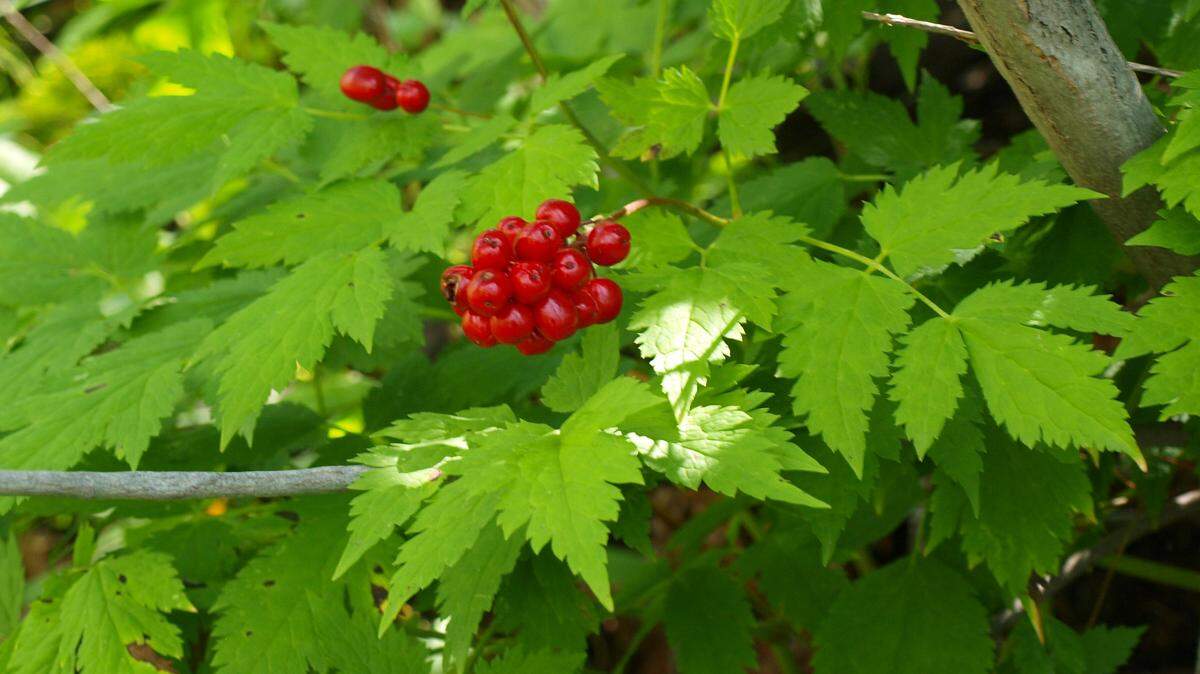
Scientific name: Actaea pachypoda
Also known as: Bugbane, Coralberry, Doll’s-Eyes, Snakeberry, White Cohosh, Necklace Weed, Toadroot, White Baneberry, White Beads
Where you’ll find it: Baneberry is found in rich woods and thickets in the western and north central parts of North Carolina. The fruit can be black, red, purple or white in color.
Why it’s dangerous: The entire plant, especially the roots and berries, contains an essential oil that can cause severe pain in the mouth, gastroenteritis and diarrhea.
How it will hurt you: If ingested, it is likely to cause death in humans and may cause death in livestock and pets.
Belladonna
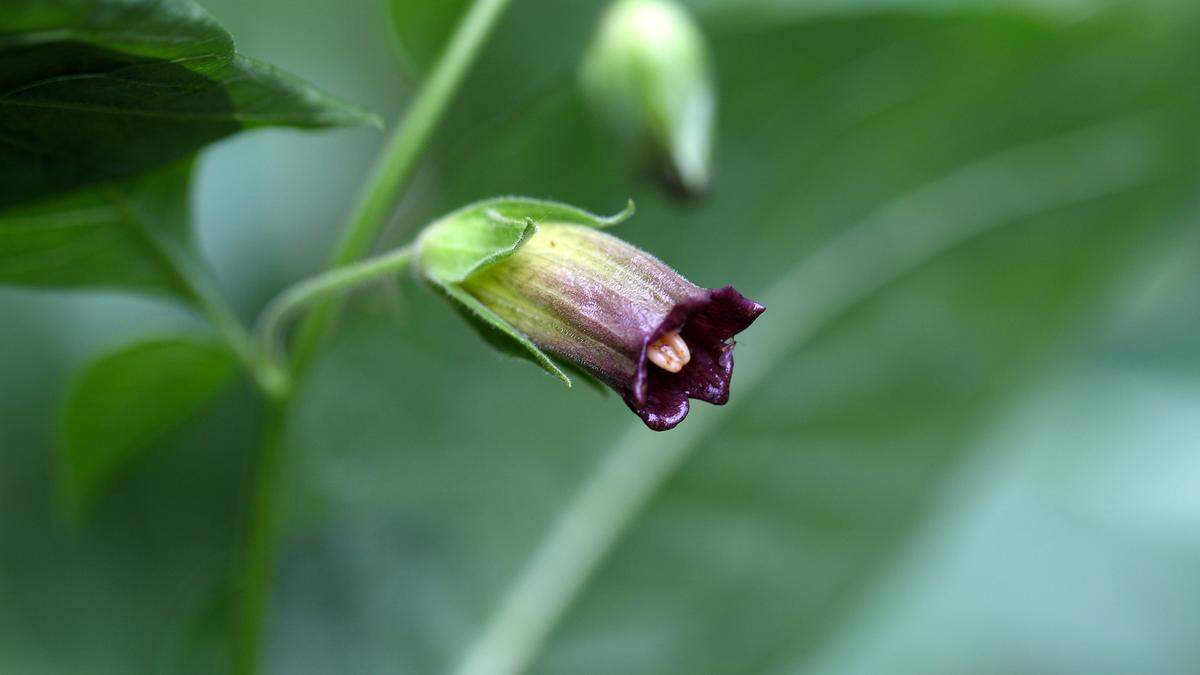
Scientific name: Atropa bella-donna
Also known as: Deadly Nightshade
Where you’ll find it: Belladonna is found throughout the state.
Why it’s dangerous: The entire plant, especially its black berries, cause fever, rapid pulse and dilated pupils.
How it will hurt you: If ingested, it is likely to cause death in humans and may cause death in livestock and pets.
Bittersweet
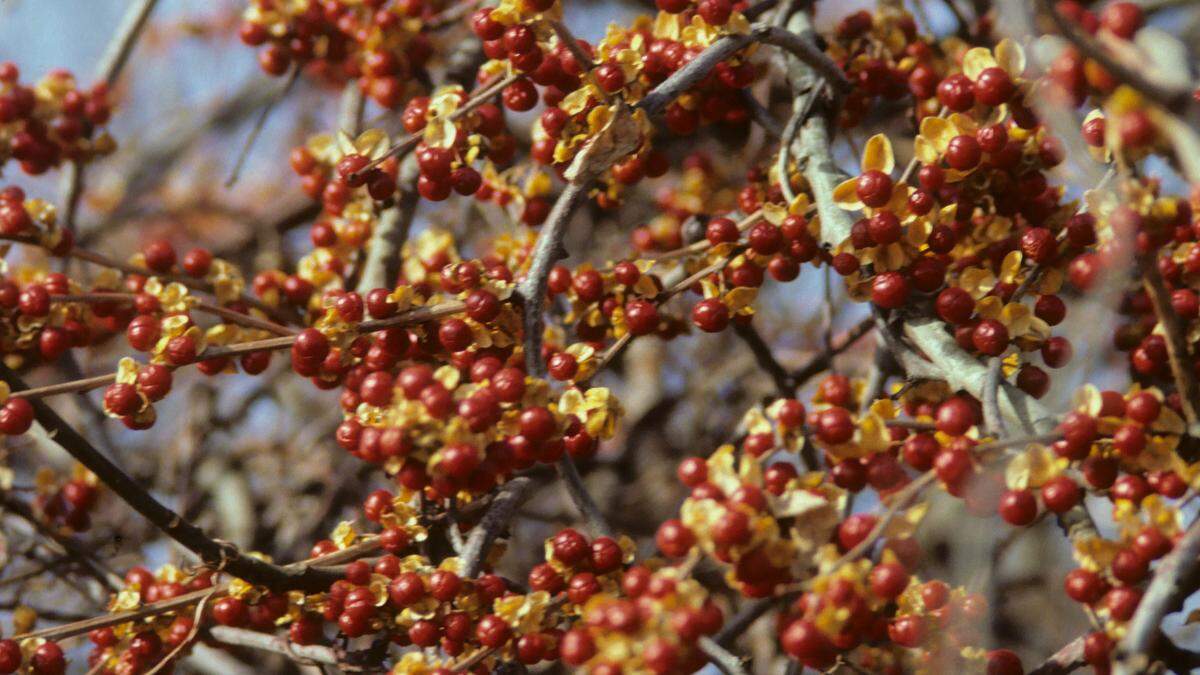
Scientific name: Solanum dulcamara
Also known as: Blue Blindweed, Blue Nightshade, Climbing Nightshade, Deadly Nightshade, Devil’s Apple, European Bittersweet, Felonwort, Poisonous Nightshade, Scarlet Berry, Soda Apple, Violet Bloom, Woody Nightshade
Where you’ll find it: Bittersweet is commonly found in barnyards, hog lots and cultivated fields throughout the state.
Why it’s dangerous: All parts, especially the berries, contain alkaloids that cause headaches, shock and vomiting.
How it will hurt you: If ingested, it is likely to cause death in humans and may cause death in livestock and pets.
Black Cherry
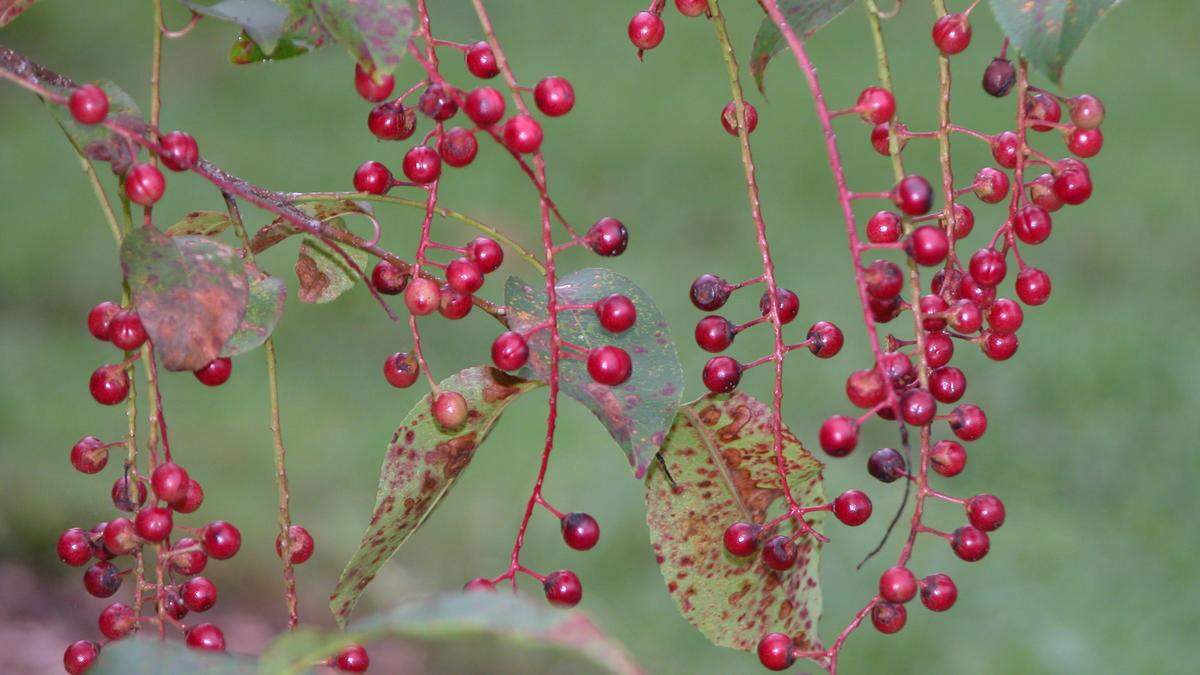
Scientific name: Prunus serotina
Also known as: Wild Cherry, Wild Rum Cherry
Where you’ll find it: Black Cherry is found in woods, along fence rows and on the edges of fields throughout the state.
Why it’s dangerous: The leaves, seeds, twigs and bark contain hydrocyanic acid that can cause death within one hour.
How it will hurt you: If ingested, it is likely to cause death in humans and livestock and pets.
Black Locust
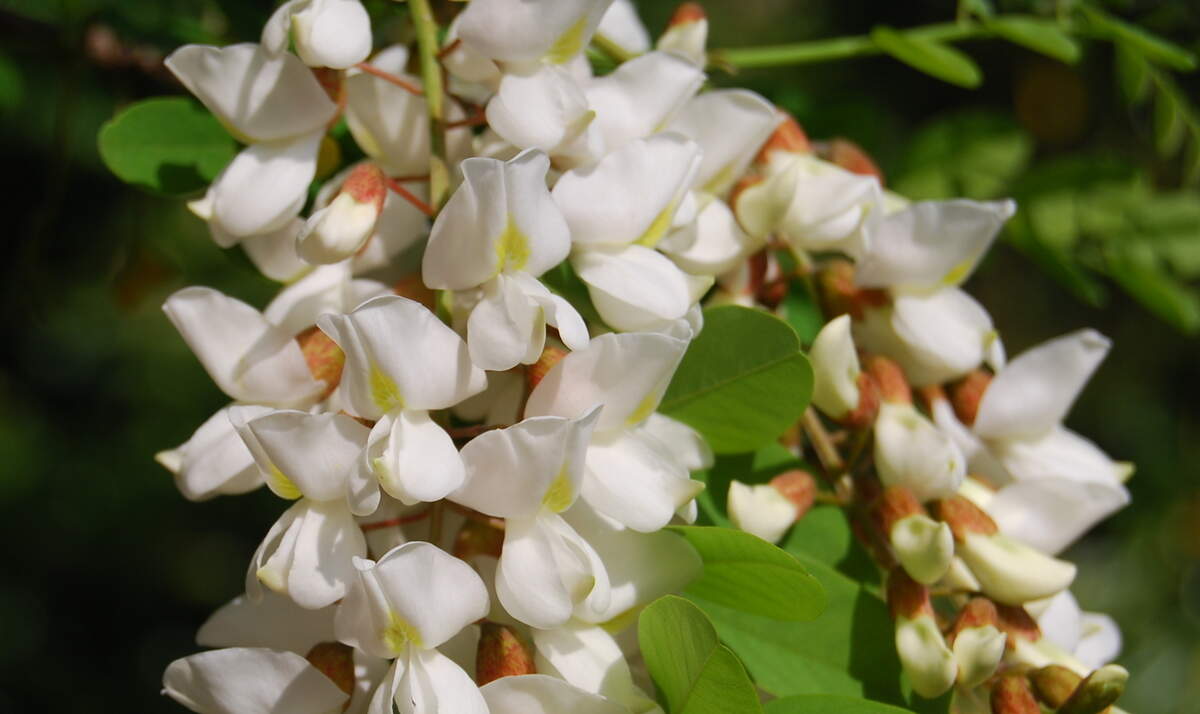
Scientific name: Robinia pseudoacacia
Also known as: Common Locust, False Acacia, Green Locust, Pea Flower Locust, White Locust, Yellow Locust
Where you’ll find it: Black Locust is found in dry woods, fields and roadsides in much of the state, but not commonly in coastal areas.
Why it’s dangerous: The inner bark, root sprouts or wilted leaves contain a phytotoxin that affects heart action.
How it will hurt you: If ingested, it may cause death in humans and livestock and pets.
Black Snakeroot
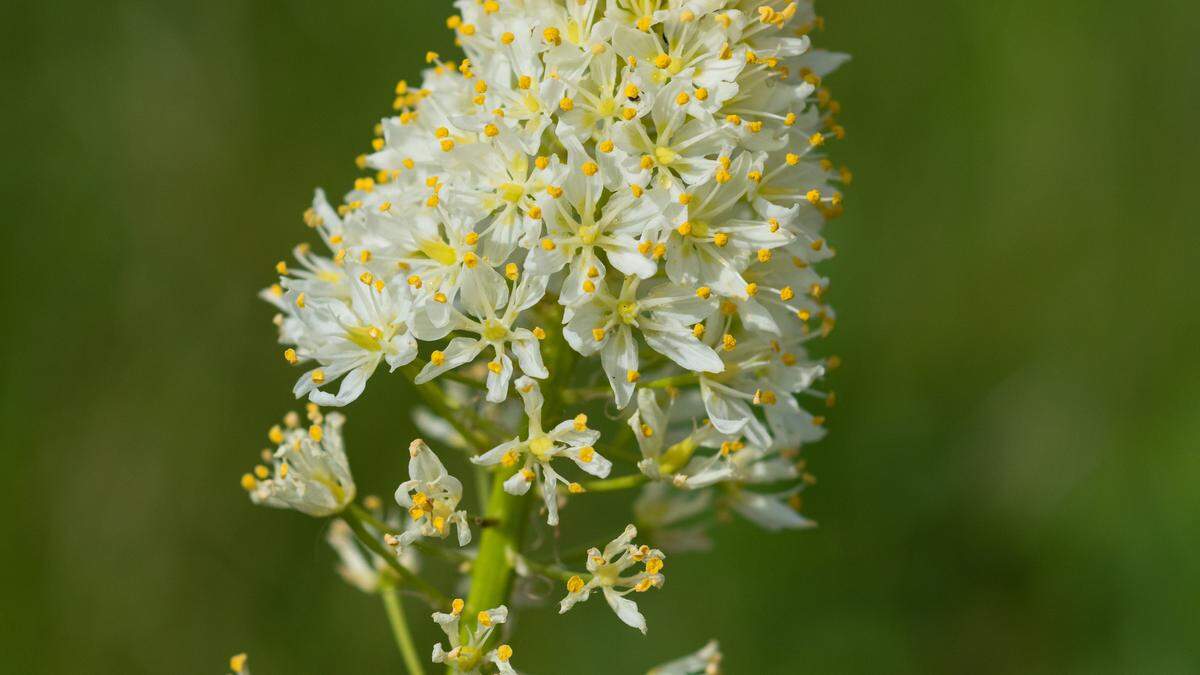
Scientific name: Zigadenus Melanthiaceae
Also known as: Camas, Death Camas, Large-flowered Zigadenus, Sandbog Death Camas
Where you’ll find it: Black Snakeroot is found in open boggy areas on the coast and in the eastern part of the state, and on slopes and mountains.
Why it’s dangerous: The leaves, stems, flowers and seeds contain an alkaloid that affects breathing and digestion.
How it will hurt you: If ingested, it may cause death in humans and is likely to cause death in livestock and pets. It can also cause coma.
Buckeye
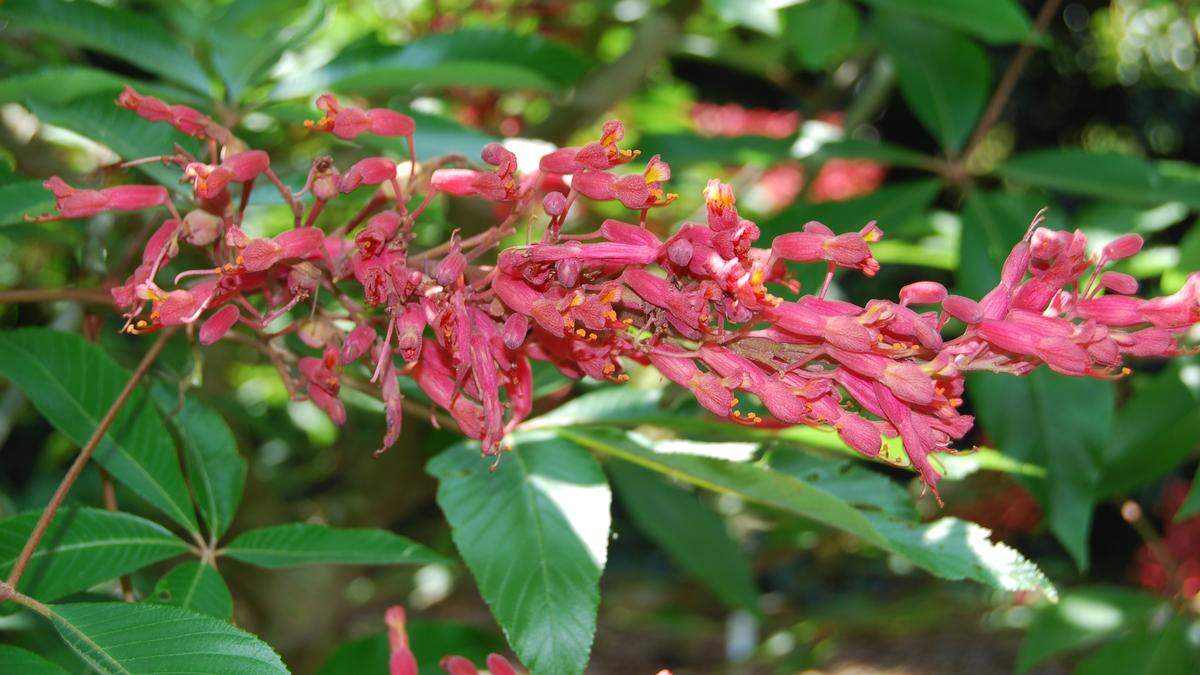
Scientific name: Aesculus pavia
Also known as: Firecracker Plant, Red Buckeye, Scarlet Buckeye
Where you’ll find it: Buckeye is found on creek or river banks, in woods and pastures across the state.
Why it’s dangerous: Spring leaves and fall seeds contain aesculin and other glucosides that affect breathing, muscles and heart.
How it will hurt you: If ingested, it is likely to cause death in humans, livestock and pets.
Caladium
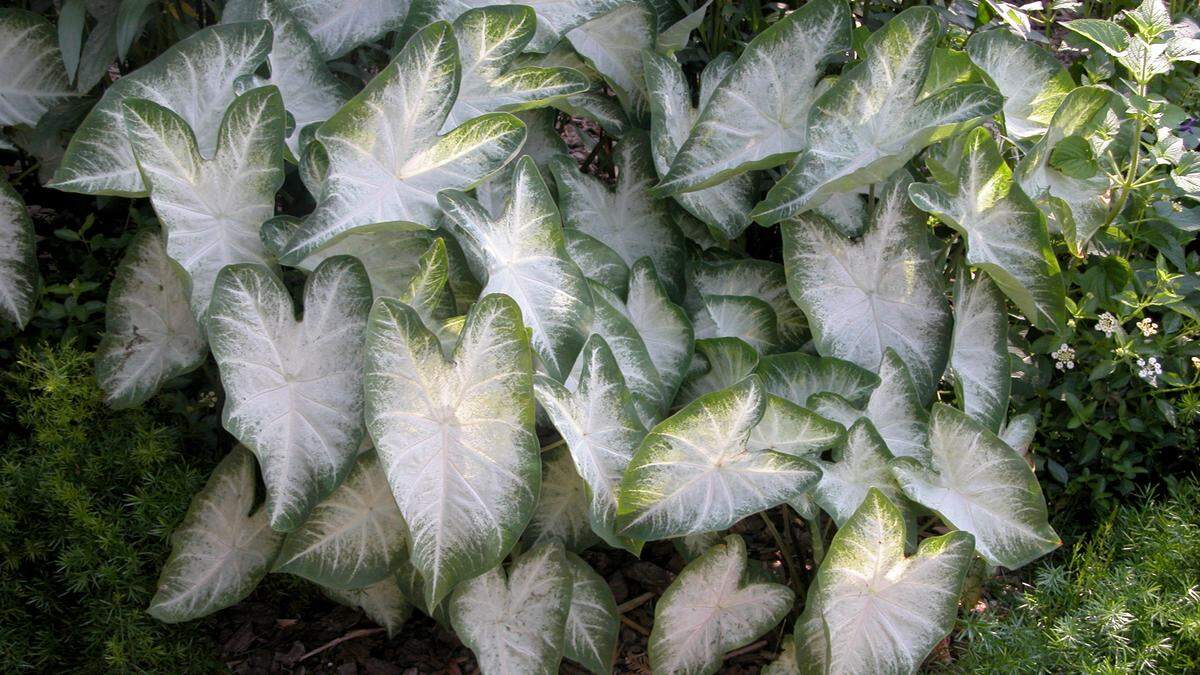
Scientific name: Caladium Araceae, Caladium Bicolor
Also known as: Angel Wings, Elephant’s Ear, Candidum, Exposition, Fancy-leaved Caladium, Malanga, Mother-in-law Plant, Pai, Pink Cloud, Stoplight, Taro, Texas Wonder, Via, Via sori
Where you’ll find it: There are thousands of varieties of Caladium, also called Elephant’s Ear, found throughout North Carolina.
Why it’s dangerous: Eating the Caladium leaves will result in needle-like crystals becoming embedded in the mouth and throat.
How it will hurt you: If ingested by humans, Caladium can cause burning and swelling of lips, mouth and tongue, as well as nausea, vomiting, and diarrhea. Contact with cell sap can cause skin irritation. Ingestion by livestock or pets may cause death.
Caper Spruge
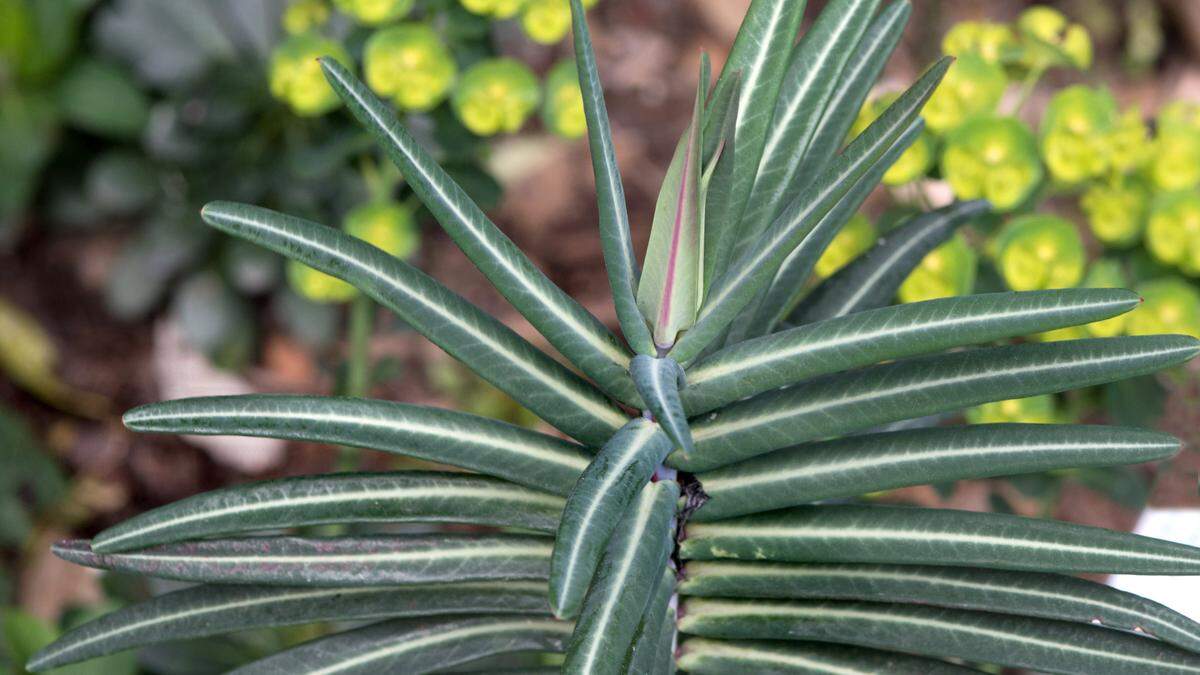
Scientific name: Euphorbia lathyris
Also known as: Caper Spruge, Gopher Spurge, Mole Plant, Paper Spurge, Sassy Jack
Where you’ll find it: Caper Spurge (sometimes called a “mole plant”) may be found as a weed throughout the state.
Why it’s dangerous: All parts of the Caper Spurge emit a milky sap when broken. Ingestion of the sap causes severe irritation of the mouth, throat and stomach.
How it will hurt you: If ingested, it is likely to cause death in people and may cause death in livestock and pets.
Castor Bean
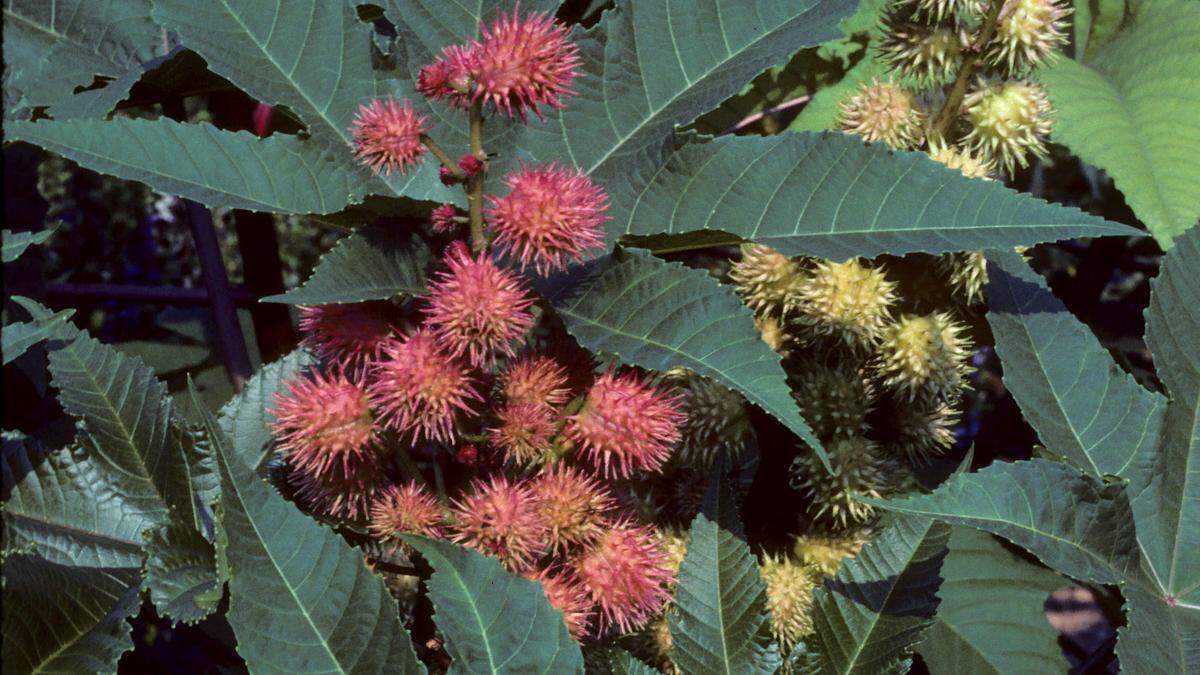
Scientific name: Ricinus communis
Also known as: African Wonder Tree, Castor Bean, Castor Bean Plant, Castor Oil Plant, Mole Bean Plant
Where you’ll find it: Castor Bean is cultivated as an ornamental, but has escaped into various habitats.
Why it’s dangerous: The leaves and seeds contain ricin, alkaloids and other substances that cause convulsions and liver and kidney damage.
How it will hurt you: If ingested, it is likely to cause death in humans. It may be fatal to livestock and pets.
Chinaberry
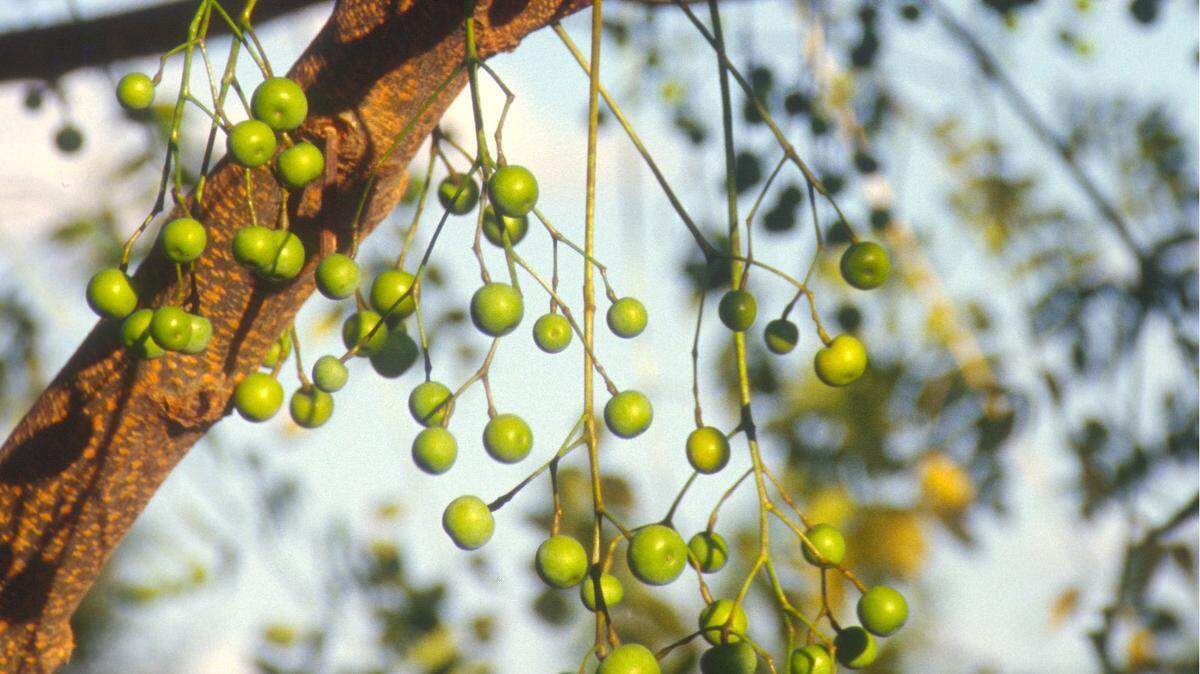
Scientific name: Melia azedarach
Also known as: Bead Tree, China Ball Tree, Chinaball Tree, Chinaberry, Chinaberry Tree, China Tree, Japanese Bead Tree, Paradise Tree, Persian Lilac, Pride-of-India, Syringa, Texas Umbrella Tree, White Cedar
Where you’ll find it: Chinaberry is found in old fields, pastures, farms, thickets and woods, except in western areas of the state.
Why it’s dangerous: The fruit, flowers, leaves and bark contain a neurotoxin that attacks the central nervous system.
How it will hurt you: If ingested, it may cause death to humans. It may be fatal to livestock and pets.
Dumbcane
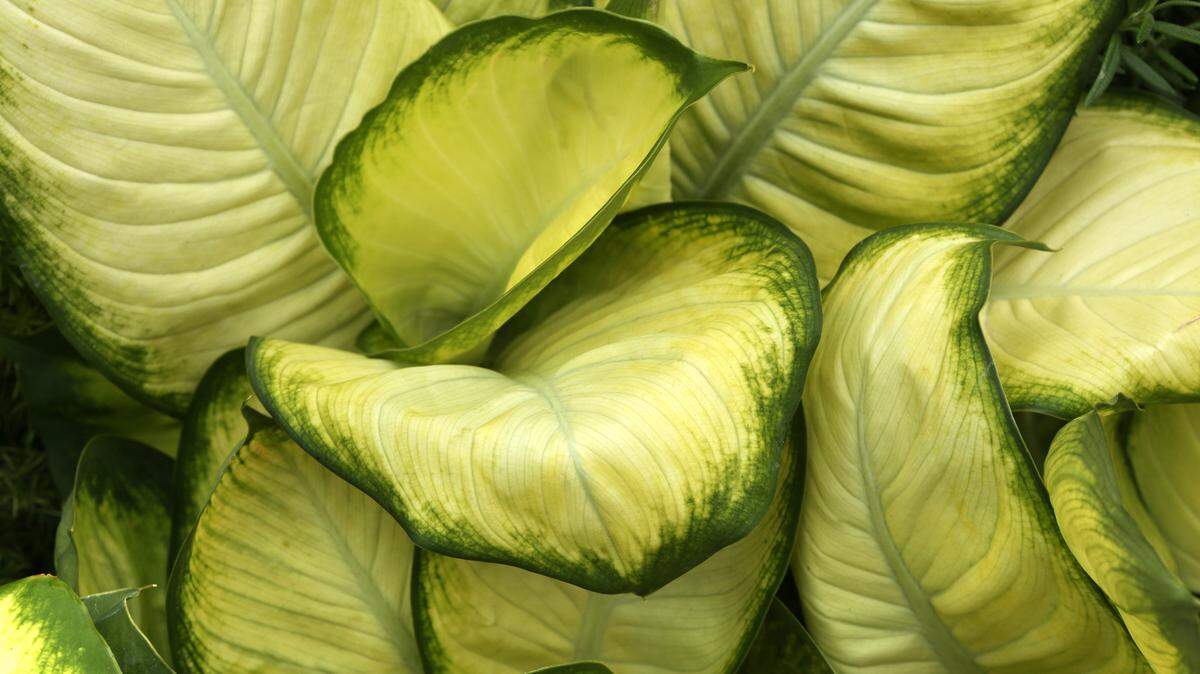
Scientific name: Dieffenbachia seguine
Also known as: Dieffenbachia, Gold Dieffenbachia, Spotted Dumbcane, Variable Dieffenbachia
Where you’ll find it: Dumbcane is cultivated as an ornamental, commonly found as a houseplant.
Why it’s dangerous: Eating the leaves will result in needle-like crystals becoming embedded in the mouth and throat.
How it will hurt you: If ingested, it may cause death to humans. It may be fatal to livestock and pets.
Elderberry
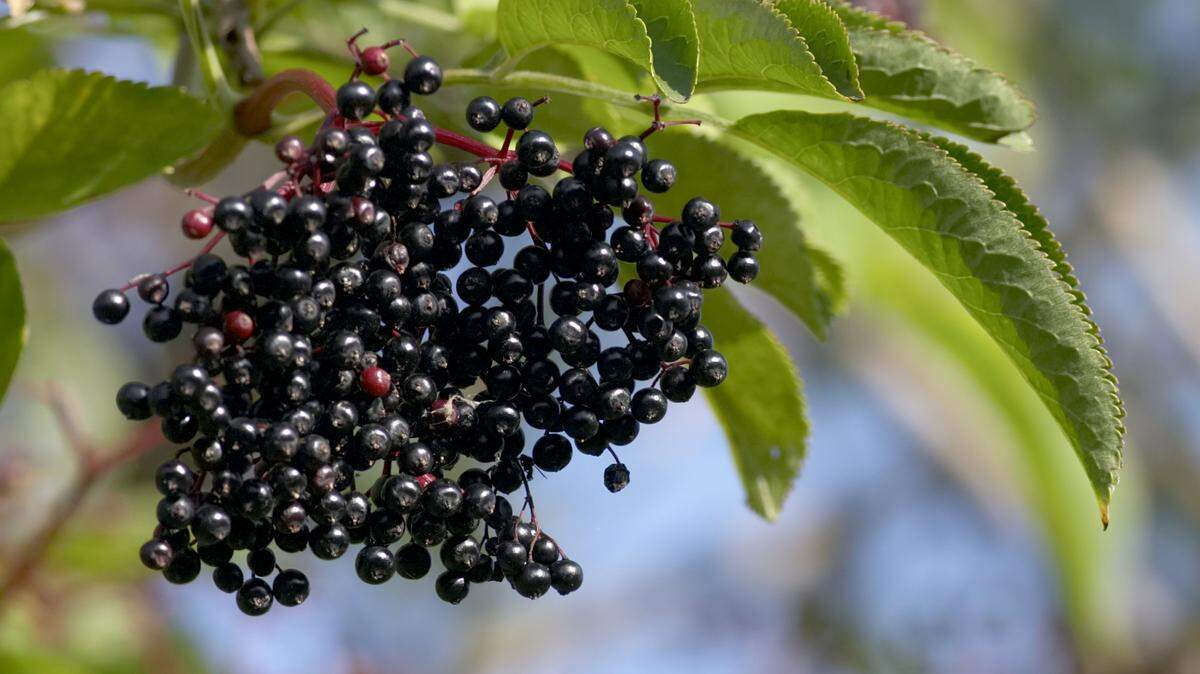
Scientific name: Sambucus nigra
Also known as: Black Elder, Elder, Elderberry, European Elderberry
Where you’ll find it: Elderberry is found in moist woods and fields.
Why it’s dangerous: The roots, stems and leaves contain alkaloid and glucoside that cause nausea, vomiting and diarrhea. Note: Cooked berries and wine made from fruit and flowers are not poisonous.
How it will hurt you: If ingested, it may cause death in humans, as well as livestock and pets.
False Hellebore
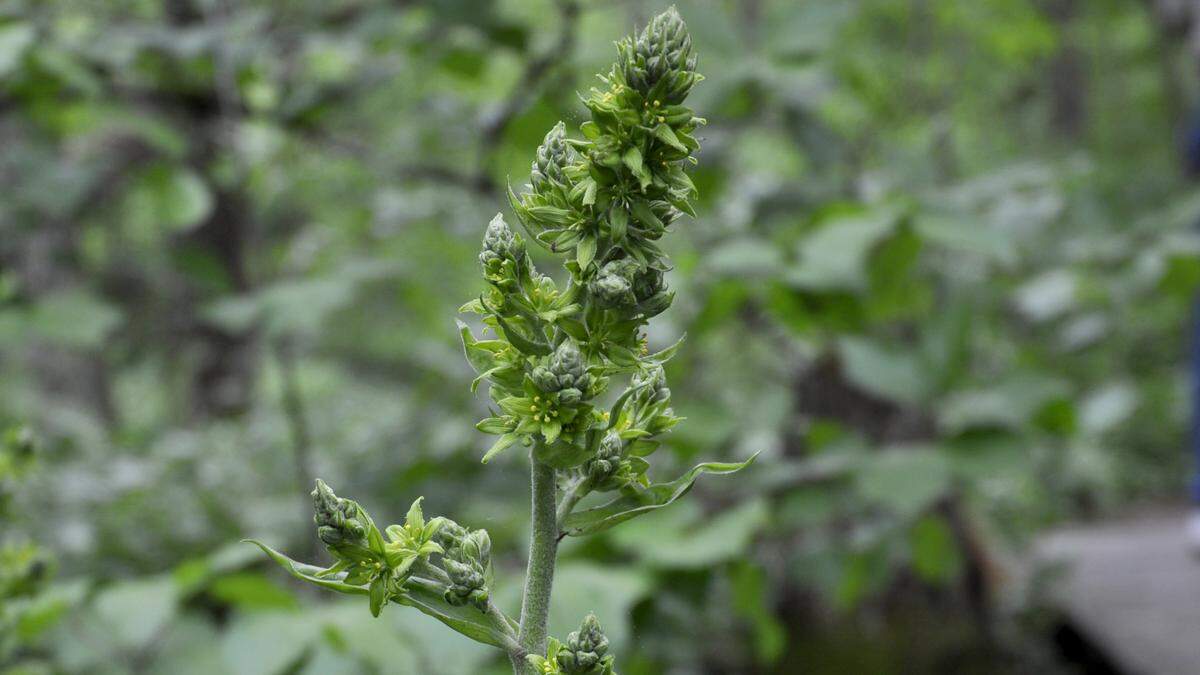
Scientific name: Veratrum viride
Also known as: American White Hellebore, Corn Lily, False Hellebore, Hellebore, Indian Poke
Where you’ll find it: False Hellebore is found in the North Carolina mountains, growing in swamps, wet woods, meadows, forest or natural areas in moist woods and along stream banks.
Why it’s dangerous: Roots, leaves and seeds contain several alkaloids that affect heart, lungs and digestive systems.
How it will hurt you: If ingested, it may cause death in humans. In pets and livestock, it can cause certain disorders and irritations.
February Daphne
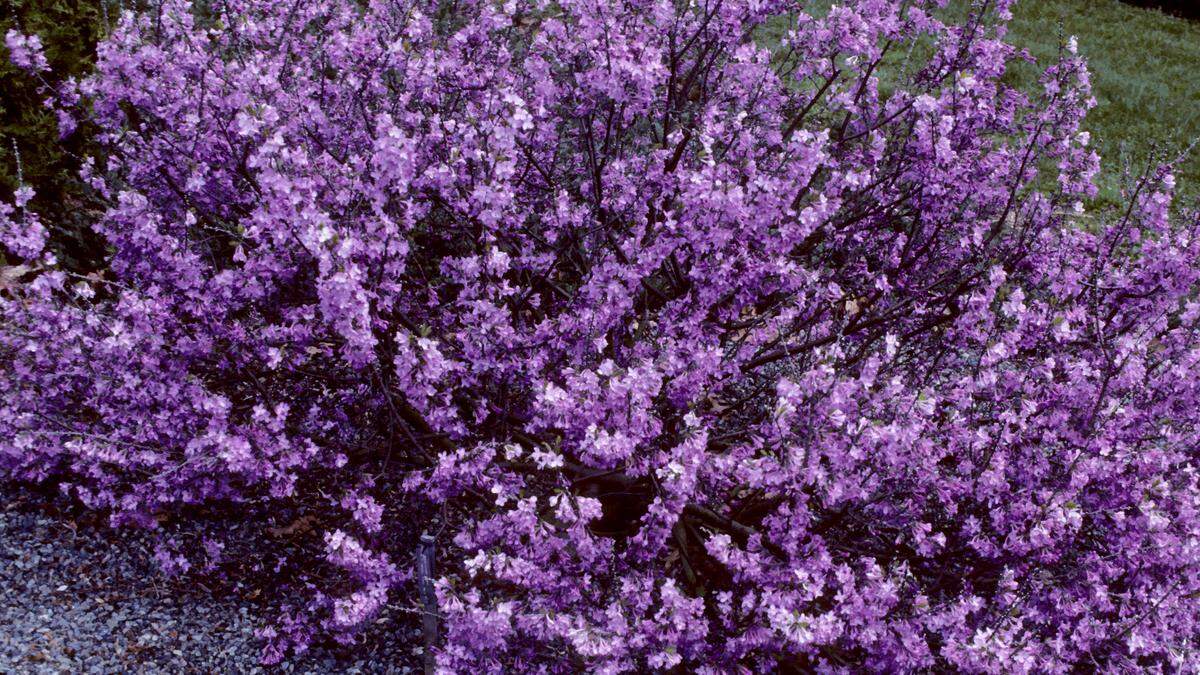
Scientific name: Daphne mezereum
Also known as: Daphne, February Daphne, Mezereon, Spurge Laurel
Where you’ll find it: February Daphne is cultivated as an ornamental shrub.
Why it’s dangerous: All parts, especially the red berries, contain toxins that cause burning throat, internal bleeding and vomiting. Can even cause problems if in contact with skin.
How it will hurt you: If ingested, it will likely cause death in humans. It may cause death in livestock and pets.
Japanese Yew
.JPG "japanese yew (2).JPG")
Scientific name: Taxus cuspidata / Cephalotaxus harringtonia / Taxus Taxaceae
Also known as: Anglo-Japanese Yew, English Yew, Japanese Plum Yew, Japanese Yew, Pacific Yew, Spreading Plum Yew, Western Yew
Where you’ll find it: This plant is cultivated as an ornamental shrub.
Why it’s dangerous: Most parts, including the seeds, contain taxine, which causes cardiovascular paralysis.
How it will hurt you: If ingested, it will likely cause death in humans. It may cause death in livestock and pets. (Note: The Taxus brevifolia species of this plant is not listed as poisonous in the NC State database.)
Jequirity Bean
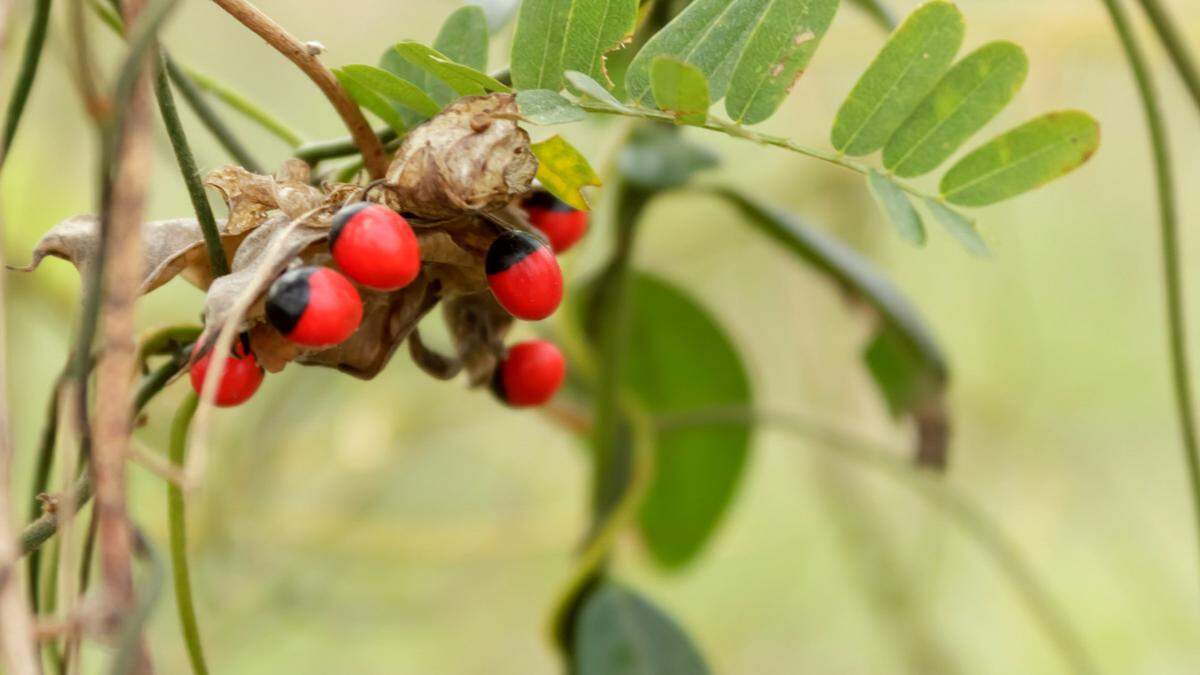
Scientific name: Abrus precatorius
Also known as: Buddhist Rosary Bead, Crab’s Eyes, Indian Bead, Indian Licorice, Jequirity Bean, Love Bean, Lucky Bean, Prayer Bean, Precatory Bean, Rosary Pea, Seminole Bead, Weather Plant
Where you’ll find it: Although Jequirity Bean is not usually grown in North Carolina, the seeds are used in rosary necklaces and other jewelry.
Why it’s dangerous: Eating the seeds can cause severe vomiting, diarrhea and circulatory system failure.
How it will hurt you: If ingested, it will likely cause death in humans. It may cause death in livestock and pets.
Jimsonweed
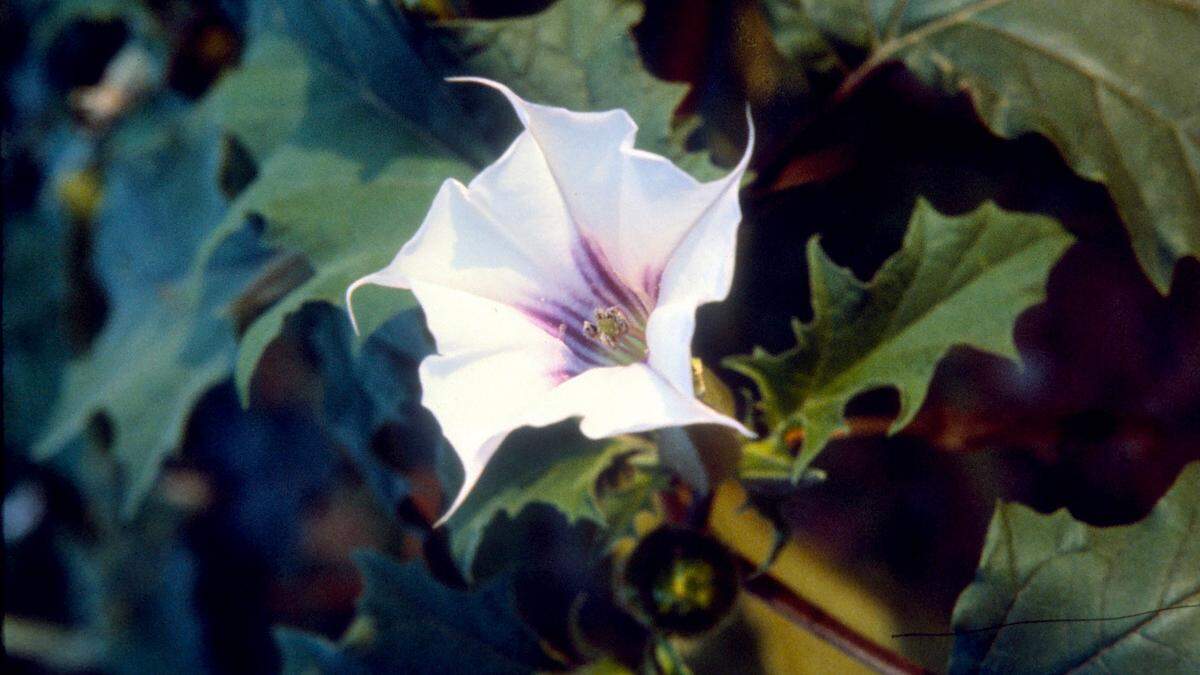
Scientific name: Datura wrightii / Datura stramonium
Also known as: Angel Trumpet, Jimsonweed, Sacred Datura, Sacred Thorn-Apple, Thorn-Apple, Stinkweed
Where you’ll find it: Jimsonweed is found in barnyards, hog lots, cultivated fields and waste places throughout the state.
Why it’s dangerous: All parts of the plant, including the seeds, contain alkaloids that affect the nervous system, causing convulsions and coma.
How it will hurt you: NC State lists this plant’s poison severity as “low,” but if ingested, it could make one quite sick. Of particular concern are children, cats, dogs and horses.
Lantana
.JPG "lantana (1).JPG")
Scientific name: Lantana camara / Lantana montevidensis / Lantana trifolia
Also known as: Common Lantana, Lantana, Red Sage, Shrub Verbena, Yellow Sage, Pole-cat Geranium, Sellow’s lantana, Trailing Lantana, Trailing shrubverbena, Weeping Lantana, Wild Verbena, Lantana Lavender Popcorn, Three Leaved Lantana
Where you’ll find it: Lantana is an ornamental that has escaped into various habitats in southeastern North Carolina.
Why it’s dangerous: Eating the fruit, especially when green, can cause extreme stomach/intestinal pain and circulatory system failure.
How it will hurt you: This plant’s poison severity is listed as “medium,” and some varieties can be more dangerous for livestock/animals, causing liver failure.
Lily-of-the-Valley
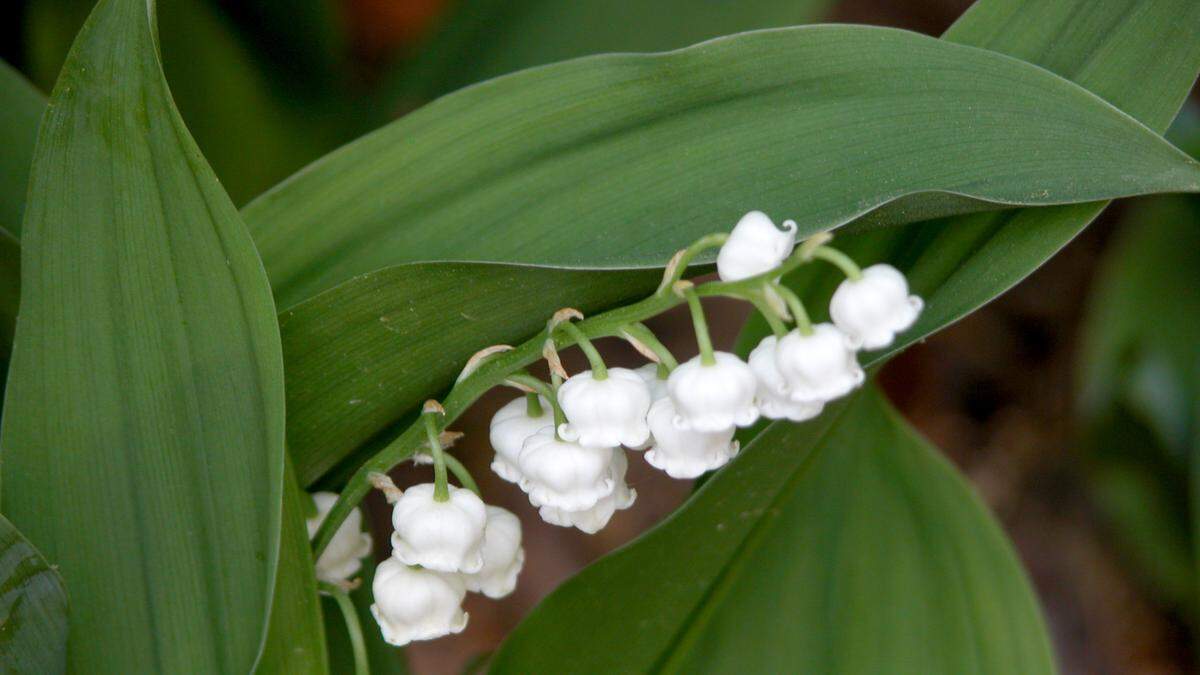
Scientific name: Convallaria majalis
Where you’ll find it: Lily-of-the-Valley is found in woods and slopes of high mountains, and is also cultivated as an ornamental.
Why it’s dangerous: The leaves and flowers contain glucosides, convallarin and convallamarin, which cause irregular heartbeat and vomiting.
How it will hurt you: This plant’s poison level is listed as “medium,” and is toxic to humans if ingested in large quantities. It can cause certain disorders and irritations in pets and livestock.
Mistletoe
.JPG "mistletoe (1).JPG")
Scientific name: Phoradendron leucarpum
Also known as: American Mistletoe, False Mistletoe, Mistletoe, Mistletoe “American”, Oak Mistletoe
Where you’ll find it: Mistletoe, a parasitic plant in deciduous trees, is found in forests or natural areas throughout the state. It is commonly used as a traditional decoration during the Christmas holiday season.
Why it’s dangerous: The berries of the plant contain amine, which can cause stomach and intestinal irritation with diarrhea, lowered blood pressure and slow pulse.
How it will hurt you: If the white berries are ingested in large quantities, it will cause severe illness and possibly death in humans, livestock and pets.
Monkshood
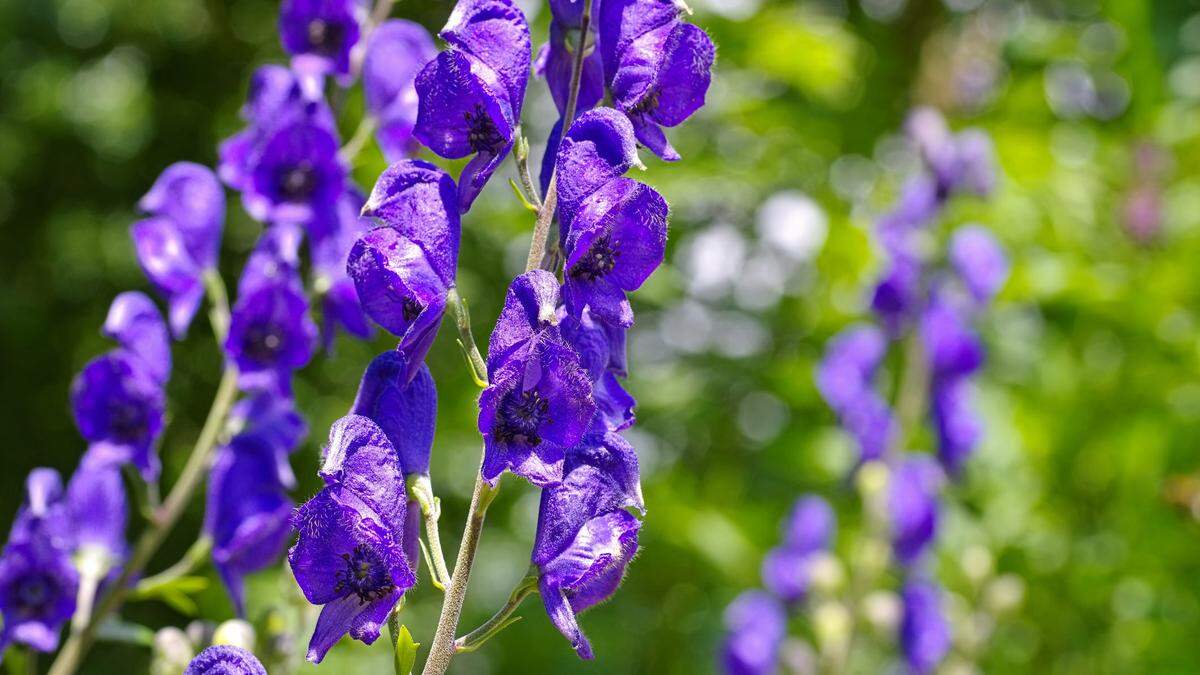
Scientific name: Aconitum uncinatum
Also known as: Appalachian Blue Monkshood, Blue Rocket, Devil’s Helmet, Eastern Blue Monkshood, Eastern Monkshood, Monkshood, Southern Blue Monkshood, Wild Monkshood, Wolf’s Bane, Aconite, Helmet Flower, Leopard’s bane, Queen of poisons, Woman’s bane
Where you’ll find it: Monkshood is found in rich woods and slopes in the mountains and, rarely, in the Piedmont.
Why it’s dangerous: All parts, especially the roots and seeds, contain alkaloids that cause respiratory paralysis and muscle spasms spasms, in addition to burning of lips and mouth, numbness of throat, intense vomiting and diarrhea, and weak pulse.
How it will hurt you: If ingested, it may be fatal to humans and pets.
Moonseed
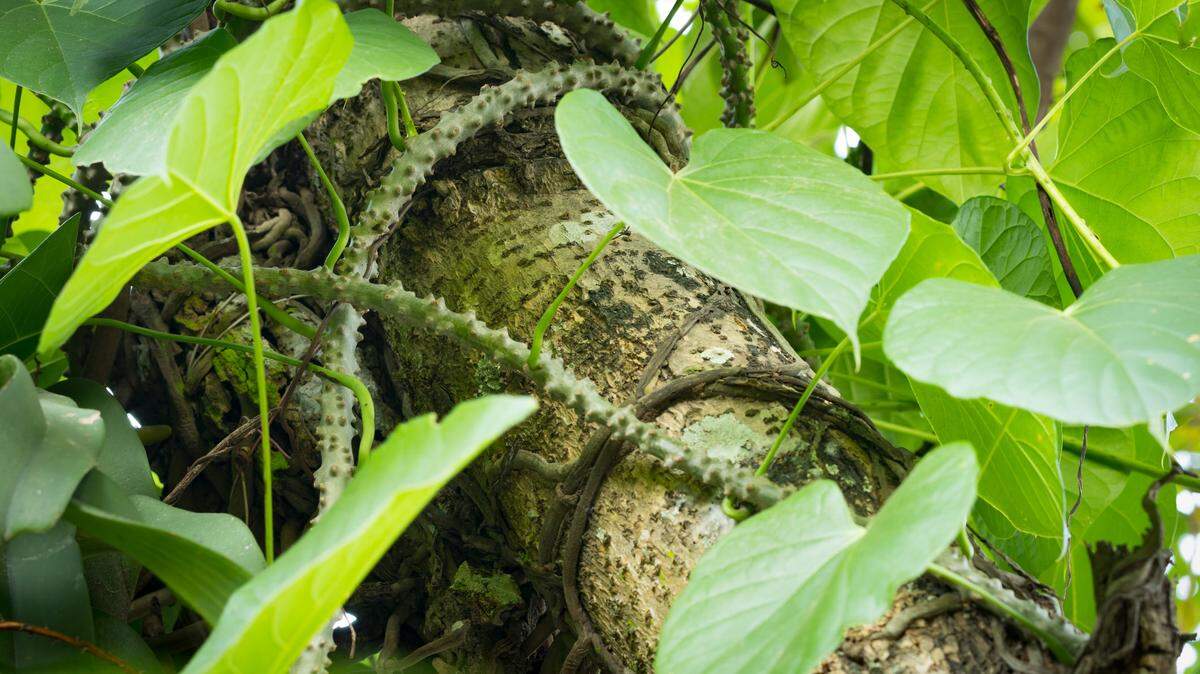
Scientific name: Menispermum canadense
Also known as: Canada Moonseed, Canadian Moonseed, Common Moonseed, Yellow Parilla
Where you’ll find it: Moonseed is found in moist woods and thickets scattered throughout the state.
Why it’s dangerous: Roots, fruit, flowers and leaves contain bitter alkaloids that cause paralysis and convulsions when eaten.
How it will hurt you: Highly toxic. If ingested, it may be fatal in humans. It may also cause problems for livestock and animals.
Mushrooms
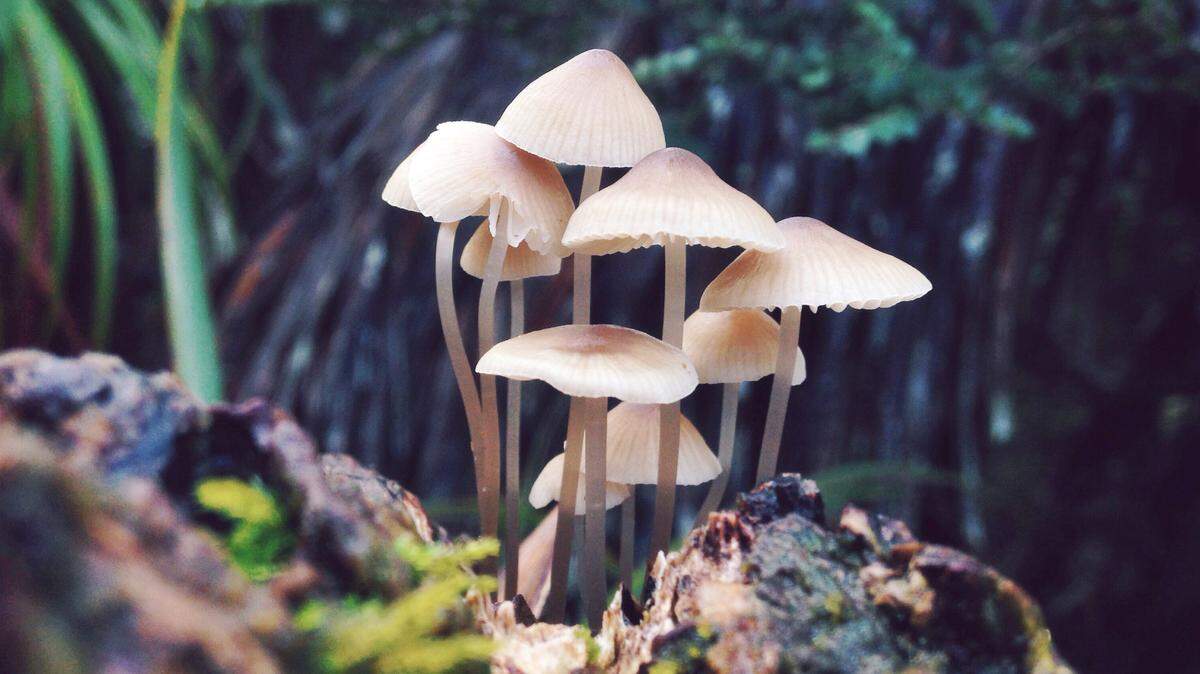
Where you’ll find it: Mushrooms grow in warm, moist areas throughout the state.
Why it’s dangerous: Identification of edible vs. inedible mushrooms is complicated and should only be attempted by experts. All parts of a poisonous mushroom can cause extreme abdominal pain, vomiting and coma.
How it will hurt you: If ingested, a poisonous mushroom will likely cause death in humans and may cause death in livestock and pets. Never let your dog eat mushrooms growing in your yard or in other areas.
Oleander
.JPG "oleander (1).JPG")
Scientific name: Nerium oleander
Also known as: Kaner, Oleander, Rosebay, Rose Bay, Rose-bay, Rose Laurel
Where you’ll find it: Oleander is cultivated as an ornamental, but has escaped into the environment along the coast.
Why it’s dangerous: All parts of the plant are poisonous (whether fresh or dried) and contain glucosides, neriosides and oleandrosides, which cause nausea, vomiting, stomach pain, dizziness, slowed pulse, irregular heartbeat, dilation of pupils, bloody diarrhea, and drowsiness, depression and death.
How it will hurt you: If ingested it will likely cause death in humans, and may cause death in livestock and pets.
Poison Hemlock
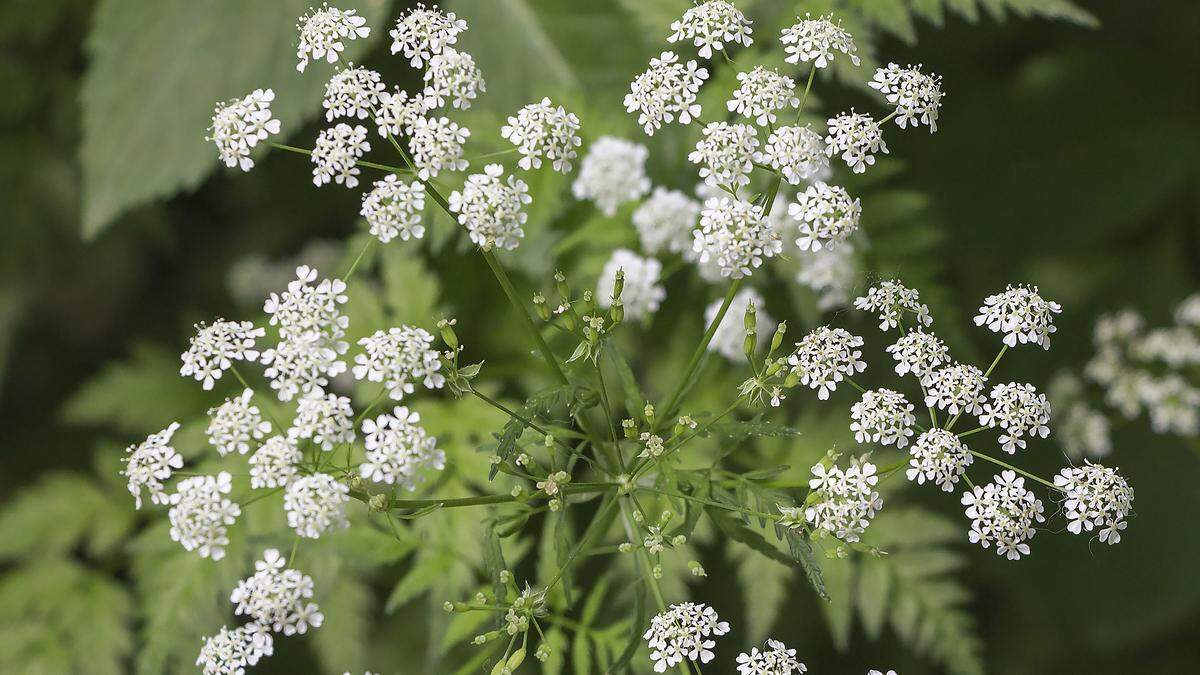
Scientific name: Conium maculatum
Also known as: California Fern, Deadly Hemlock, Nebraska Fern, Poison Fool’s Parsley, Poison Hemlock, Poison Parsley, Spotted Hemlock, Winter Fern
Where you’ll find it: Poison hemlock is found in moist soil throughout the state but is relatively uncommon.
Why it’s dangerous: The leaves and fruit contain an alkaloid that causes vomiting, paralysis and convulsions.
How it will hurt you: If ingested it will likely cause death in humans, and may cause death in livestock and pets.
Poison Ivy
.JPG "poison ivy (1).JPG")
Scientific name: Toxicodendron radicans
Also known as: Eastern Poison Ivy, Poison Ivy, Poison Oak
Where you’ll find it: Poison Ivy is most commonly found in wooded areas and fields throughout the state (and throughout the country), but can also be found in yards. It generally grows as ground cover, but may also form a vine, starting at ground level, often near the base of a tree or shrub. You can distinguish poison ivy from other similar plants because leaflets grow in groups of threes (remember the saying: “Leaflets three, let it be”).
Why it’s dangerous: All parts of the plant contain a toxic oil called urushiols, which, when in contact with the skin will cause inflammation, itching and blistering of the skin. The skin irritation is severe. The plant is also toxic if burned and inhaled.
How it will hurt you: Contact (or inhalation) can cause disorders or severe irritations in people, livestock and pets, though some wild animals (birds, deer, reptiles, amphibians) eat the leaves and berries with no issues.
Poison Oak
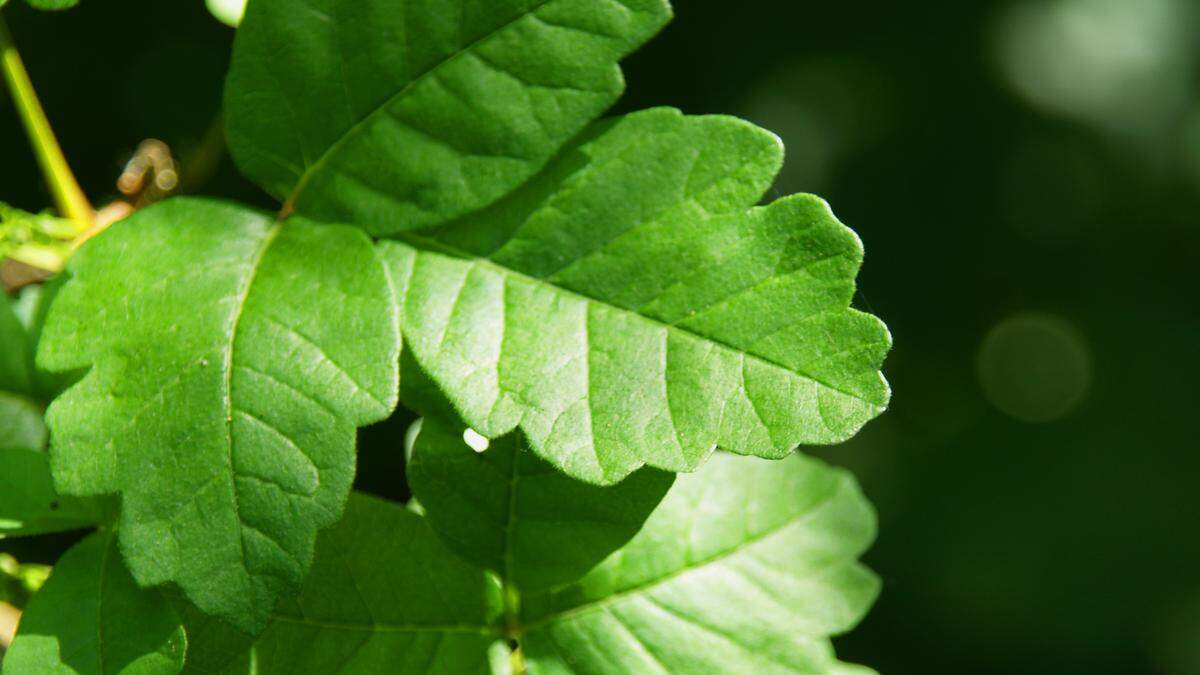
Scientific name: Toxicodendron pubescens
Also known as: Atlantic Poison Oak, Eastern Poison Oak, Poison Oak
Where you’ll find it: Poison Oak is found in woods, thickets, dry areas and sandy fields in the Coastal Plain and Piedmont of North Carolina. As with Poison Ivy, Poison Oak grows in leaflets of threes.
Why it’s dangerous: Contact with all parts of the plant, in all seasons, can cause reactions, which vary depending on the person. Poison oak contains the same toxin — Urushiol — found in Poison Ivy and Poison Sumac.
How it will hurt you: Contact can cause severe skin redness, itching, swelling and blisters following direct or indirect contact for people and animals.
Poison Sumac
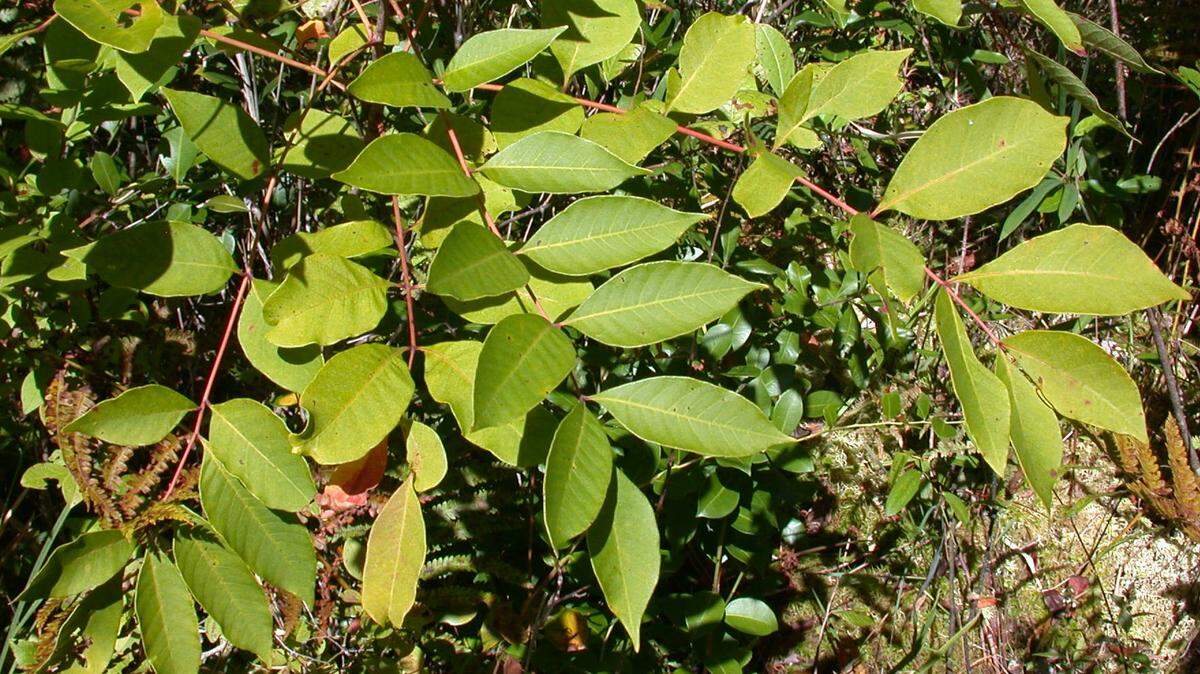
Scientific name: Toxicodendron vernix
Also known as: Swamp Sumac, Thunderwood
Where you’ll find it: Poison sumac is commonly found in bogs, pocosins and ditches in the eastern part of the state. It has long, smooth, alternate leaves growing in groups of 7 to 13 leaflets.
Why it’s dangerous: Poison Sumac contains the same toxin — Urushiol — found in Poison Ivy and Poison Oak, but in higher concentrations. All parts of the plant are poisonous and will cause itching, blistering and swelling. If smoke from burning Poison Sumac is inhaled, it can cause inflammation and fluid accumulation in the lung, which can be fatal. Ingestion may cause gastrointestinal inflammation. According to NC State, some experts consider Poison Sumac to be the most toxic plant in the United States.
How it will hurt you: Contact can cause serious skin irritations. If smoke from burning Poison Sumac is inhaled, it can cause inflammation and fluid accumulation in the lungs, which can be fatal.
Pokeweed
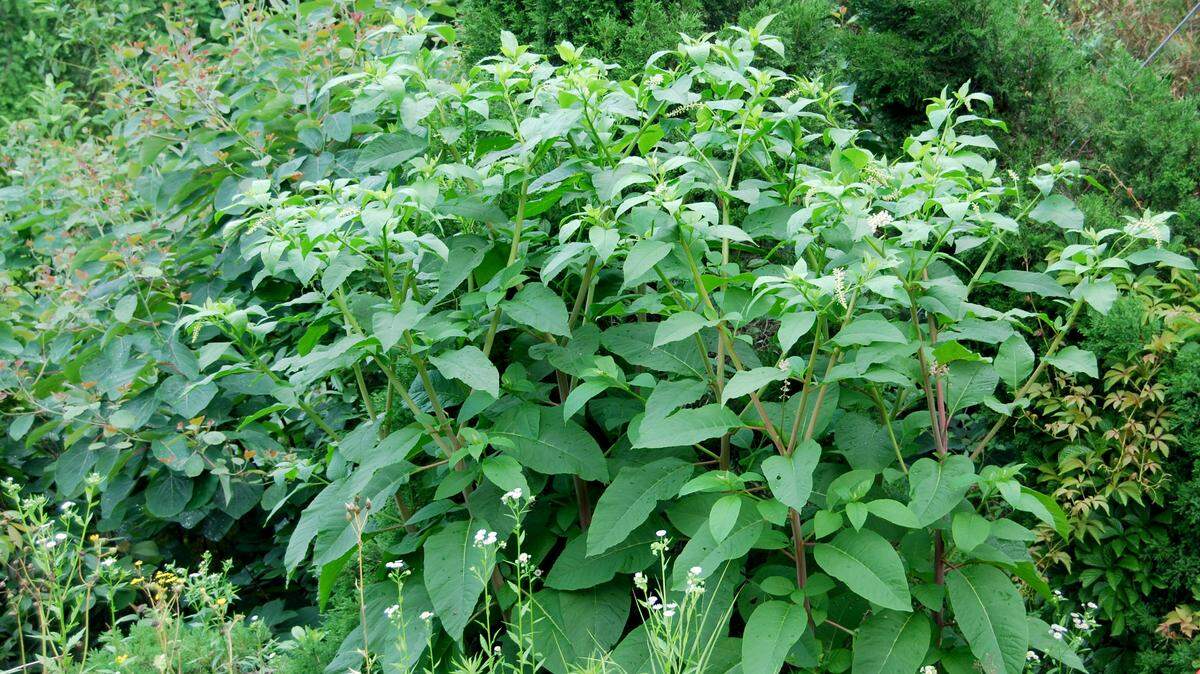
Scientific name: Phytolacca americana var. rigida (Previously Phytolacca rigida)
Also known as: American Pokeweed, Poke, Pokeberry, Pokeweed, Scoke, Inkberry, Pigeonberry, Poke Salad
Where you’ll find it: Pokeweed grows in rich low grounds, waste places, hog pens and barn lots throughout the state.
Why it’s dangerous: All parts of the plant are highly toxic and can cause burning of mouth and throat, salivation, severe stomach irritation, vomiting, bloody diarrhea, spasms and convulsions. (Note: New, young leaves may be eaten if cooked, but careful harvesting and preparation is required. Please consult a knowledgeable source such as plants.ces.ncsu.edu before proceeding.)
How it will hurt you: This plant can be fatal if ingested.
Rhododendron
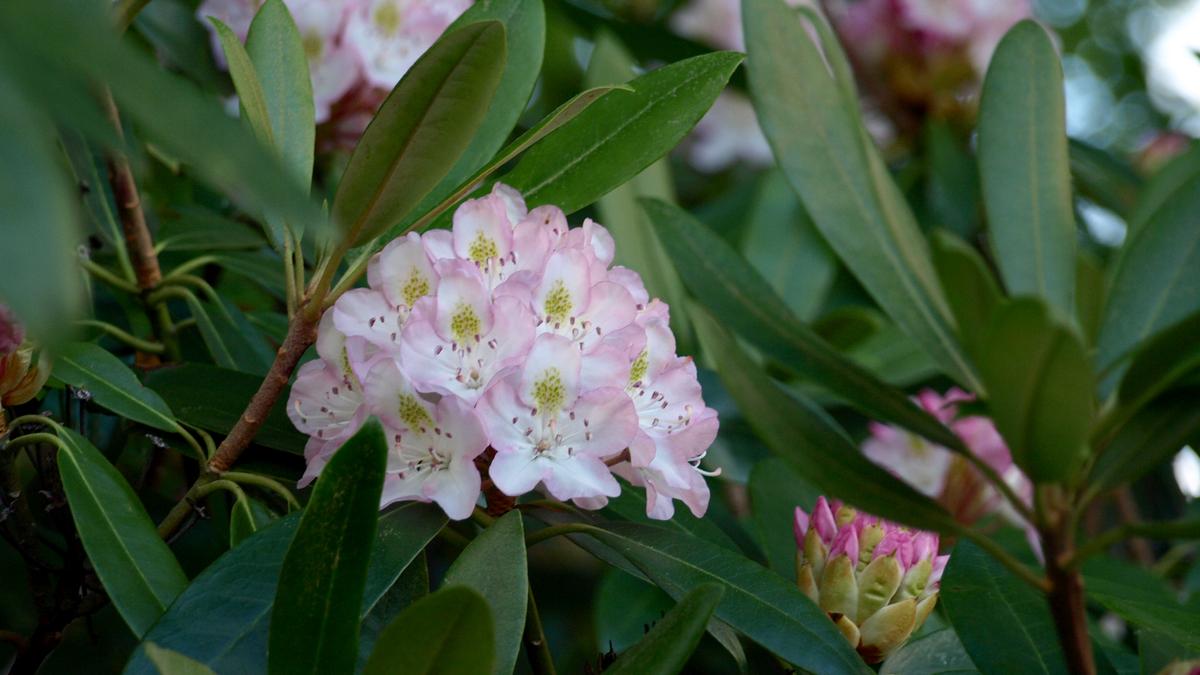
Scientific name: Rhododendron Ericaceae
Also known as: Azalea, Rhododendron, Rosebay
Where you’ll find it: Rhododendron is found in moist or wet woods and streams in the mountains and in the upper Piedmont. It is also a popular plant in yard landscaping.
Why it’s dangerous: Leaves, twigs and nectar contain a resinoid that causes salivation, watering of eyes and nose, abdominal pain, loss of energy, depression, nausea and vomiting, diarrhea, weakness, difficult breathing, progressive paralysis of arms and legs, cardiac failure and coma.
How it will hurt you: If ingested, rhododendron is highly toxic to humans, dogs, cats and horses.
Spotted Water Hemlock
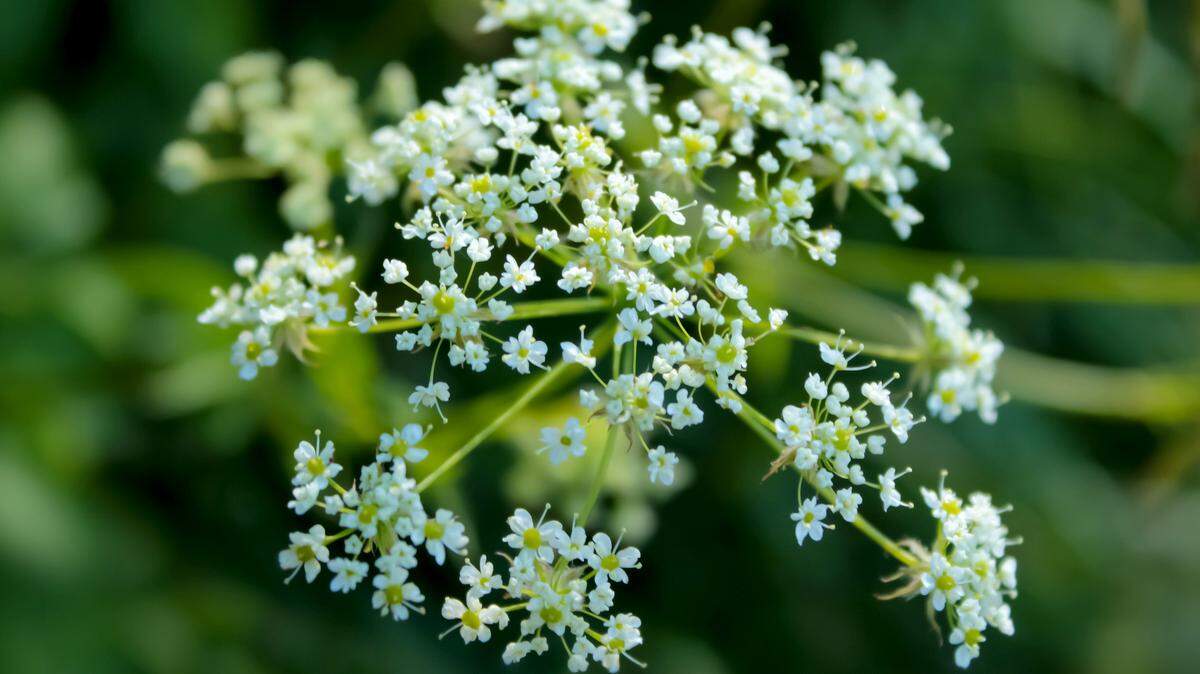
Scientific name: Cicuta maculata
Also known as: cowbane, Poison Parsnip, Spotted Cowbane, Spotted Water Hemlock, Water Hemlock
Where you’ll find it: Spotted Water Hemlock is found throughout the state in places where the soil is wet or moist.
Why it’s dangerous: There is an alkaloid, found mostly in the roots, that causes trembling, muscular paralysis and respiratory failure.
How it will hurt you: If ingested, it is likely to cause death in humans, livestock and pets.
Tobacco
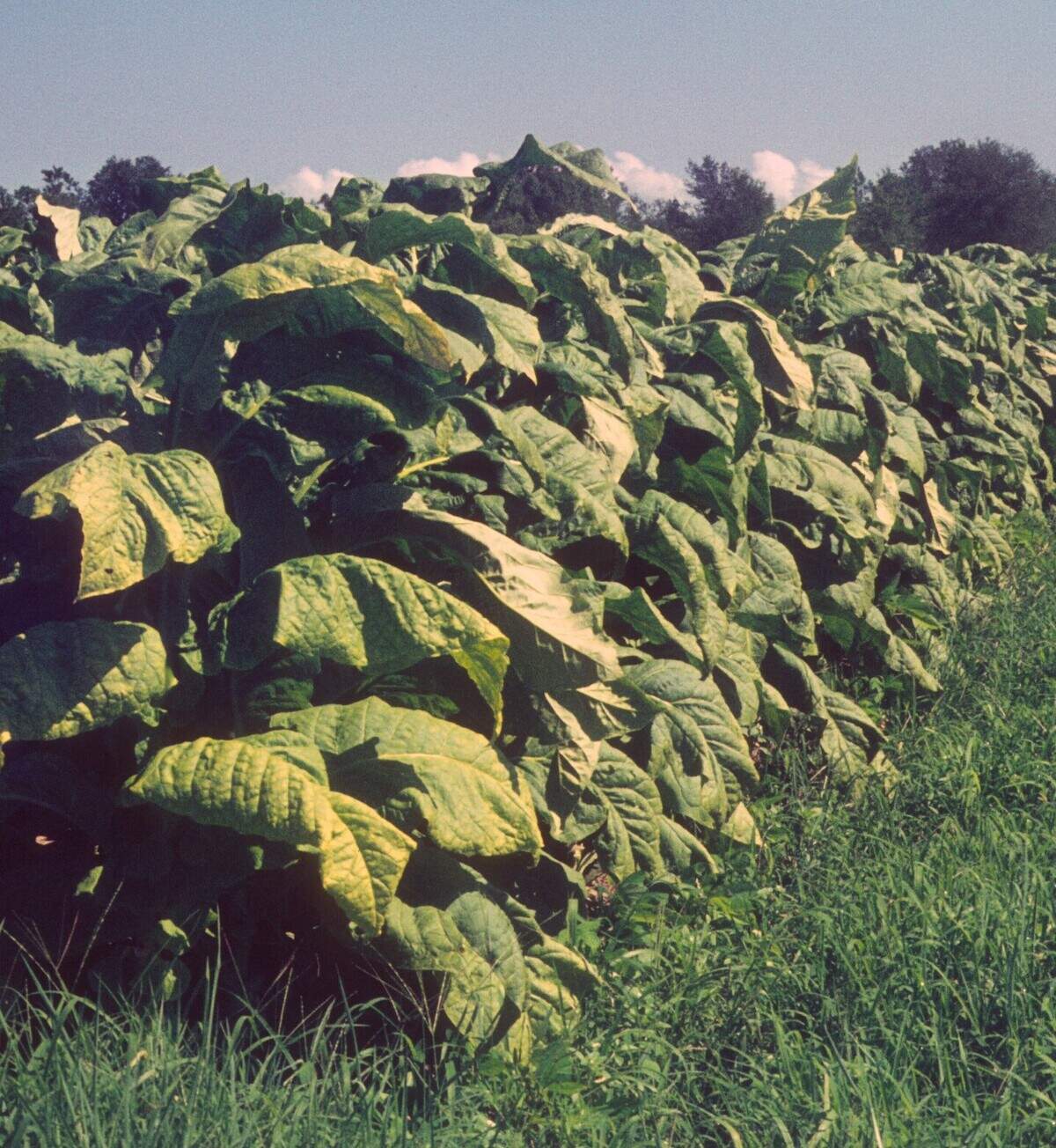
Scientific name: Nicotiana tabacum / Nicotiana x sanderi / Nicotiana glauca
Also known as: Flowering Tobacco, Mustard Tree, Nicotiana, Tobacco, Tree Tobacco
Where you’ll find it: There are many varieties of tobacco — some cultivated as a cash crop, but other varieties are present in wildlife habitats or even in container gardens and patio gardens. Not all varieties are toxic if ingested, but the ones listed here are dangerous.
Why it’s dangerous: Eating the leaves or flowers can cause severe vomiting, diarrhea, slow pulse, dizziness, collapse and respiratory failure.
How it will hurt you: Ingesting tobacco leaves or flowers can be fatal.
Yellow Jessamine
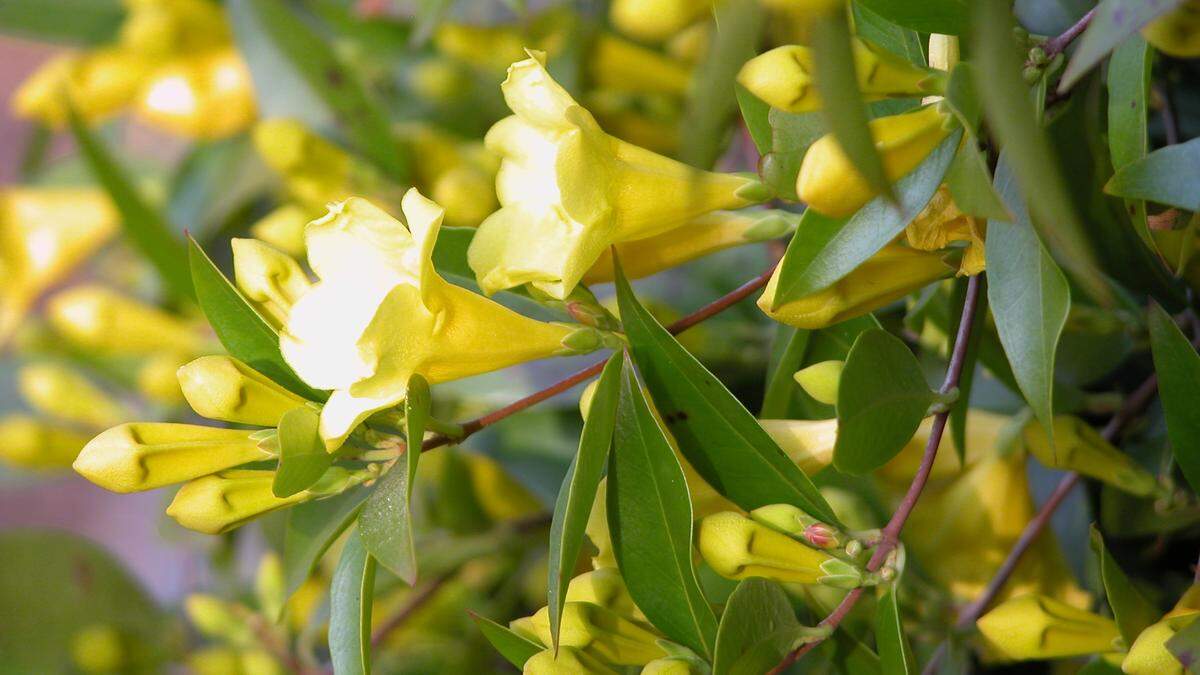
Scientific name: Gelsemium rankinii
Also known as: Swamp Jasmine, Swamp Yellow Jessamine, Yellow Jessamine, Carolina Jasmine, Carolina Jessamine, Carolina Yellow Jessamine
Where you’ll find it: Yellow Jessamine is found in wet or dry woods trailing on the ground, and climbing in bushes and trees in the Coastal Plain and lower Piedmont.
Why it’s dangerous: The flowers, leaves, stems and roots contain cumulative poisons that cause sweating, nausea, muscular weakness, dilated pupils, lowered temperature, convulsions, paralysis and respiratory failure.
How it will hurt you: If ingested, it could cause death in humans, livestock and pets.
Sources: JC Raulston Arboretum at NC State University; Carolinas Poison Center; “Poisonous Plants of North Carolina” by James W. Hardin; Handbook of Poisonous and Injurious Plants; Manual of Vascular Flora of the Carolinas.
This story was originally published June 5, 2021 at 11:00 AM.