High-rises are under scrutiny after Fla. collapse. And Raleigh has new ones on the way
Tom Blazejack remembers running to the roof deck of his 15-story Raleigh condominium building to watch a massive fire that destroyed the under-construction The Metropolitan apartment building in 2017.
He was looking for embers.
“The wind was blowing the other way that night,” Blazejack said. “So we were lucky. But you could feel the heat from our roof deck. And it was terrifying.”
He and his wife have lived at the West at North building, first as renters and now as owners. And they’ve watched as new high-rise towers have sprouted around downtown Raleigh.
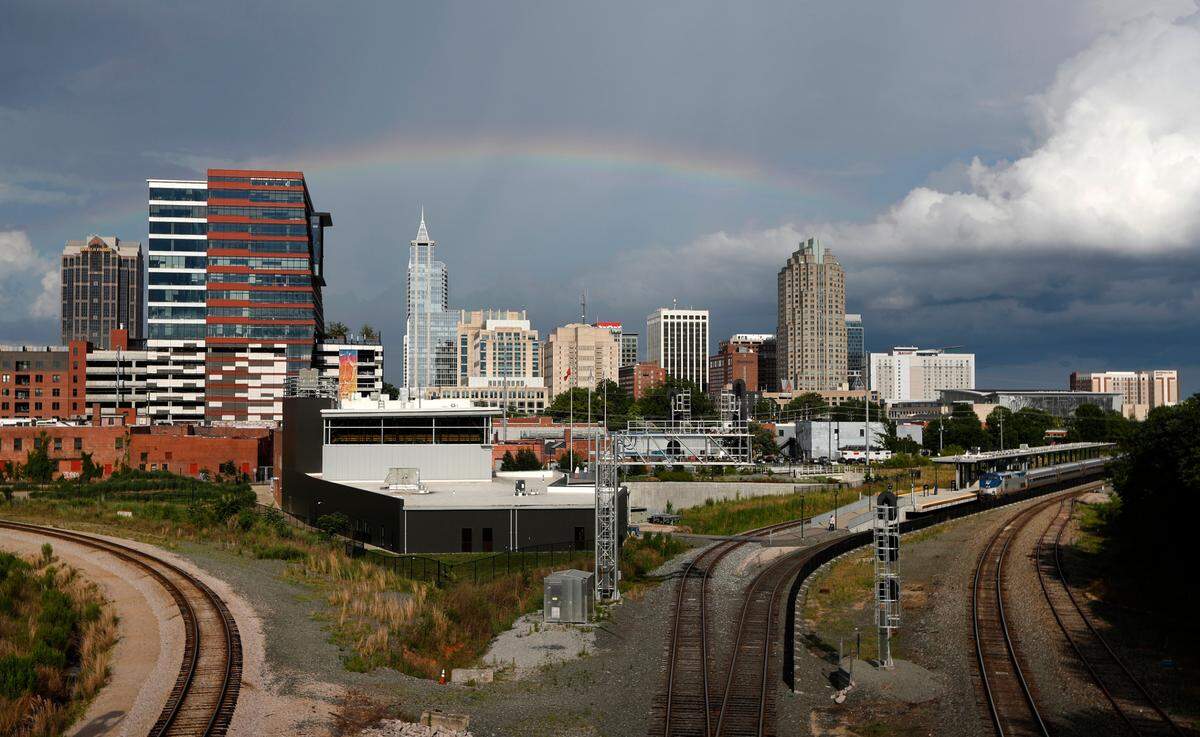
There are 35 high-rise towers — a technical term but usually means a building that has more than seven or eight stories — under construction or in the works, said Tom Hosey, Raleigh’s deputy director of planning and development services.
Plus, Raleigh already has 79 high-rise developments throughout the city, according to Brandon McGhee, Raleigh’s assistant fire marshal.
And the safety of high-rise developments is in sharp focus now in the aftermath of the 12-story oceanfront condo tower that collapsed near Miami on June 24. As of Friday evening, 22 people had died and more than 100 others were stilll missing.
Raleigh’s best practices
Raleigh has implemented best practices that are unique to the state, Hosey said.
But tragedies often spur new regulations. Industry members have already begun asking what can be done to prevent a similar tragedy to what happened in Florida, he said.
Large commercial projects, like high-rises, are required to be designed by a North Carolina-registered structural engineer, and then they are reviewed by a state-licensed city inspections employee, he said. The city requires a third-party review for high-rises or major projects. That’s a best practice, particularly on the West Coast, Hosey said.
But Raleigh is the only North Carolina city that has that additional requirement.
“It doesn’t mean we were worried about the safety of them,” Hosey said. “We thought it would benefit from having an extra set of eyes to review major projects.”
The city also has a major projects team made up of four inspectors with a high level of training and expertise that reviews high-rise and major projects. The FNB Tower on Fayetteville Street was one of the developments reviewed by the special team.
There are so many high-rises on the horizon that Hosey said he plans to expand to two teams. But finding qualified workers can be difficult.
Raleigh and Charlotte are the only two North Carolina cities that typically have many high-rise buildings, he said, adding that the state license requirement doesn’t recognize other state’s licenses.
Recertification procedures
Every year, high-rises and smaller multifamily properties must have their fire alarms and other life and safety systems inspected. If the city Fire Marshal’s Office sees structural damage during the inspection, they let someone in development services know, McGhee said.
Normally structural damage is caused by a fire or a vehicle that smashed into a building, he said. It’s rare to see structural damage from a lack of maintenance, McGhee said.
The city’s Housing and Neighborhoods Department enforces the housing and building standards for the city, but that enforcement is typically complaint-driven.
“We can build houses and buildings like tanks,” Hosey said. “No one would be able to afford to build them and buy them. It’s a balancing act.”
Many developers of mid- and high-rise projects and multifamily developments have yearly insurance inspections associated with their mortgages, said Fred Kicsak, vice president of maintenance and service for Blue Ridge Companies. They manage 24 apartment complexes throughout North Carolina and also have properties in South Carolina and Virginia.
The Miami-Dade area has one regulation that isn’t required in North Carolina. Most non-single-family buildings must go through a recertification process meant to catch structural issues once a building turns 40. The Champlain Towers South Condo was at the start of the process, according to The Miami Herald. A 2018 inspection report flagged a “major error” dating back to the building’s origin.
“If you ask anybody in multifamily if someone should come in with authority and background and experience and look at your product and be able to assess it, I think that is fair,” Kicsak said. “I don’t think anyone in our industry would disagree with that.”
Developers and builders would need to be part of the process of creating any new rules to make them fair, he said.
‘It’s terrible. It’s awful.’
Blazejack and his wife also have a home in Miami, and they’ve watched the coverage of the collapse.
“It’s terrible. It’s awful. You don’t expect them to fall down like that.” he said.
Regardless of where a person lives they have to have an emergency plan, Blazejack said, and he feels secure with the annual inspections that are required for his Raleigh condo.
“We have better fail-safe measures than you do on typical single-family houses,” Blazejack said. “There are trade-offs, but I think there are engineering systems at play that often make it more secure. Normally you feel secure in these buildings.”
The West Condo Owners Association hired a structural engineer to look at the building’s lifespan and help inform how long the owners have to save for big maintenance items, like a new roof.
“When these buildings are constructed the developer is the HOA,” Blazejack said. “And the developer will often, not every time, but often shall I say subsidize the cost of running the building. So the published HOA fee is low, which contributes to the marketability of the building.”
When a majority of units are bought, the HOA switches to the condo owners, who can be left with a large maintenance bill, he said.
“Some public accountability for the condition of buildings is a good idea,” he said. “I think it can be done differently than requiring owners to get third-party inspections done. It might be a good step for major buildings, but for smaller things I think that can turn into quite a burden on property owners.”