Cobra owner’s lawyer says enclosures passed recent inspection. Snakes have been seized
The lawyer for the man facing charges related to an escaped zebra cobra says Raleigh animal control inspected her client’s snake enclosures just months ago and found everything there to be “in full compliance.”
Anna Smith Felts, the attorney for Christopher Gifford, 21, told The News & Observer on Thursday that in March 2021, the same month Gifford was bitten by a deadly green mamba, animal control officers inspected the basement of Gifford’s parents’ home in northwest Raleigh and that “all of the enclosures were found to be appropriate.”
After the escaped cobra incident, Gifford is facing 36 charges of keeping venomous snakes in improper enclosures and three charges related to snakes in containers that were mislabeled. He also faces one charge for not reporting the zebra cobra missing when it initially escaped.
All of the charges are misdemeanors under North Carolina law.
Snake escaped in November
Felts said Gifford is being forthcoming with authorities and told them that the snake in question had actually escaped in November 2020.
Wake County District Attorney Lorrin Freeman confirmed that the basis of one of the charges against Gifford is the fact that he “failed to notify law enforcement” when the spitting zebra cobra escaped.
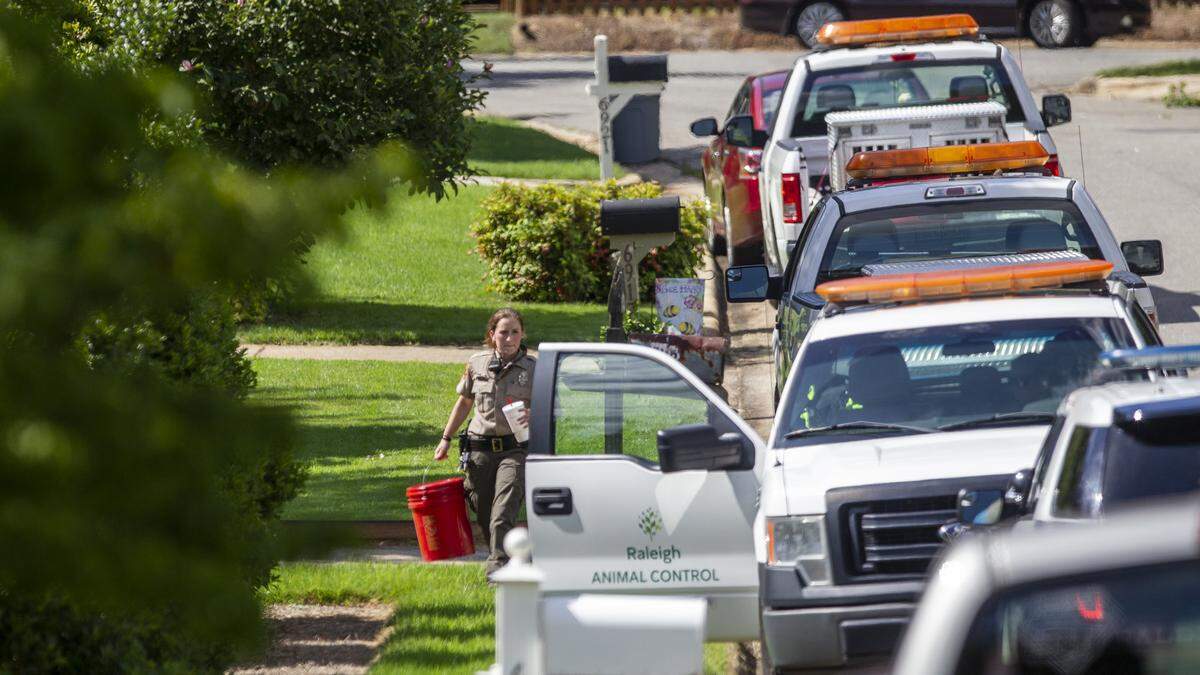
Gifford’s cobra was reported through a call to 911 after being spotted outside a home on Sandringham Drive, about a half-mile from Gifford’s home, on Monday, June 28. On Tuesday, Raleigh police and animal control searched Gifford’s home and removed something in a large plastic bucket.
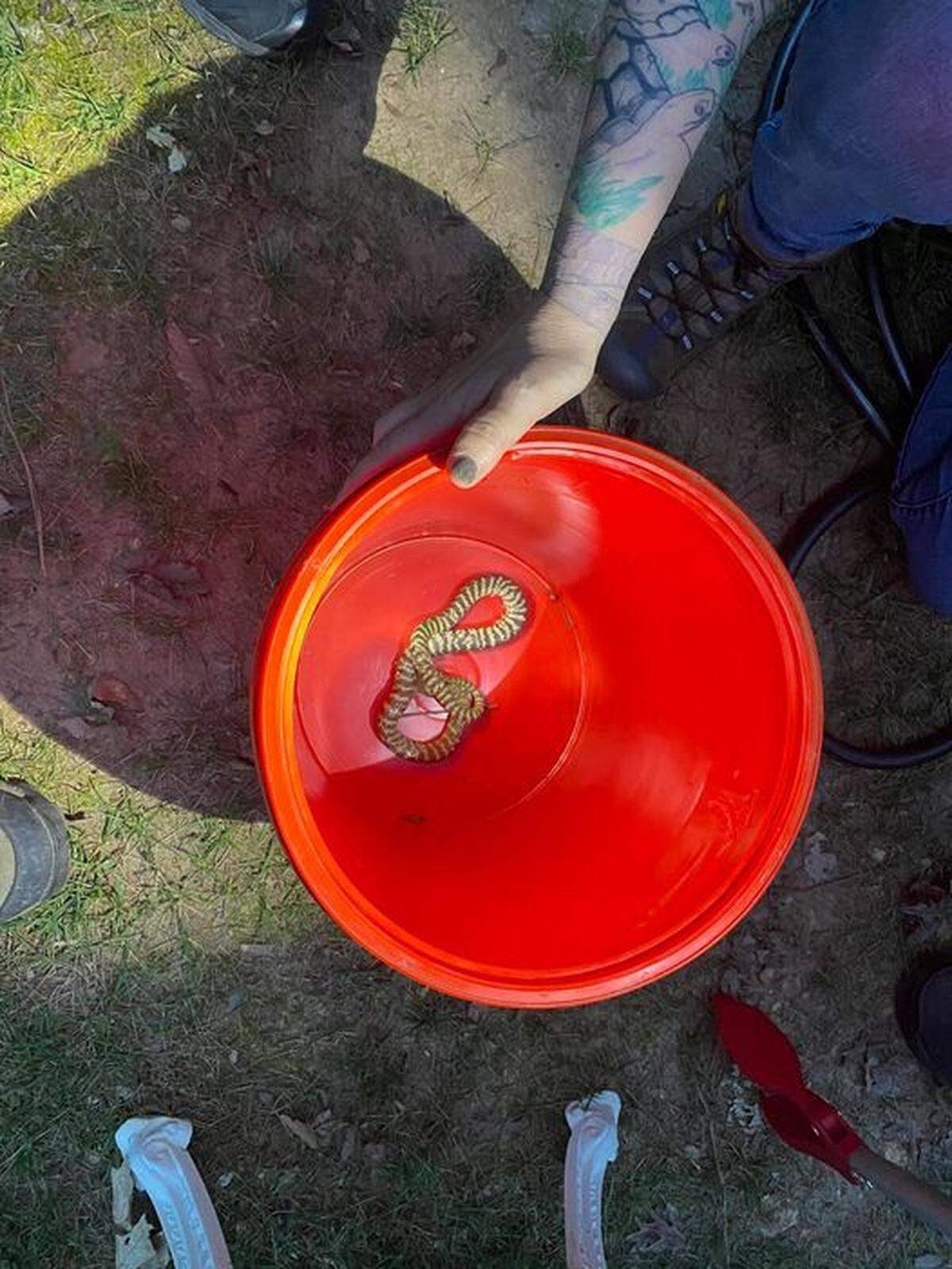
The escaped snake was captured by Raleigh animal control officers on the evening of Wednesday, June 30.
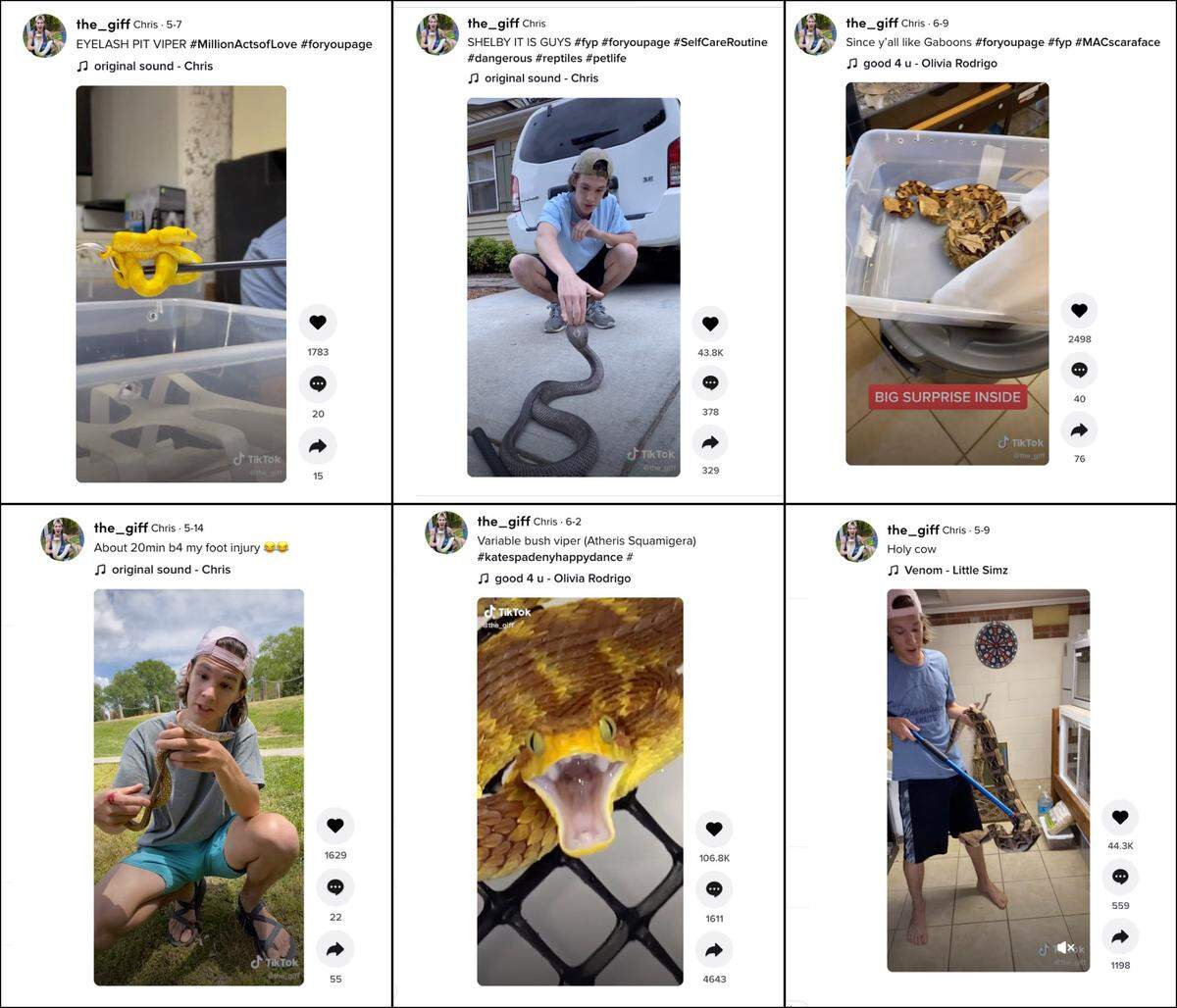
Gifford’s social media presence has revealed that he keeps a large collection of deadly reptiles, including monocled cobras, rattlesnakes, Gaboon vipers and the green mamba that bit him in March, requiring antivenom from a South Carolina zoo.
Snakes seized
Felts said that all of Gifford’s snakes have been seized, and that he is cooperating with authorities.
“He’s been working with them since Day 1,” Felts said. “He has been compliant with everything they have requested.”
There are no indications or allegations that any additional snakes have escaped, said Felts.
After the zebra cobra escaped, Felts said Gifford “made all efforts to find the snake and subsequent efforts were made to ensure that all snakes he possessed were enclosed properly.”
Felts also confirmed that the very large zebra cobra that was seen in Gifford’s now-deleted videos on TikTok and Instagram is not the same snake that escaped and was captured last week. The recently captured snake was a baby when it escaped.
How did the cobra survive the winter?
The mostly nocturnal zebra spitting cobra, also known as a western barred spitting cobra, is native to the deserts and drier regions of southern Africa.
Many have wondered how a cobra native to Africa, possibly born and raised indoors, could survive even a mild North Carolina winter.
South Africa actually has a cooler climate than many might expect, and according to the website Natural Habitat Adventures, average low temperatures typically bottom out in the 40s during the summer months there.
Dr. Ben German, an Emergency Department physician at WakeMed who assisted in last week’s capture, has studied snakes and has experience catching cobras in India.
He told The News & Observer that snakes are good at adapting during the winter months.
“I was surprised that it survived that long, but it did and it was apparently doing well,” German said of the Raleigh zebra cobra. “It had been eating and seemed to have set up a home range in the front yard.
“In the winter months, snakes typically find a place underground, in a rock pile or similar area to avoid cold temperatures,” German said. “This snake could have been in a burrow, a wood pile or under a home. It also probably helped that our winter seemed relatively mild.”
This story was originally published July 8, 2021 at 4:19 PM.