Pandemic puzzler: People drove less, had fewer accidents, but more died on the road
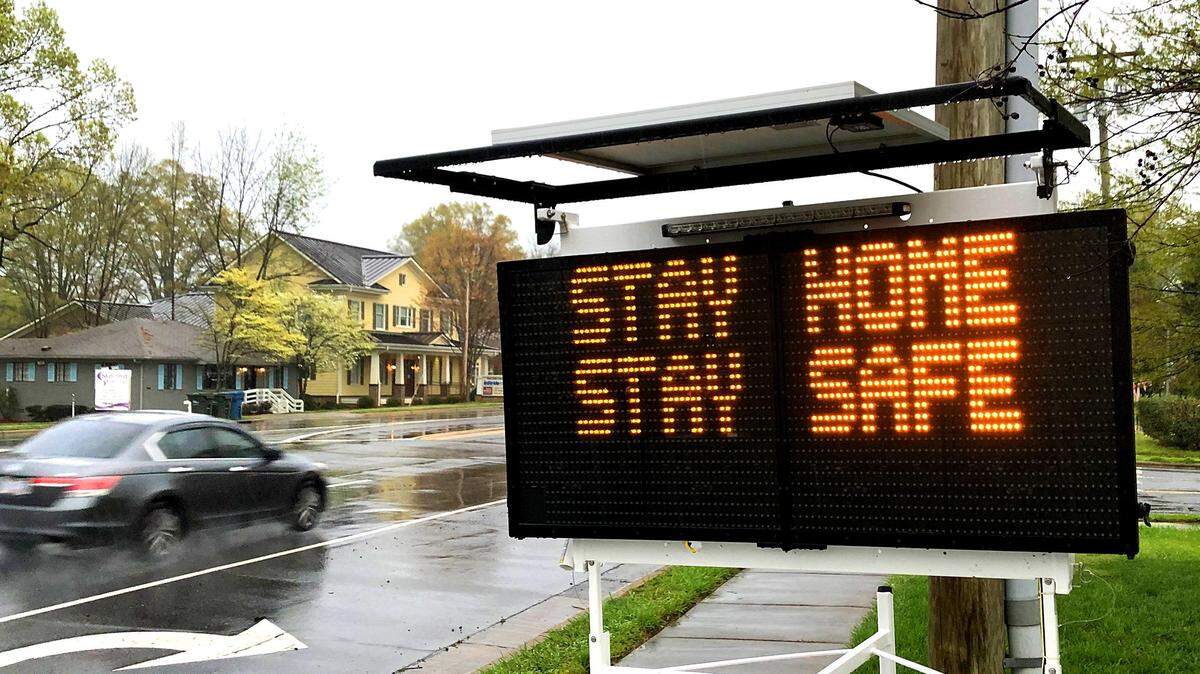
Here’s one bit of good news out of the COVID-19 pandemic: People drove less in North Carolina in 2020, and that helped drive down vehicle crashes by more than 13%, according to new data from the state Division of Motor Vehicles.
Fewer crashes, in turn, meant the number of people injured in collisions declined, too, by nearly 16% last year, according to the DMV data.
But at the same time, the number of people killed in vehicle crashes last year increased nearly 13%, to 1,658. That’s the highest number of people killed on North Carolina roads since 2007.
Those conflicting trends — more traffic fatalities in a year of less driving and fewer crashes and injuries — confounds traffic safety experts, who say they have ideas but no single explanation.
The leading theory is that the shuttering of schools and businesses to try to curb the coronavirus resulted in fewer cars on the road, which in turn made it easier for people to speed. Speeding was a factor in a quarter of all highway fatalities last year, according to DMV.
“Where speeding involvement is higher, we tend to see greater severity of crashes,” said Wes Kumfer, a researcher at the Highway Safety Research Center at UNC Chapel Hill. “People are traveling more quickly; it just makes sense based on physics that the likelihood of death or serious injury is higher.”
An investigation by The News & Observer and The Charlotte Observer last spring found that extreme speeding has become rampant in North Carolina. People find it easier to drive faster when they have more room on city streets or the highway, said Mark Ezzell, director of the N.C. Governor’s Highway Safety Program.
“Congestion, as annoying as it can be, does serve as a natural barrier to speeding,” Ezzell said. “And because there was less congestion on the roads, more people were traveling at greater speeds than they otherwise would be.”
Speeding one of more potential factors
But speeding wasn’t the only reason more people died in vehicle crashes last year. Alcohol was a factor in about 25% of crashes, up slightly from 2019.
Another issue was a drop in seat belt use. Forty-seven percent of people killed in crashes in North Carolina last year who had access to a seat belt weren’t wearing one, up from 43% the year before. The number of unbelted people who died in collisions rose by 111, to 545.
Most drivers and passengers in North Carolina wear seat belts. Belt use has hovered around 90% since 2005. But for some reason, it dropped last year, to about 87%, still a large majority but perhaps a factor in the higher number of deaths, said Arthur Goodwin, a psychologist who does behavioral research for the Highway Safety Research Center.
“Wearing seat belts is probably the single most important thing a person can do to protect themselves from getting injured or killed in a crash,” Goodwin said. “So even a small drop in belt use can result in pretty big increases in fatalities.”
Goodwin says there’s a strong correlation between all these factors. The people who drive at high speeds are also more likely to drive impaired and less likely to wear a seat belt.
Which brings Goodwin to another theory about why accidents became more deadly last year: Maybe the types of people out driving changed during the pandemic. Perhaps those who couldn’t, or didn’t want to, stay home during the lockdown were younger on average, he said.
“We know that younger people are more likely to be involved in speed-related crashes or are a little bit less likely to wear a seat belt,” he said. “So it could be that the driving population was just different last year.”
Still another theory, Ezzell said, is that people were distracted during the pandemic by their emotions and concerns for their health, jobs and families.
“I think that speeding and the lack of seat belt use shows that people simply weren’t paying attention to driving like they normally would,” he said.
More cyclists, pedestrians killed
Distracted drivers going faster may be factors in the higher numbers of people killed while cycling or walking.
The number of pedestrians killed in vehicle crashes continued a long upward trend, rising 7.8% in 2020 to 249. Meanwhile, 28 cyclists were killed, up from 18 the year before.
The pandemic may have played another role in those numbers, as more people went riding or walking instead of going to a gym, Ezzell said.
Whatever the explanations for the higher number of deaths on the highways, the pattern has continued in 2021. Through the end of August, the number of fatal crashes had increased nearly 17% from a year earlier, according to the state Department of Transportation.
“Whatever trend started in 2020 unfortunately seems to be carrying over this year,” Goodwin said. “We were hoping it was just a short-term blip, but it may be a longer-term pattern.”
Other findings from the DMV report
The history of crash deaths in North Carolina and nationwide has been one of dramatic improvement since the 1960s. The number of people killed in the state per 100 million miles driven had dropped from nearly 7 in the mid-1960s to 1.20 in 2019, according to DMV. Last year it rose to 1.57.
Increased use of seat belts, graduated licensing programs for teen drivers and improvements in cars and trucks themselves, such as airbags, anti-lock brakes and better protection of occupants in a crash, have all helped make driving safer.
Based on law enforcement accident reports collected by DMV, there were 247,214 vehicle crashes in 2020, nearly 38,000 fewer than the year before. Someone was hurt in about 28% of those crashes, for a total of 105,382 people injured.
Other findings from the DMV report:
▪ The number of motorcyclists killed in crashes fell 3.8% last year, to 176. On average, 165 motorcyclists have died on the road each year over the last five years.
▪ Mecklenburg County had the highest number of fatalities last year, 125, which was well above the county’s 10-year average of 83. Wake, with about as many residents as Mecklenburg, had 88 traffic fatalities, above it’s 10-year average of 67.
▪ Robeson County remains the deadliest county in terms of fatal crashes per registered vehicle over the past three years. Fifty-three people died on the roads there last year, up from 43 the year before. Stokes County has had the fewest fatal crashes per registered vehicle in recent years, with only two fatalities last year.
▪ At least one person died in a traffic crash in all 100 counties in 2020 except one, Washington.
This story was originally published November 5, 2021 at 5:30 AM.