
Afraid of needles? Researchers seek NC volunteers to test nasal-spray COVID vaccine
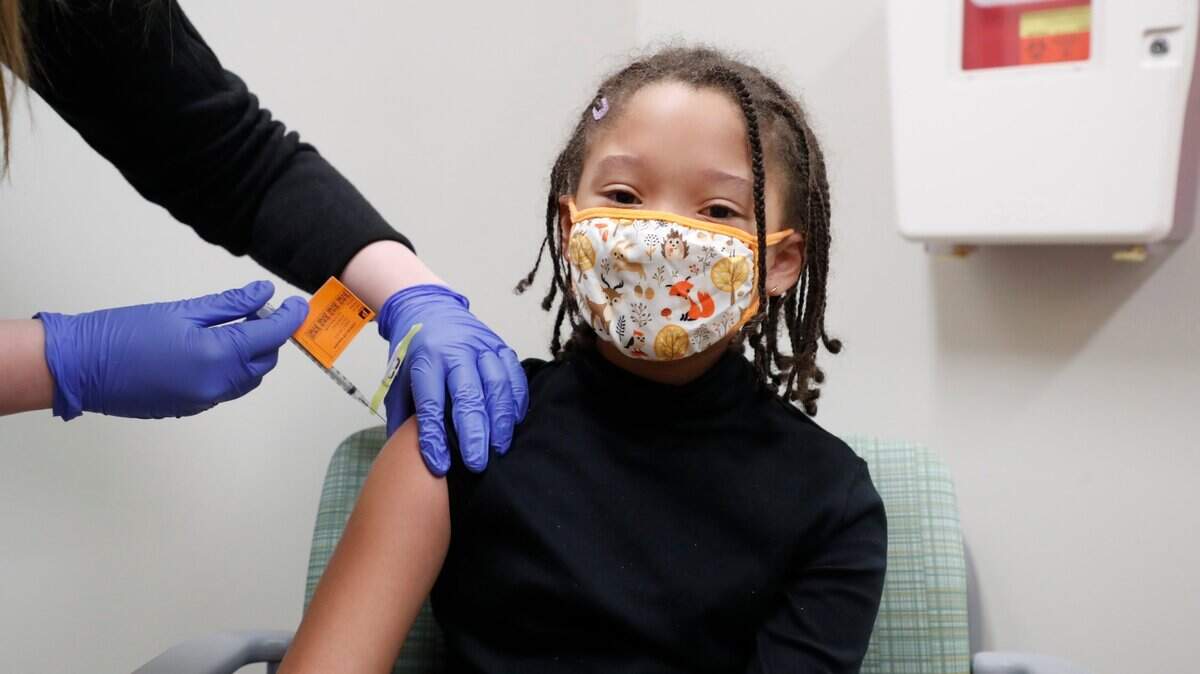
Even before the pandemic, doctors faced squeamish patients who wriggled and kicked at the sight of a needle.
“I’ve had my share of pinning down kids, I can tell you,” said Dr. Matthew Hong, a family physician with Wake Research. “Some kids have got 10 times my strength.”
But a new COVID-19 vaccine that comes in the form of a nasal spray is being tested nationwide could offer relief for patients nervous about getting stuck. Wake Research now seeks volunteers to test the spray, which will also be tried out in droplet form.
“This is going to be the first really big human trial,” Hong said. “Everything is pretty sound as far as the mechanisms. It all makes sense.You actually have to put it on the road and test it. That’s what this is.”
Interim results
In October, California-based Meissa announced interim results of a Phase 1 study based on 49 patients, showing that a single nasal-spray dose created antibody levels that resemble natural immunity.
Those trials are now continuing in about 130 people nationwide, Hong said, including about 25 to 30 people being recruited in Raleigh.
To participate, volunteers must be older than 18, unvaccinated and free of COVID-19 since the pandemic’s beginning. The best way to volunteer is by calling Wake Research at 919-781-2514 and asking for a recruiter.
Unlike the injected Pfizer or Moderna vaccines, Meissa’s is live and attenuated — meaning patients will receive a weakened dose of actual virus. The bulk of it is RSV, Hong said, but with spike proteins from COVID-19 as a coating. The vaccine is designed so that viruses, already in low doses, reproduce slowly.
“It’s not going to cause an actual infection,” Hong said. “But it’s going to be enough to activate the immune system.”
Beyond being needle-free, Hong said, the spray is supposed to create a more robust response since it gets introduced directly to the nose, a major entryway for viruses. It also shouldn’t be needed as often as the injected viruses.
“We need an intranasal COVID-19 vaccine to block transmission, prevent infections, and control (COVID) spread and variants, and a live attenuated vaccine is the best approach for intranasal delivery,” said Martin Moore, cofounder of Meissa Vaccines, in a news release.
Some have been waiting
It may prove hard to find unvaccinated people willing to volunteer so far into the pandemic, but many people have just “been waiting and waiting,” Hong said.
Needle apprehension, meanwhile, is significant. A 2018 review paper in the Journal of Advanced Nursing showed levels of fear in 20% to 50% of adolescents and 20% to 30% of young adults. Needle fear kept 16% of patients away from flu shots.
But while the nasal spray, if proven effective, would eliminate sharp delivery devices down the line, there is a catch for volunteers in the tests:
You’ll need to have several blood tests.
This story was originally published November 9, 2021 at 2:17 PM.