
Tornadoes in the winter months? In North Carolina, they’re more common than you’d think
Tornadoes strike ferociously, sometimes without warning. And in the mind’s of most people, they hit around April.
But with the world’s eyes turned to devastation in Kentucky, where an outbreak killed more than 70 people Friday, scientists call the springtime “tornado season” a misconception.
Winter twisters are common, they say, and may be increasing. The threat of severe weather in traditionally cold months rises along with the temperature.
“There’s quite a few cold season tornadoes in the Southeast,” said Matthew Parker, professor of marine, Earth and atmospheric sciences at N.C. State University. “Even more in the Gulf Coast, lower Mississippi. It’s been that way. But there’s actually some research showing conditions for wintertime tornadoes have gotten more favorable.”
North Carolina sees about 30 tornadoes a year, most of them in the eastern counties, most of them in April or May.
NC tornadoes in winter months
It’s hard to compare historic tornado data with newer numbers because reporting has dramatically improved thanks to Doppler radar technology and a larger population to spot them, said Corey Davis, assistant state climatologist.
But between 1950 and 2019, North Carolina had 97 tornadoes in December, January or February — an average of 13.8 per decade. In the past 10 years, that average jumps to 21.
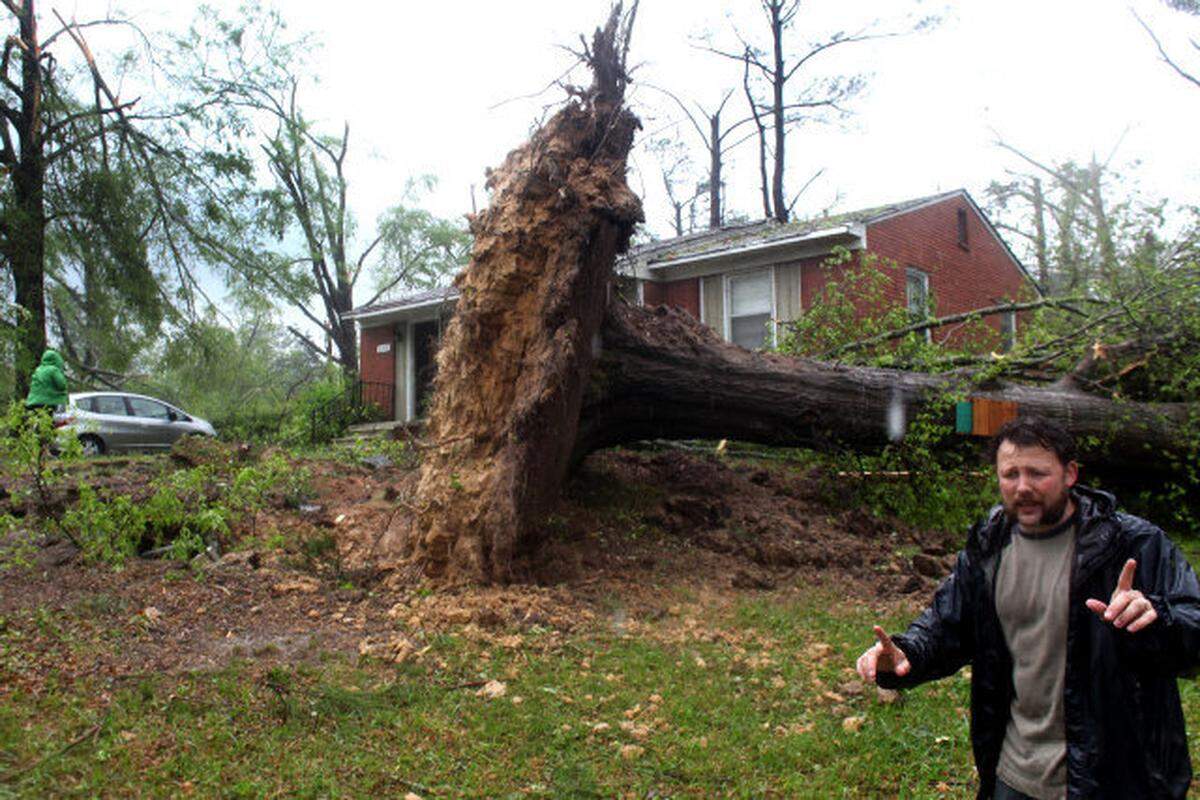
The difference is even more stark, Davis said, comparing twisters in the first two weeks of winter and the final two. In the past 10 years, tornadoes in that window nearly doubled to 12 from 6.6 per decade.
The outbreak in Kentucky and surrounding states had all the ingredients of an April storm, Davis said, making it more impressive.
“That probably captures the overall environmental trend,” he wrote in an email, “which is that our typical severe weather seasons are stretching out, with springs starting earlier and falls ending later. The increased availability of warm, moist air to our south and east can now fuel more severe weather events during times of year when they were historically less common.”
Tornadoes need a pair of ingredients, Parker said.
The first is wind shear, which is a change in air speed or direction higher-up. The second is instability — warmer, moister air that moves upward acting as fuel.
More days with ‘favorable’ tornado conditions
While it’s impossible to point to any tornado and say climate change caused it, the overall conditions allowing for warmer days in winter increases the likelihood.
“I think, on average, the warming and moisting could be climate change,” Parker said. “All things being equal, we’re going to have more days per winter where conditions are favorable for tornadoes.”
The misconception that tornadoes only form in spring months can contribute to people getting caught by surprise. But it appears so far that the Kentucky storms were well-predicted, and that warnings went out to residents, said Gary Lackmann, N.C. State professor of marine, Earth and atmospheric sciences.
The Courier-Journal in Louisville reported that warnings went out hours in advance, but that people still had to scramble for adequate cover.
The trouble, Lackmann said, is that even with a warning, many lack infrastructure required to resist a tornado. Most mobile home parks have no community building people can easily reach.
“We’ve come a long way in our ability to get the word out,” he said.
“Even if you get the word out, it’s having people take the warning seriously and doing something about it, and is there somewhere they can go that’s truly safe?”
This story was originally published December 14, 2021 at 11:06 AM.