Tobacco money helped build these NC cities and organizations and is still at work today
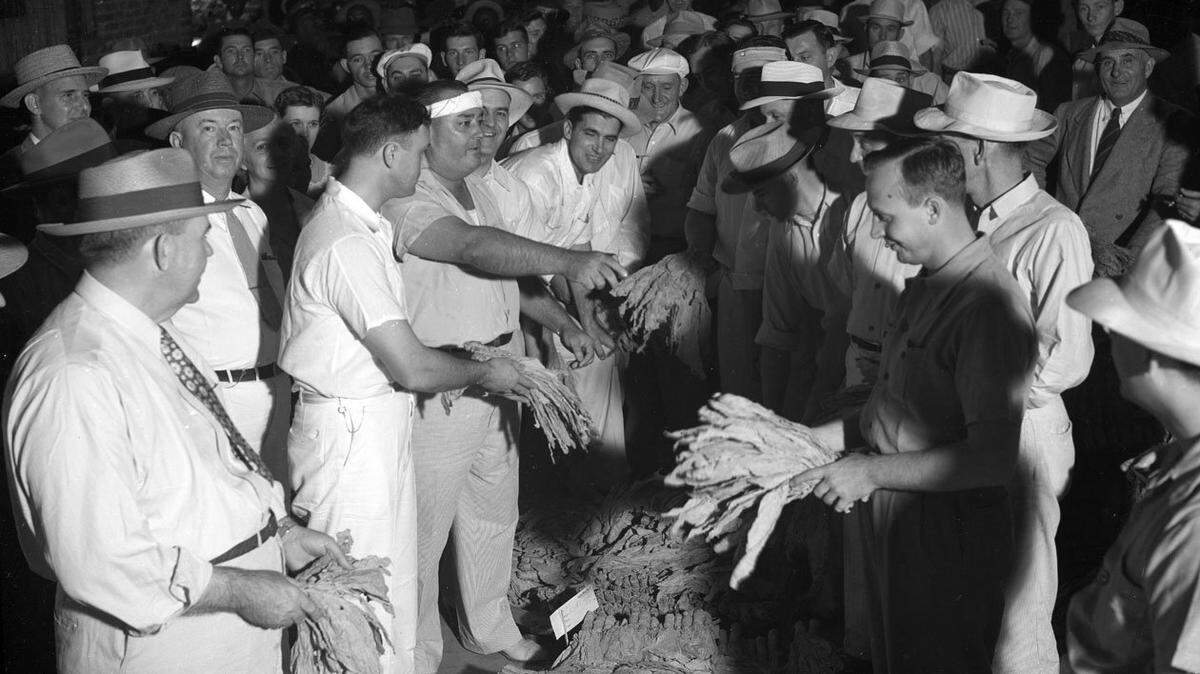
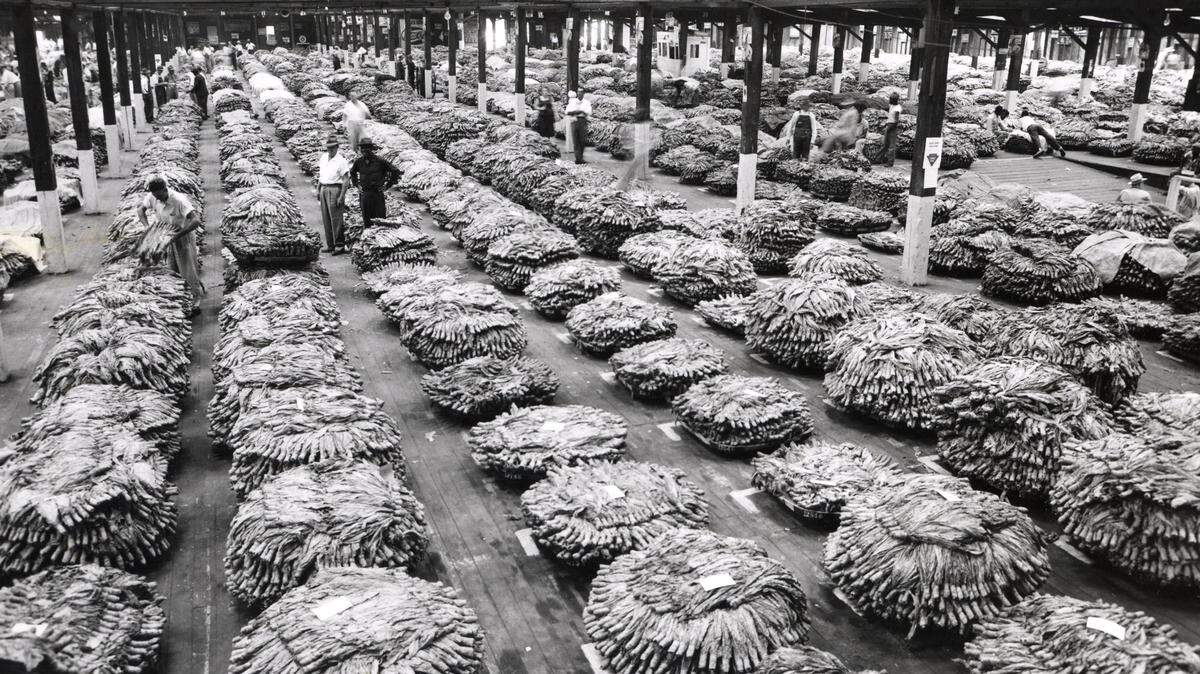
.JPG "Tobacco warehouses and cigarette factories were a major part of the downtown Durham, N.C. landscape in 1939.")
READ MORE
Big Tobacco’s Big Decline
After more than four centuries of ubiquity and profits, North Carolina’s tobacco production bottomed out in 2020 to a level not seen in nearly 100 years. Now, the state is down to about 1,300 tobacco farms, and many growers say this could be the year that pushes them out of the business, too. How are current — and former — tobacco farmers reacting?
Expand All
If you know where to look, the indelible imprint of tobacco is all over North Carolina.
There are a few obvious vestiges: the Lucky Strike tower in downtown Durham, the R.J. Reynolds smokestack in Winston-Salem’s new tech district, the hundreds of tin-roofed former tobacco warehouses now serving as antique malls and cheap boat storage in the towns where the crop was brought to auction.
But tobacco built so much more in North Carolina. Earnings and taxes paid on tobacco through the centuries were converted into houses, parks, universities, public schools, libraries, hospitals, community centers and art collections.
Even now, tobacco money gifted and invested in foundations in the past century is being used to fund public health efforts, scholarships, economic development and other civic-minded endeavors that try to offset some of the harm the crop has done.
Here are some of the things tobacco built:
Duke Endowment
▪ Duke Endowment was established by James B. Duke in 1924 with an initial gift of $4 million (that would be about $65 million today) with an additional gift of $67 million (worth more than $1 billion today) on Duke’s death in 1925. The foundation supports programs to benefit higher education, health care, child service and rural health life in North and South Carolina. Since it was launched, the foundation says it has awarded more than $4 billion in grants. Duke himself said he wanted some of the money to be used to support Duke University, Davidson College, Furman University, Johnson C. Smith University and churches and orphanages throughout the Carolinas.
Duke University
▪ Duke University was called Trinity College and sat in rural Randolph County until Washington Duke and Julian Carr helped relocate it to Durham in 1892. In 1896, Duke set up an endowment of $100,000 for the school in exchange for a promise that it would admit women students on equal footing with men, which it did. Duke gave the school similar amounts in 1898 and 1900.
Lincoln Community Health Center
▪ Lincoln Community Health Center in Durham provides primary and preventive health care in the Hayti community of Durham on the site once occupied by Lincoln Hospital. Lincoln was the fourth hospital built in North Carolina to serve Black patients, who were not welcome at white-owned facilities. The Dukes gave money to open the hospital in 1901 and supported it financially until it closed in 1976. On a cornerstone of the original building, the Dukes said it was built to honor the “fidelity and faithfulness” of enslaved people who had served the family.
Doris Duke Charitable Foundation
▪ Doris Duke Charitable Foundation is named for the only child of James B. Duke who was a world traveler and patron of the arts. As heiress to part of the Duke fortune, Doris Duke gave millions to causes and institutions she admired, including North Carolina College at Durham, which later became N.C. Central University; Shaw University in Raleigh and Bennett College in Greensboro. The foundation was formed after her death in 1996 to manage her estates as museums and public gardens. The foundation also supports the performing arts, environmental conservation, medical research and child well being through grants across the nation, including one for more than $2 million in 2007 to UNC to educate parents on how to soothe a baby who cries excessively.
American Tobacco Campus
▪ American Tobacco Campus includes the Durham Bulls Athletic Park, the Durham Performing Arts Center and more than a million square feet of 19th-century Duke-family American Tobacco Company manufacturing space. Where factory workers pioneered the mass production of cigarettes, people now dine, shop, work and live.
Reynolds Coliseum
▪ Reynolds Coliseum at N.C. State University was built as a multi-use facility, home to the Wolfpack basketball team but also reportedly designed with doors that could open wide enough for circus elephants to walk through. It’s named for William Neal Reynolds, who helped develop R.J. Reynolds Tobacco Co., because family members gave money to help build the building and to support the university in other ways. Construction started in 1942 but was interrupted by World War II and wasn’t finished until 1949.
Kate B. Reynolds Charitable Trust
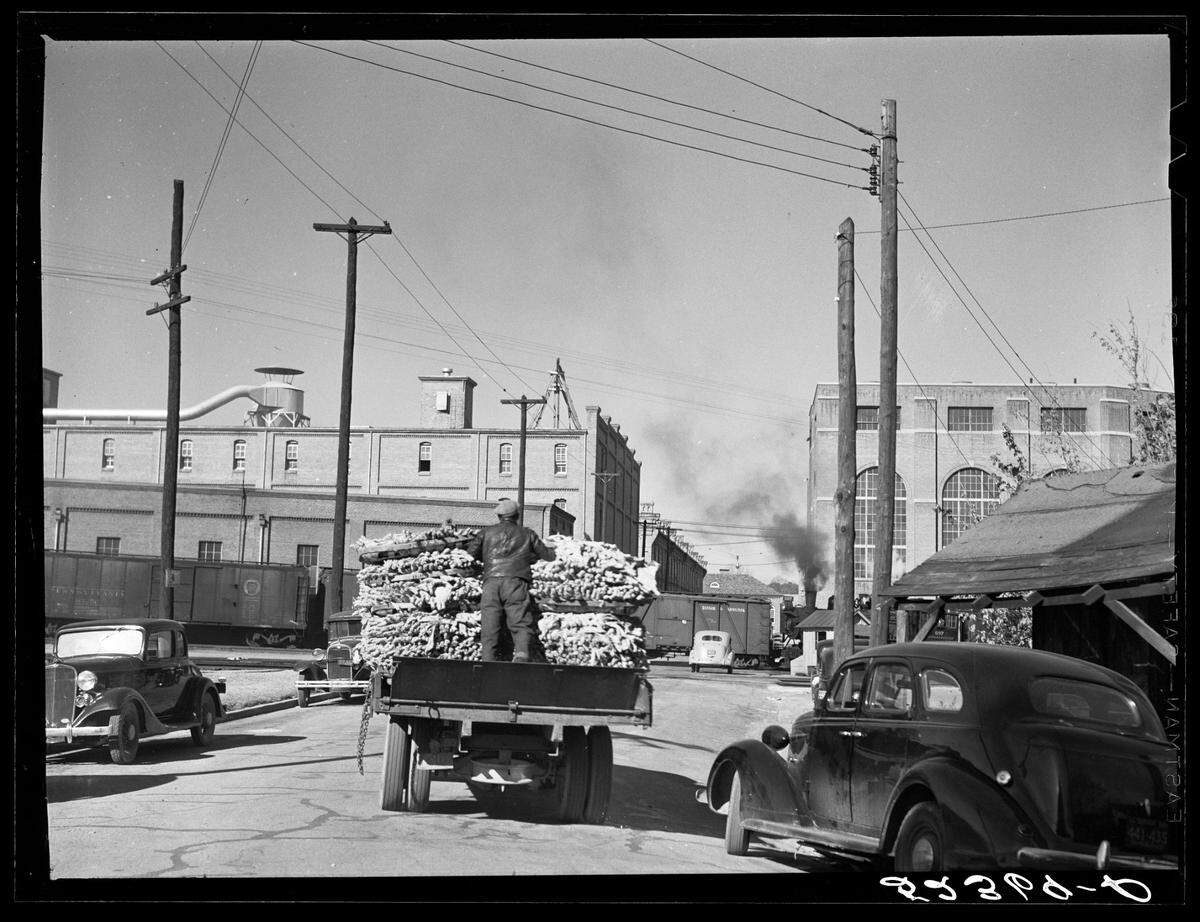
▪ Kate B. Reynolds Charitable Trust is named for Kate Bitting Reynolds, the wife of William Neal Reynolds, one of the founders of R.J. Reynolds Tobacco. Kate Reynolds believed all people, regardless of race, gender or income, should have access to good health care. The trust she set up in 1947 was dedicated to help expand that access in Forsyth County, home of RJR, and across the state. The fund announced 10 grants in January, for projects including a playground in Forsyth County and systems to help ensure the availability of healthful food in Nash, Edgecombe, Bladen, Columbus and Robeson counties.
NASCAR Winston Cup Series
▪ NASCAR Winston Cup Series started in 1971 when race car driver Junior Johnson was looking for a new sponsor and R.J. Reynolds Tobacco was looking for a new way to advertise after cigarette ads were banned from TV. Reynolds decided to sponsor a $100,000 championship series to be called the Winston Cup, which survived until 2003.
NC Tobacco Trust Fund
▪ N.C. Tobacco Trust Fund was created in 2000 to distribute North Carolina’s annual share of the $206 billion Master Settlement Agreement with the big four tobacco companies that came in November 1998. Housed in the state Department of Agriculture and Consumer Services, the fund issues annual grants aimed at helping farmers and other individuals and businesses hurt by the settlement and the subsequent decline of tobacco production in the state. Last year, the fund made grants to build a horticulture lab in Jamesville, improve a livestock arena in Shelby and held develop a 47-acre farm at Alamance Community College, among other projects.
Golden Leaf Foundation
▪ Golden Leaf Foundation, like the Tobacco Trust Fund, grew out of the 1998 tobacco settlement and uses money from annual payments from the settlement to encourage economic development in poor counties that have relied historically on tobacco. Grants last year included investment in a commerce park in Louisburg, lot development at an industrial park in Reidsville and sewer improvements at an airport in Fayetteville.
Bowman Gray School of Medicine
▪ Bowman Gray Sr. began as a salesman for R J. Reynolds Tobacco Co. in 1895 and eventually rose to the position of president and chairman of the board. On his death in 1935, he left $750,000 in company stock to be used to benefit the community, and his heirs directed the funds to attract a medical school to Winston-Salem. What was then Wake Forest College, in the town of Wake Forest, agreed to move its medical school and partner with N.C. Baptist Hospital in Winston-Salem. The Bowman Gray School of Medicine opened in 1941. It was renamed the Wake Forest University School of Medicine on the Bowman Gray Campus in 1997.
Mary Reynolds Babcock Foundation
▪ Mary Reynolds Babcock Foundation was created in 1953 with $12 million that Mary Reynolds Babcock left in her will to reduce poverty and increase social justice throughout the South. Babcock was the daughter of R. J. Reynolds and Katharine Smith Reynolds. Recent grants have include support of projects to improve working conditions in the South and support for community organizations working for social, racial and economic justice.
Reynolds American Foundation
▪ R.J. Reynolds launched a foundation to do charitable and civic work that was later renamed the Reynolds American Foundation and continues to invest in communities where its employees live and work. The foundation focuses especially on improving public education, especially in low-performing schools and for economically disadvantaged students. It also supports local United Way and arts council campaigns and funds scholarships for the children of employees and retirees.
Z. Smith Reynolds Foundation
▪ Z. Smith Reynolds Foundation is named for the youngest son of R.J. Reynolds who died of a gunshot wound before he was of age to receive his inheritance. His siblings donated their shares of his estate to start the foundation in 1936 and it now works to support projects across North Carolina that it believes will advance public education, foster a healthy and sustainable environment, promote social and economic justice and strengthen democracy.
Reynolda House Museum
▪ Reynolda House Museum is the 1917 estate of Richard Joshua Reynolds and his wife Katharine. Part of what became known as the American Country House Movement, the 64-room home was part of a working dairy fruit and vegetable farm. The couple had only lived on the property seven months when Reynolds died of pancreatic cancer. Reynolda House and Reynolda Gardens are now part of Wake Forest University and are open for tours and special events.
Dowdy-Ficklen Stadium
▪ East Carolina University’s stadium originally was named for James Skinner Ficklen, a Greenville native who was president and chairman of the E.B. Ficklen Tobacco Co. and led both the Tobacco Association of the U.S. and the Leaf Tobacco Exporters Association. He established the now-defunct Ficklen Foundation in 1952 to sponsor scholarships and other projects at the teacher training school that would become East Carolina University. The stadium was renamed Dowdy-Ficklen Stadium in 1994.