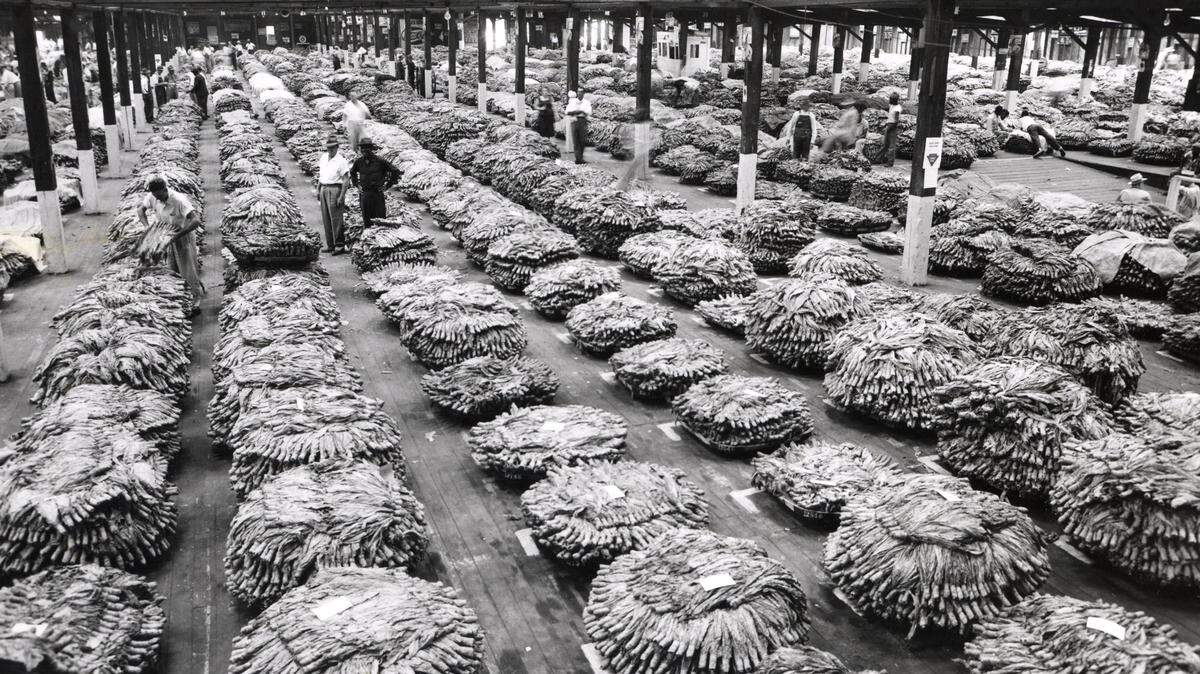
‘The point where there’s no money there’: Some have moved on to soybeans, corn and wheat
READ MORE
Big Tobacco’s Big Decline
After more than four centuries of ubiquity and profits, North Carolina’s tobacco production bottomed out in 2020 to a level not seen in nearly 100 years. Now, the state is down to about 1,300 tobacco farms, and many growers say this could be the year that pushes them out of the business, too. How are current — and former — tobacco farmers reacting?
Expand All
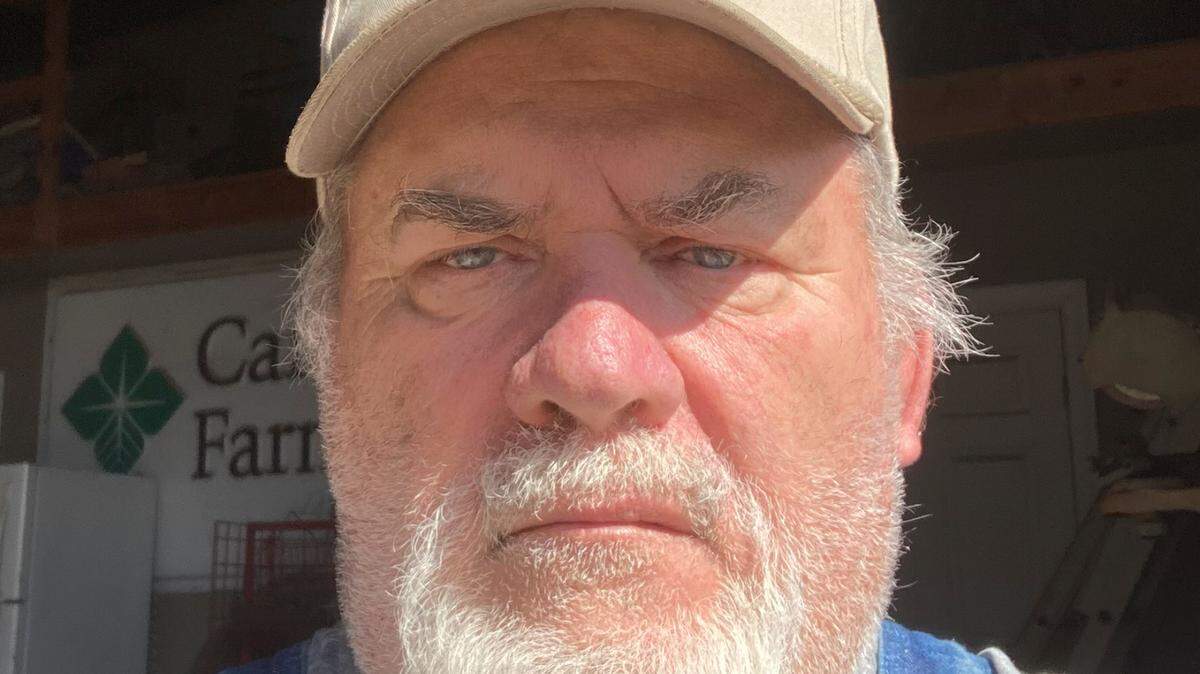
Marvin Eaton has spent every one of the past 45 Valentine’s seasons with the first love of his life.
This year, he decided, “I’m done.”
Feb. 14, give or take, is the unofficial start of the year for those who farm flue-cured tobacco in North Carolina. That’s when growers go into their greenhouses and, in an act of faith and deep financial commitment, sow the seeds of the crop they hope will pay most of the bills.
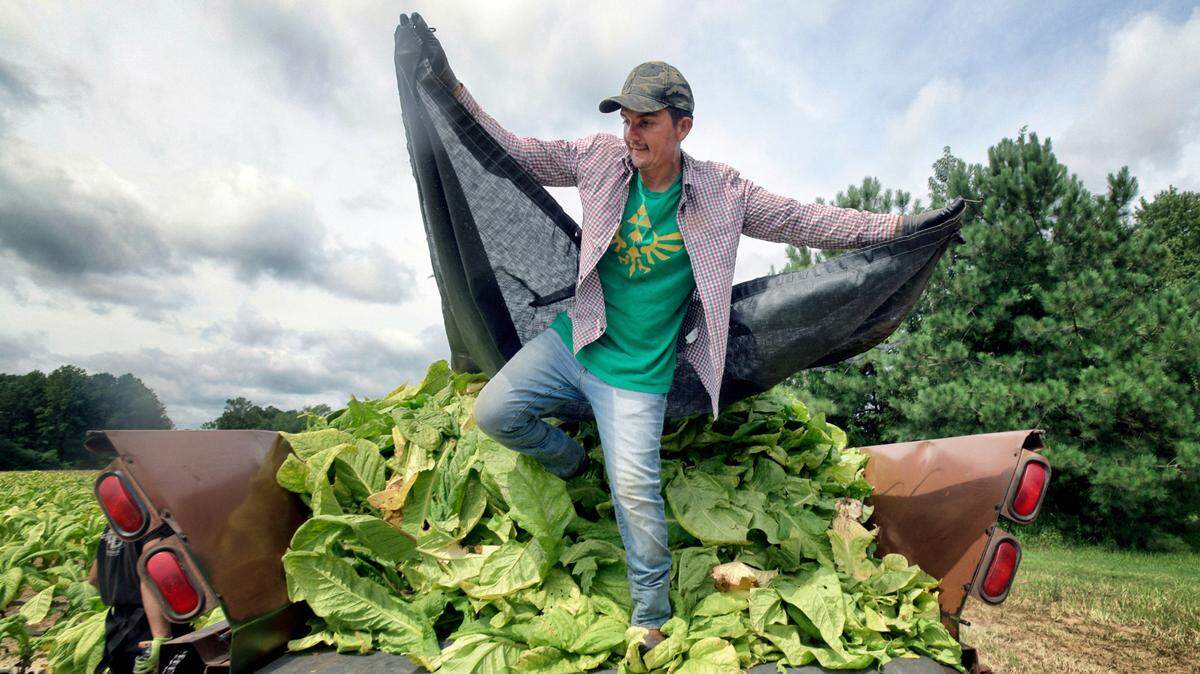
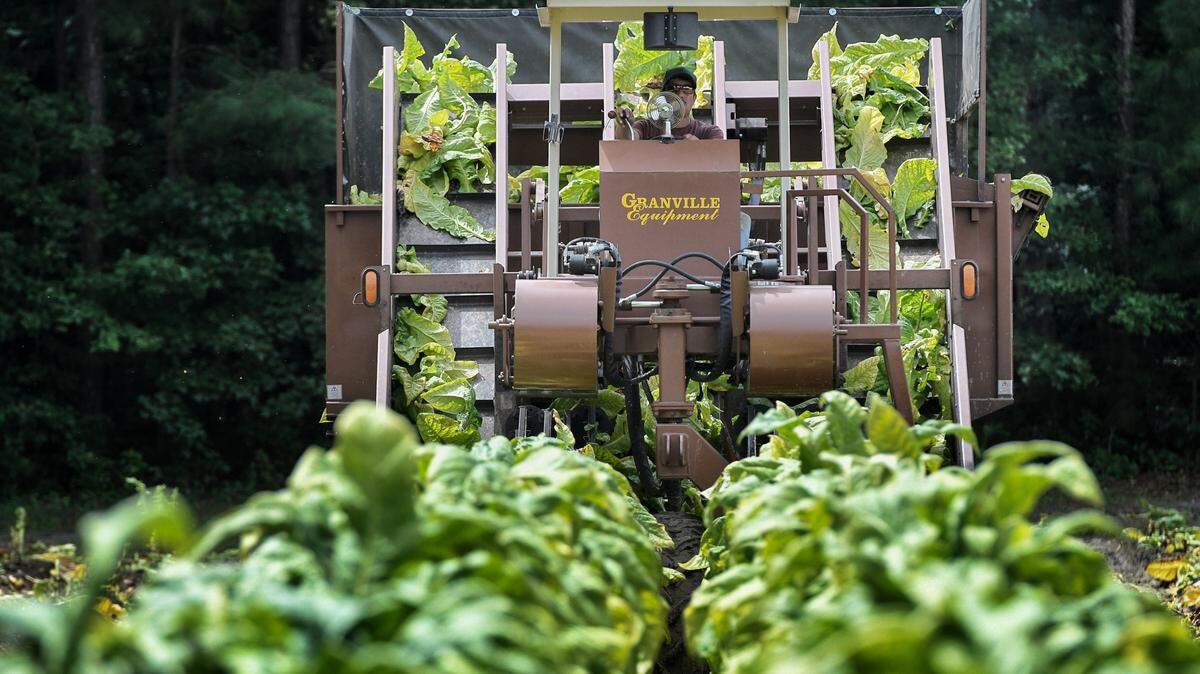
From the time they plant the seeds until the last leaves are delivered to the buyers in the fall, there’s always work to do with tobacco: transplanting the seedlings into the field, weeding, fertilizing and topping the plants, checking for pests and diseases, harvesting, drying and curing. Eaton has done it all, and enjoyed it, since the first crop he helped a neighbor raise at age 16.
‘Work hard to get some money’
Now 61, he looks back on his years growing tobacco as a whole way of living that’s on its way out.
“I like the lifestyle of it,” said Eaton, who farms with his son, Clayton, in the Forsyth County community of Belews Creek. “It raised my children up on the farm with a work ethic. They all understand computers, but they also know what it’s like to go out there and sweat and work hard to get some money. That’s part of what’s wrong with America today: People think everything should be given to them.”
Eaton says he never asked for anything to be given to him except a fair chance — and the tobacco business doesn’t do that anymore. Clayton stopped growing it two years ago, when China stopped buying U.S. tobacco in retaliation for tariffs the Trump Administration placed on Chinese goods imported here. With U.S. tobacco’s biggest customer temporarily out of the picture, buyers didn’t want to pay much for even the finest leaf.
“The same thing is happening to us that happened to textiles and furniture in North Carolina and a lot of other things,” Eaton said. “It’s been outsourced to other countries. It’s just reached the point where there’s no money there.”
Marvin Eaton has seen the tobacco business from two sides. While he preferred working the farm that his grandfather started, Eaton’s dad liked working in town and was happy to get on as a mechanic fixing the machines at R.J. Reynolds in Winston-Salem, back when the whole town smelled sweet from the tobacco-processing and cigarette-making plants that took up much of downtown.
While Eaton’s son, who is 31, grew his last crop of tobacco in 2019, Eaton hung on, hoping conditions would improve. Then the pandemic and supply problems sent the price of fertilizer and diesel fuel soaring, and the cost of propane, used in the curing process, went up this winter by almost half.
And while tobacco farming doesn’t need as much labor as it once did, Eaton would have had to hire some hands through the federal guest worker program, H-2A, whose wages will be $14.16 an hour this year, up 7.7% from 2021.
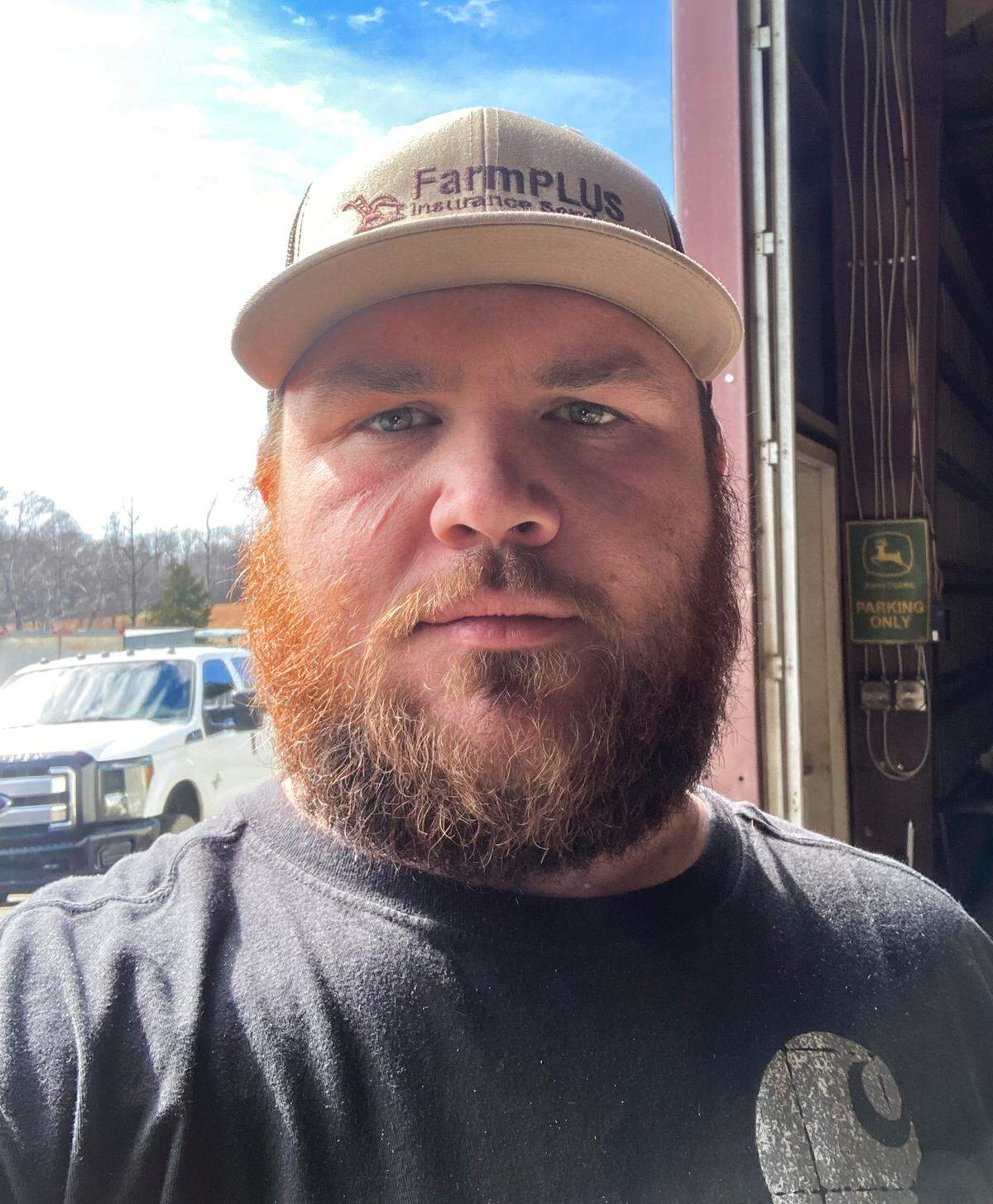
Tobacco equipment up for sale
No matter how much his costs rise, Eaton would be at the mercy of the tobacco company he contracts with each spring on the price per pound in the fall. This year, companies are saying they might pay 10 cents more per pound for tobacco than they paid last year, but Eaton figures it will cost at least 35 cents more per pound to grow.
So, like his son already has done, Eaton will shift his focus this year to soybeans, corn and wheat, most of which will end up as feed for the poultry and hogs that make up the largest sector of North Carolina agriculture now. They’ll have some strawberries too.
Costs for producing those crops have gone up as well.
The Eatons have put tobacco equipment — planters, sprayers, barns, all of it — up for sale on Facebook marketplace. There hasn’t been much interest.
“A lot of ‘em have got out of it already,” Marvin Eaton said. “Once they get out, they don’t come back. They miss doing it, but they don’t regret getting out.”
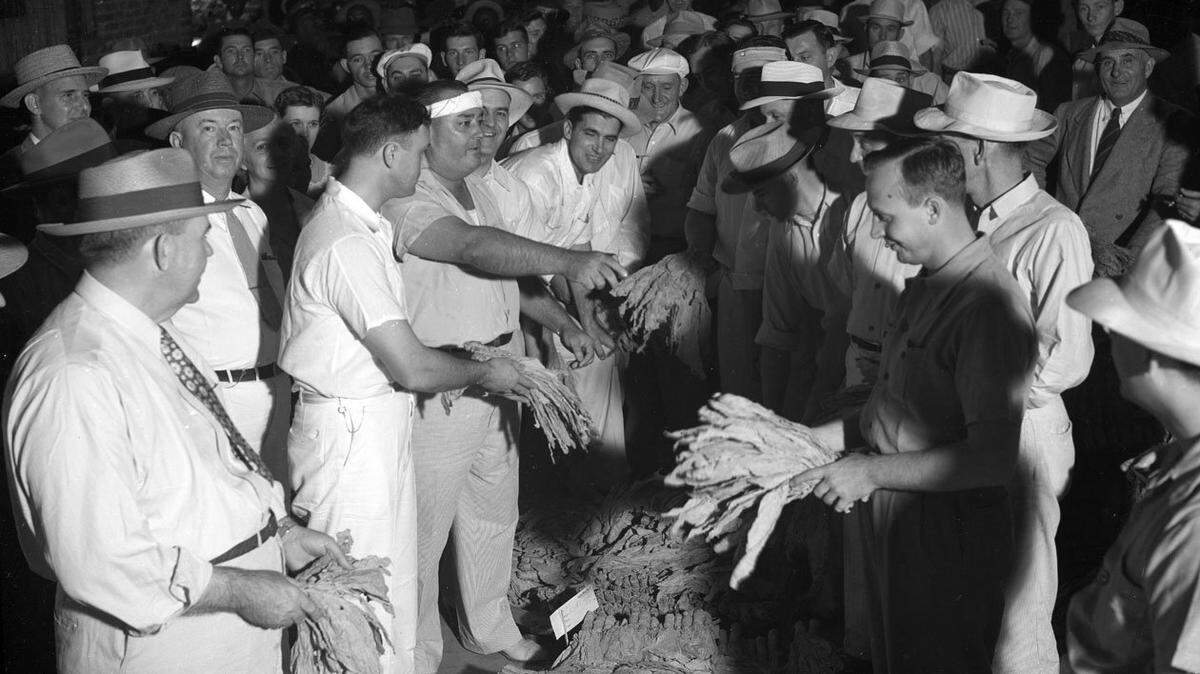
Read next: ‘You’re at their mercy’: With tobacco auctions now ended, NC farmers lost leverage.
News & Observer readers: Click here to continue.
Durham Herald-Sun readers: Click here to continue.
Charlotte Observer readers: Click here to continue.
This story was originally published February 27, 2022 at 6:00 AM.

.JPG)