Would you be more likely to donate blood if you got paid? New Raleigh center thinks so.
Triangle residents have a new option for donating blood cells known as platelets, and it could help usher in a new model for how blood products are collected nationwide.
Trusting Heart Blood Center in the Brier Creek area of Raleigh is the second blood collection center in the country opened by Secure Transfusion Services, a California-based start-up company. The for-profit company hopes to attract younger people who haven’t been inclined to donate blood products to nonprofit groups like the American Red Cross or The Blood Connection.
It starts with a spa-like atmosphere, where donors sit in private alcoves. They can watch TV, read or catch up on social media while hooked up to an apheresis machine that draws blood, separates the platelets and returns it to the body.
But the main difference is that Trusting Heart pays its donors in cash — $75 for each of the first two donations and $50 each time after that. People enrolled in the company’s loyalty program earn higher amounts the more they donate, up to $250 for the 24th donation of the year (platelet donors must wait seven days between donations). Those who refer a new donor receive $125, as does the new donor.
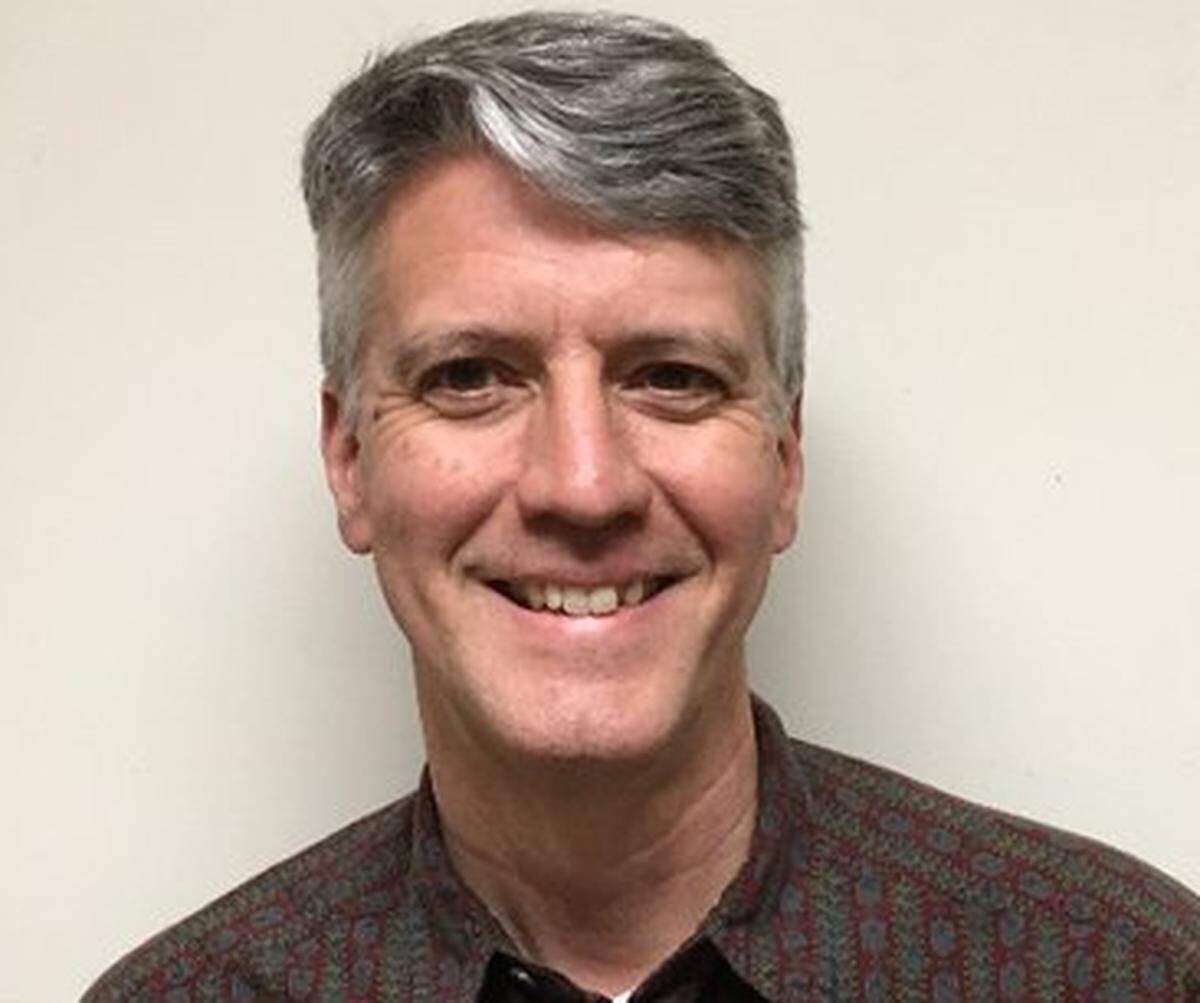
Company founder and CEO Vijai Mohan notes that giving platelets can take up to three hours, a time commitment many young people can’t or won’t make without some compensation.
“Oftentimes, these are individuals that would like to do something altruistic and would really like to donate blood products, but we think they just can’t,” Mohan said in an interview. “And so that’s where I think there can be a really helpful role that private industry can play, to bring a different means of recruiting donors in a sustainable manner.”
Companies have paid people to donate plasma for decades, and some also pay donors for blood products that are used in research. But Mohan says he’s not aware of any that pay for whole blood or platelet donations that will be transfused directly into patients.
The main reason for that goes back to the 1980s, says Dr. Nicholas Bandarenko III, medical director for transfusion services at Duke University Hospital. Viruses that cause hepatitis and AIDS were getting into the blood supply, and it was thought that donors who took intravenous drugs or had unprotected sex might be more likely to lie about it on the screening questionnaire if there was money on the line.
“By saying ‘No, you have to volunteer, you’re not going to get compensated,’ that would remove some of these higher-risk donors from the blood supply chain and help improve safety,” Bandarenko said. “Everything we could do to win the public’s trust in the blood supply chain was being done.”
Those concerns persist today, and many hospitals refuse to accept blood products from paid donors. UNC Medical Center in Chapel Hill, for example, uses only blood from volunteers at its own donation center or the Red Cross.
“We have no need for using suppliers who pay their donors,” spokesman Alan Wolf wrote in an email. “Historically, paid donors were less likely to be honest when answering the screening questions, which could potentially be detrimental to the safety of the blood supply.”
But Bandarenko thinks those concerns are outdated. Blood collection agencies are required to test each donor’s blood or platelets in a lab licensed by the Food and Drug Administration before sending it on to hospitals, he said. Trusting Heart also requires prospective donors to give a blood sample for screening before they return for their first donation.
“We have learned a lot about these infectious diseases and how to test and screen for them,” Bandarenko said. “Now the risks of transmission with current donor testing and screening are in the order of less than one in a million for many of these infectious agents, if not lower.”
Typical platelet donor is getting older
Bandarenko said he expects Duke will arrange to buy platelets collected at the Trusting Heart Blood Center to help maintain a steady supply. Platelets help blood clot, and some viral infections, autoimmune disorders, cancers and cancer treatments can reduce platelet levels, increasing the risk of bruising or excessive bleeding.
“We have a lot of patients at Duke that are receiving platelets for cancer therapy, and they require platelets sometimes on a daily basis,” Bandarenko said. “So we want to get blood products from all reputable suppliers that we can.”
While all blood products are in short supply during the coronavirus pandemic, platelets are particularly susceptible to shortages. That’s because they must be used within five to seven days of collection, requiring blood centers to maintain a steady stream of donors.
But the pool of platelet donors is getting older. Mohan cites a study that found that the largest portion of platelet donors in 2001 were 41 to 45 years old; by 2017, the largest group were in their late 50s.
“That’s the problem in this country,” he said. “That’s simply not sustainable.”
Mohan said Secure Transfusion Services is starting with platelets, because of the aging donor pool, short shelf life and growing demand as the population gets older. He said the average donor at the company’s first center, in Edina, Minnesota, outside Minneapolis, is a woman in her early 40s.
The company chose the Triangle for its second blood center, Mohan said, because of its growing population and the number of large hospitals doing complex procedures that require platelets. He said the company thinks its model will work across the country and that it may eventually branch out to whole blood donation.
Nonprofits worry about impact of paid donations
That has caught the attention of nonprofit agencies such as the Red Cross. They also provide incentives to donors, such as T-shirts or gift cards, but nothing as rich as the cash payments Trusting Heart offers.
They worry that paying blood donors could undermine the volunteer-based system that has provided the nation’s blood and platelets for decades.
“Our concern would be about the broader disruption in a paid platelet model and how it could affect the U.S. blood supply,” said Cally Edwards, spokeswoman for the Red Cross of Eastern North Carolina.
“We really affirm that the potential volunteer platelet donor base has not reached capacity yet,” Edwards continued. “And so that’s where we really try to still focus, on that volunteer donor base that’s been so critical.”
Mohan said his company isn’t looking to replace nonprofit blood centers.
“We view ourselves as being a helpful and reliable supplement to the existing industry,” Mohan said. “But I think it’s becoming increasingly certain that the blood supply is very fragile, and that we need diversified methods of interacting with donors. And we think that with regards to that there’s a role for a commercial blood supply industry as well.”
People interested in donating platelets have several options in the Triangle.
The Red Cross collects platelet and whole blood donations at blood centers in Cary, Durham and Raleigh. For information, go to www.redcrossblood.org.
The Blood Connection, which provides blood products to UNC Rex and WakeMed hospitals among others, collects platelet and whole blood donations at its Raleigh center. For information, go to thebloodconnection.org.
And for more information about Trusting Heart Blood Center, go to trustingheartbloodcenter.com.
This story was originally published February 8, 2022 at 3:29 PM.