
New owner wants to reopen once-troubled psych center; need for beds exceeds supply in NC
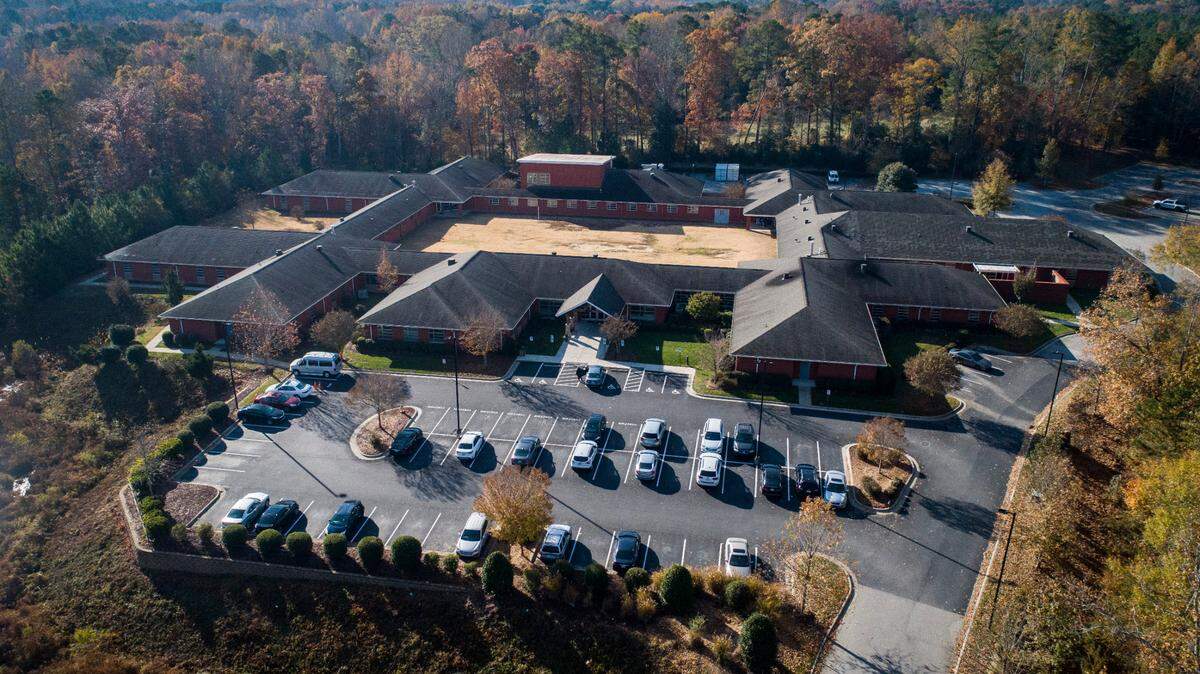
A company running psychiatric and addiction treatment centers around the country wants to reopen a Garner facility that shut down after state inspectors documented substandard care and mismanagement.
“Summit BHC has acquired the property that formerly housed a behavioral health facility in Garner,” Mike Alday, spokesman for the Tennessee company, said in an email.
Summit is working with state officials to obtain licensing to open an acute behavioral treatment hospital by late summer, he said. It’s not yet clear whether the facility would provide specialized care for children, adolescents and seniors, he said. Former owner Strategic Behavioral Health did.
Demand for youth residential psychiatric treatment exceeds care available in North Carolina. All three state-owned psychiatric hospitals have wait lists for child admissions, the state Department of Health and Human Services says.
Strategic’s 60 beds for patients ages 6 to 17 in its psychiatric residential treatment facility accounted for 13% of the 460 beds across the state in December. Its Garner facility also hosted a psychiatric hospital with 32 beds for children and adolescents and 24 beds for geriatric care.
Signs of a take over
The state’s terms for closing the Garner site opened the door to a new owner, so long as it was not affiliated with Strategic. The new owner had to be in place by June, a DHHS official said. Strategic also paid $175,000 in penalties.
Summit officials met with state officials on Jan. 11 to discuss the facility, correspondence with the state Department of Health and Human Services shows.
Formed in 2013, Summit BHC has grown to operate 33 treatment centers in 19 states - from California to New Jersey. Last month, it announced the purchase of seven psychiatric hospitals owned by Strategic, a subsidiary of a Memphis, Tennessee, company that was getting out of the mental health care business.
That sale included the Carolina Dunes psychiatric center near Wilmington, which became Summit’s first in the state.
Strategic opened its Garner facility in 2012 in the Greenfield Business Park. In 2014, the state threatened to pull Medicaid and Medicare funding, but relented after Strategic made improvements.
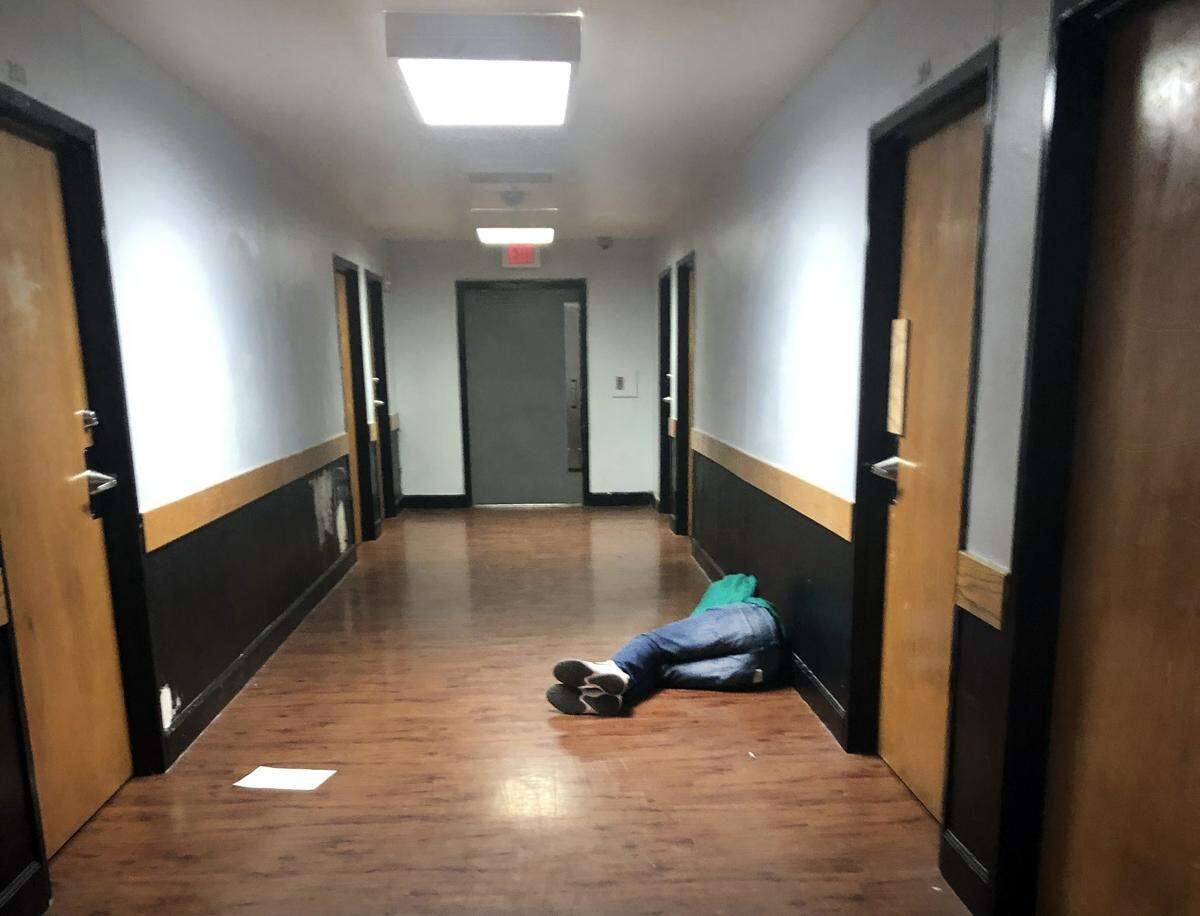
More reports of poor care followed, though. The final straw came after a night of chaos in September, when Garner police were called to the facility. Police arrived to find patients had attacked an employee, had broken a window and were unwilling to go into their rooms.
“Never been in the middle of a facility, jails, detention etc. with no staff trying to do anything in that situation,” one officer told state regulators.
Garner police handcuffed a 16-year-old girl and took her to an isolation room where a nurse injected drugs considered chemical restraints in both arms. No doctor signed off on the cuffs or drugs within 24 hours, which is required after restraints are applied.
That was one of several violations state regulators found at the facility, and ultimately led to the state’s decision to pull Strategic’s license to operate. The company initially sought to appeal the state’s decision, but in late December announced it would shut down the facility.
The Garner facility was one of several Strategic operated that had management and care problems in recent years. Strategic had shut down a similar facility in Charlotte in 2018. A recent series by the USA Today North Carolina Network identified care issues at Carolina Pines.
A new care provider in NC
A review of news coverage from around the country did not show reports of major violations at Summit’s facilities. A former nurse did file suit against a Summit-owned hospital in West Virginia last year, claiming understaffing created a dangerous work environment, the West Virginia Record reported.
Joonu Coste is an attorney with Disability Rights North Carolina, a non profit that serves as a watchdog over health care facilities to ensure that those with mental and physical disabilities are treated properly. She said she has a cause for concern about Summit.
Several of the company’s leaders formerly worked for Acadia Healthcare, one of the nation’s largest providers of residential mental healthcare. One of its facilities in Arkansas, Piney Ridge Treatment Center, has been cited for shoddy care, according to KNWA, a TV station in Northwest Arkansas.
“We are very apprehensive about the move and certainly we will be seeking to learn more,” Coste said of Summit BHC’s plans.
Alday said Summit declined to comment on the connections to Acadia. “Summit is an established company and its record speaks for itself,” he said.
North Carolina historically has relied on residential treatment facilities for children and adolescents struggling with mental illness, including sending them to centers out of state, the USA Today North Carolina Network reported.
That doesn’t address a larger problem that Disability Rights and others who advocate for better mental health services see. The state doesn’t provide enough community-based services that would spare children and adolescents from being locked away in residential centers, sometimes for months, they say.
“Rather than redirect funding to help many, many more children and families on a per-dollar basis, we question the decision to continue marching along with this model,” Coste said.
DHHS officials are seeking to expand treatment options, DHHS spokeswoman Catie Armstrong said in an emailed statement.
This state’s mental health system offers “less intensive” care for children, including day treatment, intensive in-home therapy, family services and youth crisis services, Armstrong said.
“The state is always looking to enhance this system of care and invest in evidence-based interventions that work,” she added.
This story was originally published February 28, 2022 at 6:00 AM.