From talkies to tax credits: A timeline of the film industry in North Carolina
READ MORE
North Carolina’s history of making movies
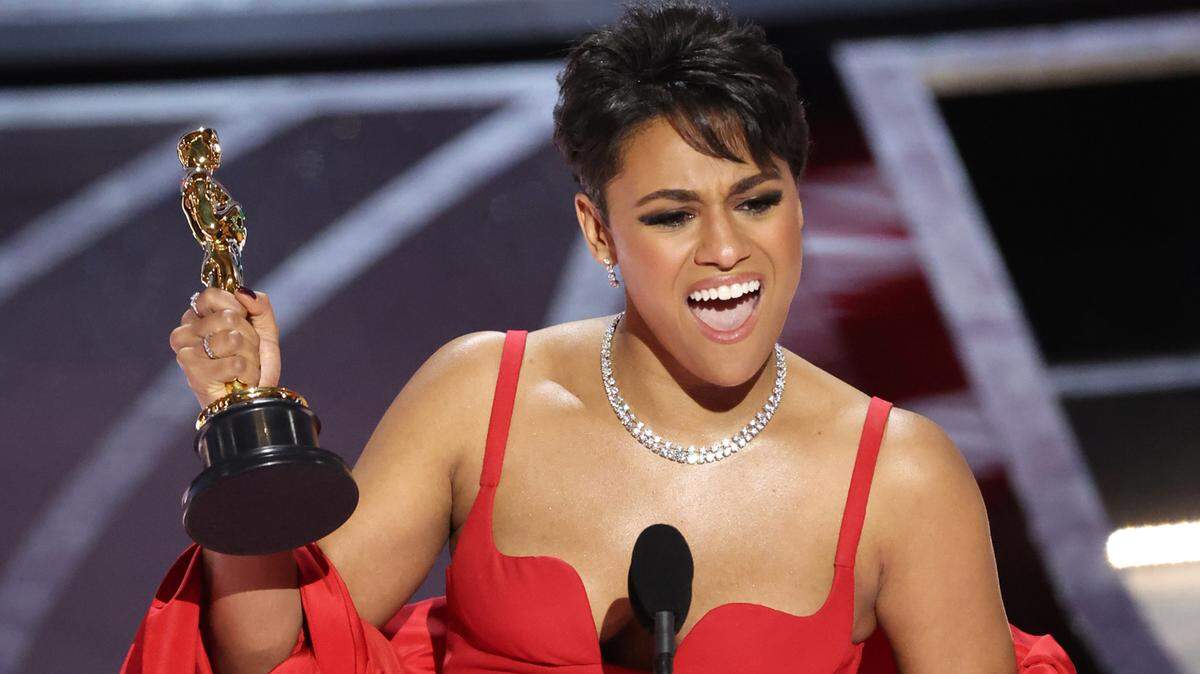
The way North Carolina’s current film incentive program is structured, the state is unlikely to host the production of another blockbuster movie like “Iron Man 3.” But the film industry here, which spans more than 100 years and just set a record in 2021, seems to have found a sweet spot by producing TV shows and smaller movies. And it isn’t just North Carolina’s locations on screen. One famous face could win an Academy Award this weekend. Are you, or the places you love, the state’s next screen gem?
Expand All
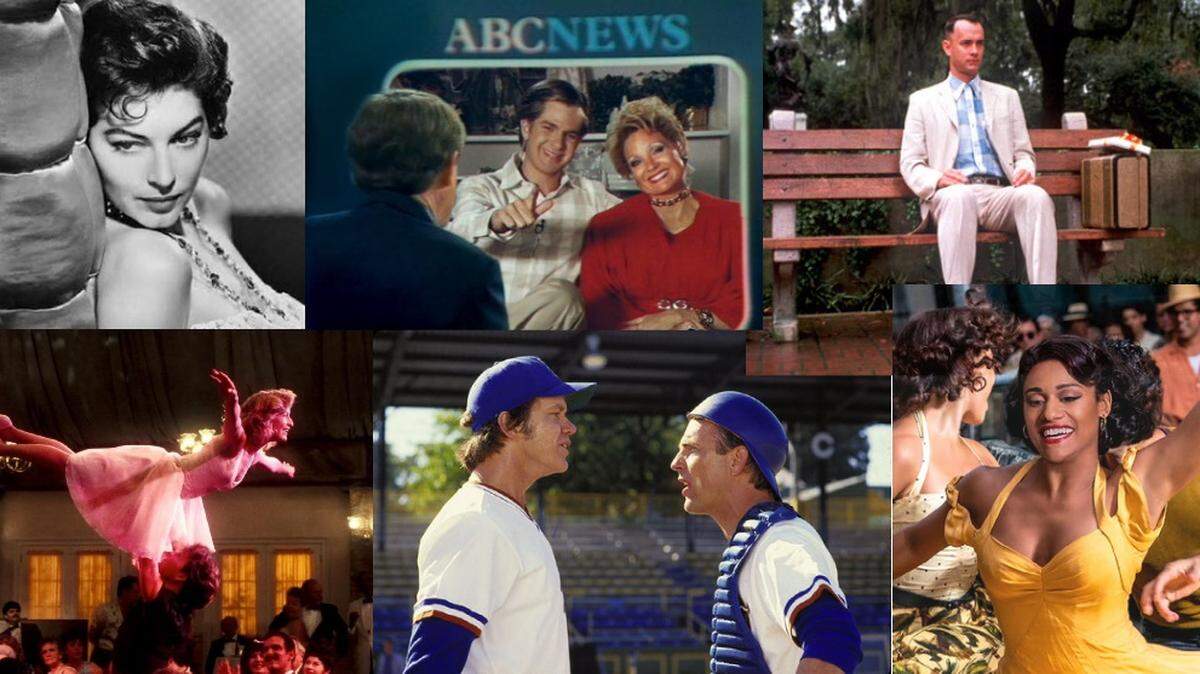
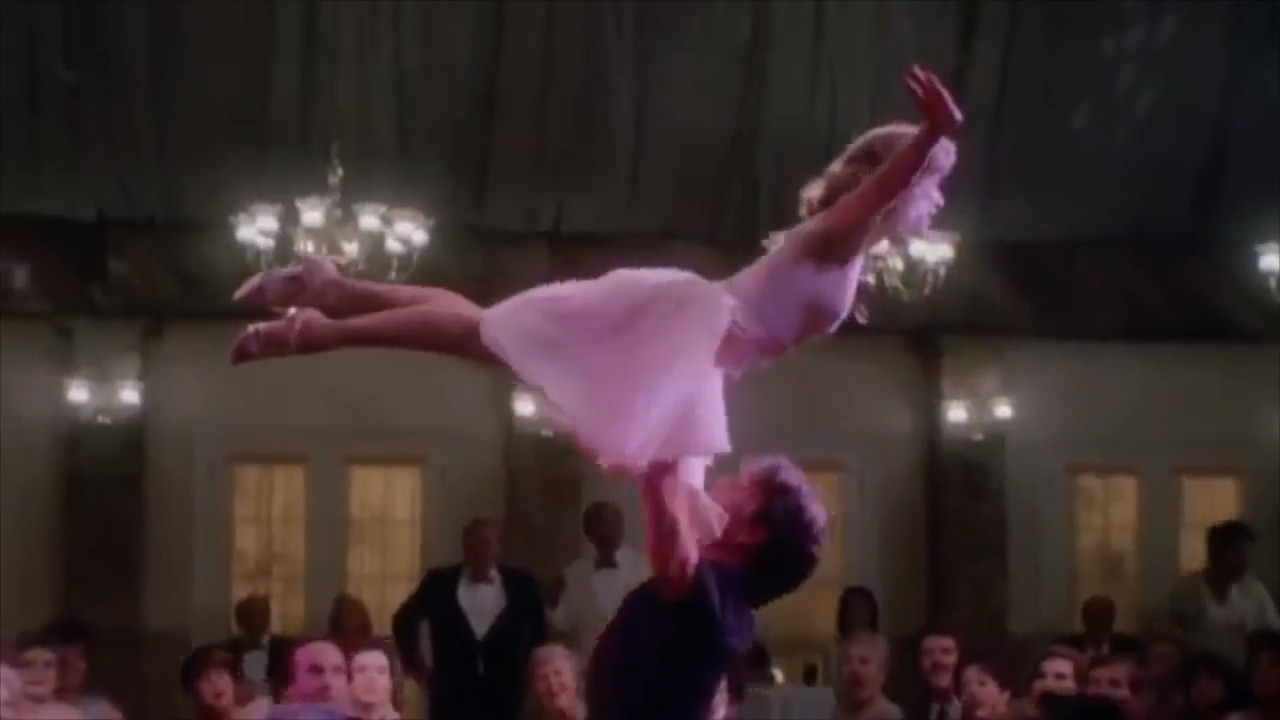
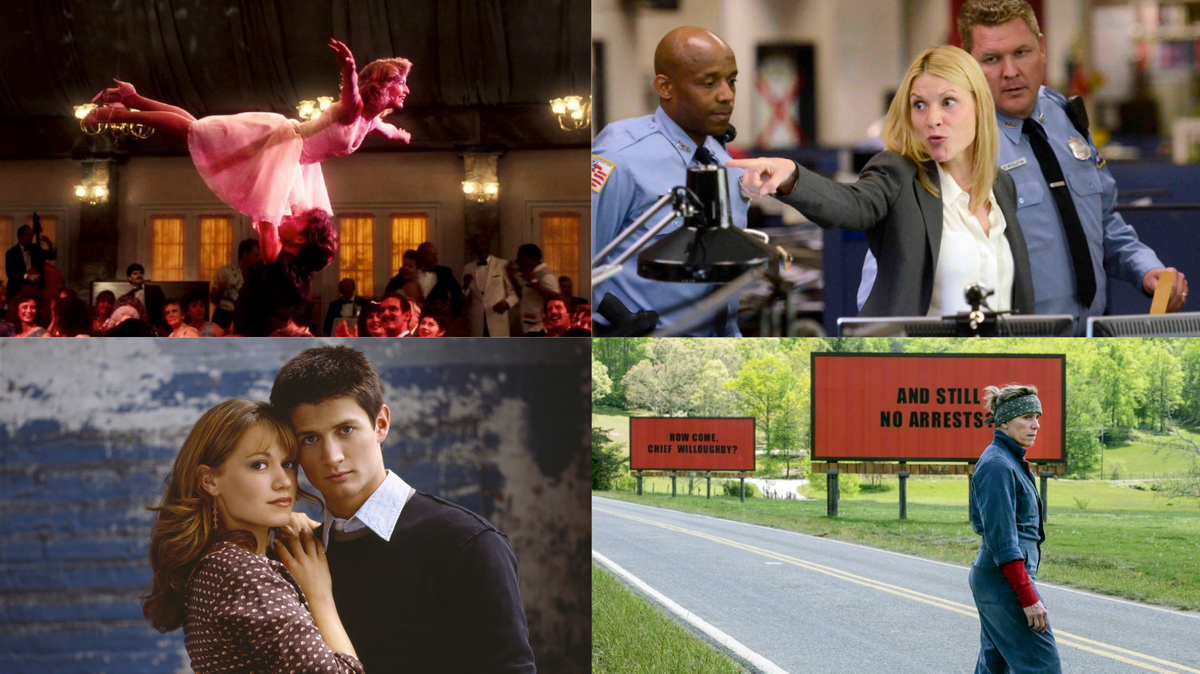
When most people talk about film and television productions shot in North Carolina, they’re likely to cite popular movies from the 1980s, such as “Dirty Dancing” and “Bull Durham,” or TV shows from the late 1990s and early 2000s, such as “Dawson’s Creek” and “One Tree Hill.”
Someone a little more up-to-speed on the industry might cite slightly newer, big-name productions, such as “Iron Man 3” or “The Hunger Games,” which were filmed in the state in 2012 and 2011, respectively.
But did you know the history of North Carolina’s film industry stretches back to the early 1900s?
For a look back at the history of the industry, we compiled this timeline with the help of information from NCpedia, the North Carolina Film Office, The News & Observer archives and more.
Here’s what to know about the history of film and television production in North Carolina.
Pre-1920s
NCpedia says that studio film production was popular throughout North Carolina until the advent of “talkies” — movies with sound, as opposed to silent films — in the late 1920s.
In the 1910s, “several” production companies set up studios in Asheville and Hendersonville, in western North Carolina, “to take advantage of both the weather and the exquisite scenery” the area had to offer, especially during the summer months.
1920s
NCpedia says the first in-state movie studio was “probably” North State Films, which was founded by W.S. Scales in Winston-Salem during the “first quarter of the twentieth century.”
▪ NCpedia calls Scales an “important but barely documented filmmaker,” who was one of the few African American film producers during his time. He produced at least two films — “His Great Chance” and “The Devil’s Match” in 1923.
▪ There were at least two other Black-owned production companies in North Carolina during the 1920s, according to NCpedia, but “whether they produced any films is not known.”
Also in the 1920s, North Carolina “pioneered the use of motion pictures as an educational tool,” NCpedia says.
▪ In 1921, Mabel Evans, superintendent of Dare County Schools, “believed that the story of British efforts to colonize the New World should be told, especially to the state’s schoolchildren.”
▪ With support from the state Board of Education and the N.C. Literary and Historical Association, “The Lost Colony,” a silent film, was produced and shown to then-Gov. Cameron Morrison and other state dignitaries. The governor and other leaders approved of the film, and prints were made for general distribution.
1934
In 1934, the secretaries of the chambers of commerce in Raleigh, Goldsboro, Wilmington, Charlotte, Morganton, Greensboro and Asheville met in Raleigh and “launched an effort to encourage filmmaking in the state,” NCpedia says.
1940s and ‘50s
During the 1940s and ‘50s, North Carolina set out to cash in on its varied landscapes, ripe for tourism from the mountains to the coast.
▪ The effort began in 1937 with the launch of a campaign spearheaded by the Division of State Advertising. Early on, the campaign included print advertisements in leading newspapers and magazines, pamphlets, guidebooks and billboards.
▪ By 1940, the effort was expanded to include feature-length films, financed by the R.J. Reynolds Tobacco Company.
▪ The films, which labeled North Carolina as a “Variety Vacationland,” were used by the Division of Travel Information of the Department of Conservation and Development to promote the state, its people and its resources, NCpedia says.
Also in the 1940s and ‘50s, more feature films, including “Ruby Gentry” (1952), were filmed in North Carolina.
1960s
The North Carolina Film Board was created in 1962 to “produce films about the state and to encourage the production of commercial films in the state,” NCpedia says.
▪ The board was the first state-sponsored documentary film unit in the United States.
▪ The board received requests for films from the staff of then-Gov. Terry Sanford, who himself requested there be a film made documenting the workings of the state legislature.
The board produced 19 films, most of which were historical or educational in nature and ran about 30 minutes each, including:
- “Land of Beginnings,” an exploration of the state’s historic sites through the eyes of one North Carolina family.
- “Mirror of the Past,” a cinematic tour of Tryon Palace in New Bern.
- “Road to Carolina,” a historical journey through the state’s first century.
- “North Carolina’s Tribute to President John F. Kennedy,” which covers the ceremony held on May 17, 1964 at Kenan Stadium in Chapel Hill honoring the late president.
The board, which was largely viewed as a “pet project” of Gov. Sanford, was dissolved in 1965 after he left office.
1980s
During the 1980s and early 1990s, many Hollywood productions chose to film in Canada, rather than California, due to “a favorable currency exchange rate and government sponsored tax incentives,” according to the National Conference of State Legislatures (NCSL).
In 1980, Gov. Jim Hunt used an executive order to create the North Carolina Film Commission to “meet the increasing demands for support by the Hollywood film industry.”
▪ At the time, filmmakers, such as Dino De Laurentiis and Frank Capra Jr., were interested in using North Carolina for projects, including for 1984’s “Firestarter” starring Drew Barrymore, but needed in-state infrastructure and crew.
▪ De Laurentiis established a production company and built a studio complex in Wilmington, which later became EUE/Screen Gems Studios — a studio that has hosted more than 400 feature films, commercials and television series throughout its history, according to its website.
▪ Within six years of the Film Commission being established, NCpedia says, North Carolina had become one of the top three filmmaking states in the nation.
▪ It’s estimated that between 1980 and 1998, the film business added about $5 billion to the state’s economy, more than half of which was spent in Wilmington, according to NCpedia.
Films produced in North Carolina in the 1980s include:
▪ “Firestarter” (1984)
▪ “The Color Purple” (1985)
▪ “Dirty Dancing” (1987)
▪ “Bull Durham” (1988)
The Film Commission exists today as the North Carolina Film Office.
1990s
Production successes continued in the 1990s, as more major movies were filmed in North Carolina, including:
▪ “Days of Thunder” (1990)
▪ “Sleeping with the Enemy” (1991)
▪ “The Last of the Mohicans” (1992)
▪ “The Fugitive” (1993)
▪ “The Crow” (1994)
▪ “Forrest Gump” (1994)
▪ “I Know What You Did Last Summer” (1997)
▪ “Patch Adams” (1998)
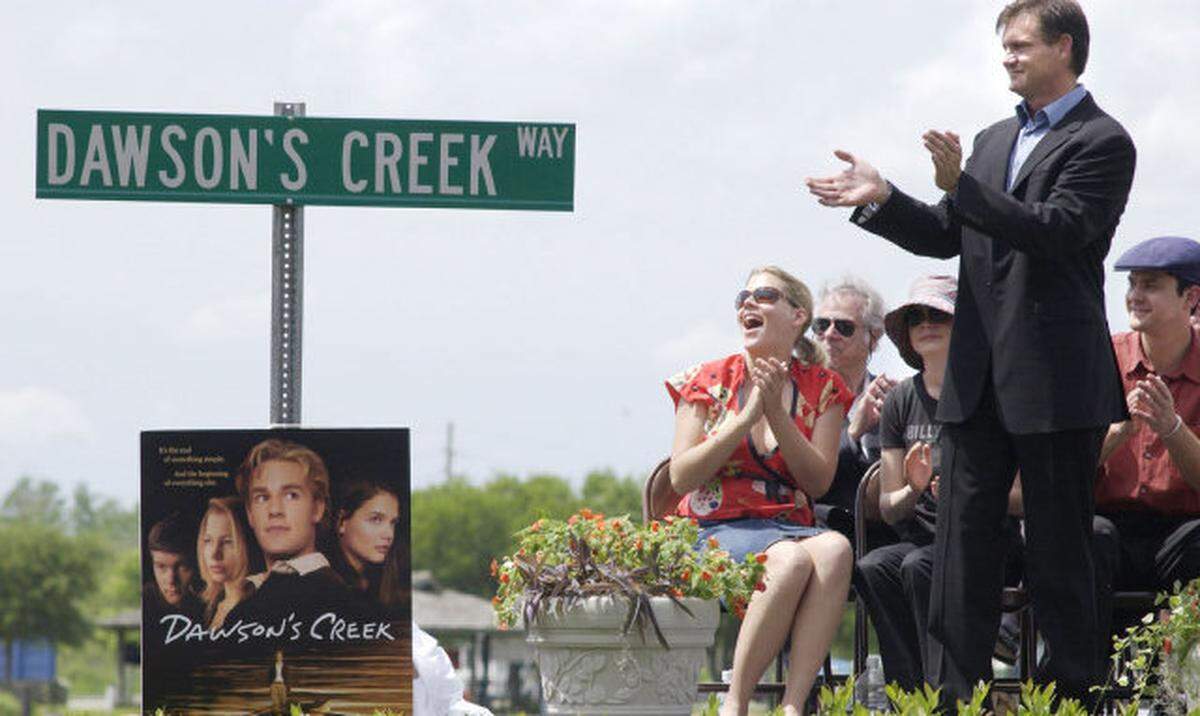
The 1990s also saw the increased success of television productions in North Carolina, as the popular teen show “Dawson’s Creek” began filming in Wilmington in 1998.
▪ The show, which was loosely based on show creator Kevin Williamson’s life growing up in New Bern, lasted 6 seasons, ending in 2003 after using locations around the state for filming.
2003
In the early 2000s, major productions began searching for even lower production costs than what North Carolina could offer — most often finding them abroad, especially in Europe.
While North Carolina’s television industry remained fairly steady during this time — another teen show, “One Tree Hill,” began filming in Wilmington in 2003 after “Dawson’s Creek” wrapped — movie productions were harder to entice to the state.
Perhaps the most illustrative example of productions looking for lower costs was when “Cold Mountain,” a 2003 film based on the novel of the same name by North Carolina native Charles Frazier, chose to film primarily in Romania, instead of Haywood County or other North Carolina locations where the story actually took place.
2005-2006
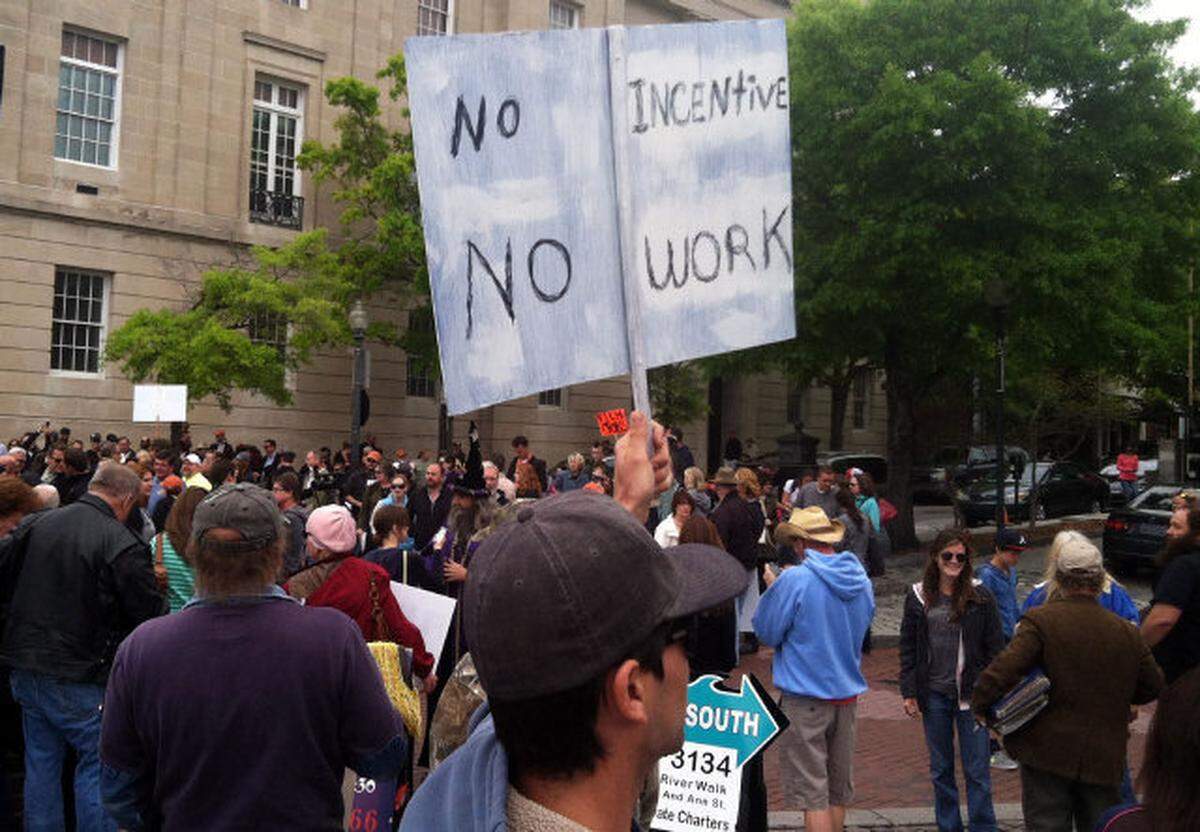
Around 2005, state lawmakers in North Carolina began considering legislation to establish a tax incentive program for the state’s film industry.
▪ According to NCSL, Louisiana in 1992 became the first state to establish a tax incentive program for the film industry, and in 2002 the state expanded the program and “the state’s film industry began to experience strong growth.”
▪ The success of Louisiana’s program led other states to consider similar programs.
On Aug. 8, 2006, Gov. Mike Easley signed into law North Carolina’s film incentive program.
▪ The program offered a 15% tax credit on productions over $250,000, not to exceed a credit of $7.5 million per project.
2009
On Aug. 27, 2009, Gov. Bev Perdue signed into law Senate Bill 943, which upped the tax credit for film projects to 25%.
▪ The minimum in-state spending requirement of $250,000 and the maximum credit of $7.5 million per project remained the same.
▪ The bill went into effect Jan. 1, 2010.
“By 2009, 44 states, Puerto Rico and Washington D.C., offered some form of film and television production incentives,” NCSL says.
2010
On July 22, 2010, Gov. Perdue signed into law more changes for the film incentive program, upping the maximum credit to $20 million and expanding the types of production expenses that could qualify for the credit.
2014
The state’s tax credit program for film productions expired in 2014, and state lawmakers replaced it with a scaled-back, grant-based incentive program in the state’s 2014 budget.
The program, called the Film and Entertainment Grant Fund, went into effect in January 2015 and was originally allocated $10 million. Productions could receive up to a 25% rebate on in-state production costs from the fund, provided they met these qualifications:
▪ For feature-length films, productions were required to spend at least $5 million.
▪ For video and TV series, productions were required to spend at least $250,000 per episode.
▪ For commercials, productions were required to spend at least $250,000.
Feature films and TV series were eligible to receive up to $5 million in rebate money, while commercials were eligible for up to $250,000.
The News & Observer reported in November 2014 that proponents of the state’s film industry were saying at the time that “interest in producing movies and TV shows … dropped dramatically” as the scaled-back program went into effect.
2015
In September 2015, the state revised the rebate program by raising the amount allocated to the program to $30 million.
2016
In March 2016, state lawmakers passed the “Public Facilities Privacy & Security Act,” commonly known as House Bill 2 or HB2.
In the wake of the controversial law, North Carolina is estimated to have lost $400 million in economic investments and jobs across various industries, including the film industry.
Several production companies, including Lionsgate, A&E and 21st Century Fox, announced that they would either pull projects from the state or not consider the state for future projects due to the legislation.
Even after the law was partially repealed in 2017, Netflix chose in 2019 to film the now-hit show “Outer Banks,” which is set in North Carolina, in neighboring South Carolina, due to the “remnants” of the bill.
2017
Bigger changes came to the rebate grant program in 2017, when state lawmakers made the grant program’s funding recurring.
▪ For the 2017-2018 fiscal year, lawmakers allocated $15 million, which was added to $19 million in leftover, unused funds, to provide $34 million for that year.
▪ Beginning with the 2018-2019 fiscal year, the funding recurred at $31 million per year, with any unused funds rolling over from year to year.
Also in 2017, the sunset date for the grant program was eliminated, keeping the incentive program in place for the foreseeable future.
2018
The grant program experienced slight changes in 2018, as revisions were made via the state budget to the minimum spending requirements and maximum payouts for certain productions.
Under these changes, productions had to meet the following criteria to be eligible for the rebate:
▪ For feature films, productions had to spend at least $3 million in state, down from $5 million previously.
▪ For made-for-TV movies, a new category created in this round of changes, productions had to spend at least $1 million in state.
▪ For a TV series, productions had to spend at least $1 million in state per episode.
▪ For commercials, productions had to spend at least $250,000 in state.
The maximum payouts productions could receive at this time were:
▪ $7 million for feature-length films
▪ $12 million for a single season of a TV show
▪ $250,000 for commercials
2019
On Oct. 22, 2019, at a ceremony at EUE/Screen Gems Studios in Wilmington, Gov. Roy Cooper signed Executive Order 111, establishing the Governor’s Advisory Council on Film, Television and Digital Streaming.
The order outlined the council’s duties as:
▪ Advising the governor on strategies that would increase the likelihood of film productions conducting business in North Carolina.
▪ Serving as a forum for film-making matters affecting North Carolina, including providing recommendations on several topics.
Under the order, the council is to have at least 15 members serving at all times. Current members include studio executives, directors of regional film commissions around the state, producers, directors and more.
2021
The most recent changes to the state’s film grant program came last year, when in the state’s budget, lawmakers again changed some of the minimum spending requirements and maximum payouts for productions filming in North Carolina.
Under the minimum in-state spending productions must meet in order to qualify for the rebate are now:
▪ $1.5 million for feature-length films, down from $3 million previously.
▪ $500,000 for made-for-TV movies, down from $1 million previously.
▪ $500,000 for one episode of a TV series, down from $1 million previously.
▪ $250,000 for a commercial for theatrical or television viewing or online distribution, the same amount as it was previously.
Television productions can now receive up to $15 million in rebate money for a single season of a show. That’s up from $12 million previously.
▪ The maximum rebate payouts for other productions remain the same as they were under the 2018 changes.
2021 was also a banner year for the state’s film industry, as production investments reached an all-time high in the state, at $416 million, according to final figures provided to The N&O by the state film office.
▪ 91 productions filmed in the state last year, with 18 of those approved for the state’s grant program.
▪ The productions created more than 25,000 job opportunities, according to the state film office. Most of those were opportunities for background talent, or “extras,” at 21,000 opportunities.
Last year’s in-state spending figure eclipsed the state’s previous record of $373 million from 2012, an August news release from Gov. Roy Cooper said.
This story was originally published March 23, 2022 at 6:00 AM.