Tax deadlines are soon. What to know about filing in NC, extensions and more
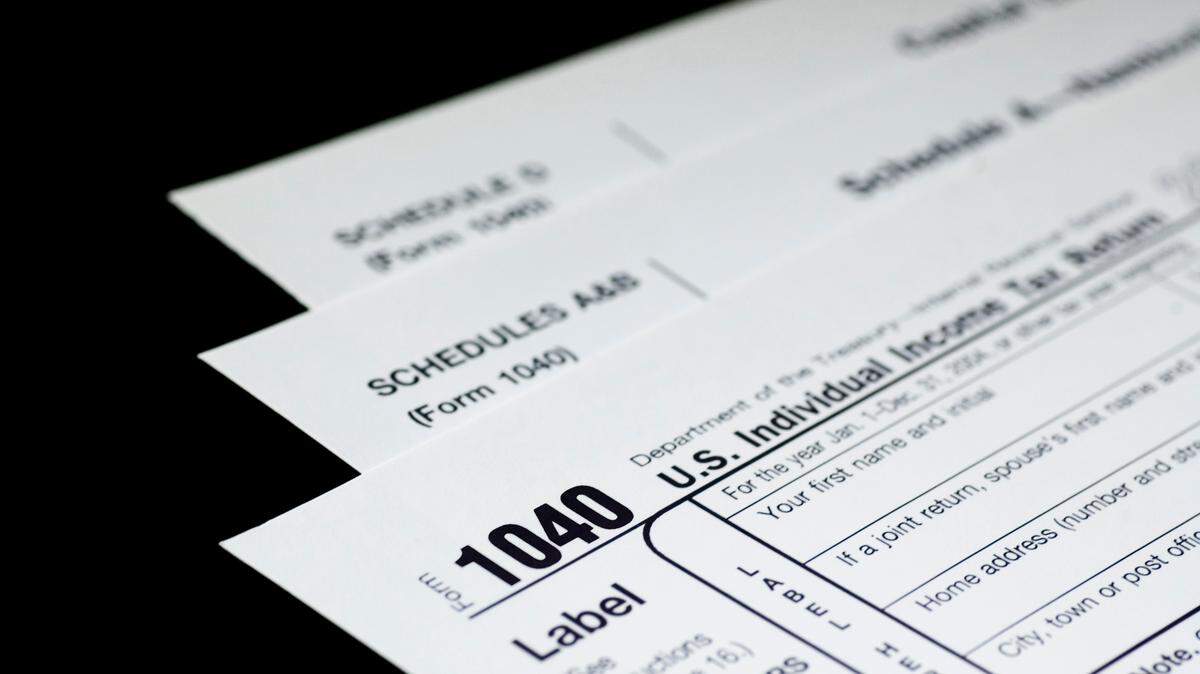
The deadline for filing your state and federal taxes is right around the corner.
Taxpayers have been able to file returns since late January — but we know life gets busy, and you might need some reminders about filing deadlines, or even how to request an extension.
Using resources from the Internal Revenue Service (IRS) and the North Carolina Department of Revenue (NCDOR), we’ve compiled information on those tax topics and more.
Here’s what to know about filing your 2021 taxes in North Carolina, including how to request an extension if needed.
What is the deadline to file taxes in 2022?
The deadline to file your state and federal taxes in North Carolina this year is Monday, April 18.
▪ Technically, taxes are due to be filed by Friday, April 15. But, by law, tax deadlines are impacted by observed holidays in Washington, D.C. April 15 is Emancipation Day in the district, which delays the deadline until the following Monday.
What is the deadline to file for a tax extension?
If you need an extension on your taxes, April 18 is also the deadline to request one this year, both for federal and state taxes.
How do I file my taxes?
There are multiple ways to file your taxes, including using a tax professional or tax software that you purchase. There are also free online options.
▪ The IRS offers Free File, which allows you to electronically prepare and file your federal individual income tax return for free. Learn more at irs.gov/filing/free-file-do-your-federal-taxes-for-free.
▪ In North Carolina, you may qualify to file your taxes online for free using eFile, also called NCfreefile. You can also file using eFile for a fee. Learn more about your options in North Carolina at ncdor.gov/file-pay/efile-information-ncfreefile-and-efile-fee.
How do I get an extension for filing my federal taxes?
If you cannot file your federal tax return by the deadline of April 18, you may request an extension by the same date.
An extension will give you up to six more months to file your taxes — putting your extended tax filing due date at Oct. 17, 2022 (technically, your taxes would be due on Oct. 15, but since that falls on a Friday, you have until the next business day).
To request an extension on your taxes, you have two options:
▪ File Form 4868 through IRS Free File, your tax software or your tax preparer.
▪ Make a payment at irs.gov/payments and select Form 4868 or “extension” as the payment type.
Some categories of people automatically qualify for extensions on their taxes, and don’t need to file for one. The exact amount of extra time these people are given depends on which category they fall under and other circumstances.
Nerd Wallet says the following categories of people qualify for automatic extensions:
▪ U.S. citizens who lived and worked outside of the country on the tax-filing deadline.
▪ People affected by certain natural disasters, as tracked by the IRS. Find out which natural disasters qualify at irs.gov/newsroom/tax-relief-in-disaster-situations.
▪ Some members of the U.S. military. Find more information about extensions for military members at irs.gov/newsroom/extension-of-deadlines-combat-zone-service.
Do I have to pay my taxes now if I file for an extension?
An extension of time to file your taxes is not an extension of time to pay any taxes you owe.
You should estimate and pay any owed taxes by your regular deadline (likely April 18) to help avoid possible penalties, the IRS says.
You can apply for a payment plan to help you pay any taxes you owe.
What if I can’t pay the federal taxes I owe?
If you can’t pay the federal taxes you owe, the IRS says you should still file your return or request an extension.
That’s because if you don’t do either of those things, you could face failure to file penalties. If you file your taxes on time, but still owe money after the deadline or extended deadline has passed, you may face failure to pay penalties.
If you can’t pay the full amount of your taxes on time, you can apply for a payment plan by visiting irs.gov/payments/online-payment-agreement-application.
▪ Long-term and short-term payment plans are available. Your specific tax situation, including how much you owe, will determine which payment options are available to you.
▪ You may still owe failure to pay penalties if you are approved for a payment plan, but the penalties will be reduced.
What are the penalties for not paying my taxes on time?
Here are the rules the IRS uses to calculate failure to file and failure to pay penalties:
▪ The failure to file penalty is 5% of the unpaid taxes for each month or part of a month that a tax return is late. The penalty will not exceed 25% of your unpaid taxes.
▪ The failure to pay penalty is 0.5% of the unpaid taxes for each month or part of a month the tax remains unpaid. The penalty will not exceed 25% of your unpaid taxes.
▪ If both a failure to file and a failure to pay penalty are applied in the same month, the failure to file penalty is reduced by the amount of the failure to pay penalty for that month, for a combined penalty of 5% for each month or part of a month that your return was late. The IRS gives the following example: Instead of a 5% failure to file penalty for the month, the agency would apply a 4.5% failure to file penalty and a 0.5% failure to pay penalty.
▪ If you still haven’t paid your taxes after five months, the failure to file penalty will max out. The failure to pay penalty will continue to be applied to your unpaid tax until the tax is paid, up to a maximum of 25%.
▪ If you filed your taxes more than 60 days late, and you did not request an extension to file, the minimum failure to file penalty is $435, or 100% of the tax required to be shown on the return, whichever is less.
▪ If you filed your tax return on time as an individual and you have an approved payment plan, the failure to pay penalty will be reduced to 0.25% per month, or partial month, during your approved payment plan.
▪ If you don’t pay your tax in 10 days after getting a notice from the IRS with its intent to levy, the failure to pay penalty will be 1% per month or partial month.
Note: The IRS charges interest on penalties. Send in a payment or pay your taxes in full to stop future penalties and keep interest from adding up. You can make payments to the IRS at irs.gov/payments.
How do I get an extension for filing my North Carolina taxes?
If you cannot file your state taxes in North Carolina by the April 18 deadline, you can request an extension by the same date.
▪ If you are granted an automatic extension for your filing your federal taxes, you will automatically be granted an extension for filing your state taxes in North Carolina. You must note on your state tax return that you were granted an automatic federal extension.
▪ If you are not granted an automatic federal extension, you will need to file Form D-410 to request an extension for your state taxes. You must request the extension by the April 18 filing deadline.
▪ If you are out of the country — you live outside the U.S., your main place of work is outside the U.S. or you are in military service outside the U.S. — on the original due date for your state tax filing, you are granted an automatic four-month extension on filing your state taxes. You must fill out the “Out of Country” circle on page 1 of Form D-400, or the North Carolina Individual Income Tax Return. You may request an additional two-month extension if you are unable to file within the four months originally granted to you.
To file for an extension on your state taxes in North Carolina, you can:
▪ eFile Form D-410 though a tax professional or a commercial tax preparation software. eFile allows you to handle federal and state taxes at the same time. Learn more about eFile at ncdor.gov/file-pay/efile-individuals.
▪ File Form D-410 through the N.C. Department of Revenue’s website at electronic-services.dor.nc.gov/wps/portal/d410. Filing through the NCDOR website does not allow you to access your federal taxes.
▪ Generate and print Form D-410 at eservices.dor.nc.gov/vouchers/d410.jsp, then mail it to NCDOR at Post Office Box 25000, Raleigh, NC 27640-0640.
Note: Requesting an extension allows you more time to file your taxes, but it does not give you more time to pay any taxes you owe. The amount you owe is still due on the filing deadline.
More information about North Carolina tax extensions is available at ncdor.gov/taxes-forms/extensions.
What if I can’t pay the North Carolina taxes I owe?
If you owe state taxes in North Carolina but cannot pay them, NCDOR says you should still file your taxes.
▪ Do not file an extension.
▪ File your return by the original due date.
▪ Pay as much tax as you can to minimize any penalties and interest due.
If you still owe state taxes, NCDOR says you should make payments on the amount you owe until you receive a Notice of Collection in the mail.
▪ You can make payments to NCDOR online at eservices.dor.nc.gov/ofp/contact.jsp or mail a check or money order to PO Box 25000, Raleigh, NC 27640-0002. You can also make payments in person at a local service center, which you can locate at ncdor.gov/contact-us/office-locations.
▪ Once a Notice of Collection has been mailed to you, you can set up a payment agreement with the state to pay your owed taxes over time and avoid collection action.
▪ You must request a payment agreement from NCDOR. Find instructions for requesting an agreement at ncdor.gov/taxes-forms/collections-past-due-taxes/installment-payment-agreements.
Tips to make filing your taxes easier
The IRS offers the following tips for filing your taxes, which the agency says will “avoid processing delays and speed refunds.”
▪ Gather and organize your 2021 tax records. Records you’ll need to access include your Social Security number, Individual Taxpayer Identification Numbers, Adoption Taxpayer Identification Numbers and this year’s Identity Protection Personal Identification Numbers, valid for calendar year 2022.
▪ File electronically. Filing your tax return electronically is the quickest way to file, as well as pay any taxes you owe or receive any refund you are due.
▪ Set up direct deposit. If you are due a tax refund, setting up direct deposit will ensure the money makes it to your bank account quickly.
Additional resources for filing your taxes
If you need additional information about filing your taxes, visit irs.gov or ncdor.gov/taxes-forms/individual-income-tax.
This story was originally published April 11, 2022 at 2:51 PM.