Common lab molecule surprises researchers with potential cancer-fighting properties
At first, Li Wang thought the results of her experiment were a fluke.
While the UNC research associate was studying a DNA repair mechanism, she noticed a long black streak radiating from a common lab molecule, EdU.
If the results were accurate, it would mean a molecule routinely used by researchers to identify dividing cells was being interpreted by the body as “damage.”
“I thought it might be a mistake but I repeated the experiment multiple times and every time I got the signal,” she said.
Wang and her colleagues in Aziz Sancar’s lab had inadvertently stumbled into a discovery: The body was repeatedly removing the “damaged” part of the genome, potentially killing the cells that had been tagged with EdU. This finding was published last week in the Proceedings of the National Academy of Sciences.
Then the researchers thought about the potential implications: If the body is potentially killing cells with EdU, and EdU only tags cells that are dividing, could this widely available molecule be used to kill rapidly dividing cancer cells?
How it works
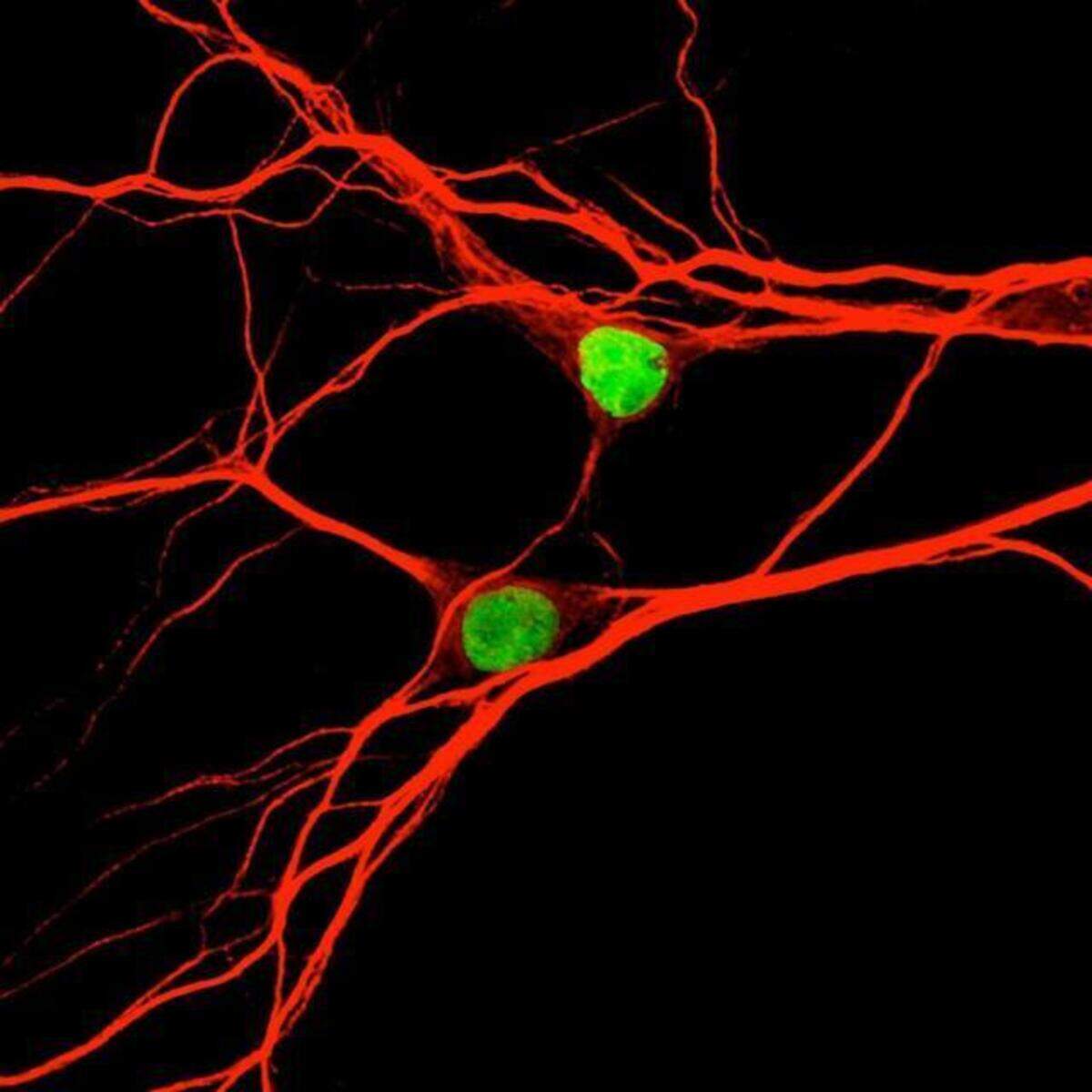
EdU was created in 2008 by Harvard biologists to help researchers identify where cells are dividing.
The molecule mimics one of DNA’s building blocks, thymidine, and is incorporated into new DNA as cells divide. Then, EdU can bind to another molecule that makes the divided cells glow under a microscope.
Wang’s most recent research found that the body removes the EdU-laced DNA in a process similar to the one the body uses to remove DNA damaged by UV radiation or cigarette smoke.
EdU could be particularly helpful to treat brain cancers because it could easily target cancer cells without harming brain cells, which typically do not divide in adults. This is also a particularly promising treatment for brain cancers because, unlike most compounds, it can easily cross the blood-brain barrier.
In the future, EdU could also be used against other cancers, said Christopher Selby, a research instructor in Sancar’s school of medicine lab.
“There are a lot of tissues that don’t divide regularly like the heart muscle,” he said.
The researchers are still a long way from using EdU to treat cancer. Before EdU could be used as a cancer medication, it would have to prove to be safe and effective during years of rigorous clinical trials.
The Sancar lab is teaming up with other researchers to further explore EdU’s potential as an anti-cancer drug.
The study’s findings also have implications for scientists, who routinely use this molecule in their experiments. The first article to describe EdU has been cited more than 1,200 times.
“As we speak, hundreds and maybe thousands of researchers use EdU to study DNA replication and cell proliferation in lab experiments without knowing that human cells detect it as DNA damage,” Sancar said in a university press release.
Teddy Rosenbluth covers science for The News & Observer in a position funded by Duke Health and the Burroughs Wellcome Fund. The N&O maintains full editorial control of the work.