
222 people died from overdoses in Wake last year. Here is the county’s opioids plan.
With a solemn but hopeful yes, Wake leaders put the county’s first dollars from the national opioid settlement into action Tuesday night.
“We’re taking a comprehensive approach to get folks on the path to recovery,” said Denise Forman, assistant Wake County manager.
Forman’s office has been working alongside community members for months to help understand the greatest needs those experiencing opioid addiction face. The plan, which the Wake County Board of Commissioners unanimously approved, budgets $4.85 million from the national settlement for opioid abatement programs in Wake County for the 2023-24 fiscal year.
North Carolina accepted its portion of the settlement in November 2021, opening the door for roughly $750 million to be given statewide. Wake will get $36 million of the $750 million over the next 18 years.
Of the roughly $6.85 million available to the county next fiscal year, just under $5 million will “frontload” programs tackling immediate needs, Forman explained. The remaining $2 million in uncommitted funds will be rolled over for future projects.
The N.C. Department of Health and Human Services announced in March that an average of nine North Carolinians died each day from a drug overdose in 2020, a 40% increase from the previous year. In Wake County, 222 people died from overdoses last year.
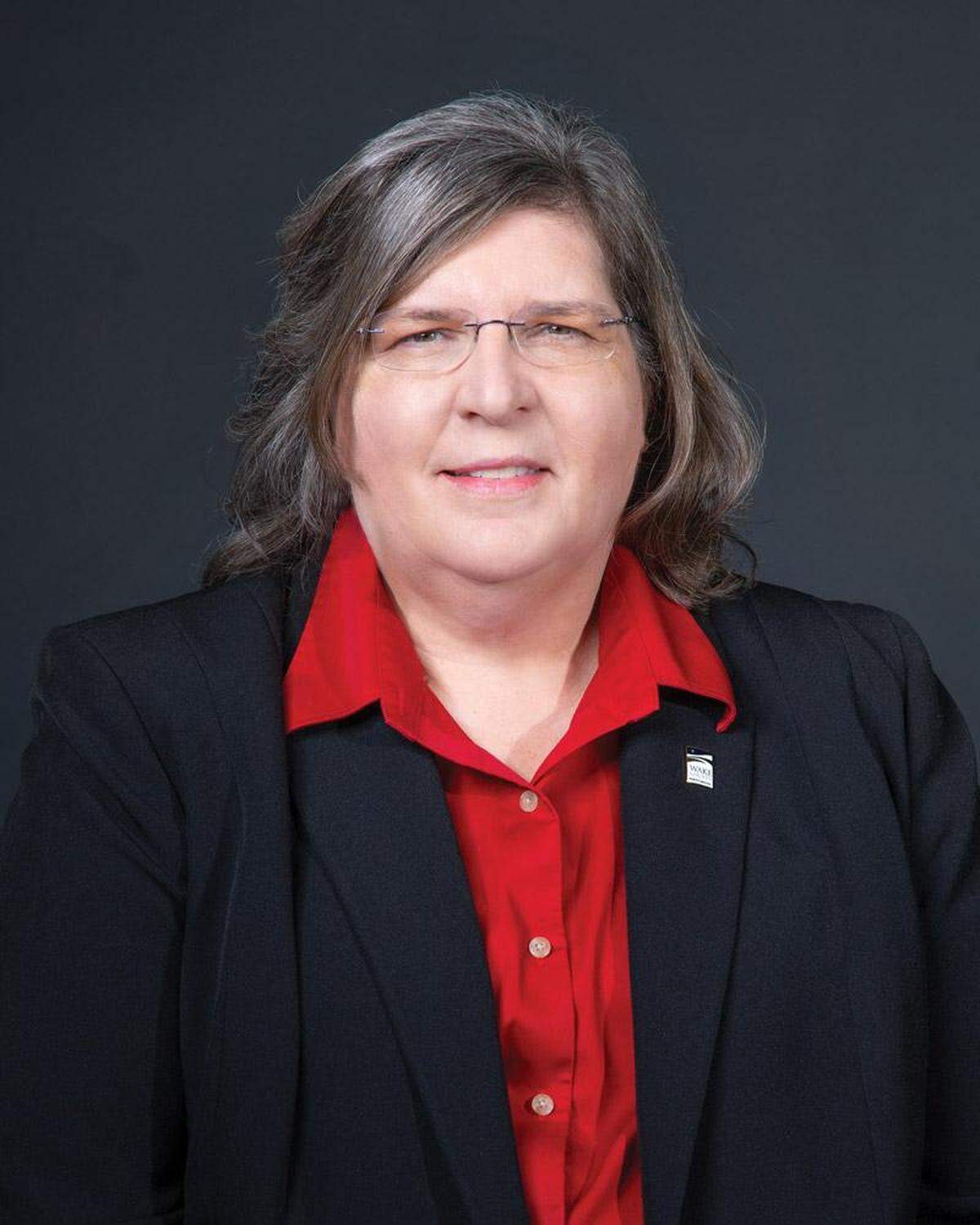
Commissioner Vickie Adamson shared how the opioid crisis has forever changed her family. She said she lost her father and multiple cousins to substance use disorder and drug-related violence.
While she supports opioid abatement programs and the work the county is doing, she also said the overall settlement is not entirely satisfactory.
“It’s a problem that Big Pharma created,” Adamson said.
The national settlement specifies that spending is limited to “evidence-based treatment.” That sounds promising, Adamson said, but the research this evidence is based on comes almost entirely from drug companies. Additionally, the medications often used to treat opioid addiction (primarily withdrawal symptoms) are also manufactured by Big Pharma.
Like many, the commissioner thinks drug companies have not taken adequate responsibility for their role in the crisis.
How wake will use its opioid settlement money
Here’s a breakdown of how the funds are currently slated to be allocated:
Opioid Use Disorder Treatment- $2 million
Fund medication for uninsured or underinsured patients
Assist in continuity of care from local providers
Provide additional resources to patients in treatment
Care Navigation - $1.5 million
Funds and establishes a team of treatment navigators
Who they help:
Geographically identified communities
Criminal justice involved
Youth and their families
What they connect patients to:
Addiction treatment
Recovery support
Harm reduction services
Primary healthcare
Early Identification and Intervention - $600,000
Expand educational training for youth, parents, teachers, coaches, youth ministers, employers and others who encounter young people
Training in Youth Mental Health First Aid and Adverse Childhood Experiences
Housing Access and Support - $750,000
Includes supportive housing, housing assistance and recovery housing for patients
Training for housing providers
Where to get help
This story was originally published September 7, 2022 at 3:57 PM.