Reimagining the NC Museum of Art meant moving every piece of art — except this one
READ MORE
The People’s Collection
When the N.C. Museum of Art reopens this weekend, longtime visitors will notice some things look the same, while others are different. After years of planning, curators reorganized and revamped what they’re calling “The People’s Collection.” The overhaul broadens the stories art tells by the way they pair or juxtapose different pieces, and provides more historical and cultural context, and elevating the citizens of North Carolina who own them.
Expand All
A museum ‘of our time’: The NC Museum of Art unveils new works and a new approach
Reimagining the NC Museum of Art meant moving every piece of art — except this one
North Carolina art museum adopts a name that reflects who owns its artwork
NC Museum of Art celebrates its reopening with free events, concerts and plenty of art
Since the N.C. Museum of Art closed its galleries in the spring, every object on display — about 1,000 pieces in all — has been moved and reinstalled with one big, very heavy exception.
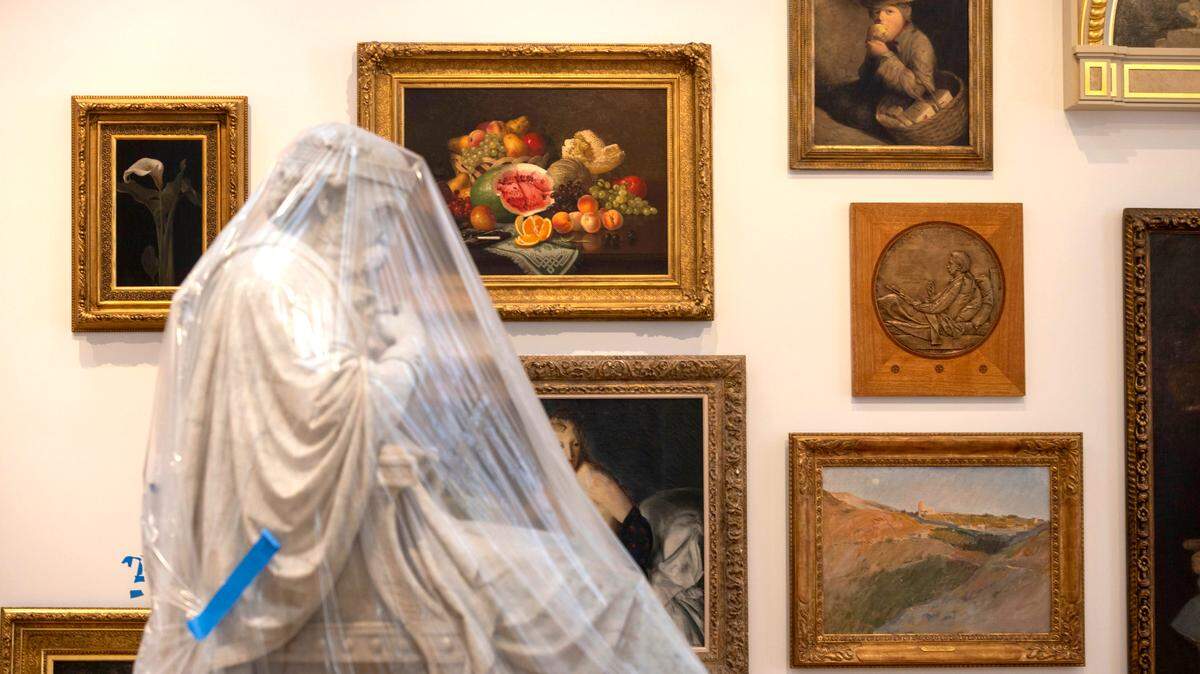
“Saul under the Influence of the Evil Spirit,” a marble sculpture by American artist William Wetmore Story, sat passively under a clear plastic sheet while workers all around him carefully moved paintings and other art throughout the museum.
Saul weighs 4,500 pounds and sits on a marble base that weighs another 4,350 pounds. His crown is about 8 feet above the floor.
“Yeah, he’s not moving,” says Valerie Hillings, the museum’s director. “I had to promise everybody.”
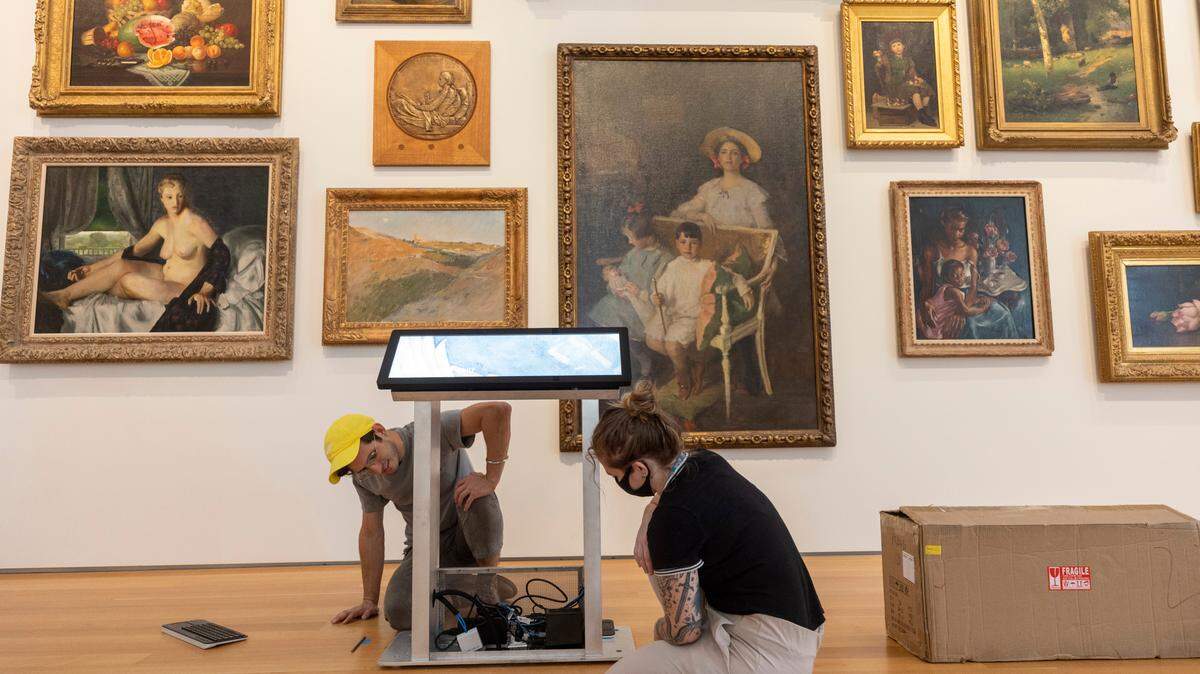
Saul was the one constant as the art museum reorganized and revamped its galleries. The goal was to appeal to a wider audience, by increasing diversity, introducing digital labels and other multi-media and better engaging visitors with more historical and cultural context.
By staying in one place, Saul got some new neighbors. When the museum closed, he was in the museum’s portrait gallery; when the museum reopens Oct. 8, he’ll be part of the American collection.
As told in the first book of Samuel in the Old Testament, Saul was chosen by God to be the first king of the ancient Israelites, then tormented by an evil spirit after he disobeyed God. Story, who completed Saul in Rome in 1865, once said that he depicted Saul, seated on his throne, as a “half-demented soul, one hand clutching his beard and one fumbling for his dagger.”
Saul was put on display in Dublin, Ireland, the year he was completed. Soon after, a British aristocrat bought the sculpture and had it placed in the entry hall of his country house in Gloucestershire, northwest of London.
There it remained, even after the family sold the house and it became Rendcomb College, a private boarding school, in 1920. For decades, Saul served as an unofficial school mascot, watching over students who occasionally dressed him as Santa Claus, Gandalf from “Lord of the Rings,” and even Satan. Conservators at the art museum found traces of black polish on his nails and glitter in the crevices of his clothing.
The N.C. Museum of Art bought Saul in 2018, with money provided by Anne Faircloth and Frederick Beaujeu-Dufour of Clinton. Rob Jones, head of Rendcomb, said at the time that the school was happy Saul would be going to a new home “where he will be lovingly restored and put on public display.”
Aside from cleaning decades of grime, glitter and polish, the museum also restored the king’s right big toe, which was reportedly broken in the 1940s when a student hit it with a sledgehammer.
Before the museum could put the statue on display, it needed to reinforce the floor to hold nearly 9,000 pounds of marble. Moving Saul would mean having to do the same to another part of the museum, which is another reason, Hillings said, that the statue is staying put.
This story was originally published October 4, 2022 at 6:00 AM.