North Carolina art museum adopts a name that reflects who owns its artwork
READ MORE
The People’s Collection
When the N.C. Museum of Art reopens this weekend, longtime visitors will notice some things look the same, while others are different. After years of planning, curators reorganized and revamped what they’re calling “The People’s Collection.” The overhaul broadens the stories art tells by the way they pair or juxtapose different pieces, and provides more historical and cultural context, and elevating the citizens of North Carolina who own them.
Expand All
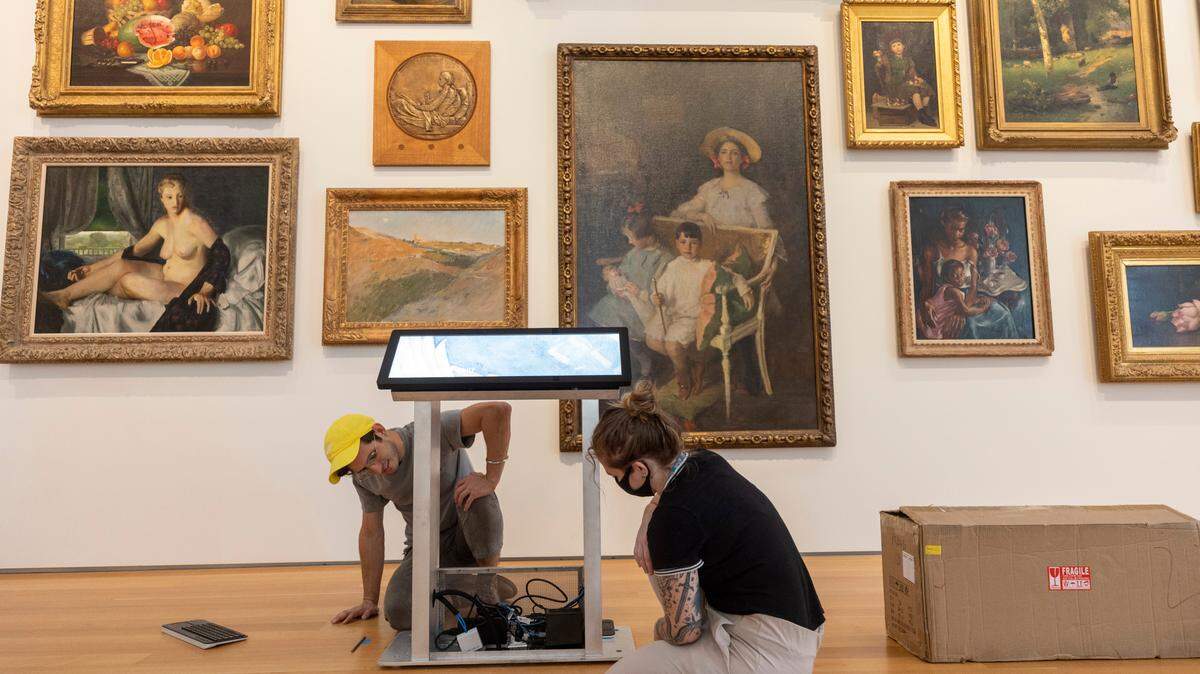
A museum ‘of our time’: The NC Museum of Art unveils new works and a new approach
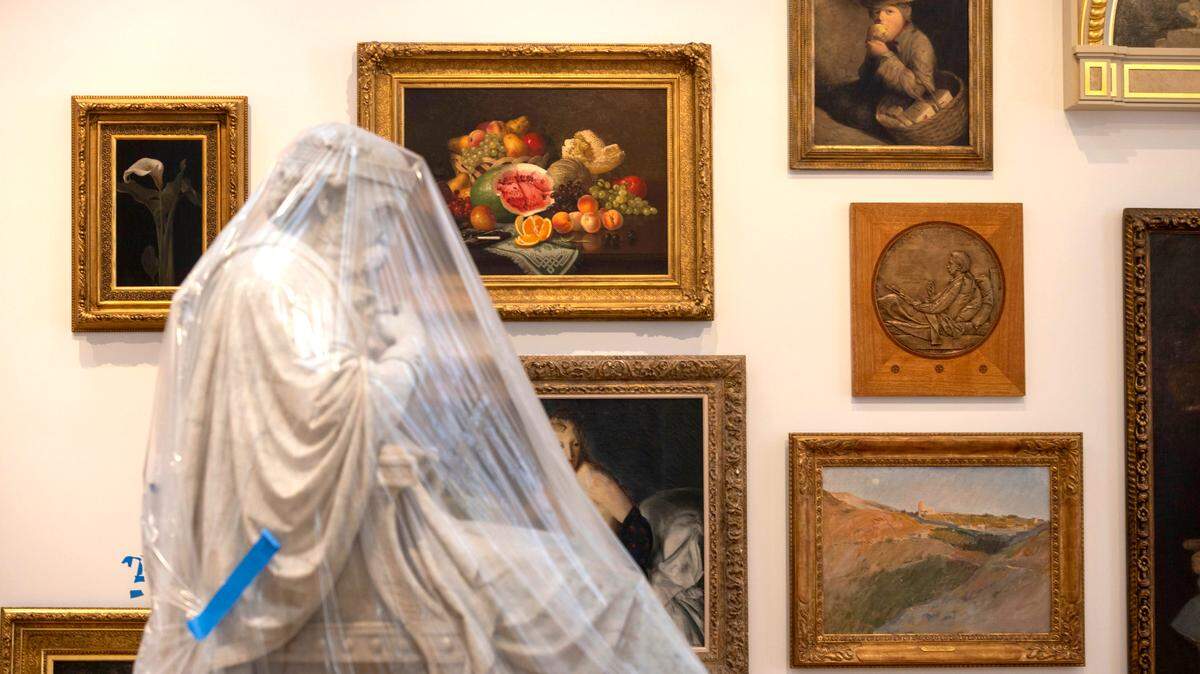
Reimagining the NC Museum of Art meant moving every piece of art — except this one
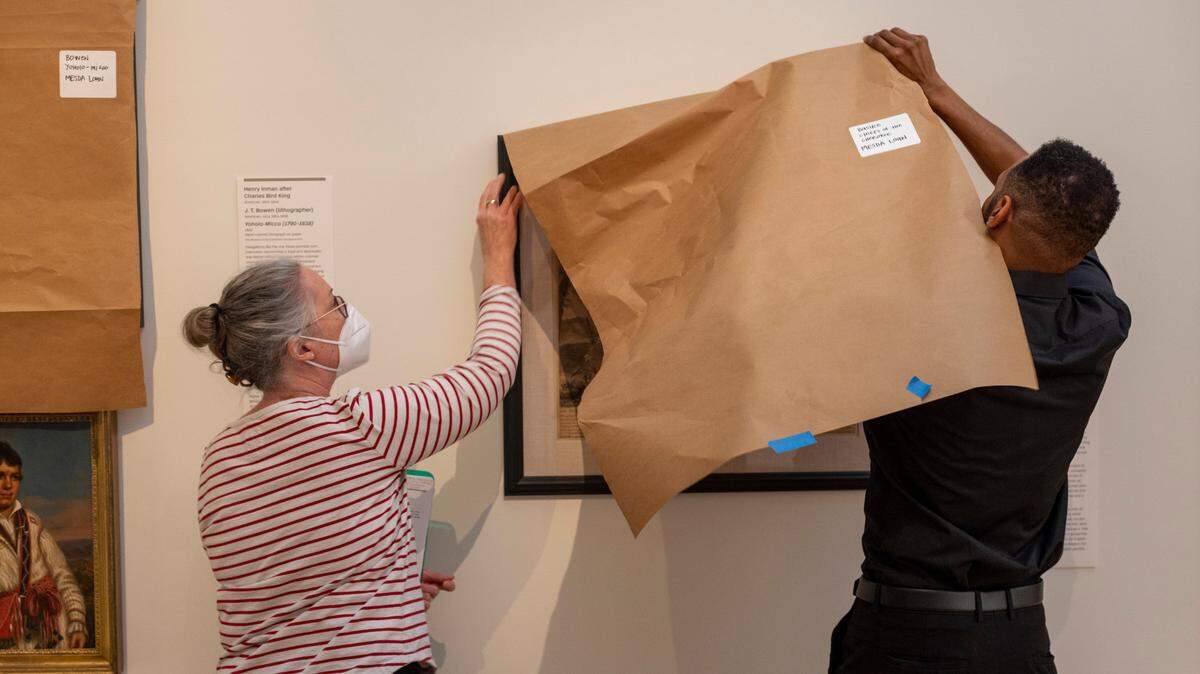
North Carolina art museum adopts a name that reflects who owns its artwork
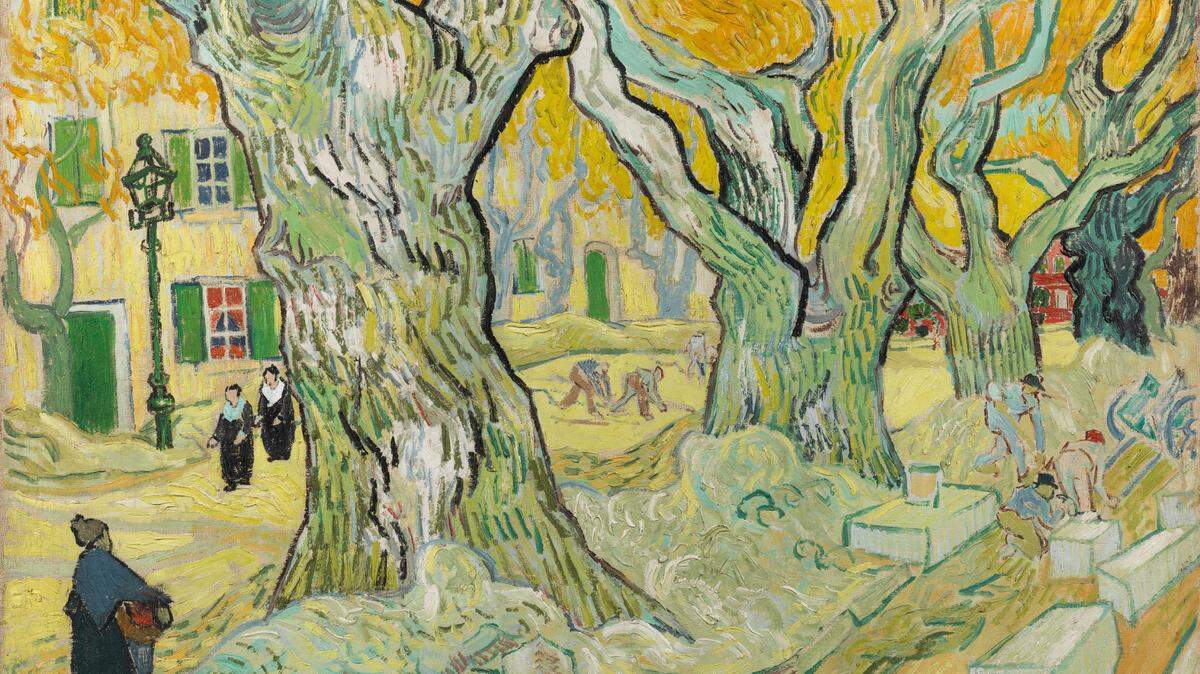
NC Museum of Art celebrates its reopening with free events, concerts and plenty of art
As the N.C. Museum of Art prepared for this summer’s reinstallation, it began to refer to the artwork in its galleries and storerooms by a new name: The People’s Collection.
The name grew out of conversations with consultants and members of the community, said museum director Valerie Hillings. A recurring theme was that the museum’s collection belongs to the citizens of North Carolina, Hillings said, and the name reinforces that.
“It is the public’s art,” she said. “It’s wanting to give them a sense of ownership and to find themselves in the collection.”
The museum now refers to “The People’s Collection” in all of its media and publications. “The People’s Collection, Reimagined” is the phrase the museum uses to describe the Oct. 8 and 9 weekend reopening celebration after reorganizing its collection to try to appeal to a wider audience, provide more historical and cultural context and increase diversity.
While the name is new, it refers back to the museum’s founding as a public institution, now part of the state Department of Natural and Cultural Resources.
NC Museum of Art gets its start
The museum’s roots go back to the 1920s, when a private group, the N.C. State Art Society, formed to build support for a state art museum and began acquiring paintings and putting on temporary exhibitions in the state Agriculture Building in downtown Raleigh.
But the “people’s collection” got started 75 years ago when the General Assembly set aside $1 million for art. The money was used to buy 158 paintings, two sculptures and 25 pieces of furniture and other decorative arts objects in 1952. The Kress Foundation, established by the founder of the five-and-dime store chain, matched the state’s money by donating 71 works, primarily Italian Renaissance paintings.
With its collection growing, the museum opened to the public in 1956 in the state Division of Highways building on Morgan Street. The museum soon outgrew the space, which also lacked a proper HVAC system for storing art, so the search for a new home began.
The move to Blue Ridge Road
In the late 1960s, a special commission created by the legislature chose state land next to a youth prison off Blue Ridge Road in West Raleigh. The new building, now called the East Building, opened in 1983.
In 2010, the bulk of the collection was moved to the newly built West Building. With its glass walls and courtyards, the light-filled space contrasts with the darker, more cavernous East Building, which is used mostly for special exhibitions.
Adjacent to both buildings is the Joseph M. Bryan Jr. Theater, a 2,500-capacity amphitheater, and the 164-acre Ann and Jim Goodnight Museum Park. Except for special exhibits, concerts and outdoor films, admission to the museum and the park are always free.
For hours and other information, go to ncartmuseum.org.
This story was originally published October 4, 2022 at 6:00 AM.