Backyard chicken flock in Wake County tests positive for avian flu. What we know.
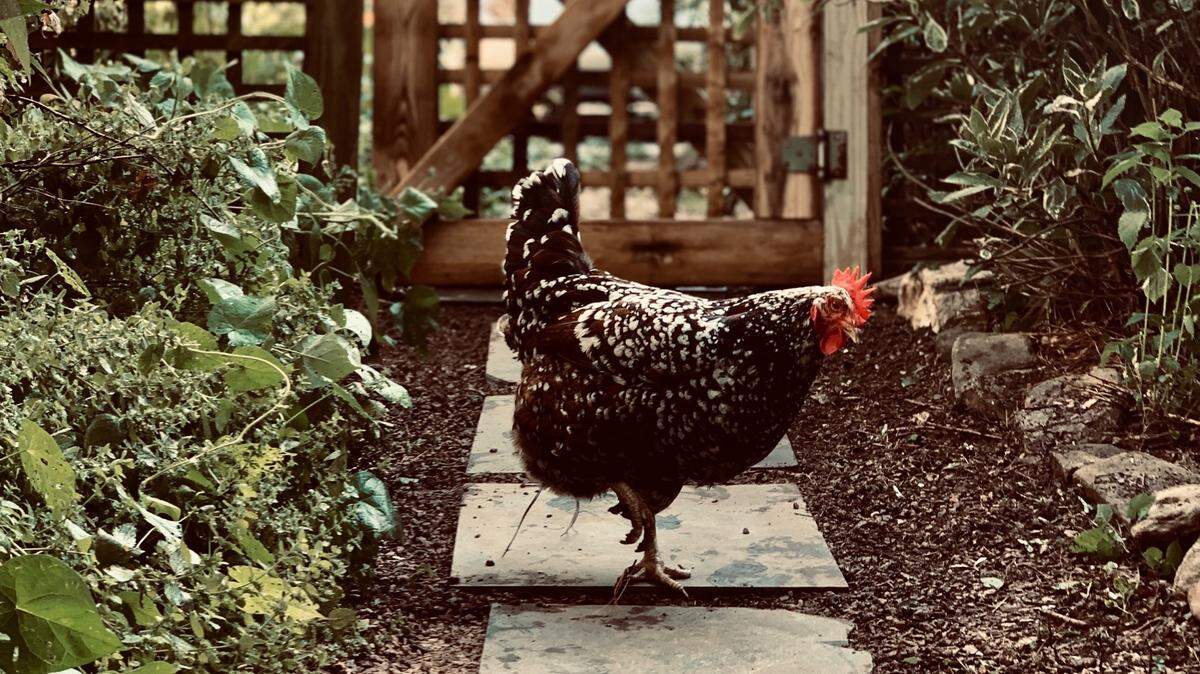
A flock of backyard chickens in Wake County has tested positive for Highly Pathogenic Avian Influenza (HPAI), marking the first confirmed positive test for the virus among a backyard chicken flock in North Carolina.
The N.C. Department of Agriculture & Consumer Services (NCDA&CS) announced the positive test Thursday, saying the sample was identified by the department’s Veterinary Diagnostic Lab in Raleigh.
The flock is made up of less than 100 birds. The flock will be “depopulated to prevent spread of the disease,” the announcement said.
HPAI is highly contagious and deadly virus that typically spreads from wild birds to other poultry through the shedding of saliva, nasal secretions and feces, or by touching a surface that has been contaminated by the bird, the Centers for Disease Control (CDC) says.
The virus “is considered a low risk to people, and “is also not considered a food safety threat” as infected birds do not enter the food supply, the NCDA&CS announcement said.
Previously, in the late spring and summer, HPAI was found at nine poultry farms in Johnston and Wayne counties, as well as around the country.
“We have had evidence that the HPAI virus has remained in our resident wild bird population and in migratory waterfowl, so confirmed reports of a positive flock is unfortunate, but not surprising,” State Veterinarian Mike Martin said in the announcement.
Martin said the backyard flock’s owner reported sick birds to the Veterinary Division with NCDA&CS, and “dead vultures were also found on the property.” Other flocks located near the infected one will be “contacted” as part of the department’s “ongoing surveillance” of the virus.
Martin said the HPAI virus is continuing to put the state’s poultry population “at high risk,” and the threat of the virus “likely will remain so through the fall and winter.”
“This latest HPAI positive flock reinforces the need to be extra vigilant,” Martin said. “Commercial operations and backyard flock owners should continue to follow strict biosecurity measures including keeping birds enclosed without access to wild birds or other domestic flocks.”
Warning signs of avian flu
Warning signs of HPAI in birds, as provided by NCDA&CS, include:
▪ Reduced energy, decreased appetite and/or decreased activity
▪ Lower egg production and/or soft-shelled or misshapen eggs
▪ Swelling of the head, eyelids, comb and wattles
▪ Purple discoloration of the wattles, comb and legs
▪ Difficulty breathing, runny nares (nose) and/or sneezing
▪ Twisting of the head and neck, stumbling, falling down, tremors and/or circling
▪ Greenish diarrhea
How to report suspected cases of avian flu in NC
If you notice your backyard birds, or birds in your area, exhibiting the above warning signs, you should report it right away.
To report suspected cases of avian flu in North Carolina, follow these options:
▪ Contact your local veterinarian
▪ Contact the N.C. State Veterinary Office (919-707-3250)
▪ Contact your local branch of the N.C. Veterinary Diagnostic Laboratory System:
- Raleigh: 919-733-3986
- Elkin: 336-526-2499
- Monroe: 704-289-6448
- Arden/Fletcher: 828-684-8188
▪ Contact the USDA (866-536-7593)