UNC is now a designated treatment center for patients with highly infectious diseases
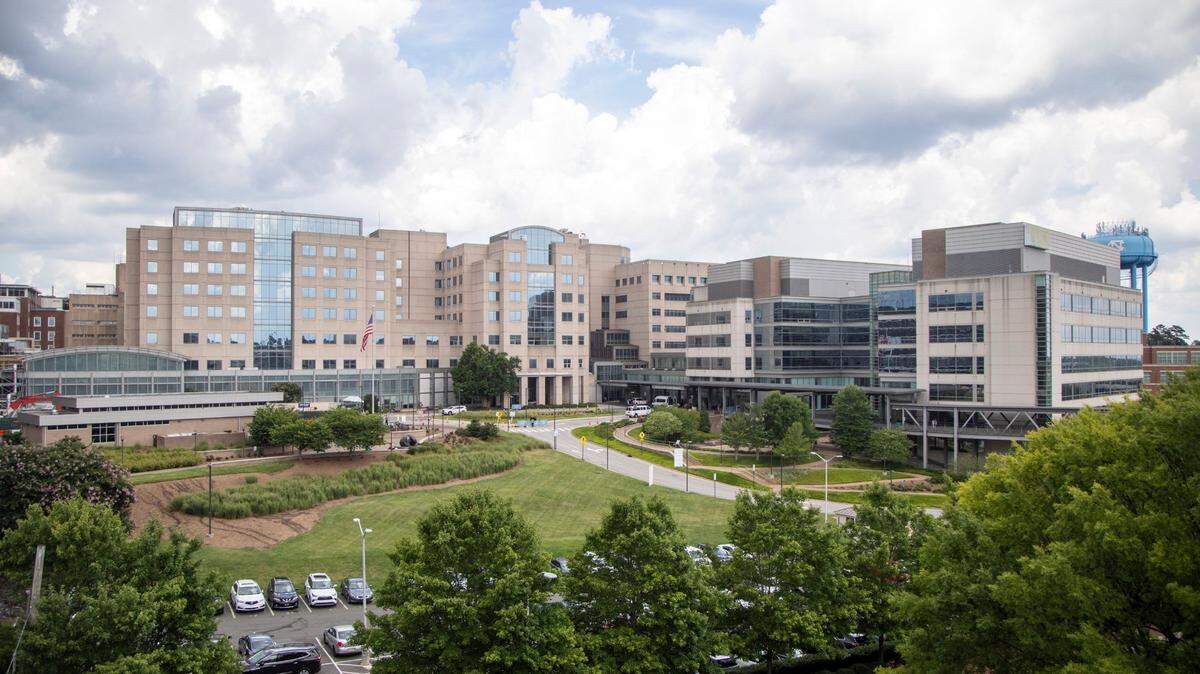
With a sizable federal grant, UNC hospitals will soon be a designated treatment center for patients with highly infectious diseases in the region.
UNC and Emory University are the only two Regional Emerging Special Pathogen Treatment Centers in the Southeast. There are 13 treatment centers in the United States after the U.S. Department of Health and Human Services appointed three new centers, including UNC, last month.
The center will be run by Dr. William Fischer and Dr. David Wohl, who both study infectious diseases at the UNC School of Medicine.
Wohl said grants to establish these treatment centers came out of the realization that infectious diseases like COVID-19, ebola and monkeypox could pop up more frequently thanks to global climate change.
“There was a realization that this could happen in the future with this or other pathogens,” he said.
New infectious disease emergencies might be especially likely in North Carolina. The state has a large military and migrant population who travel from abroad, where new pathogens have historically emerged, Wohl said. There are also several major interstate highways that bring potentially pathogen-carrying people through the state.
“You put all these things together — as we did in this application — to make a case that actually this could be a place where something like this could be easily detected,” Wohl said.
With a $3 million grant from the federal government, the center will train and educate staff at UNC Hospitals, other hospitals, and clinics across the Southeast how to handle an infectious disease emergency.
That training includes drills explaining the basics of recognizing infectious diseases, how to properly don and doff PPE, and how to properly notify health officials of a case.
Teddy Rosenbluth covers science and healthcare for The News & Observer in a position funded by Duke Health and the Burroughs Wellcome Fund. The N&O maintains full editorial control of the work.