
Who killed Bonnie Neighbors? New book casts doubt on homeless man blamed in 1972 case.
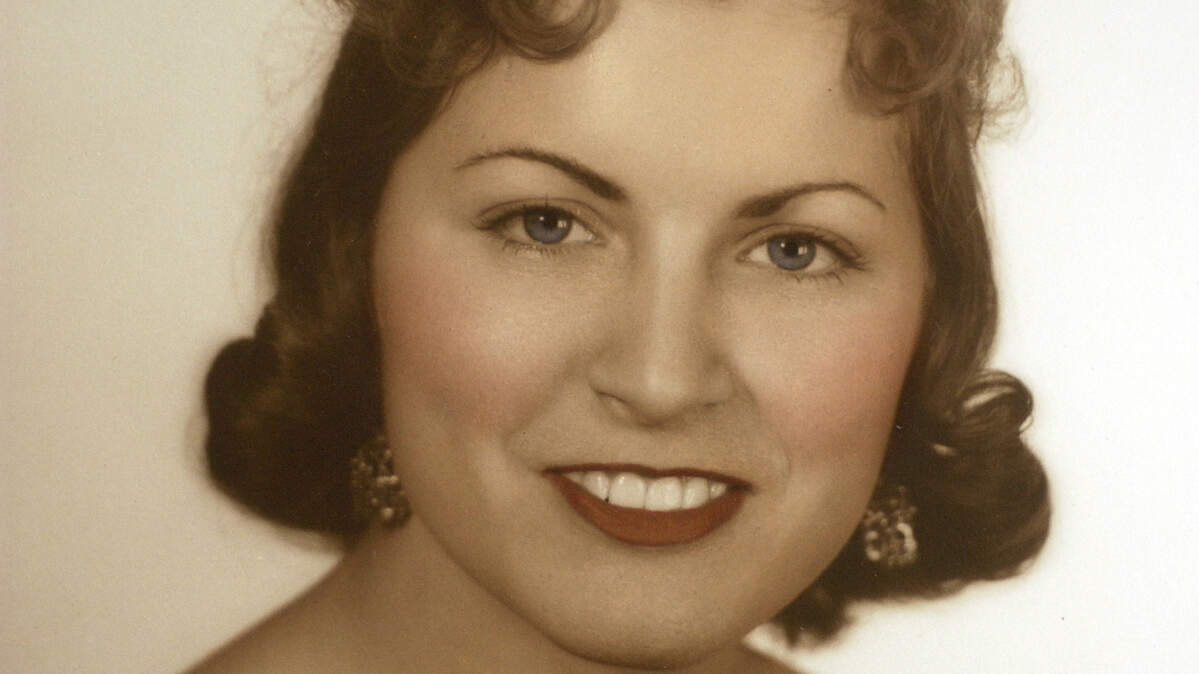
The day Bonnie Neighbors disappeared, she put on her favorite green pantsuit and red shoes, then sped out of her driveway in an obvious rush — kicking up gravel and missing a wave from the passing milkman.
After 50 years, nobody can say where she was traveling in such a rush, carrying her 4-month-old son in their station wagon. But it wasn’t the direction she usually turned, toward the pickup spot at her second-grader’s school.
The next time anyone saw her, three days had passed, and the 33-year-old mother of two was lying dead on a mattress at a migrant laborer’s camp, bound and gagged with strips of her baby’s diaper and shot twice through the abdomen.
Her baby Glenn lay crying next to her head, suffering no more than a wet diaper.
Revisiting the crime
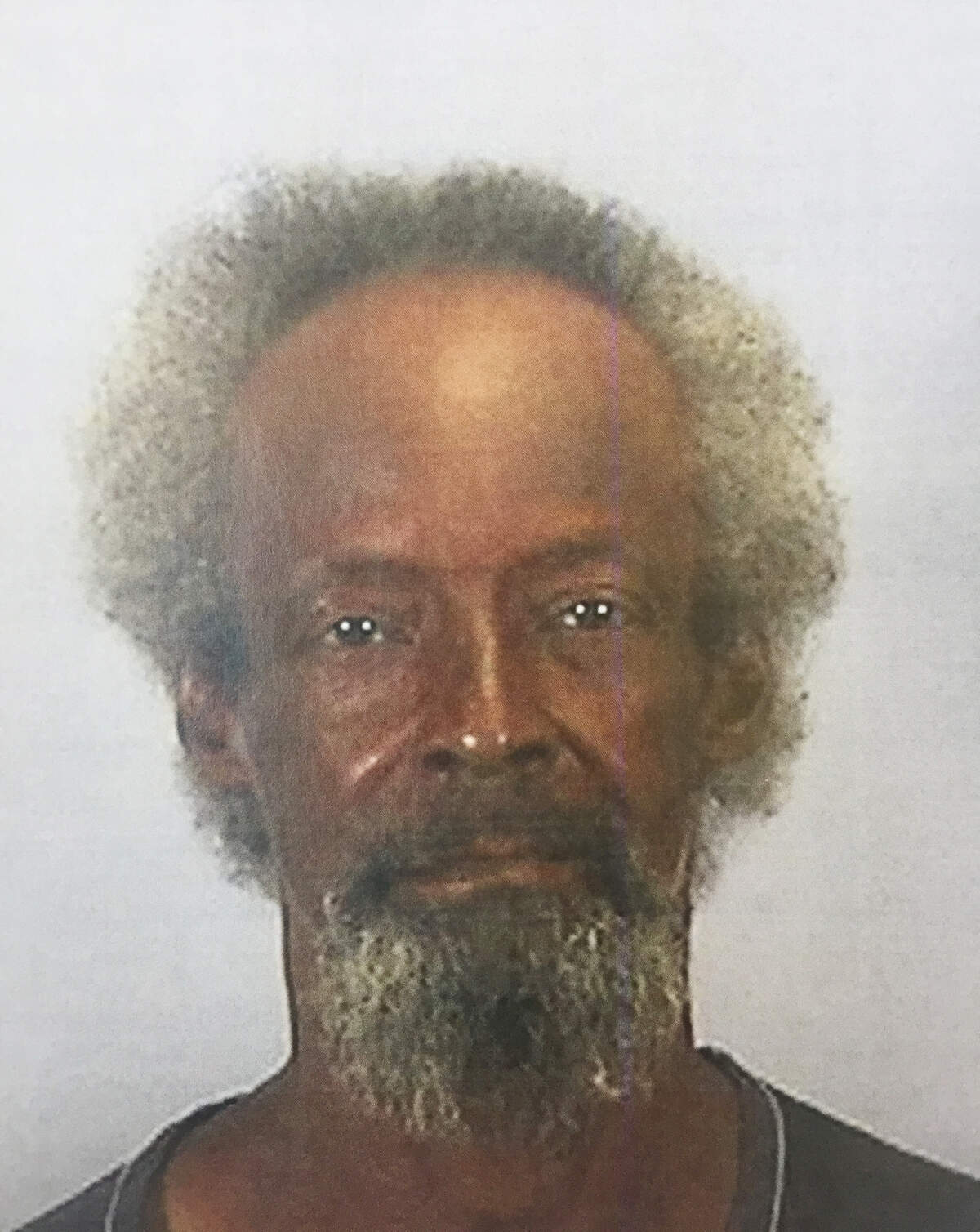
Neighbors’ 1972 murder set off a massive investigation that turned up nothing for 47 years, enduring as a notorious cold case until the Johnston County sheriff’s office announced in 2019 that, thanks to DNA evidence, they had arrested the culprit at last: a 65-year-old homeless man living in Bradenton, Fla., where he took meals at a soup kitchen.
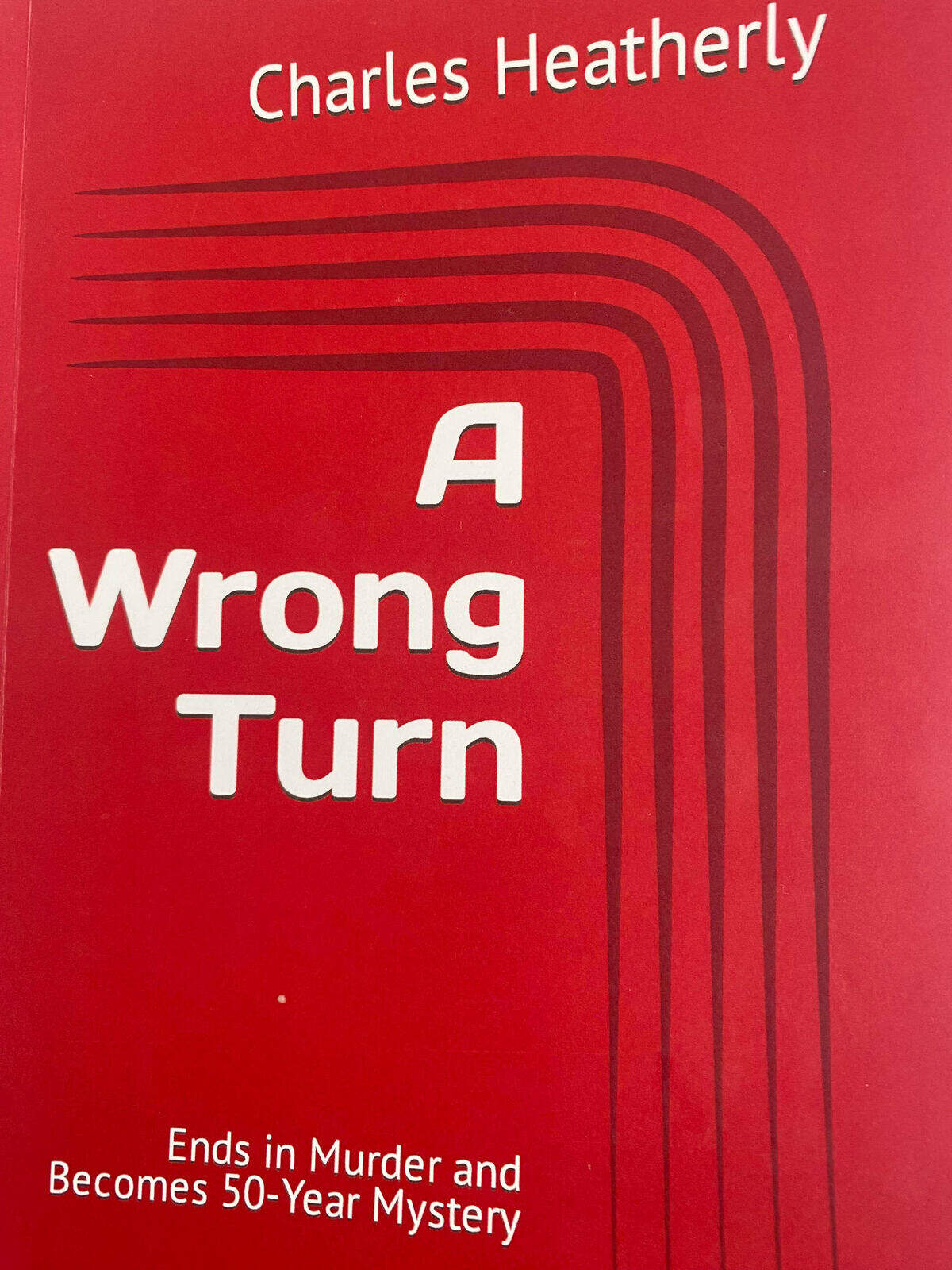
But in his new book “A Wrong Turn,“ Charles Heatherly revisits the crime in unblinking detail and reaches this conclusion: Larry Joe Scott, the homeless man who died in prison before facing trial, did not kill Bonnie Neighbors.
It’s an opinion shared by Neighbors’ younger sister, Rachel Wheeler, who has long fought to keep the case alive.
“I do not believe it at all,” she said Friday. “I did not believe it from day one.”
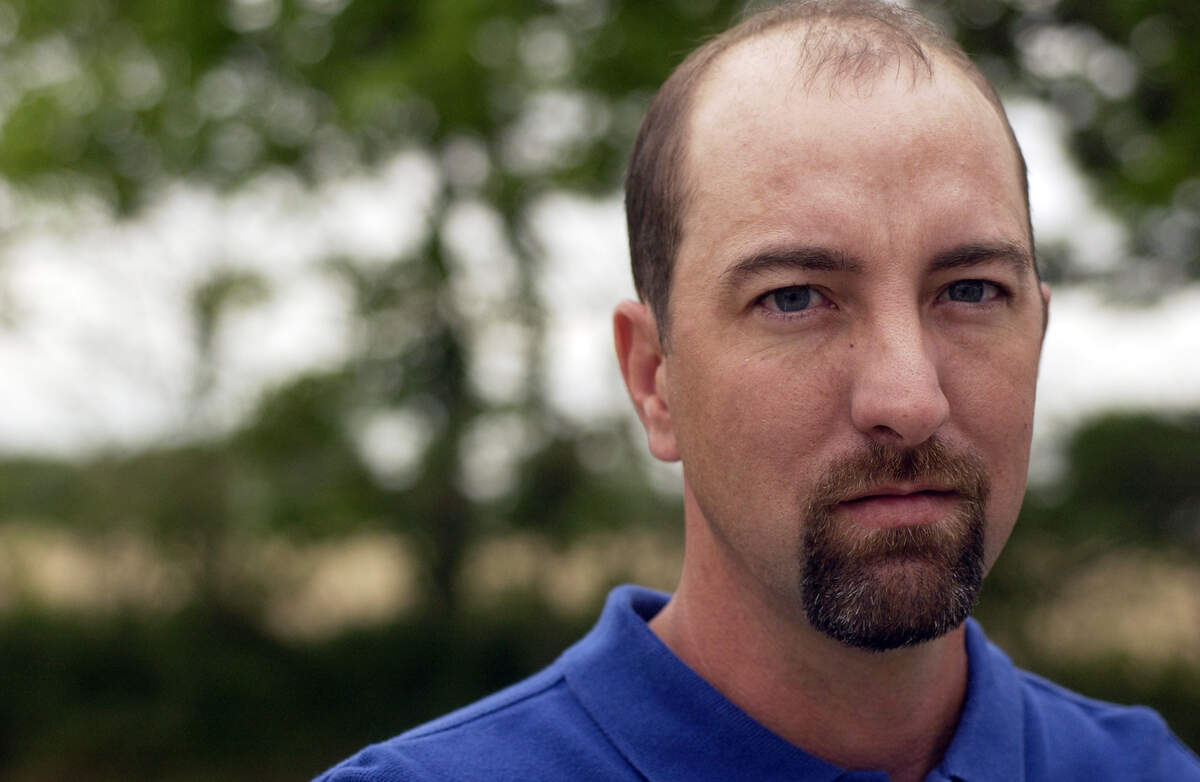
The Neighbors murder shook Heatherly, who was serving as a captain in the N.C. National Guard while its helicopters scoured rural Johnston County, looking for the young mother. Now retired from state government, Heatherly has spent years interviewing the former sheriff, mayor and cold case agents with the State Bureau of Investigation.
To him, Scott’s arrest raised as many questions as it answered. Why would he do it?
Neighbors was not sexually assaulted nor robbed, and as far as anyone knew the two never stood within sight of each other, let alone in the cinder block migrant house where Neighbors died.
Sheriff Steve Bizzell rejoiced at the arrest, expressing relief at finally telling Neighbors’ son that the killer had been caught. But even he could offer no motive.
“In my opinion,” Heatherly said, “the case is not solved. Nobody has stood at the bar of justice and answered for it.”
Two details that stand out
In a murder case brimming with juicy details, two stand out for Heatherly:
One, Neighbors took a wrong turn that day, knowing she had her 7-year-old boy waiting at school. Wherever she was going, and whomever she was meeting, it broke with her routine. She had told her family she struggled with loneliness, and her accountant husband was frequently out of town — including the day of her disappearance.
Was it likely, Heatherly asks, that Neighbors sped off to meet with Scott, then only a teenager with no connection to her family?
“There was no way she was going to rendez-vous with an 18-year-old Black kid,” said Heatherly, citing the area’s well-known Ku Klux Klan presence. “In Johnston County? In 1972?”
Even more troubling: Whoever killed Neighbors took care of her infant son for three days.
The temperature dropped below freezing on the nights Neighbors went missing. No infant could survive alone and without food in conditions so cold the local farmers’ pigs froze to death.
So if Scott attacked Neighbors after her mysterious left turn, why did he stop short of killing the child?
Is it likely that an 18-year-old assailant carried his victim’s baby to safety, fed him and kept him warm for three days, having shot his mother? And after playing babysitter, would he then return to the scene of the crime and leave the infant with his dead mother?
“Larry Scott was not known to have had any child nurturing skills,” Heatherly wrote, adding, “In retrospect, it appears that an indigent Black man was a perfect scapegoat for the crime that had tainted the Johnston County justice system for too long.”
Much more likely, both Heatherly and Neighbors’ sister agree, is Larry Joe Scott playing an accomplice’s role.
The morning after Neighbors vanished, officers located her car in a weed-choked lot at the end of a dirt road within walking distance of a house where some of Scott’s family lived. At the time, the teen appeared on nobody’s radar.
Investigators found the car’s driver-side door open with the keys on the front seat and the baby carrier in the back. Neighbors’ purse and diaper bag were missing, but both were later recovered with her body.
Clues and questions
One clue that would tend to point to Scott was a missing credit card from Neighbors’ purse, linked to $40 in purchases at a Chinese restaurant in Tampa.
But just as many points would seem to exclude the teen.
For one, the knots binding Neighbors were tied in a complicated fashion, a half-hitch on top of a square knot. This design, Heatherly points out, is more common to people with horse farm experience than teenagers living on dead-end, dirt roads.
For another, someone called the Benson radio station in the days after Neighbors’ disappearance and suggested investigators check out the local migrant camps. And long after Neighbors’ death, women around Benson got anonymous calls telling them they were next.
Then six months later, someone wrote a letter published in the Dunn Daily Record, addressing Bonnie Neighbors directly. Its writer assured the murder victim that she saw Neighbors’ “lovely” sons every day, and that her mind was finally clear enough to speak up.
“I know the forces that moved into your life,” the letter read. “I know who it was and I know those same forces are the reason you aren’t with us. They can call me ‘Nemesis,’ Bonnie, because I will not rest until the guilty are punished.”
It was signed Wendy Johnson of Benson, who was never located.
To both Heatherly and Neighbors, it makes the most sense that the killer approached Scott and offered him money to hide the victim’s car. He may not have known why he was dumping the station wagon, or he may have seen the body, but he didn’t tie a half-hitch and prepare a bottle of formula.
Then later, when the case got hot, the same killer gave Neighbors’ credit card and shooed him south on a Florida-bound train with a warning to stay gone for good, thus eliminating the only living connection to the crime.
From the beginning, said Neighbors’ sister, investigators told her family they believed more than one killer was responsible. With one man in custody, that theory suddenly evaporated.
But even after 50 years, both Wheeler and Heatherly know someone out there can answer these questions, freeing a burdened conscience, honoring a long-departed mother who took a wrong turn.
“A Wrong Turn” can be bought on amazon.com for $9.95.
This story was originally published January 9, 2023 at 6:00 AM.