Is it too late to get a flu shot? A UNC doctor explains the timeline.
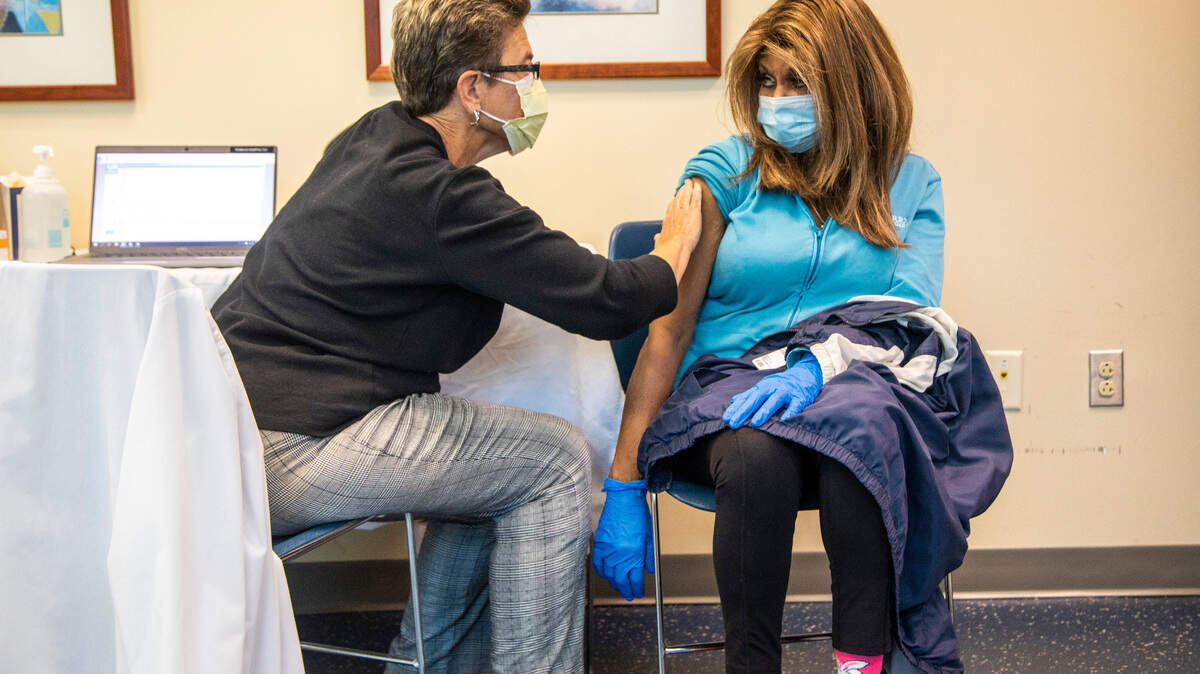
Flu season is far from over. And with a few months left in this sickly season, doctors are encouraging everyone to get vaccinated as soon as they can.
“In the light of the holidays and widespread travel, we expect to see an increase in cases of influenza and other respiratory illnesses. There is still time to protect yourself by getting vaccinated!” Dr. Anita Skariah, a primary care physician with UNC Health in Hillsborough, told The News & Observer.
All of the UNC Health practices still have lots of flu vaccines available for anyone who’d like one, she added.
An estimated 37% of adults in North Carolina have received their flu vaccinations this flu season, according to the latest data available from the Centers for Disease Control and Prevention.
Here’s what to know about getting a flu shot this season:
Is it too late to get a flu shot in January or February?
No! Readers can contact their healthcare providers or seek out vaccines at local pharmacies.
“In North Carolina, flu infections are most common from late fall to early spring with activity usually peaking in January or February,” said Kelly Haight Connor, communications manager for the NC Department of Health and Human Services.
If you need help finding a flu shot, use the NC DHHS’ online flu vaccine finder: covid19.ncdhhs.gov/flu.
When is flu season?
September to March, usually. Doctors typically advise getting vaccinated in that time frame, because vaccine protection is roughly six months, Skariah said.
This season was a bit unusual. The flu was circulating during the summer months, making it difficult to predict an end to flu season this year. It’s likely the season will extend past March to April or May, though it’s too early to say.
We know there’s normally a spike in cases after holiday gatherings and travel, so it’s important to get your flu shot now if you haven’t, she said.
Can you get the flu if you’ve received your flu shot?
Yes. “Receiving the vaccine does not necessarily mean you will not get the flu, but it should be a milder case if infected,” Skariah said.
The vaccine covers the most common strains that were circulating the previous year, but as we’ve all learned from watching COVID-19 unfold, viruses mutate with time.
“The antibodies we produce from the vaccine eventually catch up. They help our immune system conquer the virus and prevent wider damage to our organs,” she said. “It’s worth the protection from widespread damage.”
Can you get a flu shot with other vaccines (like a COVID booster)?
Yes, it’s safe to take a flu shot at the same time as another vaccine, such as your COVID-19 booster.
“It is not unreasonable if you are nervous about receiving two new different vaccines, if you want to separate the days that you receive them. It’s important to receive them as soon as you can,” Skariah said.
“Another strategy is to administer each in a different arm so if you were to have a localized reaction, you could identify which was the cause.”
Who should get a flu shot?
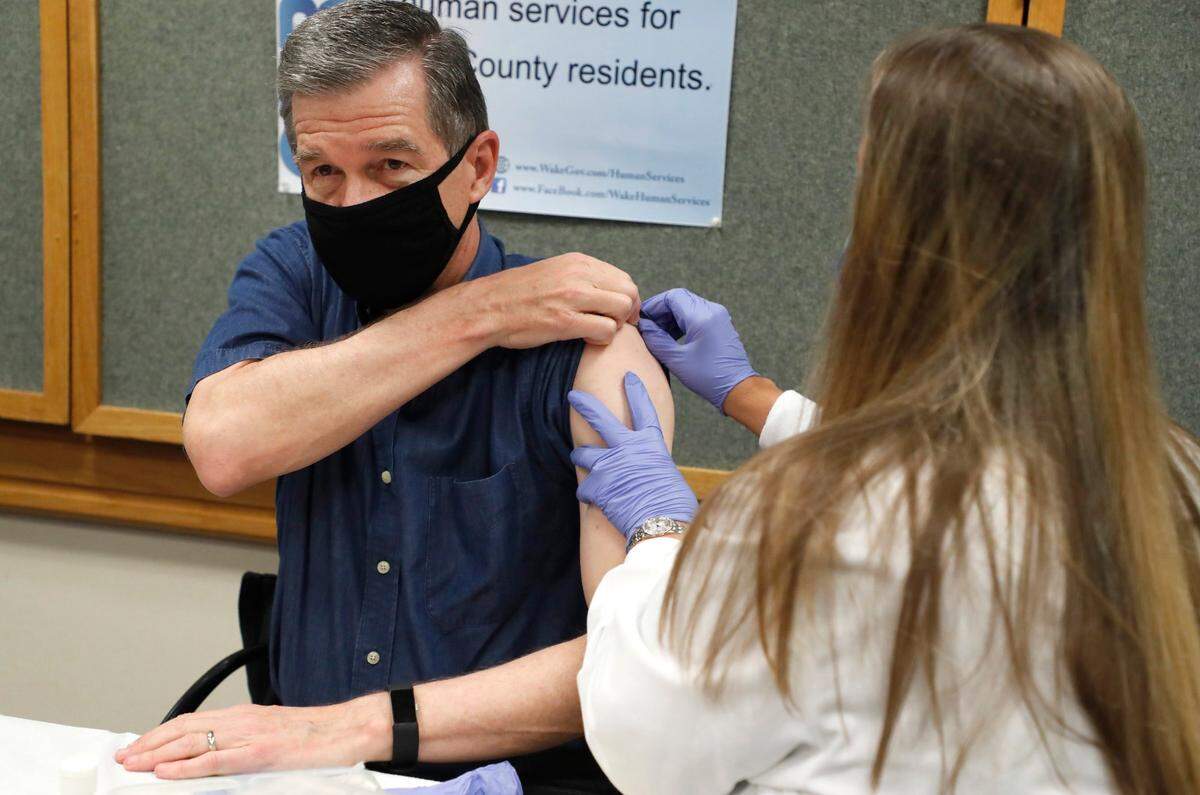
Everyone six months and older should get an annual flu vaccination, the CDC advises.
The flu vaccine doesn’t promise you can’t get the flu, but it can make illness much more mild for those who catch it, Haight Connor said.
This is especially important for those who are at higher risk of more serious illness, including people who:
Are over 65 years old
Are younger than 5 years old
Are pregnant
Have certain medical conditions, such as asthma, diabetes, heart disease or obesity
People with egg allergies can even get flu shots. Learn more at cdc.gov/flu.
Are flu shots free?
Usually. You can often get your flu shot at little to no cost, NCDHHS says.
Call your pharmacy, doctor’s office or urgent care center ahead of time to see if your flu shot would be free.
CVS, Walgreens and other select pharmacies promote free flu vaccinations on their websites.
Reporter Tyler Dukes contributed to this report.
This story was originally published January 10, 2023 at 6:00 AM.