Marijuana vs. CBD vs. delta-8 vs. THC: What are they and how are they different?
Though legislation being considered by the North Carolina General Assembly this session could legalize medical marijuana for some illnesses, the substance currently remains illegal for both personal and medical uses in North Carolina.
Despite this, you may have noticed that there are other cannabis-adjacent and cannabis-derived products on the market in the state, both in-person at stores and online.
That could include delta-8 gummies, for instance, or CBD oils and creams, among a plethora of other products.
But what, exactly, are those products? How are they related to marijuana? And what are the differences between them?
To help you understand the various cannabis-related products for sale — and not for sale — in North Carolina, we’ve compiled information on the products, including how they are similar and different from one another.
Here’s what to know about the substances.
What is cannabis?
Before breaking down the various cannabis-derived and cannabis-related products you may find online or on store shelves, it may be helpful to first understand what cannabis actually is.
Though the term may be used interchangeably to describe marijuana, hemp or other products, it technically is a separate term used to describe the plant from which those products are derived.
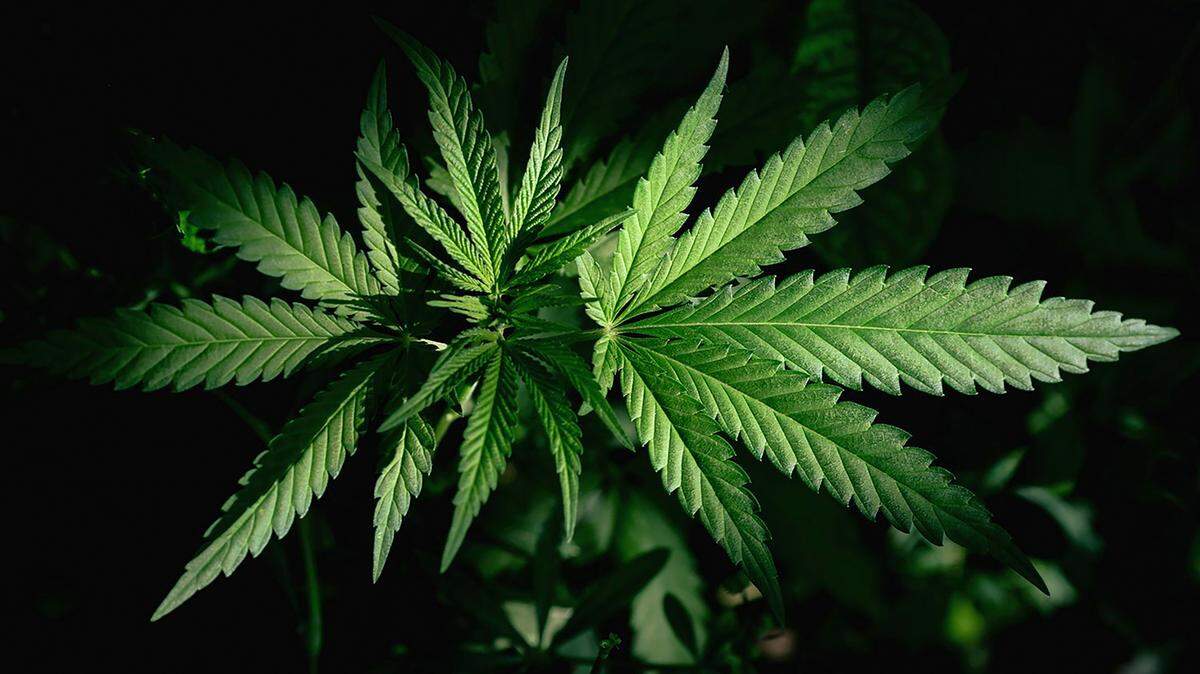
The plant’s full, scientific name is cannabis sativa, and you may be familiar with its look — described on an N.C. State Extension online plant identification site as having leaves that are “palmate, divided into 3 to 7 toothed leaflets.”
“The relatively sparse foliage allows air flow through the plant, making a more healthy plant that experiences fewer issues with fungus than other varieties,” the plant’s description continues. “The flowers are small and green, crowded on axillary clusters.”
Though we often associate the cannabis plant with marijuana and other substances, it can also be used for other purposes, such as textiles or bioplastics, according to information on the N.C. State site.
What is marijuana?
Marijuana, also called weed, pot or a variety of other terms, is derived from the cannabis plant.
The National Institutes of Health describes marijuana as the “greenish-gray mixture of the dried flowers” from cannabis. Those flowers can be smoked in a variety of forms, vaporized or incorporated into food or drinks.
Marijuana contains a psychoactive, or mind-altering, component that can give intoxicating effects — commonly referred to as a “high.” That psychoactive component is delta-9 tetrahydrocannabinol, or delta-9 THC.
THC is a type of cannabinoid, or chemicals that cause “drug-like effects all through the body, including the central nervous system and the immune system,” according to the National Cancer Institute.
It is currently illegal to grow, sell or use marijuana in most of North Carolina, except on Cherokee land in the western part of the state, where it will soon be available for legal purchase to use for select medical purposes.
What is THC?
Tetrahydrocannabinol, or THC, is the “the primary chemical compound responsible for cannabis’ euphoric effects,” according to Leafly, a popular website for buying and learning about cannabis.
“In other words, THC is one of the main reasons we feel high after using cannabis,” Leafly explains.
But there are different types of THC, including:
▪ Delta-9 THC, which is found in marijuana.
▪ Delta-8 THC, which is less potent than delta-9 THC and can be produced from hemp. Delta-8 is in a “legal gray area,” Leafly says, because it can still cause a high. Delta-8 can be used and sold in a variety of products, including edible gummies or candies or vaporized forms.
▪ Delta-10 THC, which is also less potent than delta-9 THC.
The legality of delta-8 and delta-10 THC in North Carolina is murky, The News & Observer previously reported, because “some delta-8 products could be considered ‘synthetic’ THC, which is illegal,” and some delta-8 products could “have more THC than is advertised and legally permissible.” But delta-8 products are currently available for sale in multiple online and in-person marketplaces in the state.
What is hemp?
Hemp is similar to marijuana, in that it is also derived from the cannabis plant.
But unlike marijuana, hemp is not cultivated for its psychoactive effects. Hemp contains less delta-9 THC, at 0.3% or less in total, than marijuana — “meaning hemp-derived products don’t contain enough THC to create the “high” traditionally associated with marijuana,” as written in an article on the plants from Michigan State University.
Hemp is used in textiles, and it is also used to extract CBD for use in oils, tinctures, creams and other products, according to Leafly.
As a result of the 2018 federal Farm Bill, it is legal to grow and sell hemp in the United States, and the substance is no longer on the Drug Enforcement Agency’s list of controlled substances.
What is CBD, or cannabidiol?
CBD, or cannabidiol, is another type of cannabinoid — remember, THC is also a cannabinoid — which are compounds from cannabis plants that “interact with receptors involved in a variety of functions like appetite, anxiety, depression and pain sensation,” according to information from Michigan State University.
But unlike THC, CBD is not intoxicating — “meaning it will not make the consumer feel high when consumed,” according to Leafly. Still, some users say that CBD helps them feel more relaxed or less anxious.
CBD can be derived from hemp or non-hemp plants, according to the Centers for Disease Control and Prevention. It is typically derived from the plant in an oil form, which can then be added to a variety of other products, such as creams or even edible products, such as gummies.
CBD derived from hemp is generally considered legal in North Carolina due to provisions regarding the legalization of hemp in the U.S., but the topic still remains some what murky, The N&O previously reported. Various forms of CBD are for sale around the state.
More information
More definitions of cannabis-related terms and products can be found on the Leafly website at leafly.com/learn/cannabis-glossary.
This story was originally published April 20, 2023 at 4:20 AM.