NC farmer reflects on bull attack, public response. ‘All I can do is say thank you.’
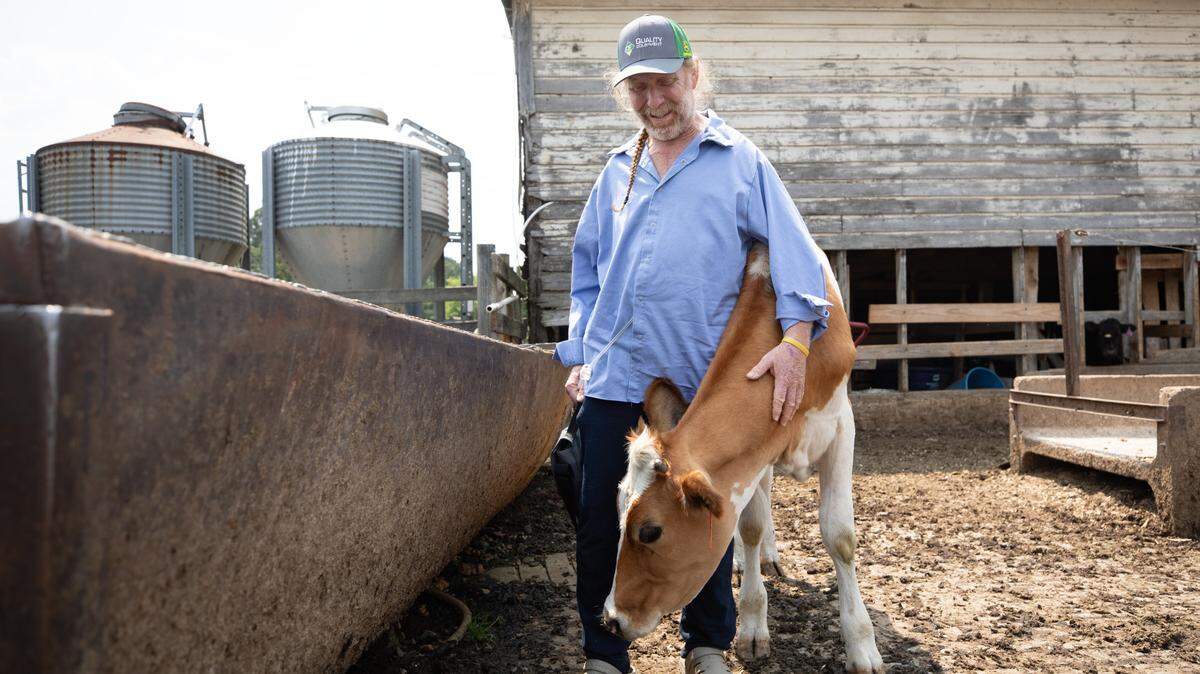
He was in the ambulance, heading down the driveway to catch a helicopter to UNC Hospitals in Chapel Hill, when Randy Lewis briefly thought he might not see his family’s 150-year-old dairy farm again.
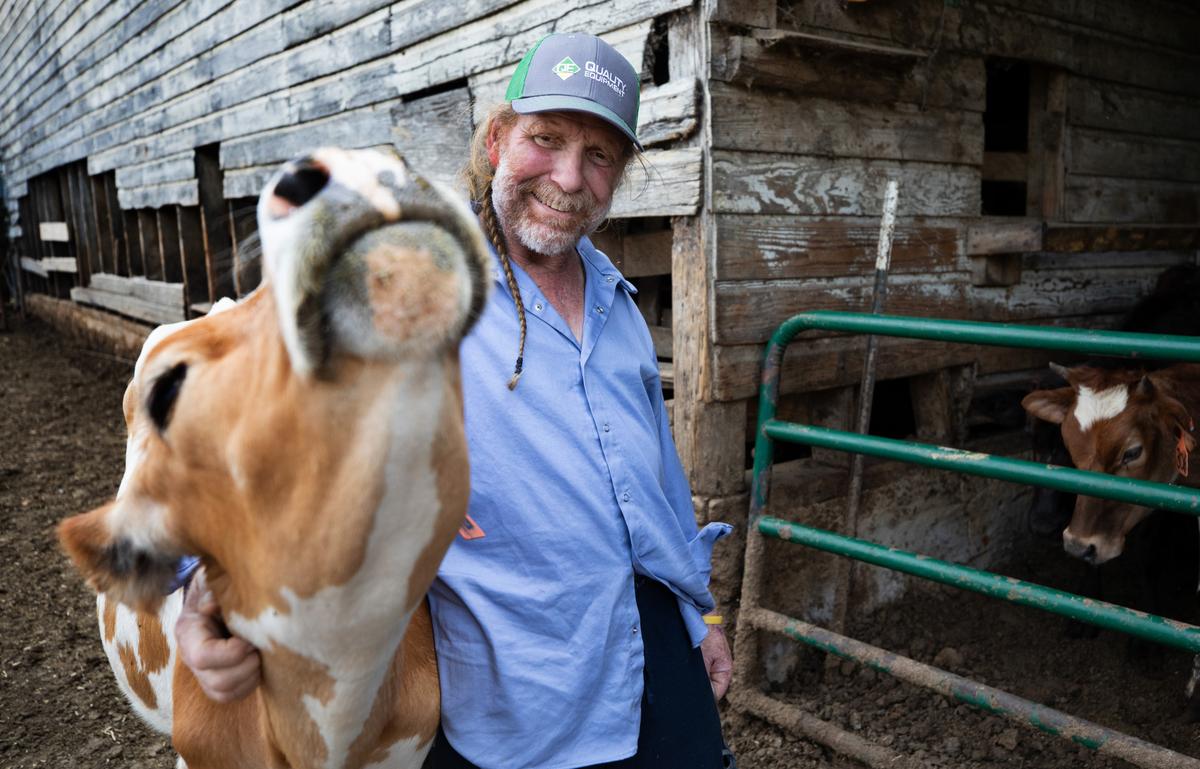
“To be honest, I never really thought about dying,” Lewis said, sitting Friday afternoon in a dusty captain’s chair on the front porch of his fifth-generation Alamance County home. His “buddy,” Boudreaux, rested by his side.
They adopted the Dachshund-Cocker Spaniel mix from his sister in 2012, Lewis said, and he and the dog have been “inseparable” since Boudreaux survived being hit by a car a few years back.
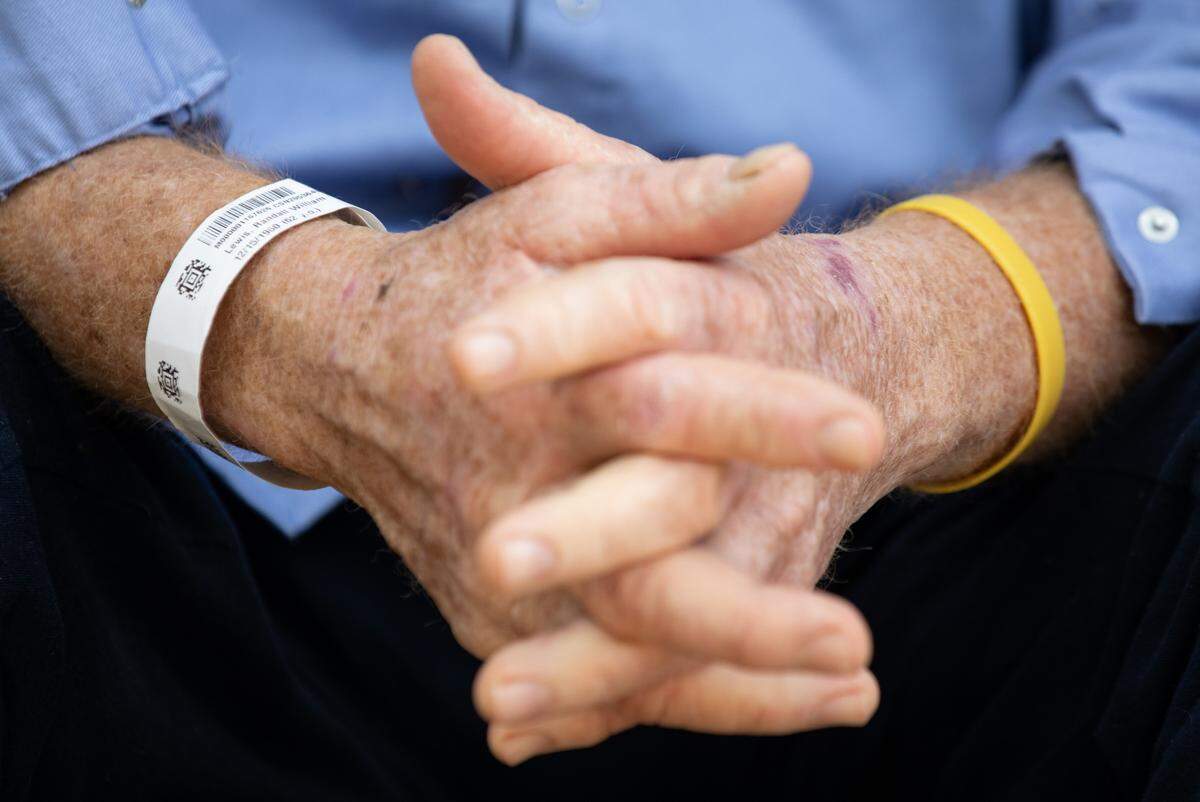
Lewis, 62, apologized as he stopped to bend one way and then the other to relieve muscle spasms. A May 7 bull attack put him in the hospital for 26 days with two punctured lungs, broken bones in his face and chest, and five broken ribs.
He paused to rest and talk a few times Friday as he walked from the house to the barn and back.
“In all honesty, at times, I think that’s all I felt I could do was keep breathing,” he said. “I’m much better than I was when I started.”
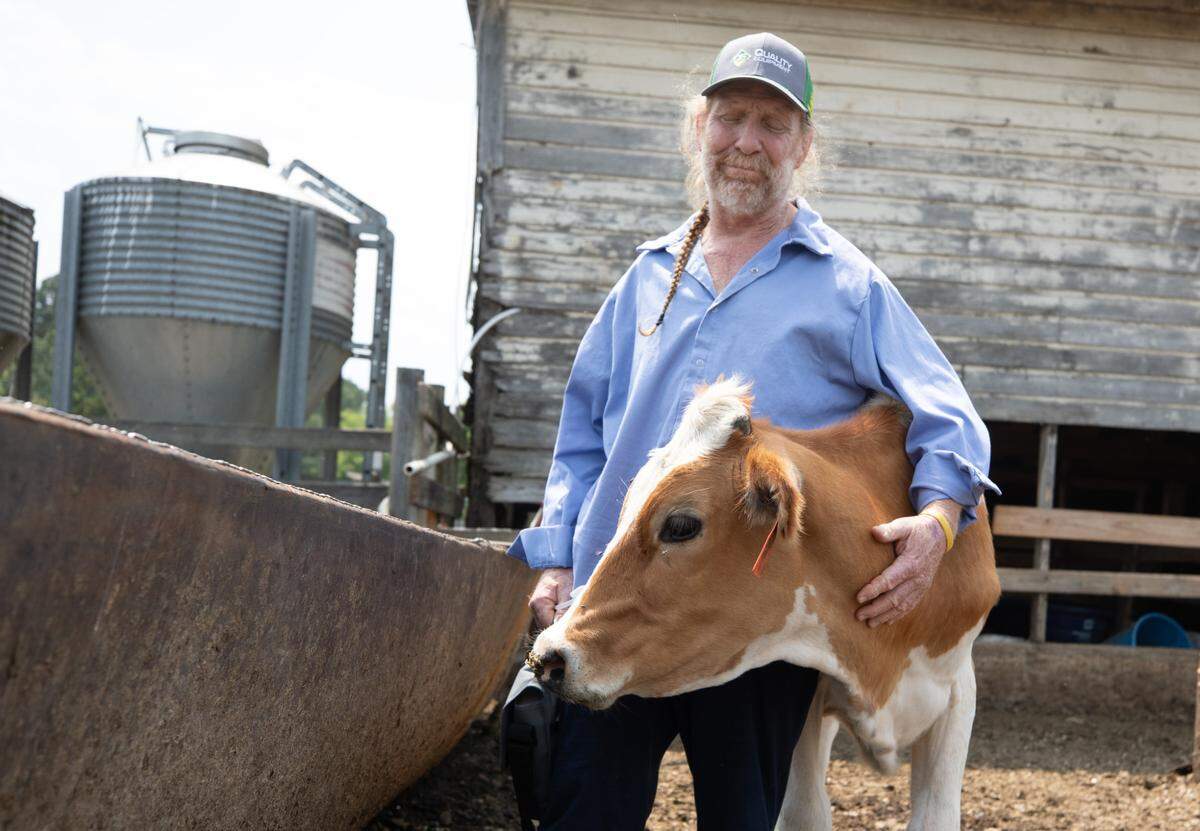
He credits that progress, he said, to good friends, good medical care, and the toughness that comes from being a dairy farmer. His first outing was lunch with a friend Thursday at the Saxapahaw General Store.
“It was very nice,” Lewis said, and smiled. “Seen everybody. It was a tearful reunion, I’ll say that. There wasn’t a dry eye in the house.”
But the normally talkative Lewis fell silent when asked about the fundraisers and benefits that raised over $184,000 to cover medical expenses, and the 400-plus volunteers who have delivered meals and continue to clean up, plant flowers and get the work done.
Weaver Street Market started sending a truck out to pick up the orders that Lewis had been delivering.
”All I can do is say thank you,” Lewis said.
Jim Preston said he’s not surprised at all. Lewis’ longtime friend drove down from Michigan last week after his daughters got out of school. They spent a day at the beach as part of the deal, Preston said, as he rested on the porch steps.
It’s been a lot of work, but it’s also been fun, he said, half-joking that it took three or four people to replace Lewis.
“He would do the exact same for anyone,” Preston said. “When this came up, I kind of waited, because I knew the initial response would be so overwhelming.”
Early signs of a problem
The black Angus bull was just a year old and about 1,100 pounds — about half the size of a full-grown bull — but it showed signs of being a problem before the attack, Lewis said. The owner has since retrieved the bull, he said.
The animal looked askew at him that morning, Lewis said. His hand instinctively reached for the gate, but the bull knocked him off his feet in the split second before he could get to safety, pinning Lewis on the ground between its head and a fence post.
“I’ve been around bulls a long time, and when they set up with a certain posture, they ain’t playing, and that bull wasn’t playing,” Lewis said. “I was going to step over a gate, because I needed something between me and him, and he was closer than I thought.”
“My ribs were popping like popcorn,” he said.
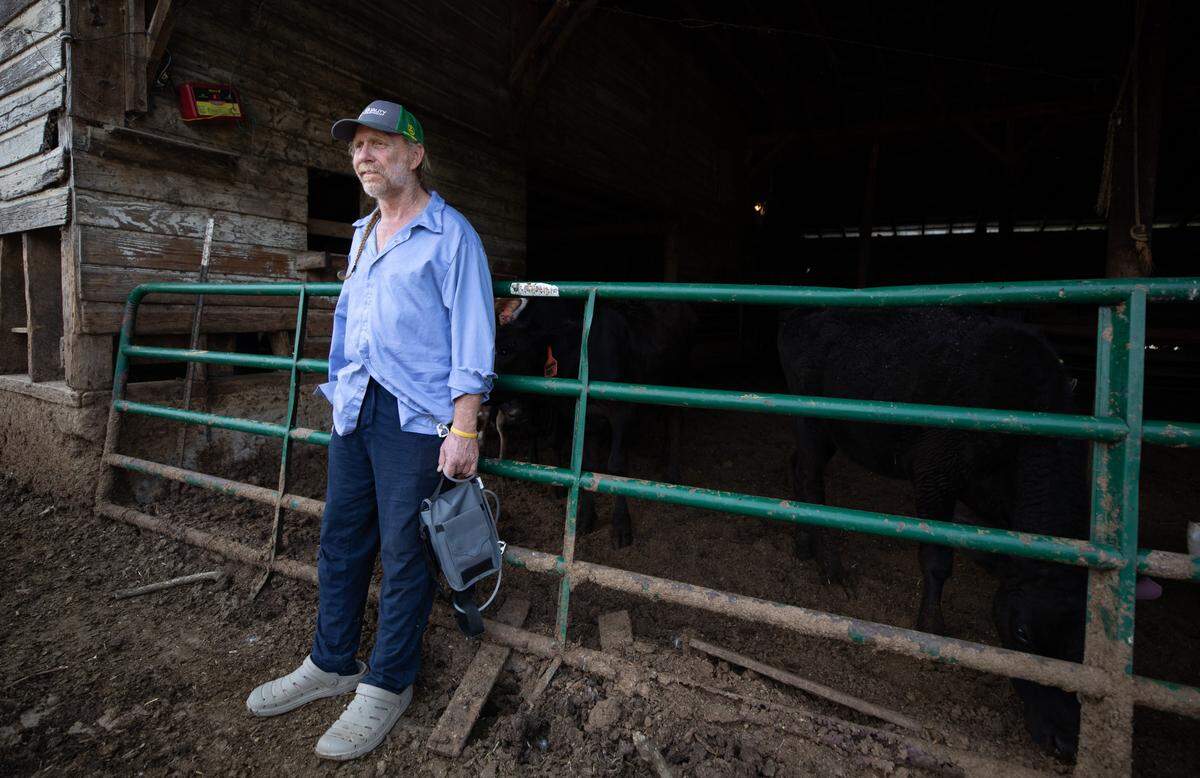
He called 911, stumbling to his feet as he walked and crawled past another fence and more gates to reach the barn. He knew only that the bull had walked away, and the only other person around was milking the cows and not likely to find him, he said.
A friend who works at the Eli Whitney Fire Department was just finishing his shift when the call came in. He found Lewis by the barn and stayed with him until the ambulance arrived.
“He said, ‘Don’t worry, Randy. It’s going to be all right. The helicopter is on the way,’” Lewis said. “And I thought, you know, that’s a whole lot to do for somebody that’s got beat up by a bull. Then I remembered how bad I was beat up.”
At the hospital, he figured he’d be out in a day, maybe two, but when faced with the reality of his injuries, “I had no choice but to put my faith in them and do whatever they told me to,” Lewis said.
He was rarely alone, hosting a steady stream of visitors, including “a couple of Eli Whitney’s finest” and some “local ruffians” who stayed one night until the nurse ran them out, Lewis said.
Back on the farm, future plans
On Friday, June 2, Lewis went home. By Sunday morning, he was back in the kitchen, cooking sausage patties and eggs to order for the folks who showed up to work. Having people around is “therapeutic for me,” Lewis said.
“It truly did help my attitude stay good and help me to feel better. It’s nice not to be forgot about,” he said.
Letting others take the reins has been more difficult, Lewis said.
While farm families by nature are self-sufficient, friends and neighbors will help if you’re still harvesting and a hurricane’s coming or bring a casserole over because of death or illness in the family.
But you just don’t go around asking for help, Lewis said.
“It’s very hard for me to understand … how that many people can care about anything that I’m doing, but they do,” he said. “I’m pretty good at shooting the breeze, but I’ve yet to find the words for me to describe how that has made me feel.”
This week, the farm started work on a new yogurt venture, funded with a dairy business innovation grant. Ran-Lew Dairy specializes in low-temperature pasteurization that kills bacteria while preserving nutrients and enzymes, resulting in milk with a thick cream on top..
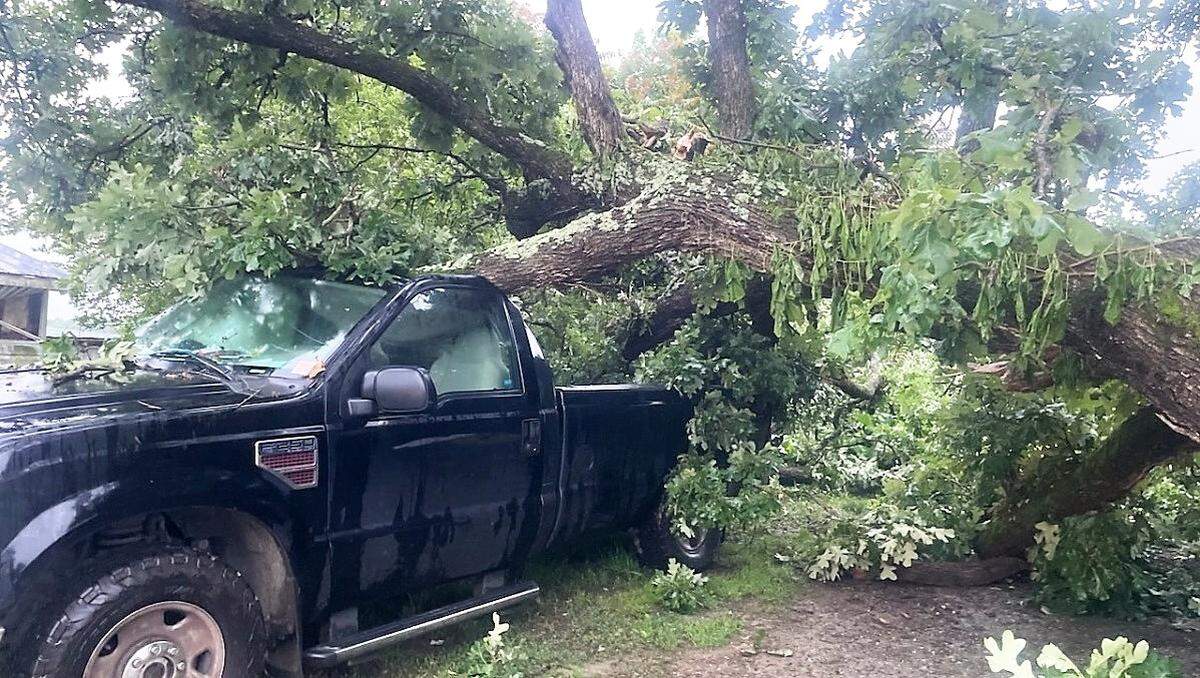
Volunteers are still needed for weekend projects, farm chores and labeling bottles, and Lewis is still in the market for a three-quarter ton 4WD gas or diesel pickup truck at a good price. His 2008 Ford F250 was crushed by a tree on May 14.
He’s also beginning to reconcile with decisions about the farm’s future, he said, especially since he and his wife, Teresa, don’t have children to inherit their legacy.
Ran-Lew Dairy is Alamance County’s last Grade A dairy farm with about 50 cows and 90 of 110 acres under a conservation easement that limits how the land can be used, Lewis said. He’s talking with lawyers about how to preserve it in a way that helps new farmers get started without having to go into debt to buy the land, he said.
It’s been a good life for him, and he’s thankful that he can keep doing it a little while longer, Lewis said, as he reflected on how the farm has changed, from the party line that first connected them to the world — “you had to pick the phone up to see if (a neighbor) was on the phone before you dialed,” he said — to his late-night exploits as a young man, and the characters he has has known.
When you reach a certain age, people want advice, Lewis said.
“It is funny, and it’s very true that it’s worth getting out of bed every day to see what’s going to happen, because you might think you know what’s going to happen, but you don’t really know,” he said.
“It may be the best day you’ve ever had in your life. It might be the worst day. But it’s still worth getting out of bed to know.”
This story was originally published June 21, 2023 at 8:19 AM.