Newly approved medication for postpartum depression has ties to Triangle researchers
On Friday, the Food and Drug Administration approved the first oral medication for postpartum depression.
The approval of this medication is, in part, thanks to research from the Triangle.
Here’s what to know:
What is Zurzuvae?
Zurzuvae is the first pill targeted at depression that occurs shortly after childbirth.
Unlike other antidepressants, which typically take weeks to start working, this pill can start to reduce symptoms in as few as three days. Patients take the pill once a day for two weeks.
“Having access to an oral medication will be a beneficial option for many of these women coping with extreme, and sometimes life-threatening, feelings,” Dr. Tiffany Farchione, the FDA’s director of psychiatric drugs, said in a press release.
Postpartum depression is a leading cause of maternal mortality and can prevent infants from properly bonding with their mothers. A CDC study found that one in eight U.S. women who recently gave birth had symptoms of PPD.
Risk factors for PPD include:
- Family history of depression
- Low social support
- Pregnancy and birth complications
Who is Dr. Samantha Meltzer-Brody?
Before a medication is approved for use, it must undergo rigorous clinical trials to make sure it is safe and effective.
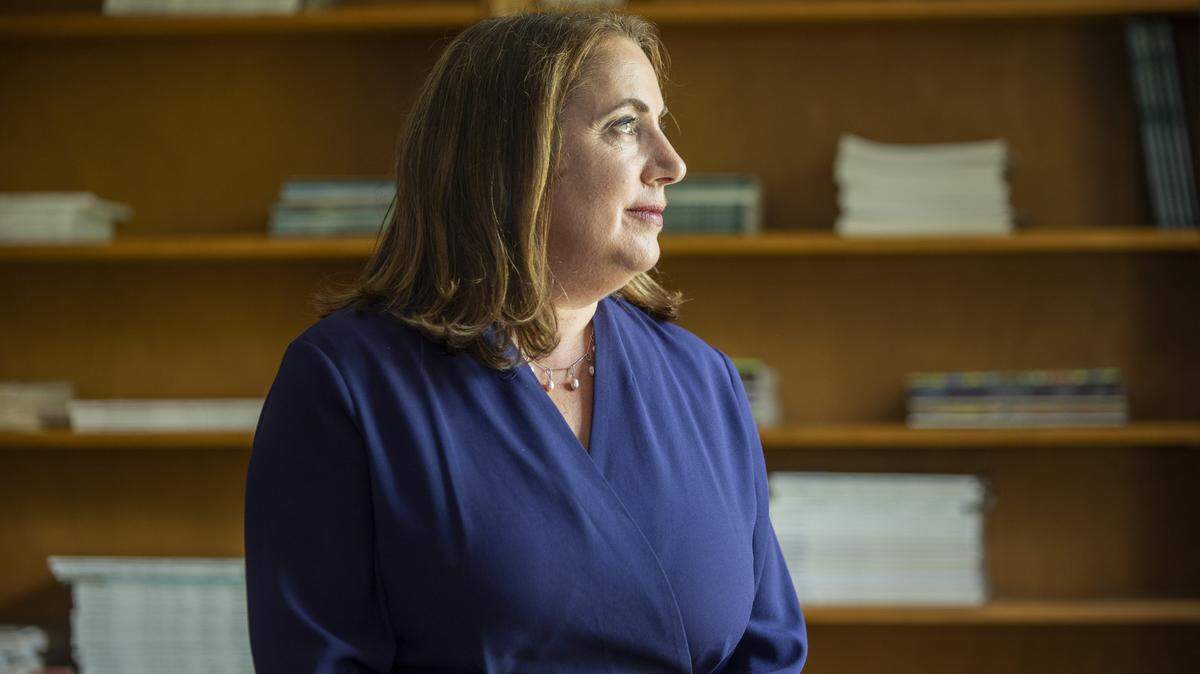
Dr. Samantha Meltzer-Brody, director of the Center for Women’s Mood Disorders at UNC Chapel Hill, was one of the lead investigators for these studies. The experiments she led showed that the medication significantly reduced depressive symptoms.
Meltzer-Brody has also helped develop other PPD treatments.
Until now, the only widely available treatment for postpartum depression was an IV injection that had to be administered by a doctor or nurse. Meltzer-Brody helped lead clinical trials for this treatment, which later paved the way for its FDA approval.
She also developed a phone app called PPD Act, which helps postpartum women participate in studies that aim to create a better understanding of the disorder’s underlying genetic contributors.
The News & Observer honored her as a “Tar Heel of the Month” in 2019 for her contributions to the field of women’s mental health.
Teddy Rosenbluth covers science and health care for The News & Observer in a position funded by Duke Health and the Burroughs Wellcome Fund. The N&O maintains full editorial control of the work.
This story was originally published August 5, 2023 at 1:22 PM.