
‘Mr Fab’ buried his horses and mules in a cemetery that still endures, hidden in RTP
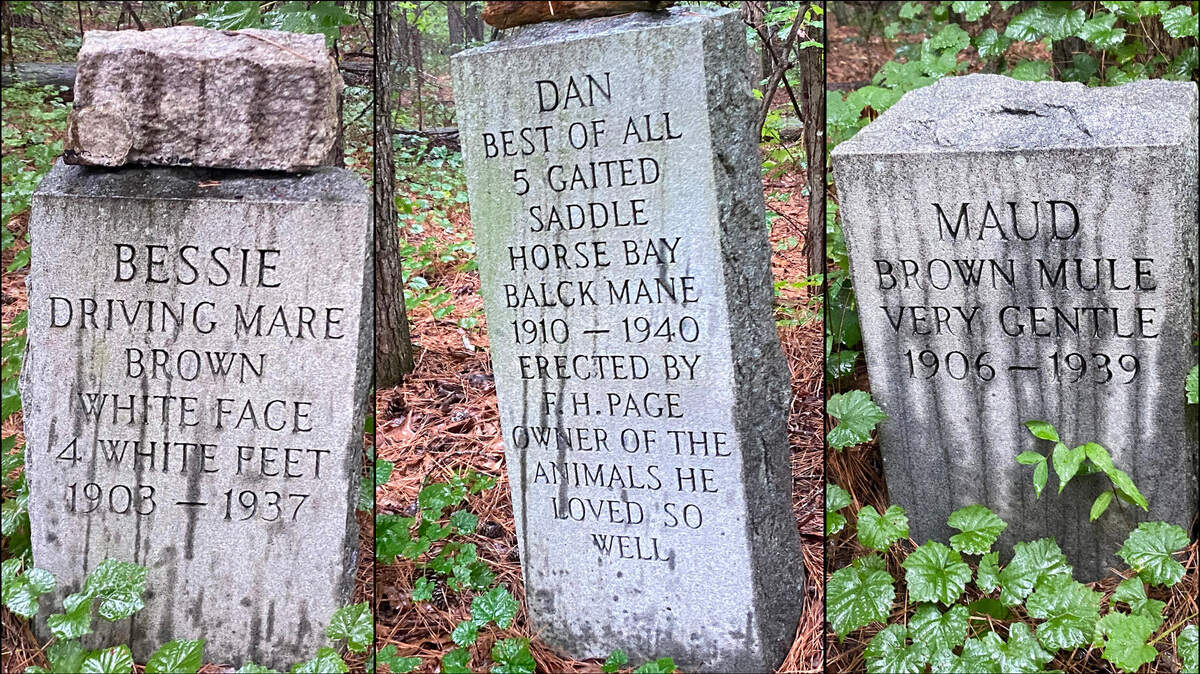
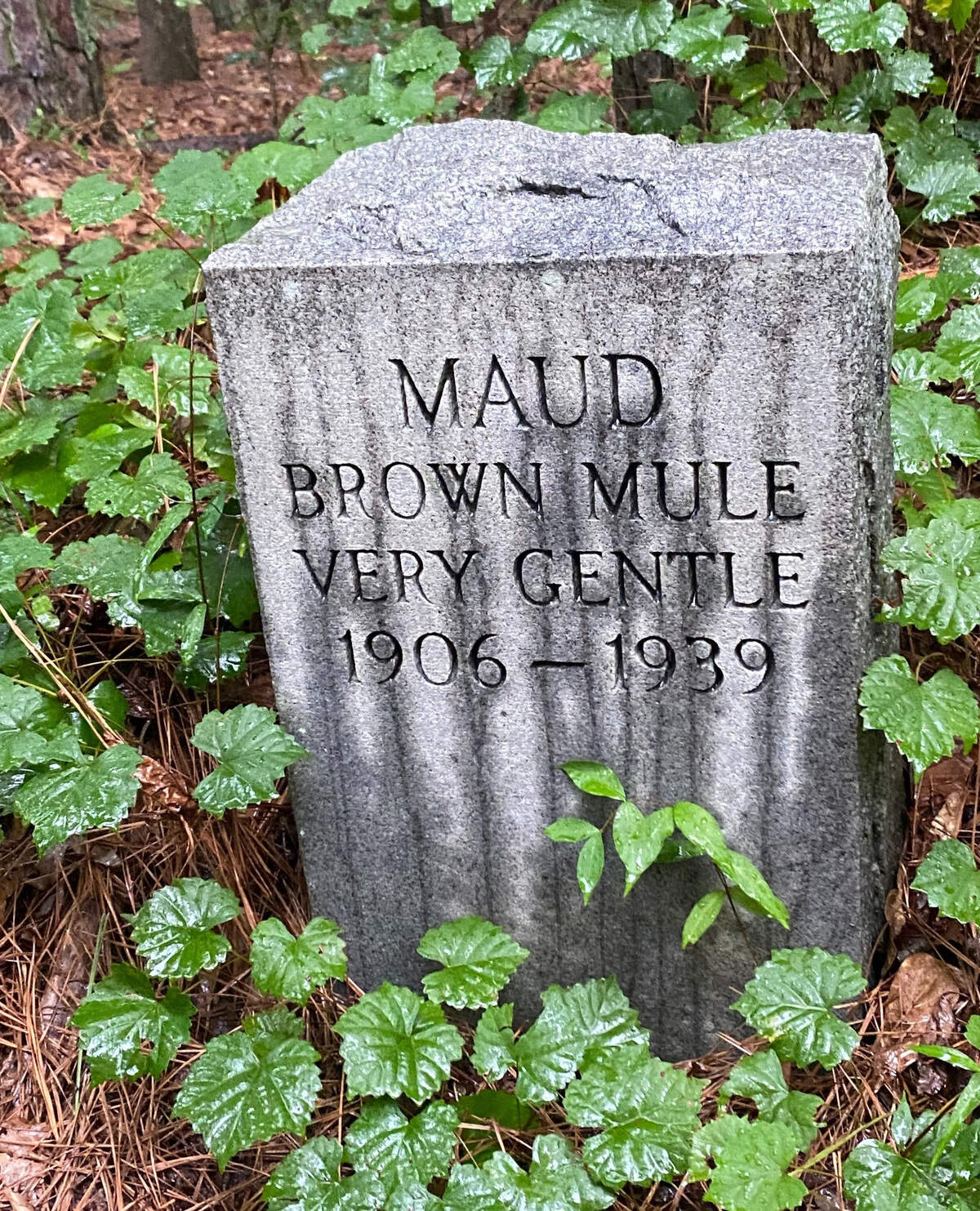
Inside a thick patch of woods, a hidden cemetery stands stubbornly under the pines, offering eternal tribute to a stable of four-legged companions: Maud, who was very gentle; Lulu, who was very swift; and Dan, best of all.
These departed trotted across Durham County a century ago, some of them saddle horses, some of them driving mares, some of them brown mules — all of them previous to Fabius H. Page, who loved them more than most people.
One by one, Page buried them all under thick granite stones, each with its own inscription, where they remain today in a forgotten patch where cars whiz past on Interstate 540.
“Bessie,” reads one of them. “Driving mare. Brown. White face. Four white feet. 1903-1937.”
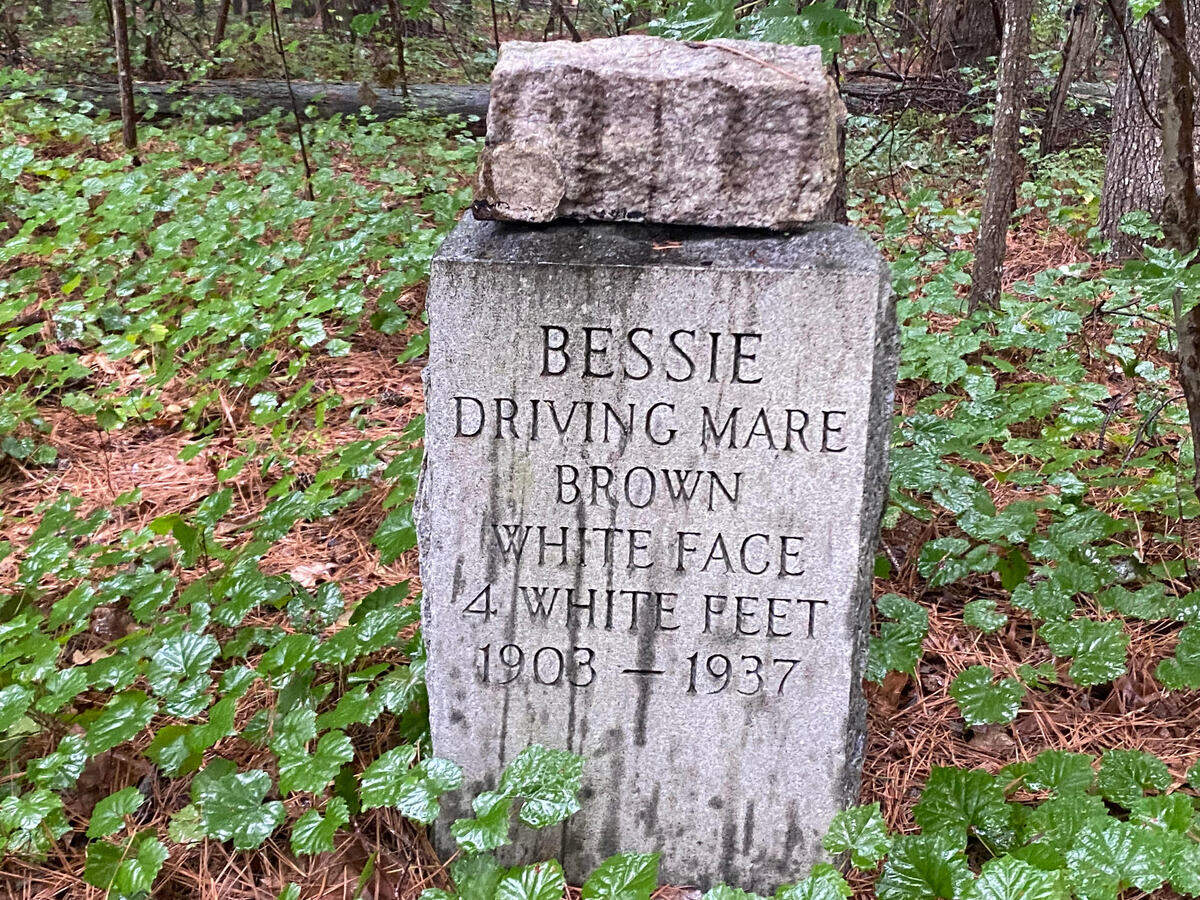
Page’s horse and mule cemetery offers quiet tribute to a small herd of farm animals granted a greater memorial than most people receive. And it endures decades after the farmland they worked gave way to the mundane apartment buildings of Research Triangle Park.
A map and bushwhacking
It takes a map and some bushwhacking to locate “Mr. Fab’s” equine graveyard in the pines off Langdon Drive, as intractable as the long-eared beasts it honors. But finding them, and learning their story, feels as rewarding as tying on a feedbag full of oats.
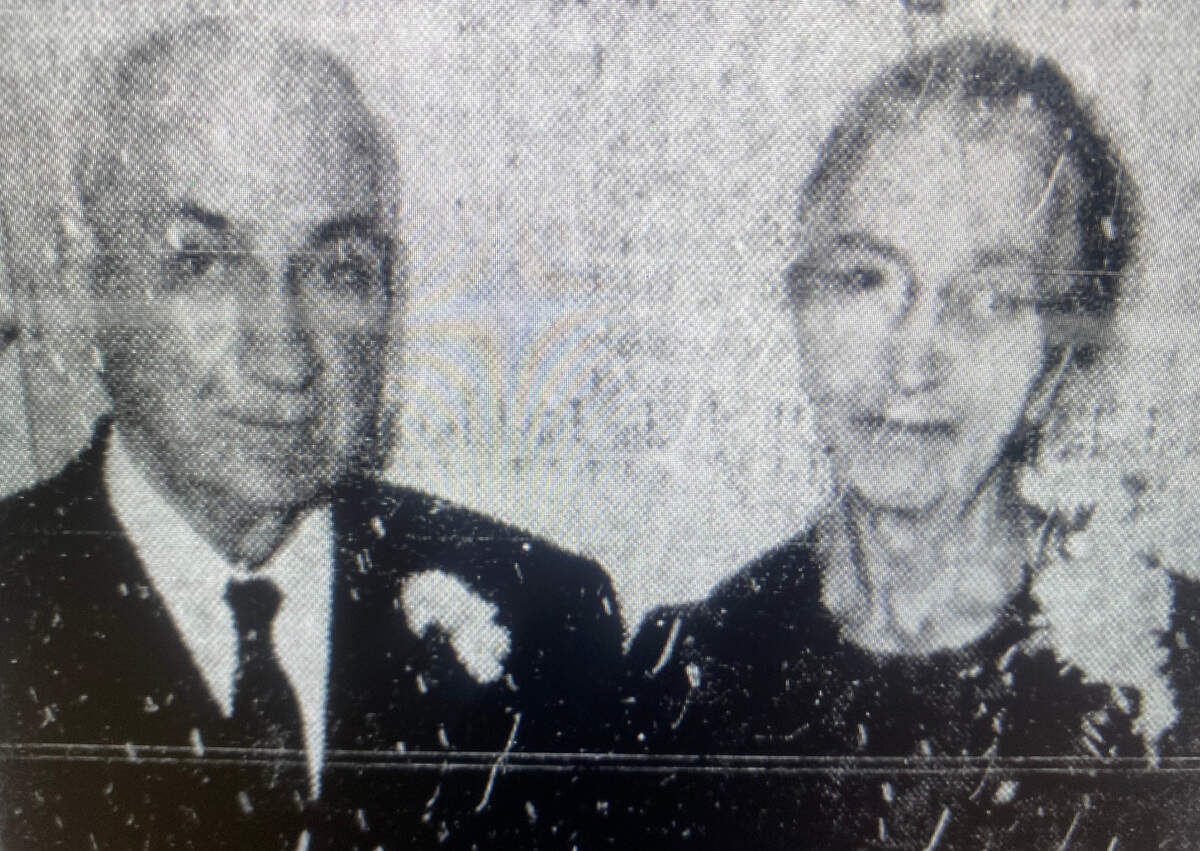
“Surely there has been a place prepared for him among his friends in animal heaven,” wrote The Durham Herald-Sun in 1978, the year Page died at 89. “They had a kindred heartbeat.”
I stumbled on this curious burial ground this month, parking at a dead end on the Wake-Durham line and following the highway sound through the woods. Being a fan of graveyards in general, I set out to learn what I could of Fab Page, so devoted to his four-legged friends that he built them a resting place. In the 1930s, when most of these animals trotted into their eternal meadows, digging a hole big enough for an Arabian must have taken all day.
‘I would bury them on my premises’
So I poked around a bit inside our newspaper archives, and more from the long-extinct Durham Sun, and discovered this love song to beasts of burden:
“I decided that I was not going to trade any of my horses and mules ever,” Page once told The Herald-Sun. “When they became old and died, I would bury them on my premises.”
In 1926, the N&O wrote of Fab Page as “one of the steadiest, quietest, hardest-working young men in the county, having had no trouble — even in school.”
A prosperous farmer, he was said to prefer the company of animals, inspired by reading “Black Beauty” as a 9-year-old boy. He traveled to Louisville for the Kentucky Derby 26 years in a row — and he never bet a nickel.
He came from five generations of farmers, operating a dairy, where he sold milk for 8 cents a gallon, and barns full of cured tobacco, which he sold for 3 cents a pound.
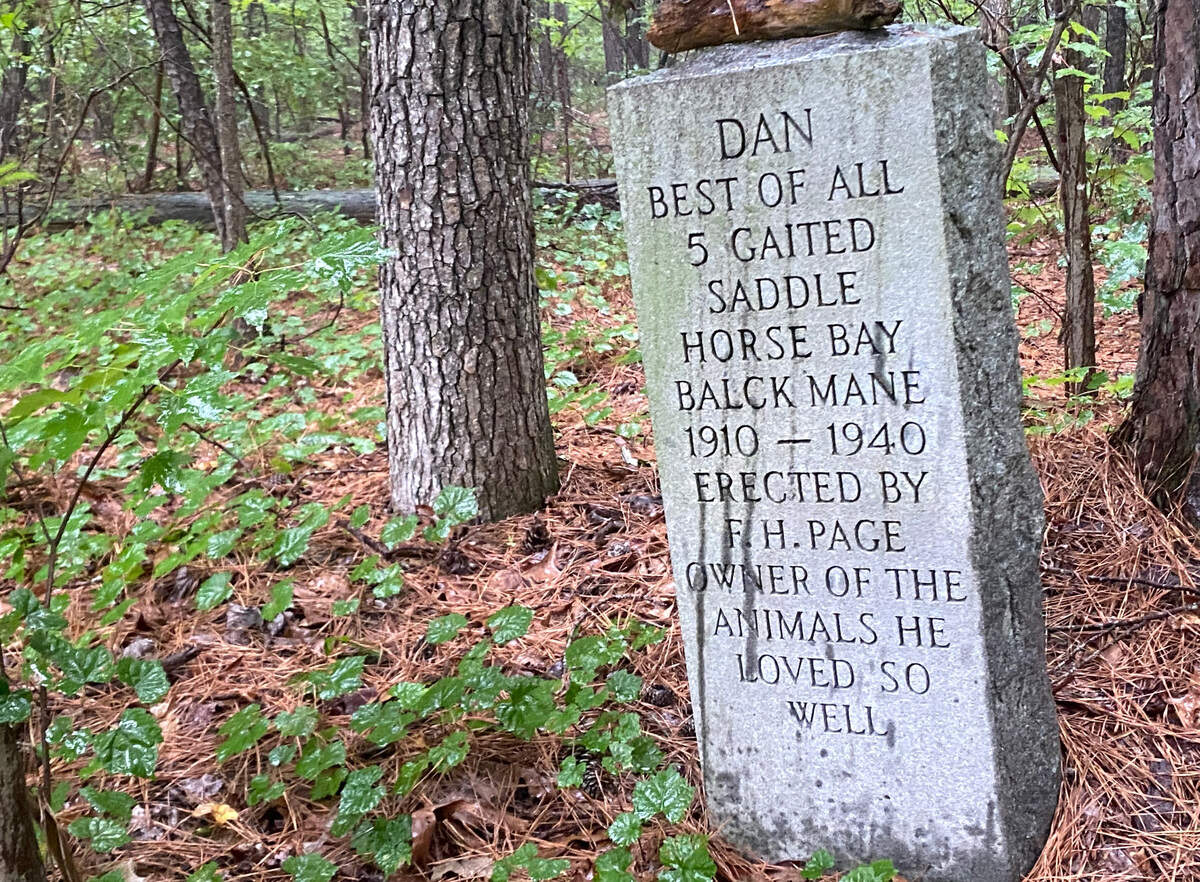
During the Depression, he decided that horses were more economical than cars, so he parked his Studebaker in the garage and kept it there until 1965, traveling by saddle or carriage. Atop Dan, his favorite horse from 1910 to 1940, he courted his young wife, Annie Lee.
But then I found a darker, stranger chapter.
Attacked with a large root
When he was 37, Page went on trial for murdering his father, Leroy, having clubbed him to death with a large root.
The trouble started when the elder Page became infatuated with a much-younger and very married woman from Durham, to whom he gave both a car and his checkbook. Local lawmen and church parishioners tried to intervene and stop what was, by 1926 standards, a scandalous courtship.
This tinderbox caught fire one day when the younger Page found his prize watermelon missing and saw that his father’s paramour had left tracks near the field. He and his father quarreled and retreated to their respective farms, then took up the quarrel the next day, when the father suddenly brandished a 6-foot root.
Father and son struggled, and fearing for his life after a series of root blows, young Page snatched the big stick and swatted his father in what he described as self-defense. Few shed tears for Leroy Page, described in news accounts as being a tyrant with a volatile temper. His son was quickly acquitted.
“Friends and neighbors of the family say that there was a sense of relief in the community and undoubtedly in the homes of the Page family when it was learned that the elder Page was dead,” The N&O reported.
Page went on to father a large family, enjoy his stable and faithfully attend the N.C. State Fair. At the end of his long life in 1978, the editorial writers of the Herald-Sun gave him a whole column right next to Art Buchwald, calling Page “a friendly gentleman whose roots were deeply embedded in the rich soil.”
Page Road, which crosses Interstate 40 not far from his horses’ graves, still bears the family name.
Think of him admiring his tobacco fields, patting his milk cows, smiling at Annie Lee as she waved from the window — all atop Dan, the best of all.
This story was originally published August 21, 2023 at 6:00 AM.