
Raleigh house is a modernist gem from an NCSU master. And it’s going to be demolished.
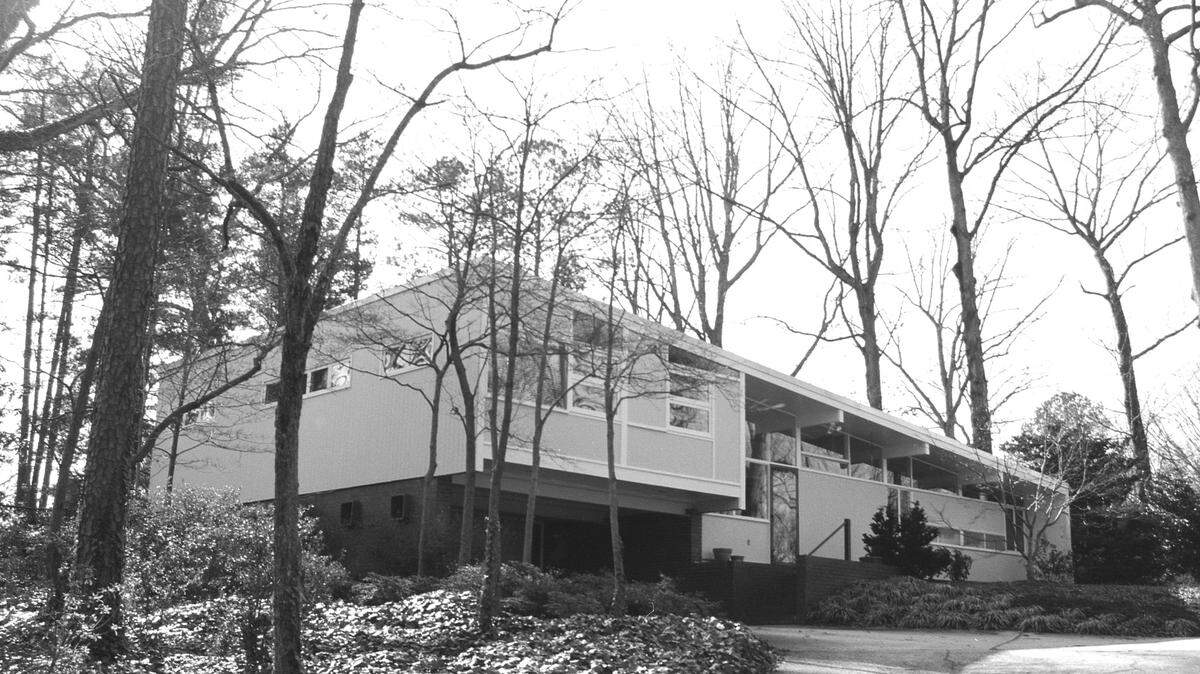
In a city of unremarkable boxes, the house at 606 Transylvania Ave. stands out as gloriously off-kilter, almost triangular with its roof slanted like a skateboard ramp — as playful as its monster-movie address.
It dates to 1954, when a string of rock-star architects from N.C. State University turned Raleigh into their modernist playground, creating houses that were both simple and wildly expressive, marked by open spaces and tall windows.
This one sprang from the mind of George Matsumoto, the Wolfpack modernist who won a string of awards for his work and scored a five-page spread in Architectural Record. The N&O gave him a full-page profile a few years later, calling him “a dreamer — and yet a realist.”
So get a look quick.
The house is getting knocked down soon — another Raleigh landmark deemed old and in the way.
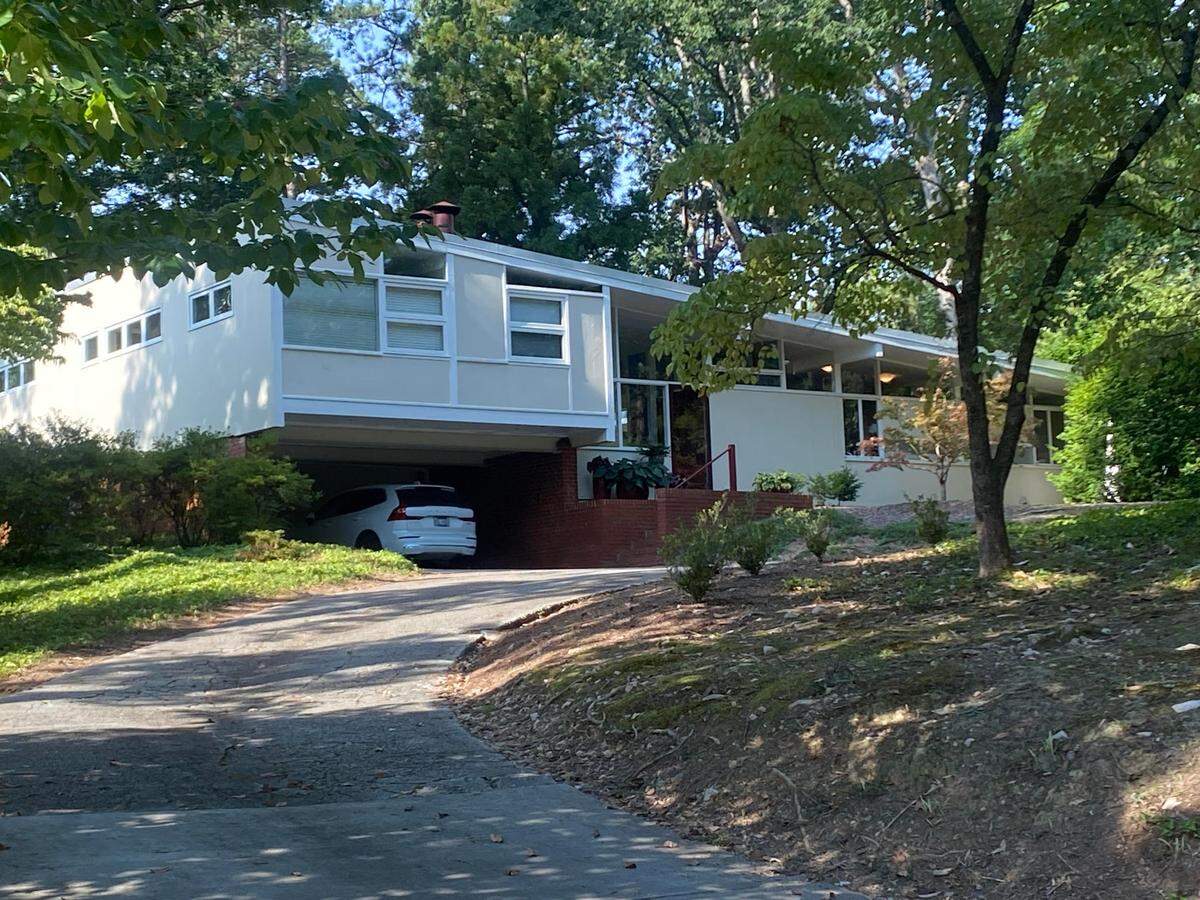
A Raleigh couple paid $1.8 million for Matsumoto’s creation in March, and a few weeks ago, received their official demolition permit from City Hall.
This drew predictable howling from the city’s preservation-minded citizens, including more than 100 scorching Facebook posts likening this decision to desecration of a relic. Their vitriol poured out like battery acid because, on top of the modernist house, the plot of land in Raleigh’s Country Club Hills also contains the remains of the Bloomsbury Park pavilion — a short-lived amusement park built in 1912, once boasting a roller coaster.
“Tearing this house down is sickening,” wrote David Hill, a Cary design consultant. “Unfortunately, there are too many people who see no value in preserving designs of historic significance. All they want is an oversized McMansion.”
‘Once all the old houses have gone ...’
In the same vein, Julia K. Henderson asked, “Why do people who want to live in a new building always insist on buying and destroying an old one to achieve their vision? Once all the old houses have gone, the charm of the area will have left with them.”
On Thursday, I called Mark B. Thompson Jr., the new owner of 606 Transylvania, to see if he’d talk about what drove this decision, and whether the distress over Raleigh’s vanishing history holds any weight. For sure, there’s more to this picture than a casual architecture fan can see from the street: the cost of renovation, the challenges of old-house living ...
Sadly, we’ll never know, because Thompson pretty much hung up on me.
“I don’t really have any comment on that,” he said. “Have a nice day.”
Raleigh Historic Property rules
Many people ask if 606 Transylvania had any historic status that might have fended off development, and the funny thing is, it did for a while until its owner asked the city to revoke it.
In 2014, then-owner Joanna Johnson explained that she never understood the full consequences of being a Raleigh Historic Property when she applied. To wit, nobody told her about the restrictions on future buyers’ ability to knock down her house. Had she known, she said, she would never have signed.
“I am a single woman, 72 years old, who lives alone,” she wrote at the time. “My home is my self-insurance program for long-term needs. While I love the house and, after 32 years, continue to love living here, I am fully aware that I may need to make other arrangements in the future.”
For preservationists, her thinking has helped prop up a myth that historic houses don’t sell.
“For a marquee house like this, it only enhances the probability that someone is going to come in who loves this house, wants to repair it and have it last another 50 years,” said George Smart, CEO of the nonprofit US Modernist. “The real tragedy here is that a modernist house, in excellent condition, by a recognized master of architecture, is going to be destroyed.”

‘The Yoda of the group’
More on that “recognized master” thing.
In 1948, NC State wanted to revamp its design school and brought in Henry Kamphoefner as dean, adding a luminary of the field who shone so brightly he got Frank Lloyd Wright to speak at the brand-new Reynolds Coliseum — filling it with 6,000 people.
Kamphoefner’s dream-team faculty included Matsumoto — “the Yoda of the group,” said Smart — and encouraged them to do side projects, especially residential houses around Raleigh. Soon, the city was filling up with slanted roofs and floor-to-ceiling windows.
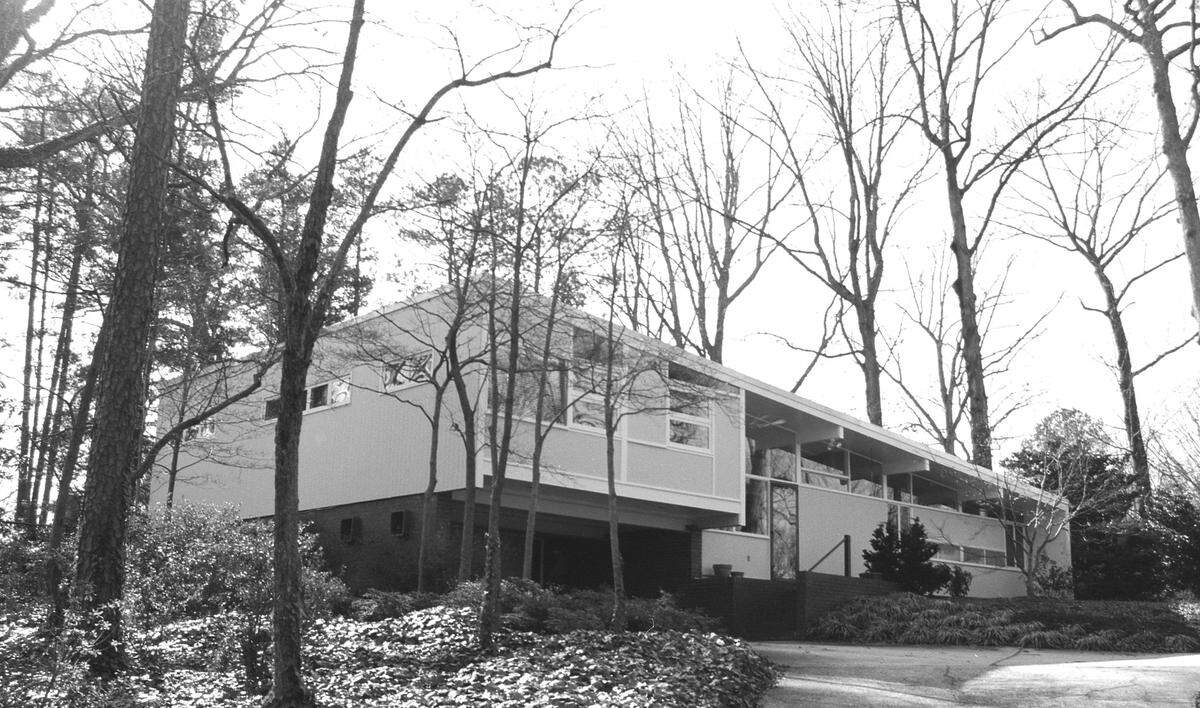
The pages of Architectural Record featured a Raleigh house almost every month, including 606 Transylvania, which merited a five-page spread in 1954. Many of those homes still remain, including Matsumoto’s own on Runnymede Road.
Ten years have passed since Raleigh lost its last major modernist house, but a tear-down mood dominates Raleigh in 2023.
Last person out the door, save the doorknob.
This story was originally published September 11, 2023 at 6:00 AM.