From employee of the year to jail time, the fall of a Raleigh police drug detective
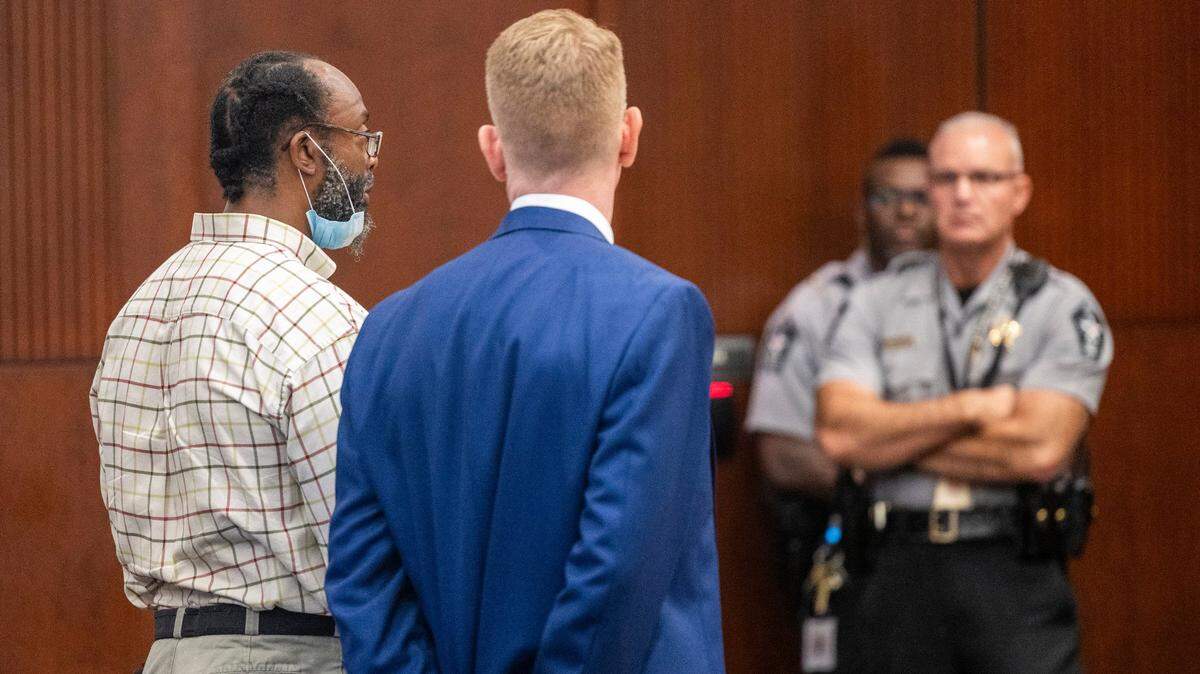
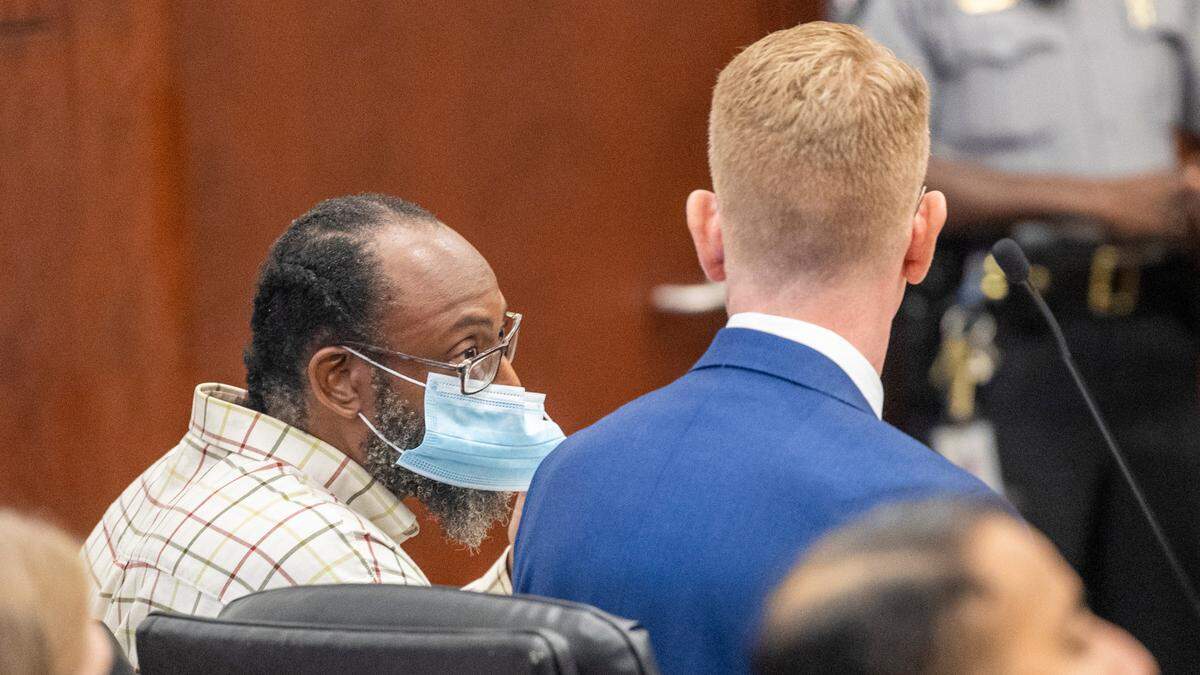
Disgraced Raleigh police detective Omar Abdullah came to the Wake County courthouse Wednesday prepared to accept some responsibility for his decision to wrongly charge a man with trafficking heroin.
But he wasn’t going to shoulder the blame alone.
“I worked as a team and I worked as I was trained,” he told Superior Court Judge Pat Nadolski.
Abdullah was sentenced to 38 days in a county jail and two years of probation after he pleaded guilty to a single obstruction of justice charge. That class H felony could have resulted in up to 19 months in prison time for him.
Abdullah and defense attorney Ryan Willis argued that Abdullah shouldn’t serve time behind bars, explaining the fired detective’s concerns for the first time publicly.
A scheming confidential informant took advantage of Abdullah’s hard charging nature and desire to be a good detective, the men argued. And other Raleigh detectives and supervisors in the drug and vice unit were partly responsible for the trouble that ensued, they said.
“I have always tried my best to work hard and to follow the rules to the best of my ability,” Abdullah said.
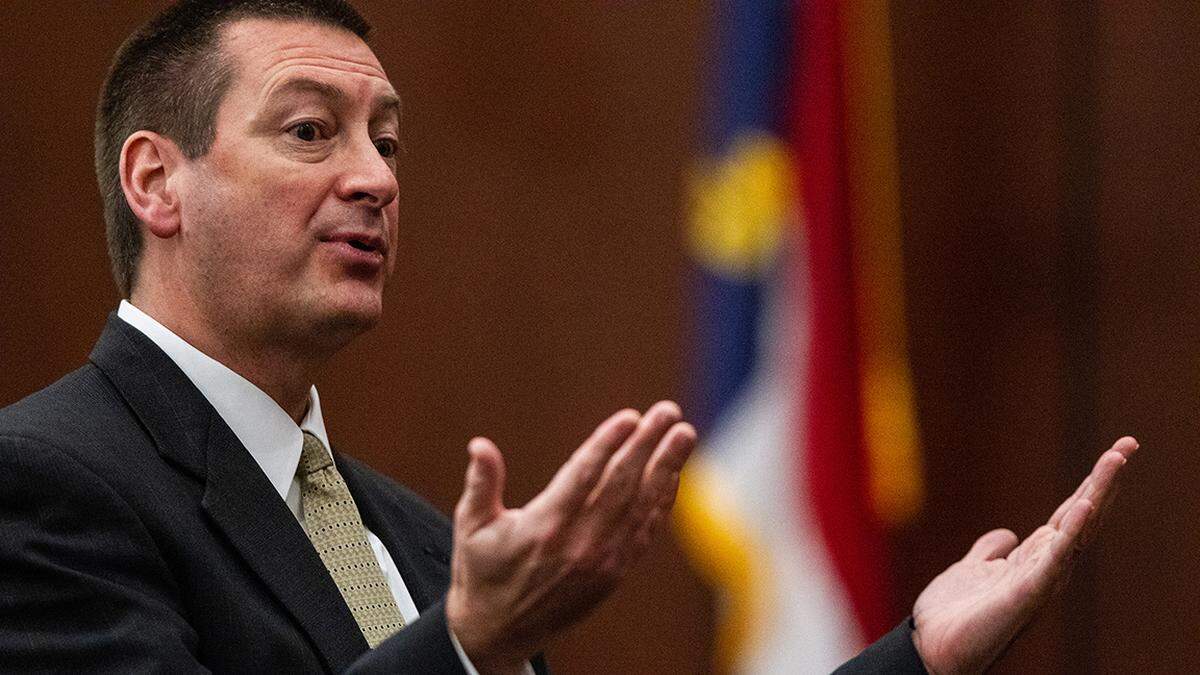
But Assistant District Attorney David Saacks disagreed.
A confidential informant called Aspirin
Saacks detailed a long series of events that led to the Wednesday plea.
From October 2019 to May 2020, Abdullah worked with confidential informant Dennis Williams. Williams was recruited to be a confidential informant after he was caught selling drugs to another confidential informant, Saacks said.
Williams was given the code name Aspirin by Abdullah and his colleagues after investigators learned that the drug he sold the informant turned out to be aspirin.
Williams, who was typically associated with lower-level drug deals, learned that he could earn more money from police as a confidential informant for drug deals that involved heroin, Saacks said.
Under the supervision of Abdullah, Williams sought heroin trafficking arrests, Saacks said.
But as Abdullah arrested individuals after Williams staged drug buys, test results for evidence submitted for the arrests were coming back negative for heroin, Saacks said.
The developing pattern of negative drug tests should have made Abdullah suspicious about Williams, Saacks said, but it didn’t.
The situation came to a head in May 2020, the prosecutor said.
Williams contended he purchased heroin from Marcus Vanirvin on May 21, 2020, which resulted in Vanirvin’s house being raided and searched by police before he was charged with trafficking heroin.
During the buy, Abdullah once again ignored red flags, including Williams covering the camera during the purchase and Williams only paying $60 dollars for heroin that was worth much more, Saacks said.
Back at the office, an officer commented that the alleged heroin looked more like brown sugar. Another officer field tested the substance, and crossed out a trafficking heroin charge when the test came back negative, Saacks said.
Abdullah, who was the lead detective, instructed another officer to charge Vanirvin with trafficking heroin anyway, Saacks said.
At this point, there had been about 15 different drug sales involving Williams and Abdullah, and the drugs submitted as evidence came back negative three times, Saacks said.
It appears that Williams, who faces five pending charges of obstruction of justice, would tell police he was purchasing heroin, but was actually using their money to buy marijuana, Saacks said. He would then provide police with the counterfeit heroin substance, he said.
Conflict within the RPD drug unit
While other officers were critical of Williams, none shared their concern with Abdullah, Willis said.
The unit was supposed to work together, but there was conflict, Willis said. For instance, Abdullah, who is Black, filed a complaint against one colleague after the person made a derogatory comment about Black people, Abdullah said in a deposition for a civil lawsuit.
Nadolski ordered Abdullah to spend 38 days in jail in Chatham County, where Abdullah lives, and to serve two years of probation. The judge was critical of Abdullah’s decision making.
“That was a miscarriage of justice for that man,” Nadolski said. “As you know with great power comes great responsibility.”
Allegations about Abdullah surfaced in early 2020 after a defense attorney representing men arrested by the detective brought questions about false drug evidence to Wake County District Attorney Lorrin Freeman, according to interviews.
By September 2020, Raleigh police and Freeman were investigating cases of false evidence in more than a dozen drug cases. Abdullah was placed on administrative leave during the investigation and was fired about a year later.
But details of the scandal didn’t surface until April 2021, when people Abdullah had arrested filed a 24-page federal lawsuit accusing the detective of conspiring with a confidential informant to send more than a dozen Black men to jail and prison in a fake heroin scheme.
The lawsuit included individuals who faced charges of possessing and trafficking heroin, and in one case a marijuana charge, but substances provided by a police informant turned out fake again and again.
About a dozen men spent a collective two-and-a-half years behind bars before their charges were dismissed, the lawsuit states. They lost jobs and missed cancer treatments and time with their children.
The city of Raleigh didn’t admit fault, but settled the case for $2 million within five months.
The lawsuits also allege there were many signs of problems with Williams’ actions, but Abdullah’s colleagues and bosses didn’t take any action, which echoes Abdullah’s concerns.
A second federal lawsuit was filed in February 2022. That lawsuit contends Abdullah and others conspired to fabricate heroin trafficking offenses that led to an illegal raid, excessive force and the false imprisonment of 10 Black women and children.
City officials settled that lawsuit in June, agreeing to pay three families a total of $350,000.
A third lawsuit filed in June 2022 against the city, Abdullah and two other officers, alleged that Abdullah and another official planted 36 grams of crack cocaine on David Weaver in 2018 after he refused an offer to be a confidential informant.
The case was voluntarily dismissed in May.
Did Abdullah deserve time in jail?
Since police took action against Abdullah, he has almost lost everything, the former detective and his lawyer said in court Wednesday.
The 12-year Raleigh police force veteran had been named employee of the year in 2013 and went on to be promoted to a detective investigating drug deals. But by 2020 he was suspended and then fired a year later.
Now he struggles to support his family by working as an unarmed security officer, as well as a delivery driver for Walmart and DoorDash, his attorney said. Abdullah’s mother died in May and his father has Stage 4 cancer.
Considering all that Abdullah has experienced, he shouldn’t have to spend time in jail and miss out on his father’s final days, Willis said.
But Saacks argued that Abdullah should spend from three to four months in prison since he betrayed the trust of Raleigh constituents. At a minimum, Abdullah should spend 19 days in jail, to match the time that Vanirvin wrongly spent in jail.
“This case has kind of an egregious fact to it because he was a sworn law enforcement officer,” Saacks said.
Virginia Bridges covers criminal justice in the Triangle and across North Carolina for The News & Observer. Her work is produced with financial support from the nonprofit The Just Trust. The N&O maintains full editorial control of its journalism.
This story was originally published October 4, 2023 at 4:38 PM.