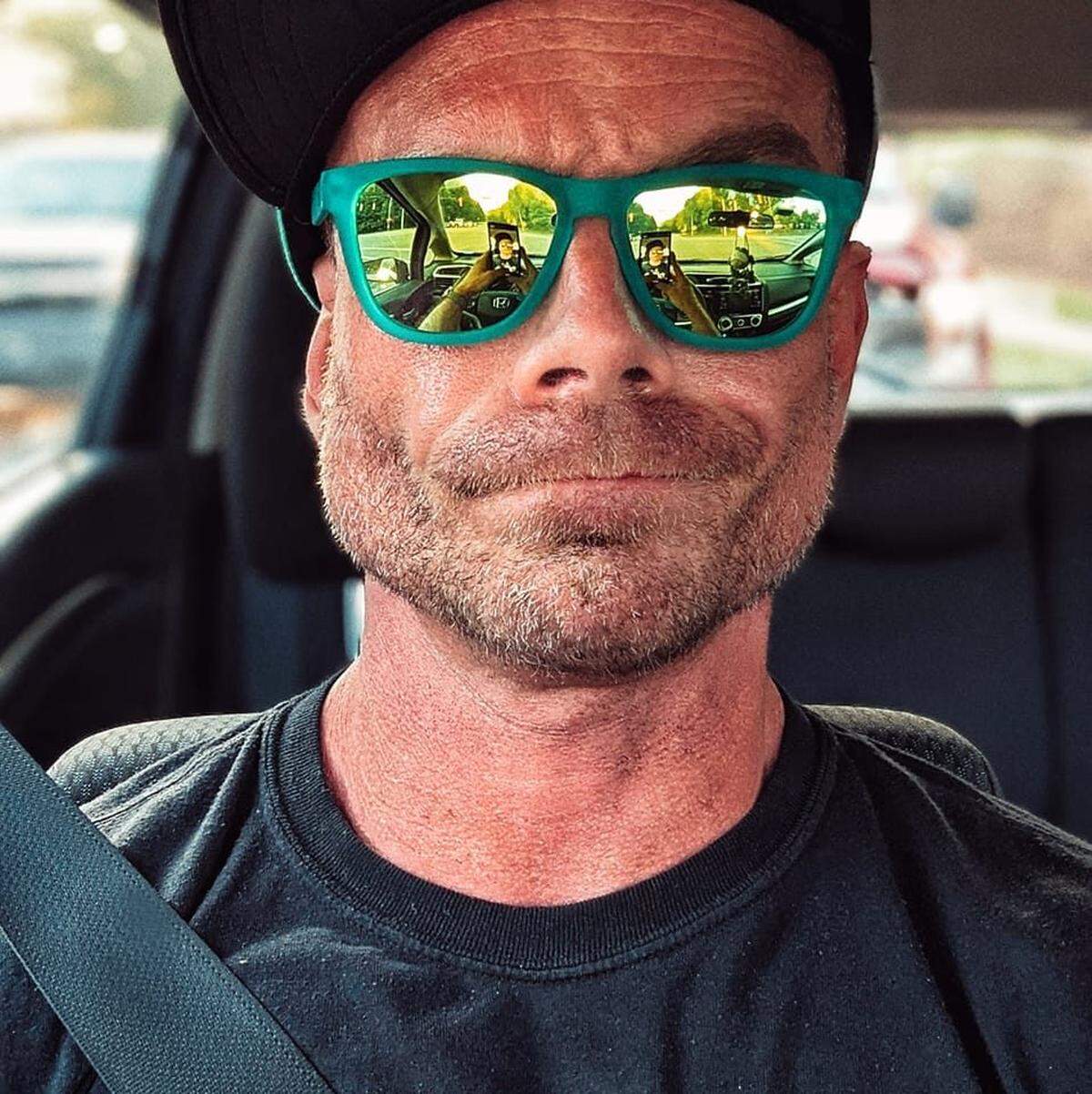
He was homeless when he took this picture. Now it’s hanging in a Raleigh museum.
When he thinks back, Stuart Dance remembers nights when he didn’t have a pillow to sleep on the concrete or under a bush — only a garbage bag full of his dirty clothes, with his camera stowed safely inside.
Even when things turned worst — when his drinking lost him jobs and friends, landed him in the hospital, sent him to recovery for a year, got him involuntarily committed, left him homeless and nearly killed him three times — he always kept his camera collection in a storage unit, where his brother helped pay the bill.
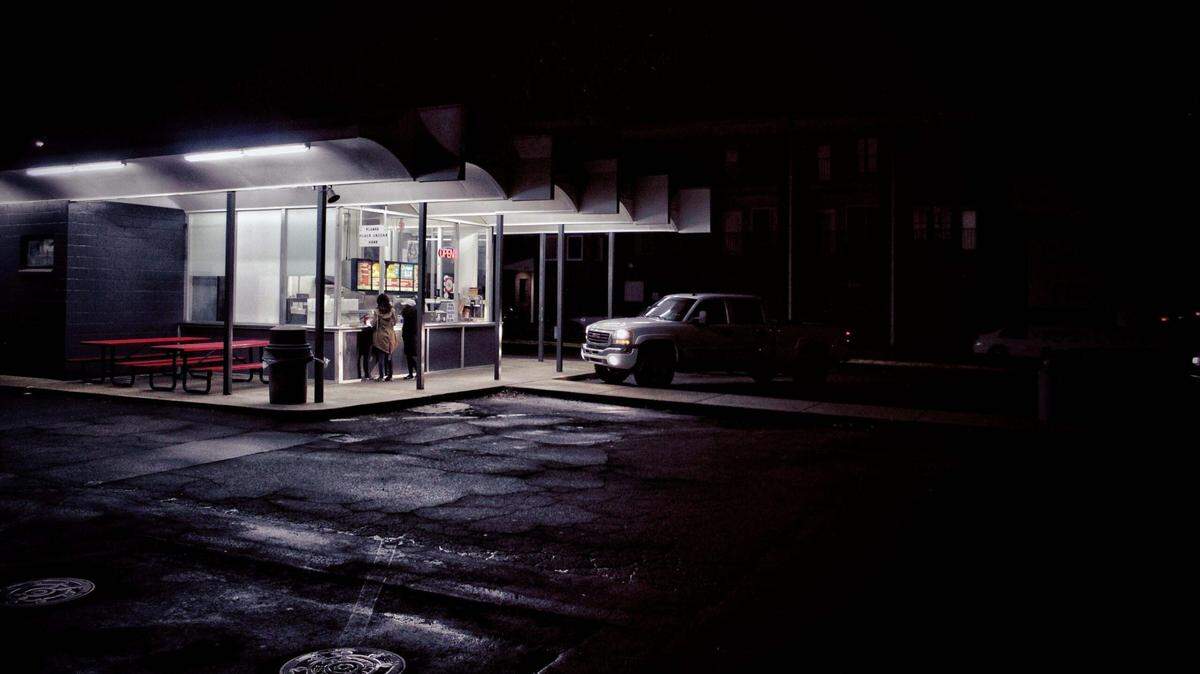
Dance would walk through Raleigh at night, noticing the angle of buildings on a dark Dorothea Dix Park, seeing the warm light spilling out of Char-Grill at closing time. And when those images caught his eye, he clicked a shutter on his antique Kodak and added them to a gallery no one would see.
Then one day he shot a loading dock at Charlie Goodnights, the celebrated Raleigh comedy club inside a century-old, soon-to-be-demolished building. He liked the reddish light shining off the old wooden beams, and he hated to see a place carrying so much history, full of so much laughter, swept away.
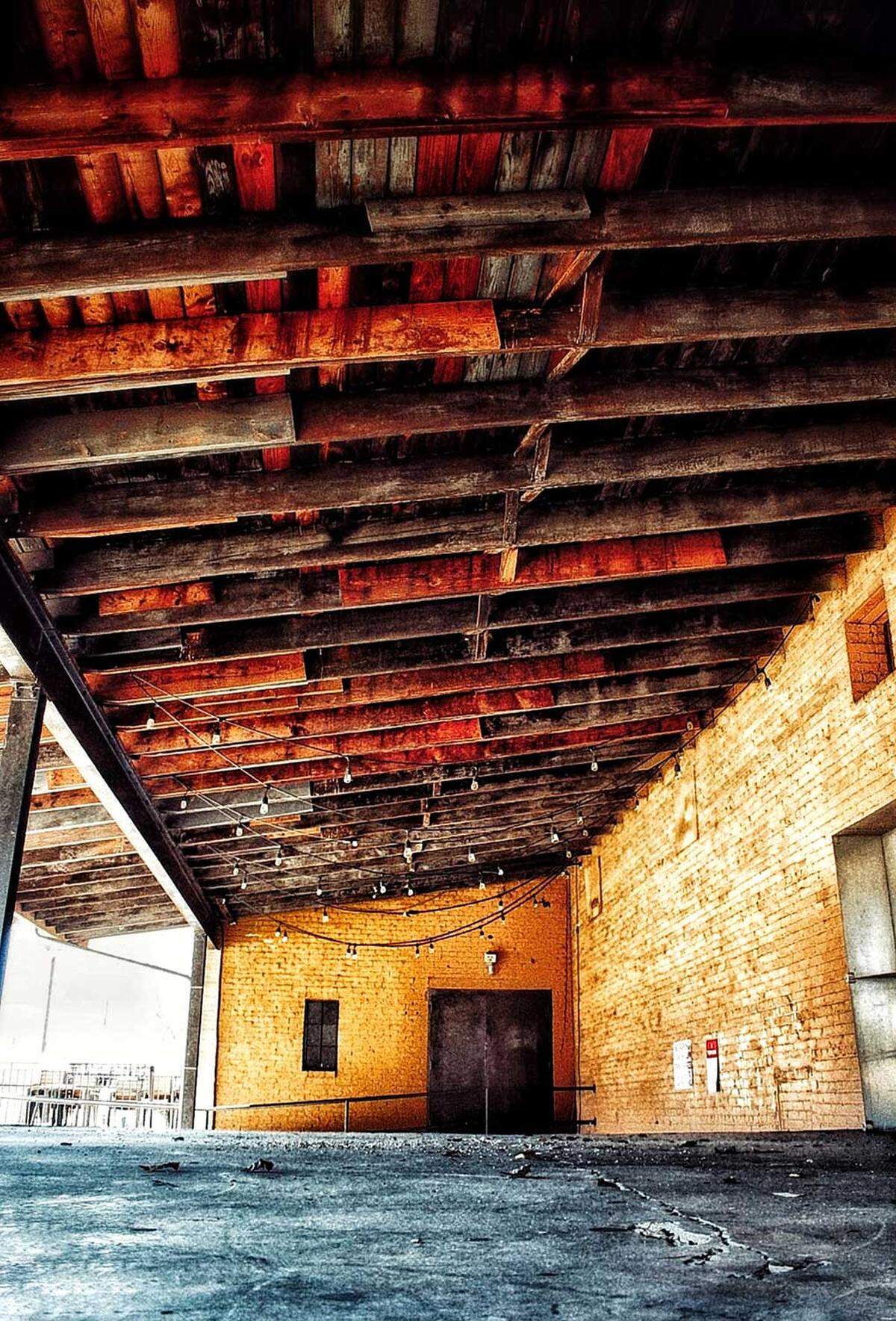
So he shot the picture, using a camera even older than the building.
“I like imperfection,” he said. “It reminds me of myself.”
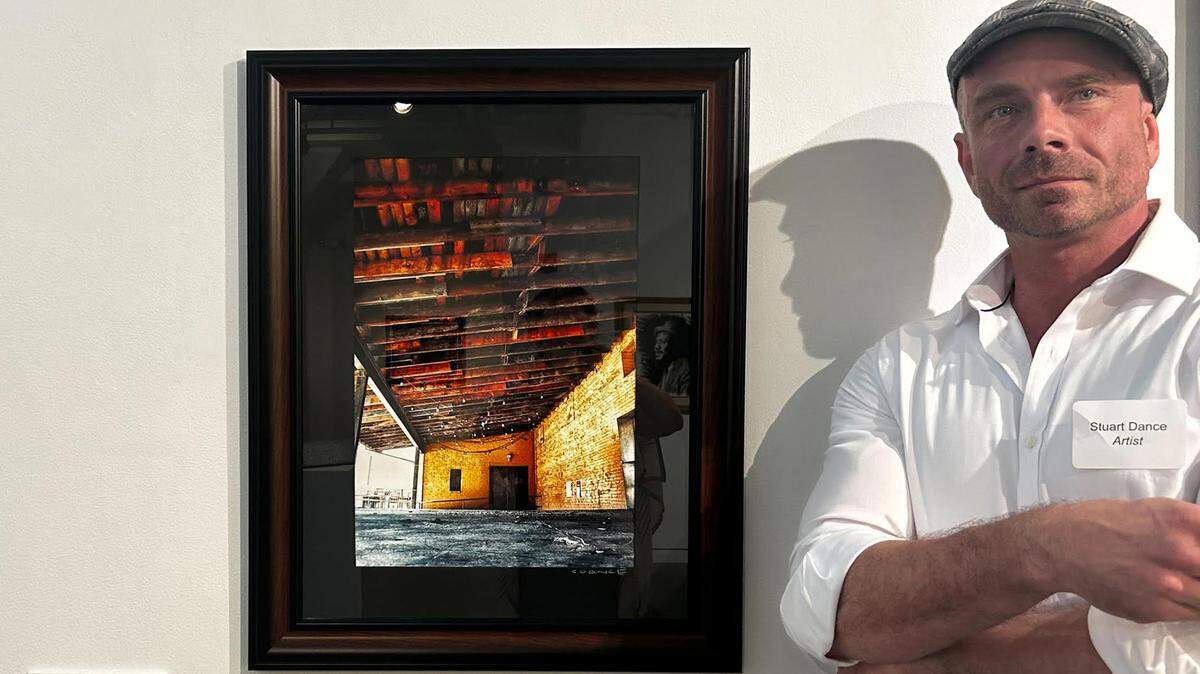
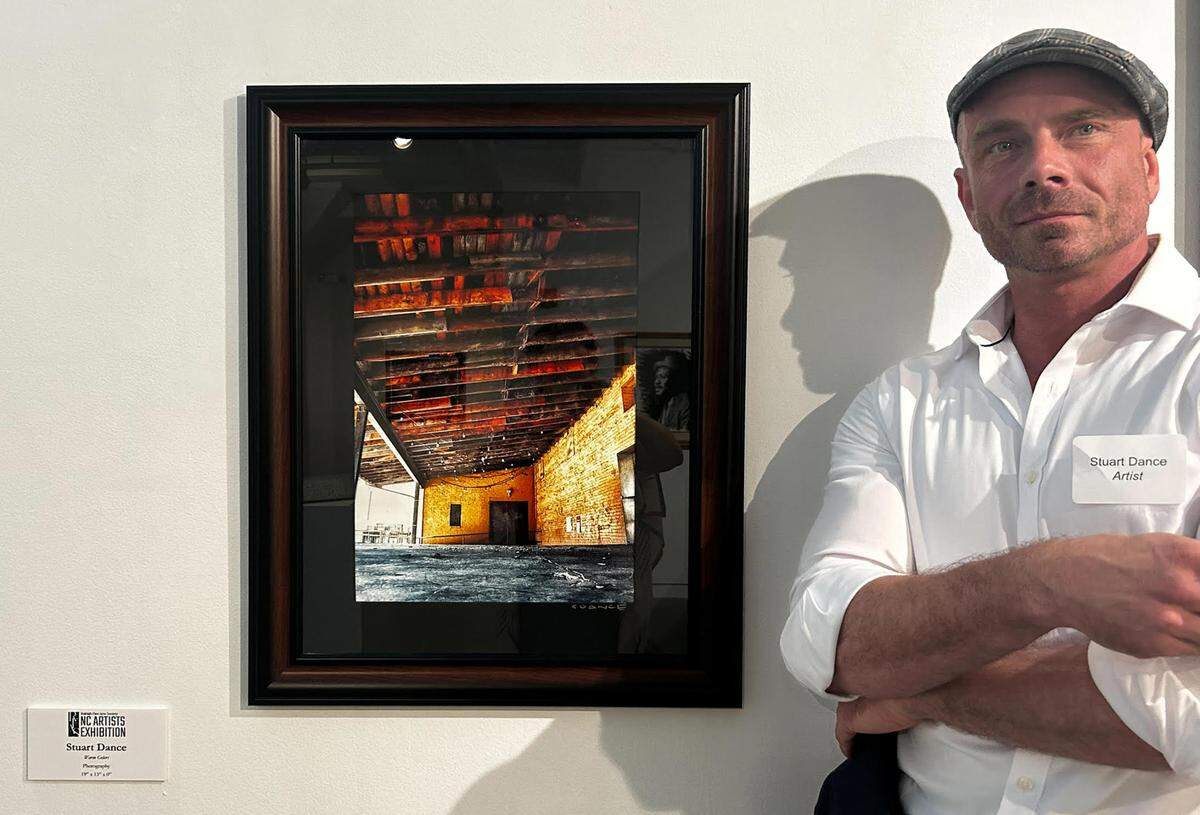
At this moment, that photograph hangs on the wall at Raleigh’s Contemporary Art Gallery, part of the NC Artists Exhibition, where an admirer has already bought it.
Dance stood smiling next to it for a First Friday event last week — one year sober.
“Photography kept me out of harm’s way,” he said. “Kept me out of the back of a cop car.”
At 44, Dance found his artist’s eye early, being son to Robert B. Dance, one of the country’s best-known nautical artists, whose Cape Hatteras Lighthouse got featured on a postage stamp.
One of three artistically inclined sons, Dance graduated from UNC School of the Arts with a degree in design and production, a path that led to jobs on Broadway and for the NC Symphony.
He notes, decades later, that he didn’t drink until age 24.
But New York changed that. He can remember sitting in a Manhattan bar with a beer, feeling the euphoria and saying, “Aaah, there you are.” Later on, when he would stay drunk for 30 to 60 days at a time, any chance at feeling that euphoria again would make him forget the pain it had caused.
“I drink to oblivion,” he told me, tearful at the confession. “I have slept in Central Park before.”
He came home to Raleigh to manage this addiction, but he relapsed repeatedly. He would sleep in a bush behind a building in Cary. He would donate plasma for money. Once, he got discovered in the middle of Avent Ferry Road, where people thought he’d been hit by a car.
Somehow, he stayed out of jail.
When he took his Charlie Goodnights photo, he was staying at Healing Transitions, a Raleigh shelter that offers long-term recovery for the homeless and uninsured. To hear Dance describe it, something just inexplicably changed inside.
“That part of me died,” he said. “I’ve never learned anything from anything easy happening to myself. And I wouldn’t change a thing. I wouldn’t be me otherwise.”
Dance said he and his father both submitted work for the CAM show, but only his was chosen out of thousands of artists. But he stresses it wasn’t important to get approval. He took those pictures for himself, because he couldn’t help it.
Still, the recognition doesn’t exactly sting.
Dance has an apartment now and works out at the YMCA. He’s doing audio-visual work again, and he keeps his work on view at stuartdance.com. He’s joined a running club.
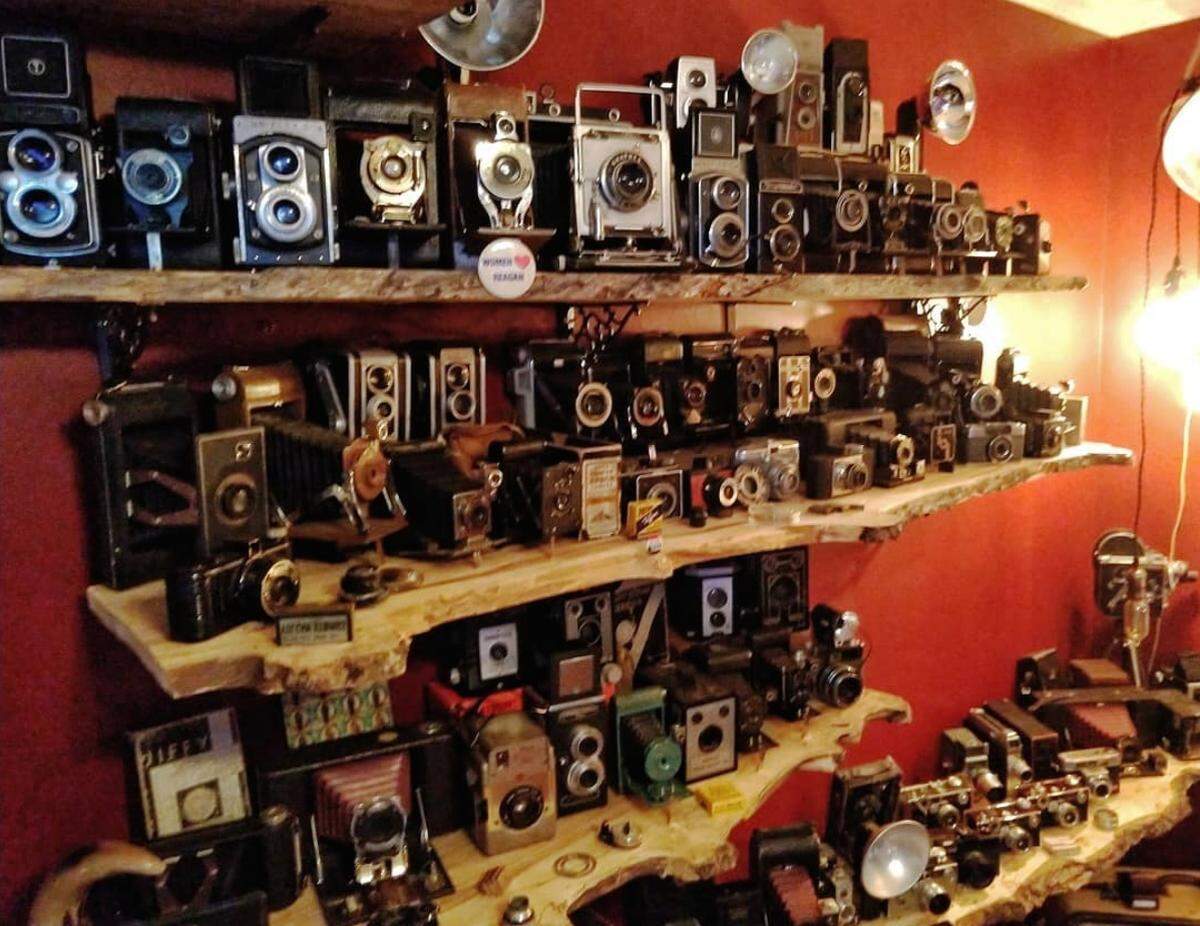
And he still keeps his hundred-odd cameras, piecing them back together from the flea markets where he finds them, documenting the places Raleigh seems eager to throw away.