
UNC tennis player calls out NCAA ‘hypocrisy’ as some athletes reap money, others don’t
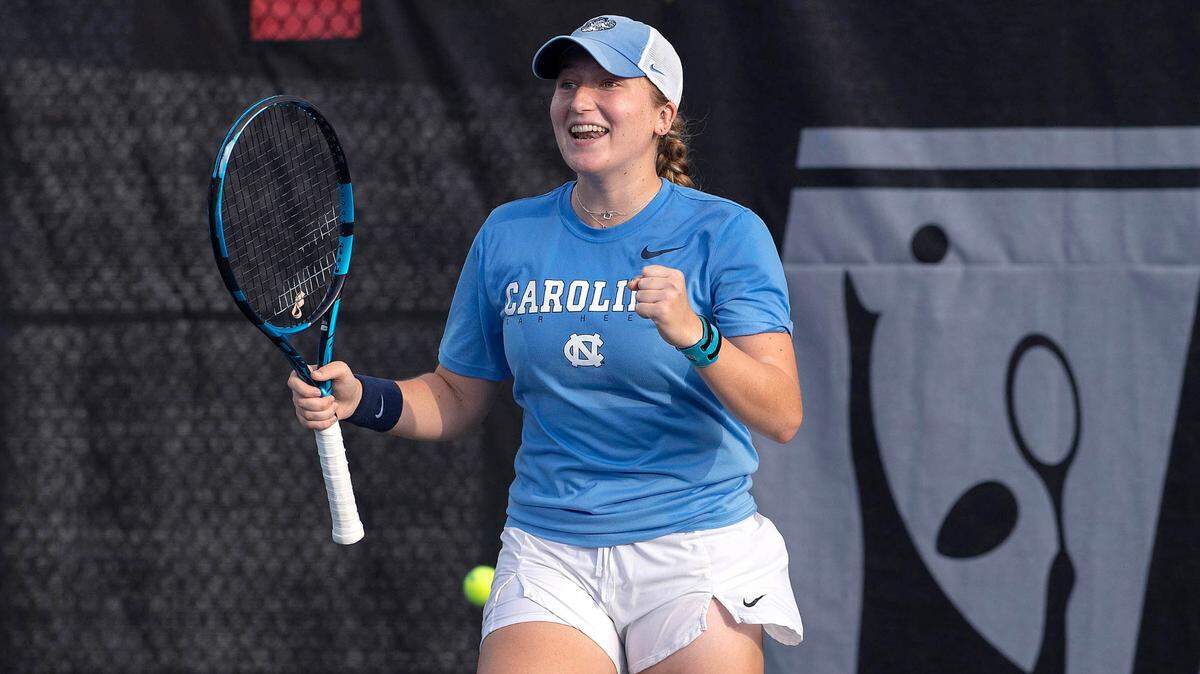
A top-ranked tennis player for the UNC-Chapel Hill women’s team has filed a federal lawsuit against the NCAA, arguing that she has been denied lucrative benefits while mostly male athletes in big-money sports collect millions.
The class-action suit, filed this week in U.S. District Court, alleges that Reese Brantmeier and athletes like her have been denied meaningful opportunities under NCAA bylaws — including more than $49,000 in prize money the tennis player could have earned for participating in the U.S. Open.
They seek an end to rules that bar student-athletes from getting compensation outside their college play.
“Plaintiff seeks to lift the veil of hypocrisy on the NCAA’s practice of allowing primarily Division I football and men’s basketball student-athletes, who play profit-generating sports in the Power Conferences, to receive virtually all of the pay-for-play money,” the suit said.
A top tennis player at UNC
Brantmeier is a sophomore at UNC, the suit said, and was heavily recruited as the top player in the Great Lakes region. She played the No. 1 position for the Tar Heels in her freshman season and helped the women’s team to the Division 1 championship.
In 2021, she was able to keep a maximum of $10,000 in prize earnings and expenses she racked up to attend them. This cost Brantmeier roughly $35,000 that year, the suit said.
The NCAA declined to classify her as an amateur in her freshman season starting in 2022 and challenged her expense report, the suit said, specifically targeting a portable scanner she bought to keep track of expenses.
It also challenged her mother’s half of their hotel expenses, though Brantmeier was 16 at the time. She was not cleared to play until halfway through her first year thanks to the dispute, the suit said.
The lawsuit notes that the NCAA brings in billions of dollars each year, mostly from its men’s basketball tournament, and that its executives routinely earn seven-figure salaries.
Likewise, the suit said, the NCAA has relentlessly chased television revenue, expanding the territory and reach of its conferences at the expense of students’ academic and athletic performance. The ACC, it points out, will soon stretch from Massachusetts to California, requiring its players to fly coast-to-coast on weekdays.
Name, image and likeness for male athletes
Now, the suit argues, the new rules under NIL payments allow students to collect money for their name, image and likeness, but those millions of dollars go mostly to male athletes in big-name conferences and are used largely as a recruiting tool.
Meanwhile, athletes in sports that do not generate huge revenues are barred from collecting prize money or awards outside their college play.
“The NCAA’s farcical and anachronistic justification for such restrictions on payments is that the acceptance of money by student-athletes would destroy the NCAA’s concept of ‘amateurism,’“ the lawsuit said.
The NCAA has not yet responded to an emailed request for comment.
This story was originally published March 19, 2024 at 4:15 PM.