UNC police obtained warrant to search pro-Palestinian student group’s social media
UNC-Chapel Hill police obtained a warrant to review private Instagram account information for the student group that organized a May commencement day protest on campus.
The warrant sought a wide range of details from the UNC Chapter of Students for Justice in Palestine’s social media account, including subscription information, direct messages and location data.
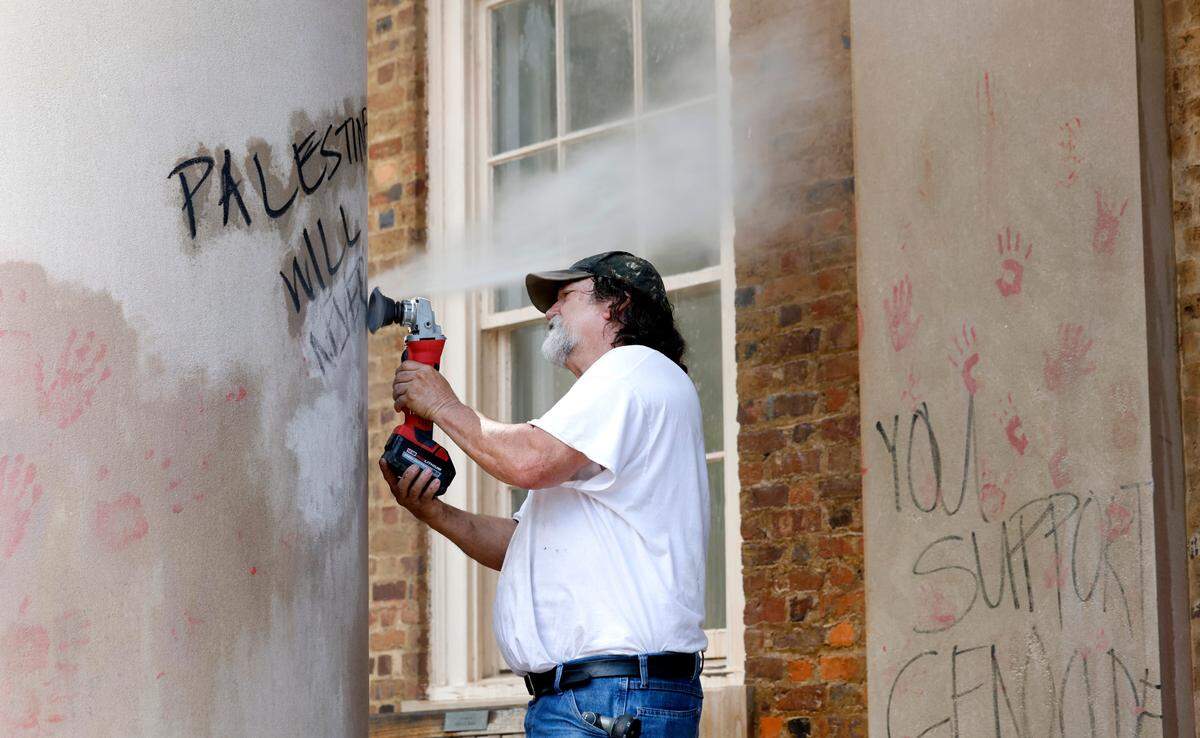
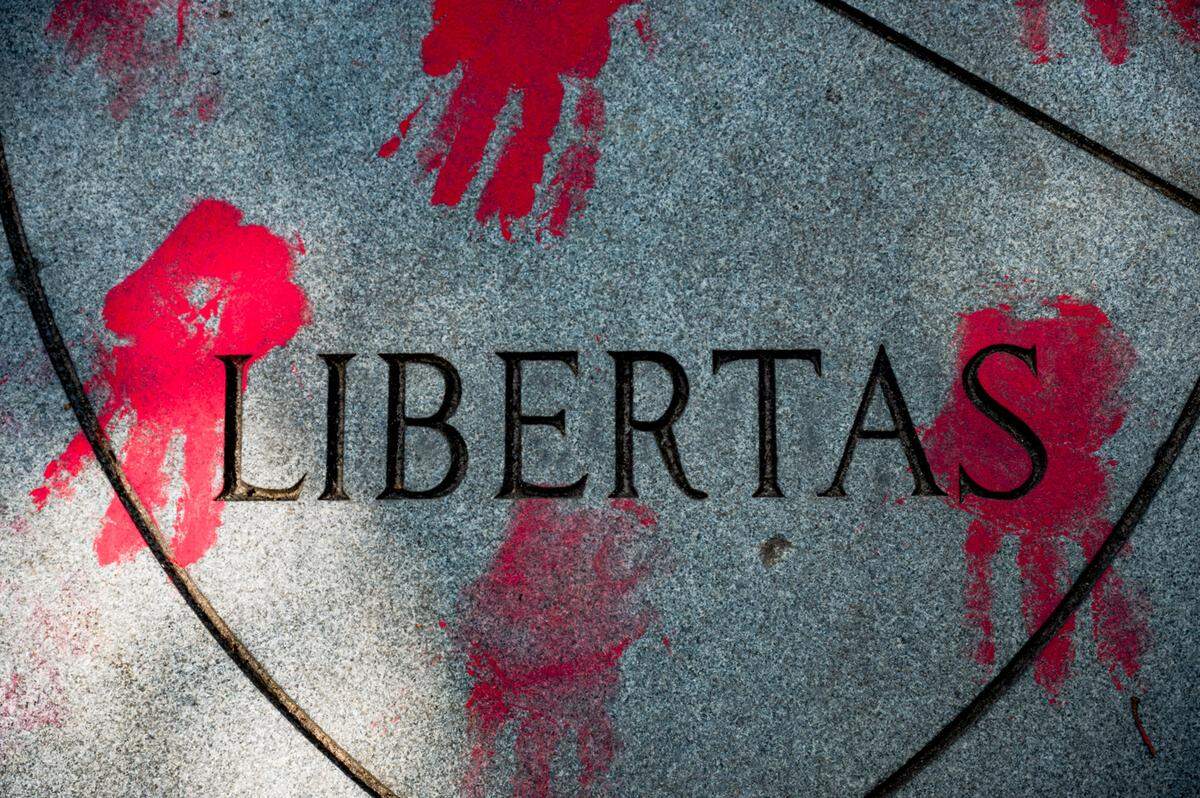
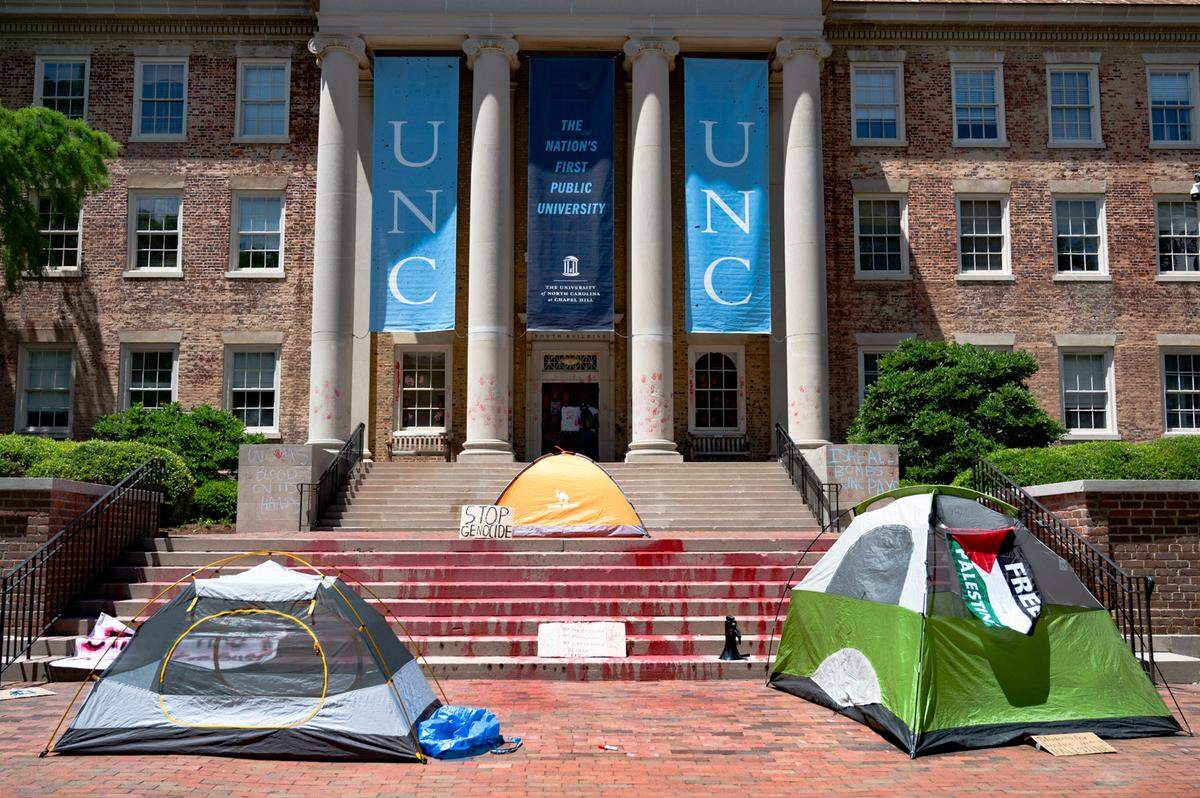
It was obtained as part of UNC Police’s ongoing “criminal investigation into the significant damage inflicted on South Building on May 11, when a group of protesters defaced the 230-year-old building with oil-based paint and graffiti,” campus spokesperson Kevin Best said.
The warrant stated that informing the UNC SJP “could jeopardize this investigation and interfere with the enforcement of the laws of the State of North Carolina.”
Sophia Brown, an SJP member, confirmed that members of the group did not know a warrant had been issued. She called its accusations “ridiculous” and denied the group organized or participated in defacing a historic building on campus.
A group of “autonomous actors” acted after a morning protest concluded, said Brown, a UNC staff member.
Investigator linked protest to vandalism
The warrant, signed by Orange County judge Allen Baddour on May 15, sought “basic subscriber information” for the group’s Instagram account. It also sought name, address, phone number, credit card information, account creation information, IP address, direct messages, location data, device data and connection logs from May 2-13.
Investigator D.L. Brown with UNC Police sought the warrant two days after pro-Palestinian protests took place on and near the UNC campus on May 11, the same day as the university’s spring commencement.
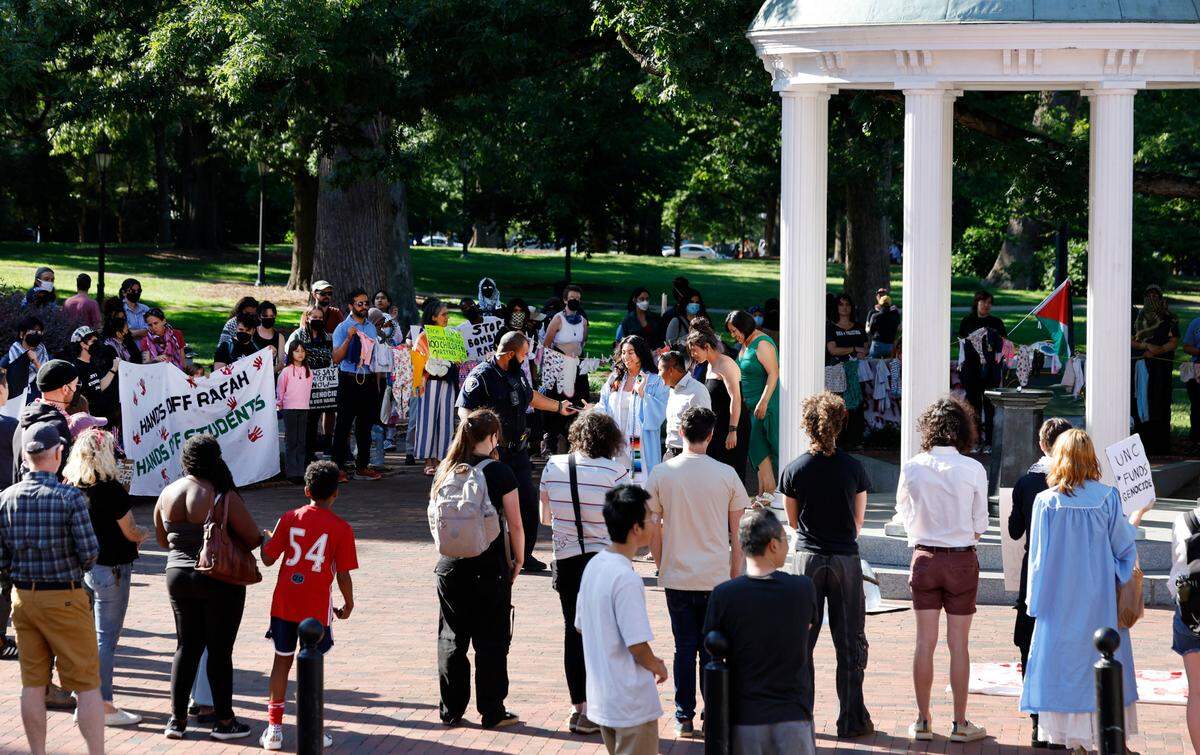
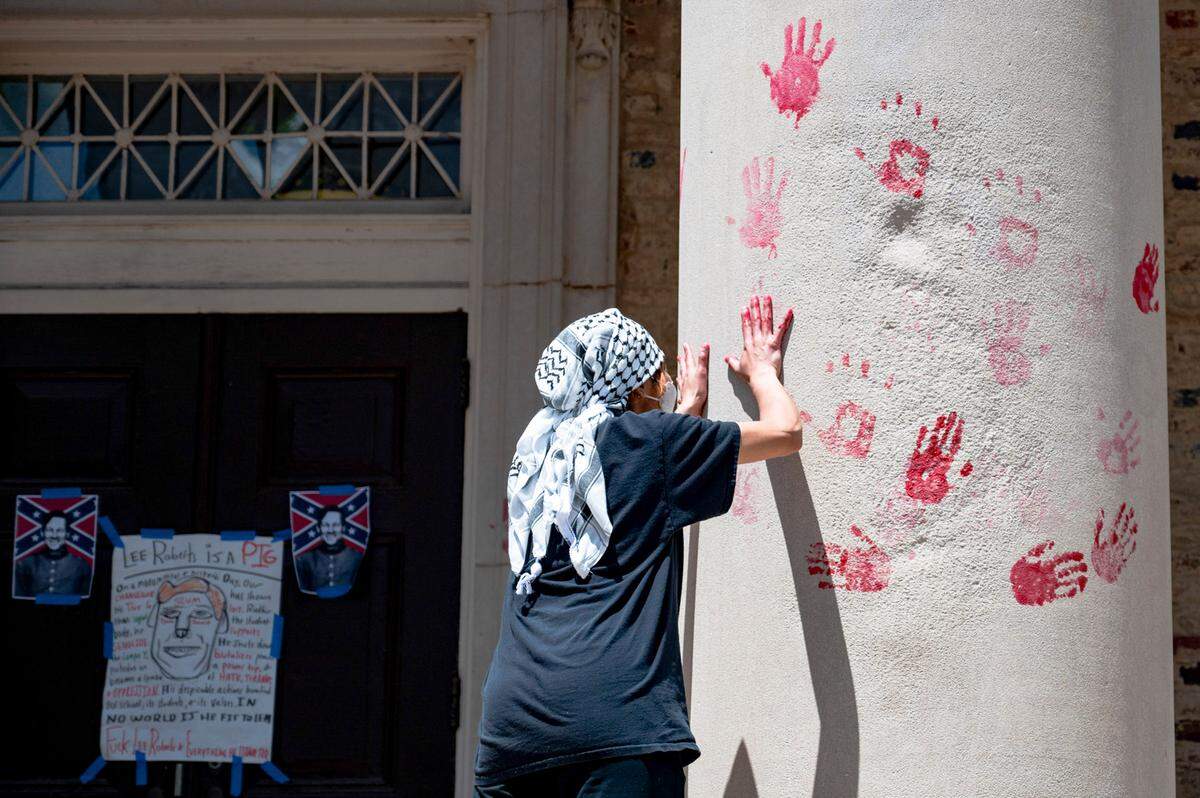
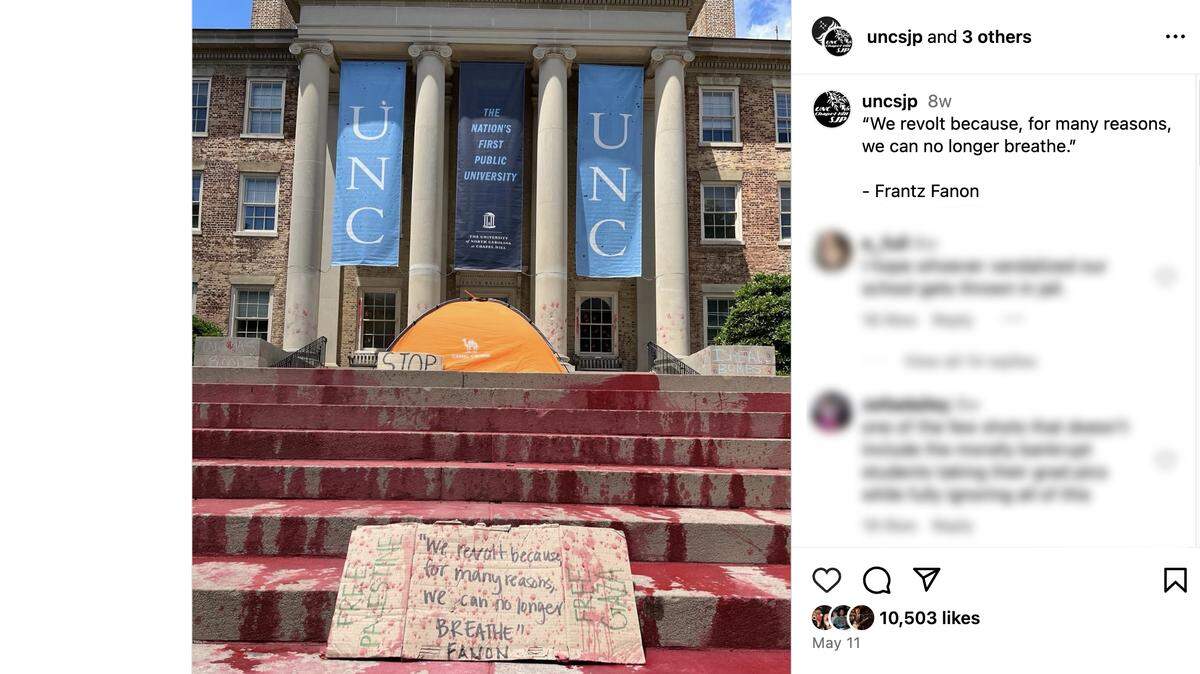
The group advertised a rally called “The People’s Graduation” on Franklin Street that morning. In the afternoon, individuals spattered red paint and wrote pro-Palestinian messages on the South Building, which houses the chancellor’s office.
Brown, who points out in the warrant that the group posted photos of the damage, “believes the individual or individuals running the uncsjp Instagram account planned and participated in the damage that was caused” on May 11, according to the warrant.
Brown indicated he was investigating the crimes of injury to real property and conspiracy to commit injury to real property, both misdemeanors.
“This type of search warrant is a part of the process afforded by the courts for criminal investigations,” Best said. “The University supports peaceful demonstrations, but the right to free speech does not include causing considerable damage to a historic building.”
Best confirmed no arrests have been made in connection to crimes alleged on the warrant.

A shift in UNC policing?
Adam Scott Wandt, an associate professor of public policy at the John Jay College of Criminal Justice, said the warrant represents an “extremely common” practice by police in investigations of alleged crimes, including those that occur at protests.
When warrants are sought in connection to protests, Wandt noted, they generally are not based on the protest itself, since the right to protest is protected under the First Amendment. Instead, police may seek warrants related to an “extremely specific crime” they believe has been committed during the protest.
The use of search warrants for social media activity and information has become more popular among law enforcement since 2010, Wandt said. Using the warrants in relation to protest activity, when crimes are allegedly committed, became a flashpoint in the 2011 Occupy Wall Street protests as Twitter battled a court order to turn over protesters’ posts and user data.
“Eyewitness testimony is something that we like dealing with less and less,” Wandt said. “One of the great things about social media for law enforcement is that people actually type out and document their thoughts, their processes, what they’re doing, their motivations, and communications with others.”
But Jaelyn Miller, an attorney who represents people criminally charged after a previous pro-Palestine encampment on campus, said she isn’t aware of other groups’ social media accounts being searched following previous protests.
To her, the search warrant represents a shift in how UNC officials investigate damage after protests, said Miller, a staff attorney for the civil rights organization Emancipate NC.
UNC police have gone from investigating individuals to investigating a larger group, she said. She questioned why they would use such resources and invade people’s privacy while investigating misdemeanors.
UNC officials made the request knowing it would chill free speech and make people afraid to participate in protests, she said.
“I think just when it comes to this specific conflict, there seems to be a deep desire to crush out the movement at its core,” she said.
14,500 Instagram followers
Social media accounts and the information stored within them are protected under the Fourth Amendment, which protects against unreasonable searches and seizures, and the Stored Communications Act, which generally prohibits electronic communications providers from sharing users’ information unless government officials seek a subpoena or warrant to obtain it.
“I hope law enforcement would not apply, and judges would not approve, any sort of search warrants just based on protest activity alone, and I haven’t seen that,” Wandt said. “But when crimes are committed in conjunction with protests, law enforcement are very quick to be able to go in and handle it.”
The UNC SJP Instagram account is public, with posts generally available for anyone — from its nearly 14,500 followers or the general public — to see. But the account does not have a name publicly associated with it and, like any other account, its direct messages and other account details are not available for view to anyone other than those logged into the account.
Clicking Instagram’s “About this account” feature on the profile reveals only that the account joined Instagram in September 2019 and that it is based in the U.S.
Meta, which owns Instagram and the company to which the warrant is addressed, did not respond to a request for a comment.
Wandt said the company complies with warrants nearly all of the time in U.S.-based investigations in his experience — if they meet all legal standards and Meta’s requirements on the issue.
Social media companies generally reserve the right to choose whether they inform users that their account will be searched under a warrant, Wandt said. Meta states that the company’s policy is to notify users of the searches “unless we are prohibited by law from doing so or in exceptional circumstances.”
Brown, the SJP member, said she views the warrant as another step to silence demands that UNC disclose and divest investments linked to Israel.
This story was originally published July 12, 2024 at 5:30 AM.