
How Raleigh once demolished a Black neighborhood and displaced more than 1,000 people
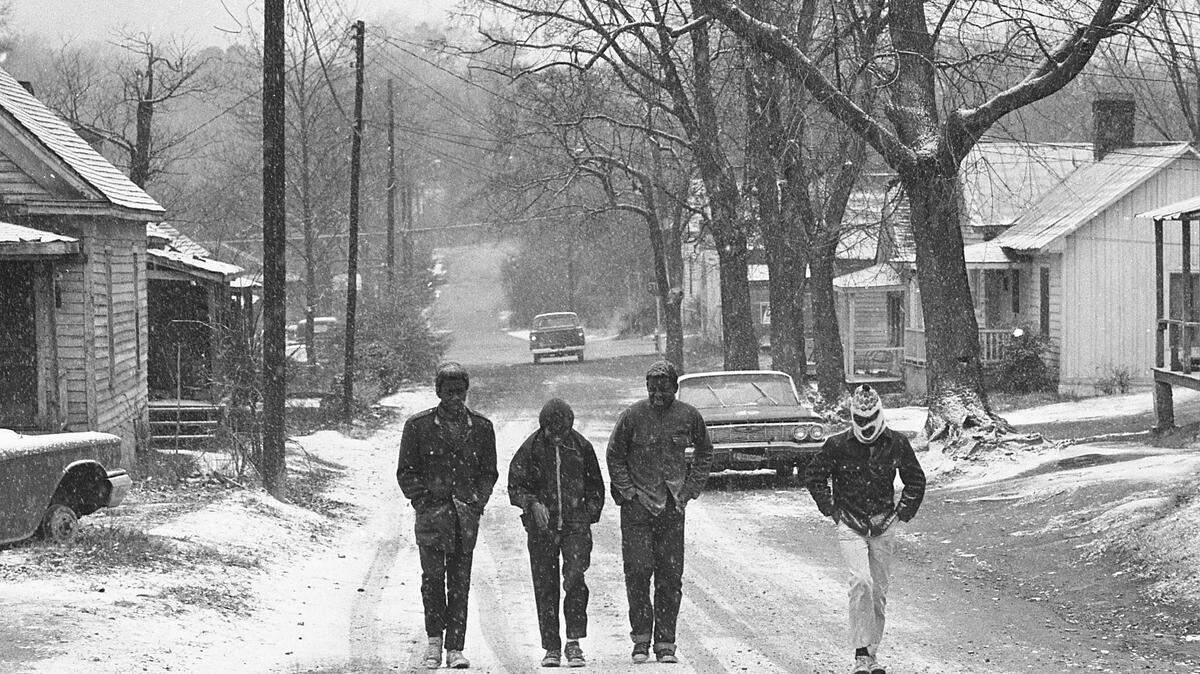
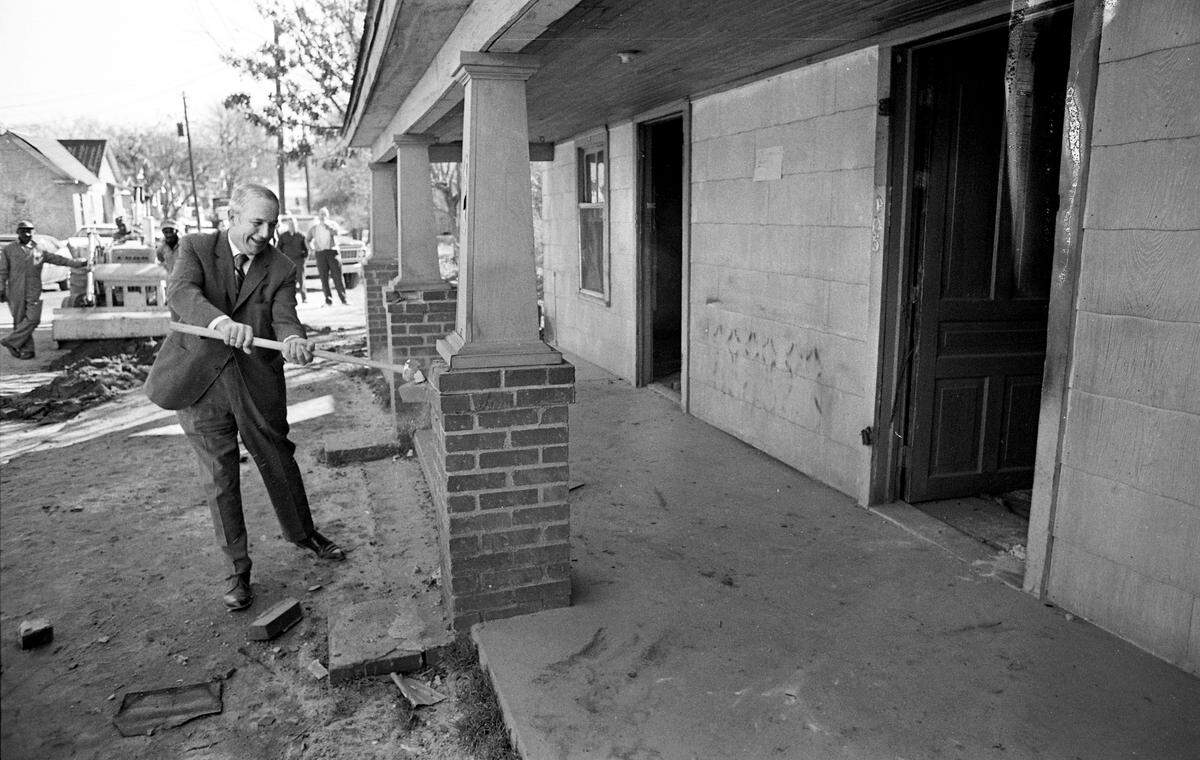
In 1971, Raleigh began destroying one of its oldest and largest Black neighborhoods when Mayor Seby Jones smacked the first house with a gold-plated sledgehammer.
By the time it finished, Raleigh had wiped out roughly 600 homes and 60 businesses just south of downtown, toppling Church of Christ and mowing down the Blue Front Grocery.
Battle Street, Grape Street, Jamaica Street and Cuba Street all disappeared.
An estimated 1,600 people, nearly all of them Black, packed up and left the century-old community known as Fourth Ward — the disowned child of Oak City history.
Remembering Fourth Ward
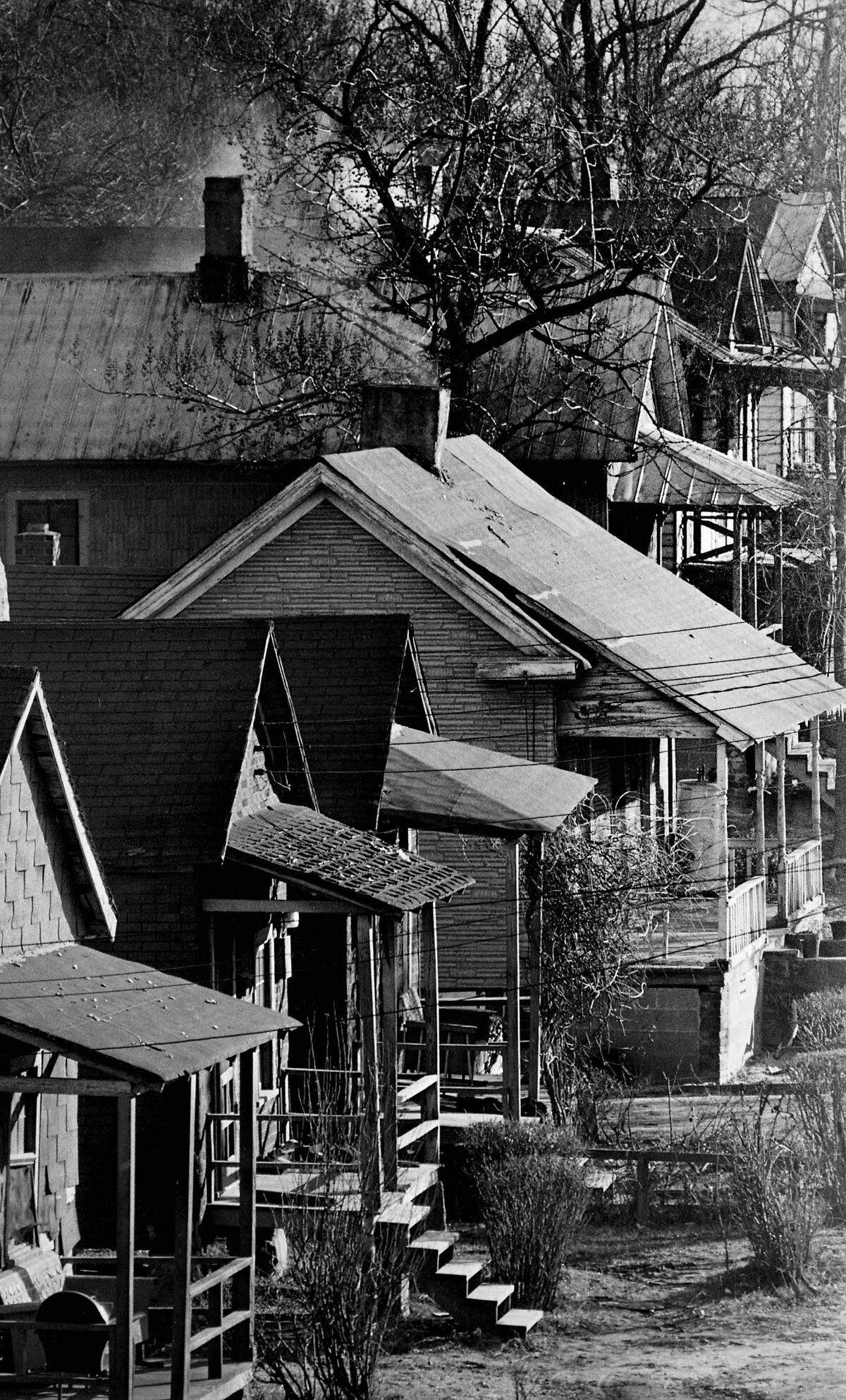
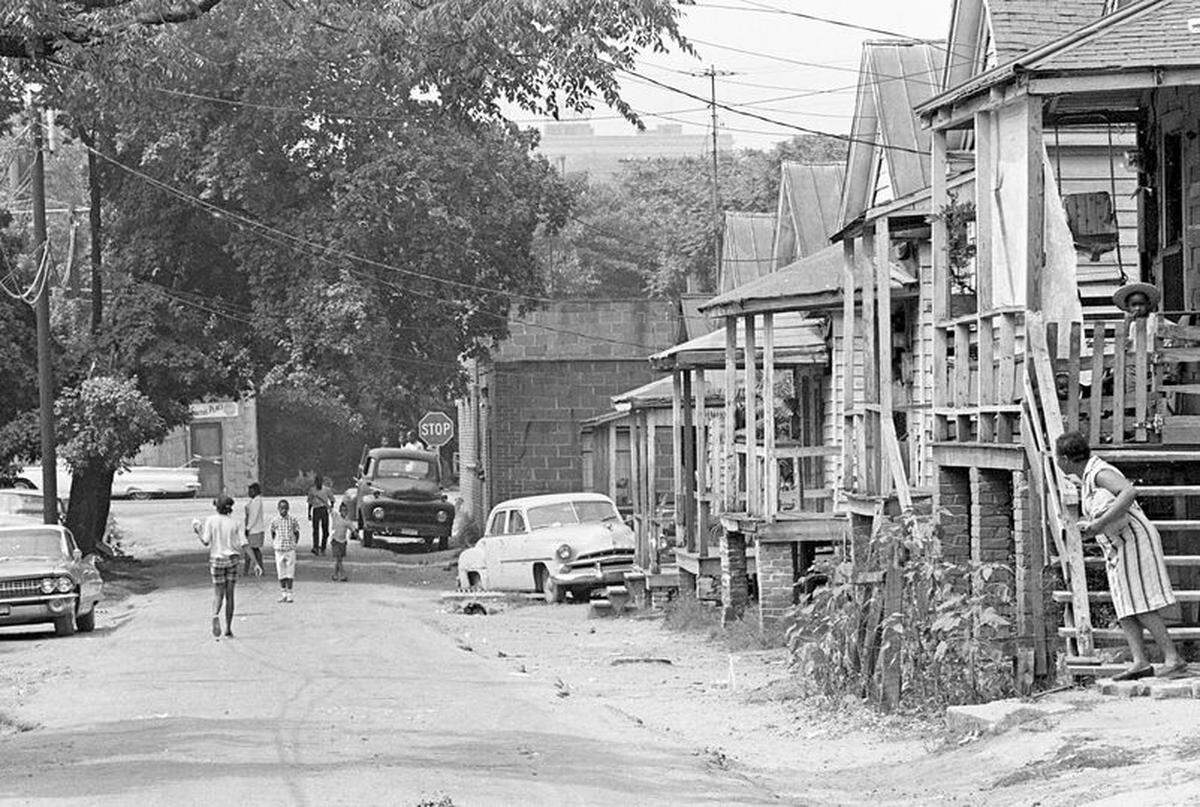
But starting Monday, those who remember Fourth Ward and experienced its shotgun houses and dirt streets that turned to mud in the rain will hold a week-long celebration aimed at restoring it to Raleigh’s memory and map.
The families still scattered around the city will collect and demand some formal recognition — even a sign — to recall the people uprooted in the name of urban renewal.
“I want it to come back as an official name,” said Octavia Rainey, organizer, “so when you’re planning in that area, you say ‘Uh oh. You’re in Fourth Ward. Don’t nobody talk about Fourth Ward, so that tells me they don’t even know.”
A safe haven
Before the bulldozers, the neighborhood stretched roughly from Memorial Auditorium and Red Hat Amphitheater south to the gates of Mt. Hope Cemetery, forming a tight grid of streets — few of them paved.
Just last week, when residents fought to keep the city from closing South Street for the sake of new Red Hat construction, they were fighting on old Fourth Ward territory.
By the time Raleigh chose it for urban renewal — a federally funded program that, at the time, called for leveling blighted neighborhoods — it had already cleared out Smoky Hollow around Peace Street, displacing 165 families.
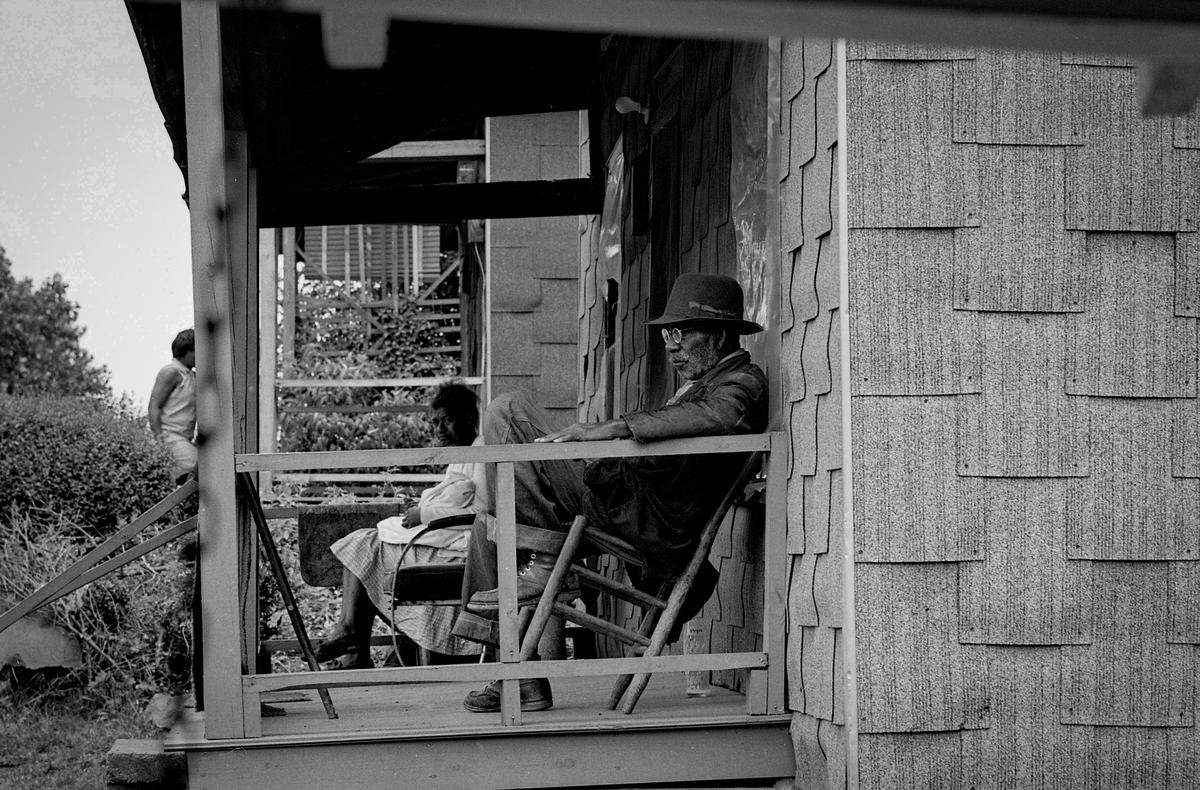
Fourth Ward had largely become a neighborhood of tenants rather than the homeowners who occupied it during early segregated decades, and many still resisted the idea that their streets were as crime-ridden and dilapidated as city officials portrayed.
“I remember all the people there,” said Rosa Rand, who lived on Cannon Street until she was a teenager. “It wasn’t just working class people. There were educators. There were ministers. There were railroad workers, so there were people with varying incomes. We were right there together. We were a village.
“I remember when maybe we were short of cash,” she continued, “we could always go to Mr. M.H. He would let us have everything we need. If we didn’t go to Mr. M.H., we would go to Mr. Swindell. He would give us anything that we needed to keep us warm or to feed us.
“If we were out of sugar, we would go to our neighbor. ‘Mama said, could we have some sugar?’ Those were the days. We were dirt poor, but we didn’t know it. Those people who said we were dilapidated, no good, they could have learned a thing or two.”
‘They’re moving us out’
Raleigh offered the promise of a fresh, improved neighborhood as its official reason for knocking down Fourth Ward. As he swung the hammer, Jones announced, “I am hopeful this will be the end to substandard housing in Raleigh.”
Standing next to him, Clarence Lightner, who would soon become Raleigh’s first Black mayor, agreed. “It’s fantastic,” he said. “Just fantastic.”
But residents rejected Raleigh’s first plan, which involved clearing out an even larger area, forcing the city to include more public input. Even then, the people of Fourth Ward suspected the true motive behind urban renewal was building wider, faster routes out of the city.
“The only people who come down there are either policemen or salesmen,” said Lawrence Wilson in 1968. “They’re moving us out to build a highway so white people can get to the beach faster. Lots of us don’t want to get moved out.”
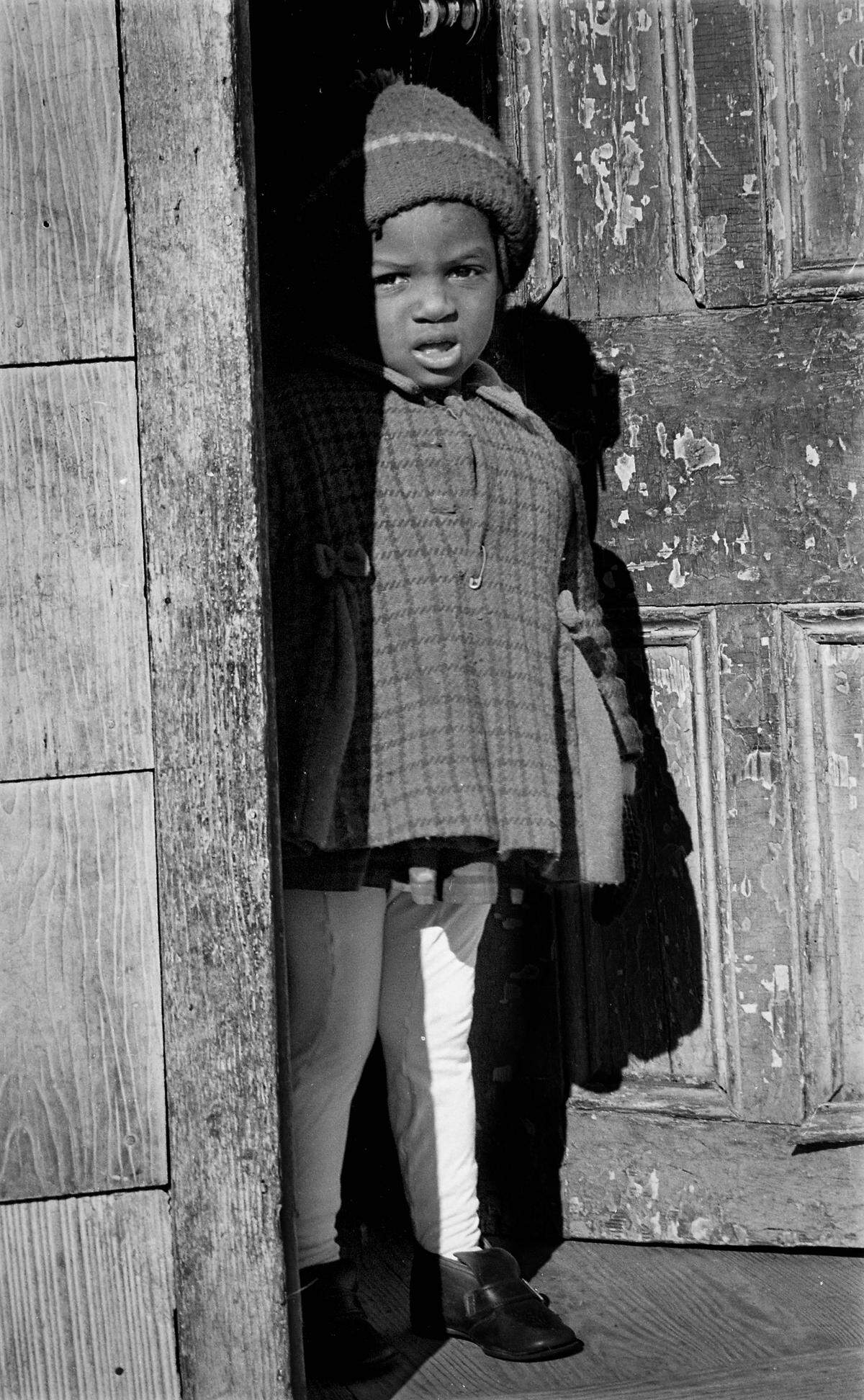
Meanwhile, while the bureaucratic wheels turned, the housing the city called substandard got even worse. In the freezing winter of 1970, Raleigh opened an emergency center to help families who ran out of coal for the stoves and food for their pantries.
“Ninety percent of the houses aren’t fit to live in,” said the Rev. Henry Peace at the time. “It’s beyond rehabilitation. The landlords are waiting on urban renewal to buy their property and aren’t going to spend anything in the meantime.”
‘I don’t know who needs help’
Raleigh finally sold residents on the relocation idea by promising to rebuild within the Fourth Ward boundaries. But that never happened.
Raleigh bought houses from the 87 residents who were homeowners and paid them $15,000 in relocation fees. Another 222 people went into public housing, notably Heritage Park. More than 200 others moved into rentals around Raleigh, about 50 of them federally subsidized.
But the federal government nixed large-scale housing on the site of Fourth Ward, noting it would constitute “noise pollution” to have so many people near big roads that existed then and those planned for the future.
“This is most absurd,” Peace told The N&O. “I personally lived at the noisiest part ... where every truck coming up South Street shifted gears to get up the hill and also where every truck going down the same street backfired. I can truthfully say that it had no effect on my family or my children.”
Longtime residents who returned only four years later found no trace of their old neighborhoods, with the street signs removed and the houses hauled away.
“The worst thing is you had to leave the neighborhood you learned to love,” Doris Whitaker told The N&O in 1975. “It was a very close neighborhood, but we’re so scattered now I don’t know who’s sick and I don’t know who needs help.”
‘A very unhappy situation’
That same year, Mayor Clarence Lightner, who once trumpeted urban renewal’s beginnings by calling them “just fantastic,” changed his tune.
He said Raleigh would be unlikely to ever try such widespread teardowns again, focusing instead on removing a few distressed houses and working to preserve the rest. He called the whole experiment “a very unhappy situation.”
The few remaining voices of Fourth Ward look around Raleigh today and ask how well that promise has been kept — if at all.
A week of celebration for Fourth Ward
- Monday: A Celebration of Mt. Hope Cemetery, 120 Prospect Ave., 6 p.m.
- Wednesday: Fourth Ward Kickoff, City of Raleigh Museum, 220 Fayetteville St., 6 p.m.
- Thursday: Fourth Ward Meet and Greet, Raleigh Pathways Center, 900 S. Wilmington St., 6 p.m.
- Friday: Restricted Covenants and Black Land Loss lecture, Dorothea Dix Chapel, 1030 Richardson Drive, 6 p.m.
- Saturday: Fourth Ward Cookout, Roberts Park, 1300 E. Martin St., 1 p.m.-5 p.m.
- Sunday: Gospel Extravaganza, Fletcher Hall, 2 E. South St., 4 p.m. - 6 p.m.
This story was originally published August 26, 2024 at 5:55 AM.