
Preservationists decry Raleigh council decision on Prince Hall Black historic district
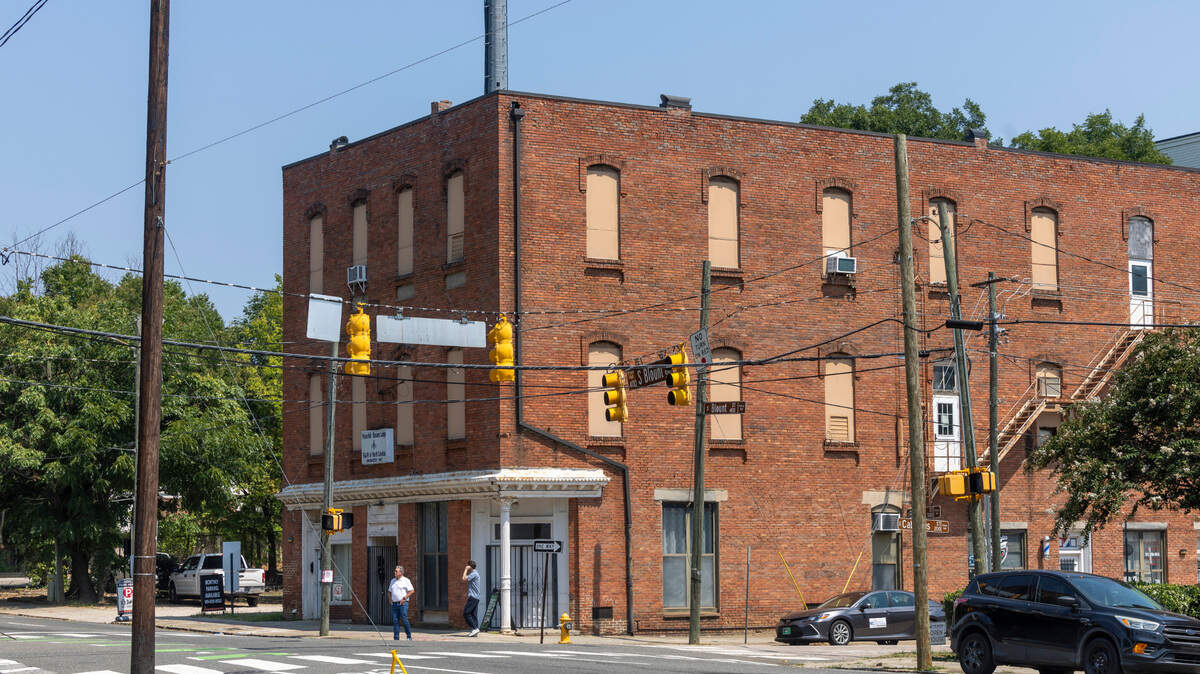
For some in Raleigh, the idea seems almost sacrilegious: Building a seven-story hotel next-door to the far-smaller relic known as Prince Hall lodge, the century-old center of Black life in Raleigh.
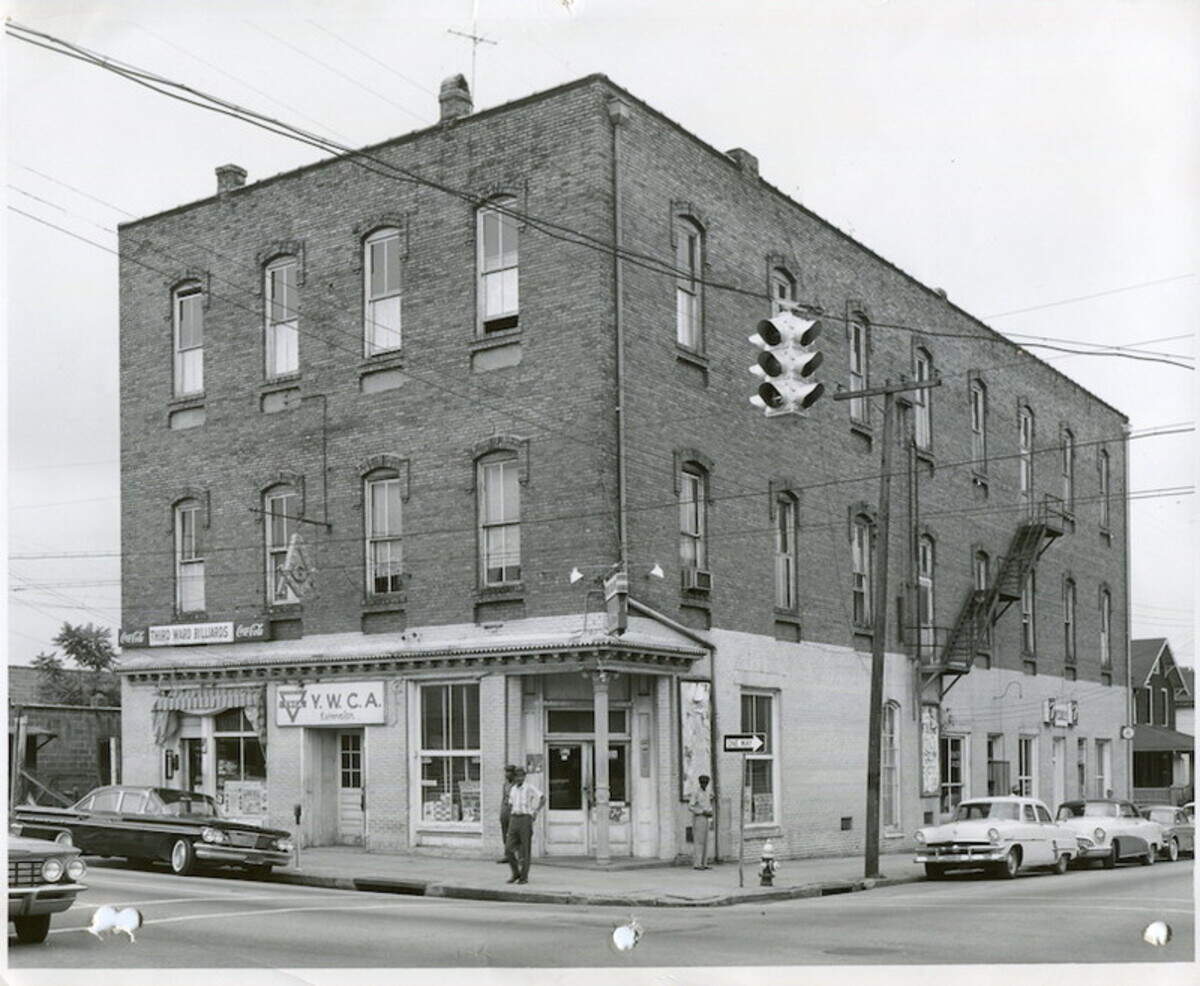
The three-story Masonic temple has stood at the corner of Blount and Cabarrus streets downtown since 1907, anchoring the neighborhood around Shaw University.
Black leaders from Manassa Pope in 1919 to Clarence Lightner in 1973 have organized their campaigns for mayor inside its red-brick walls.
Now, the City Council has allowed hotel construction on the vacant Blount Street lot next door, permitted it to rise to 68 feet higher than the lodge and pulled the hotel property out of the Prince Hall historic district.
And preservationists all cry foul.
“This decision undermines the principles of historic preservation, community planning and the protection of Black history,” said Ian Dunn of the nonprofit Preservation Raleigh. “The proposed development, which is significantly taller than any existing structure in the neighborhood, will create a visual and contextual mismatch that will negatively impact the historic character of the district.”
Planners voted no, council said yes
Part of the historically minded anger comes because the council backed the Blount Street project the city Planning Commission voted no and the Historic Development Commission declined to grant a certificate of appropriateness.
But the project’s partners point to numerous concessions to the area’s history, including scaling back a request that would have allowed 12 stories, guaranteeing that the majority of the lower floors will be brick and adding arched windows that match Prince Hall.
Blount Street Partners has no plans to incorporate the Prince Hall building into its design and has worked with the Masons to ensure they support its long-term use, said Mack Paul, their Raleigh attorney.
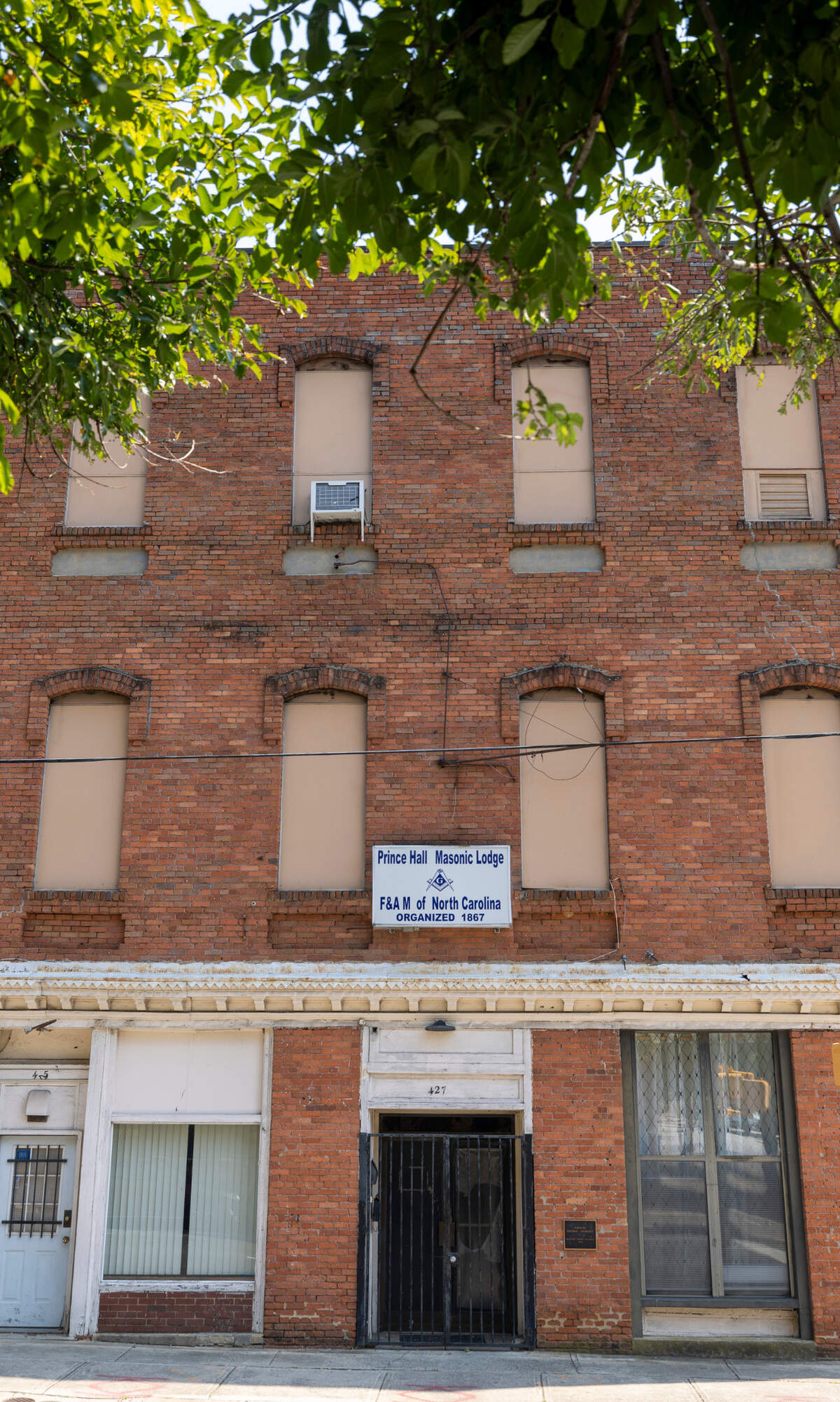
Prince Hall remains boarded-up on its top two floors, while both a barber shop and vintage clothing store operate on the ground level.
But the partners sought a grant through the National Park Service to help refurbish the building, Paul said, adding that its status is uncertain. The number of hotel rooms is also still being developed since approval was just granted.
‘It’s time for us to do something’
Having spent nearly a year in the council’s pipeline, the project has called into question not just how historic buildings should be treated, but also their surroundings.
“The reality is, if we want to save the history of the neighborhood, we need to revitalize,” said Souheil Al Awar, architect and Blount Street partner who has also designed The Saint townhomes on St. Mary’s Street, addressing the council last year. “We need to bring it back to what it was. This is a dirty parking lot. ... The building next door is boarded-up, and it’s time for us to do something.”
Preservation Raleigh notes on its website that developers “began to pick the district apart” shortly after its creation in 2012. Three times before now, the council has allowed parcels of land to be removed from the historic district, which has “emboldened and accelerated speculative development.”
Another sore spot for the preservation community is the council’s cutting off public comment.
‘Dismantling the Black community’
Back in September, it allowed Al Awar to speak on behalf of the project followed by two people in opposition, including Eugene Myrick of Southeast Raleigh, who is running for mayor.
“This is once again dismantling the Black community,” Myrick said last year. “I’m asking you all to stop piecemealing in the destruction of this Black neighborhood. We don’t just want to be remembered. We want to be seen.”
Last week, the council voted 6-2 in favor of the project, which had undergone major revisions. Council Members Mary Black and Christina Jones voted no.
Several speakers had signed up and waited to speak, but Mayor Mary-Ann Baldwin did not allow any comments. Several yelled from their seats, including Myrick, who called the process “a scam.”
“We’re not here for your performative behavior,” Baldwin said. “I’m asking for you to be escorted, and you could be charged with trespassing.”
With the council’s move, much of Raleigh will watch whether Prince Hall remains an important piece of the community that grew around it or gets absorbed by its taller, shinier neighbors.