
Hell-bent on giving hellbenders, NC’s largest salamanders, endangered species protection
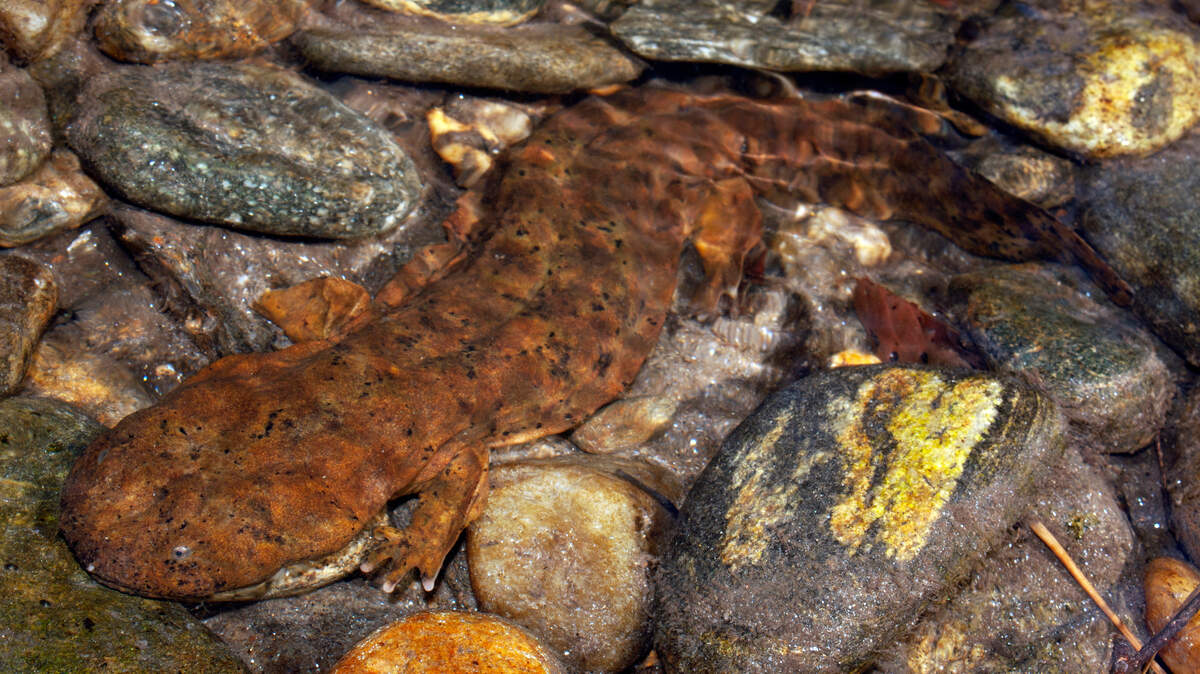
They call them snot otters, devil dogs and Allegheny alligators, all fitting nicknames for the fat brown salamanders lurking under river rocks — slimy giants of the NC mountains.
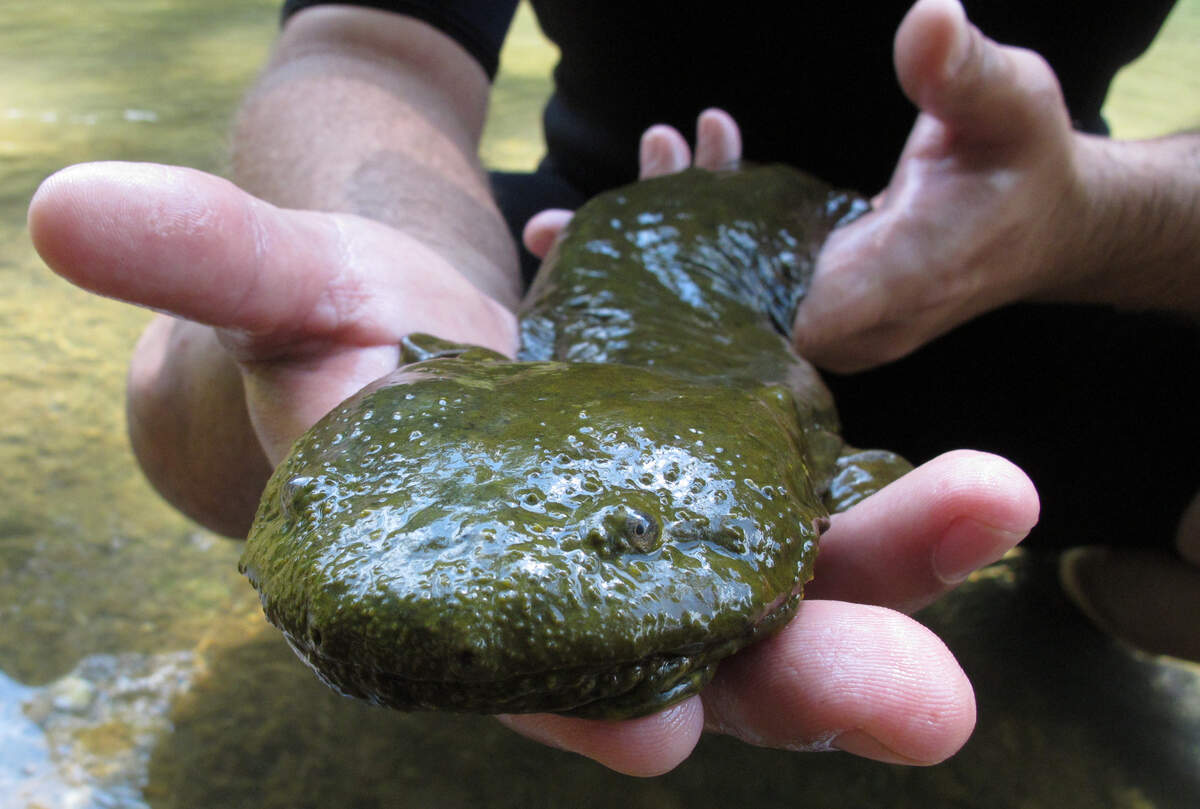
Weighing 4 pounds and stretching 2 feet from tail tip to snout, the hellbender qualifies as North America’s largest salamander, boasting a habitat that stretches from Mississippi to New York, all of it murky and wet and threatened.
Over the last decade, the giant salamander’s population has dropped an estimated 80%, a drop-off that doesn’t factor in the devastation dealt by Hurricane Helene. Already at risk from pollution, the aquatic amphibian now faces a river habitat choked with sediment and debris.
But the U.S. Fish and Wildlife Service has proposed giving hellbenders protection under the Endangered Species Act, a move that gives them long-sought protection.
“I literally burst into happy tears when I heard that hellbenders were finally going to get the Endangered Species Act protection they need to recover,” said Tierra Curry, a senior scientist at the Center for Biological Diversity. “Hellbenders may be cold and slimy, but they’re so fascinating that they evoke warm and fuzzy feelings. Protecting these giant salamanders will give umbrella safeguards to thousands of other species that rely on clean rivers.”
Federal not state protection
As long ago as 2018, the NC Wildlife Resources Commission felt enough concern about hellbenders that it asked the public to report all sightings, preferably with a photo. This plea came after the NC Zoo reported their population had plummeted by 77%.
The commission has named them a species of special concern, making it illegal to catch, kill or bother a hellbender. But federal protection goes much farther, requiring any federal project that impacts their habitat to make amends by relocating the salamanders or offsetting damage to water quality. This is especially important in western North Carolina, where much of the land is designated a national forest or park.
“Federal listing is really the only place to get concrete protections,” said Will Harlan, the center’s southeast director.
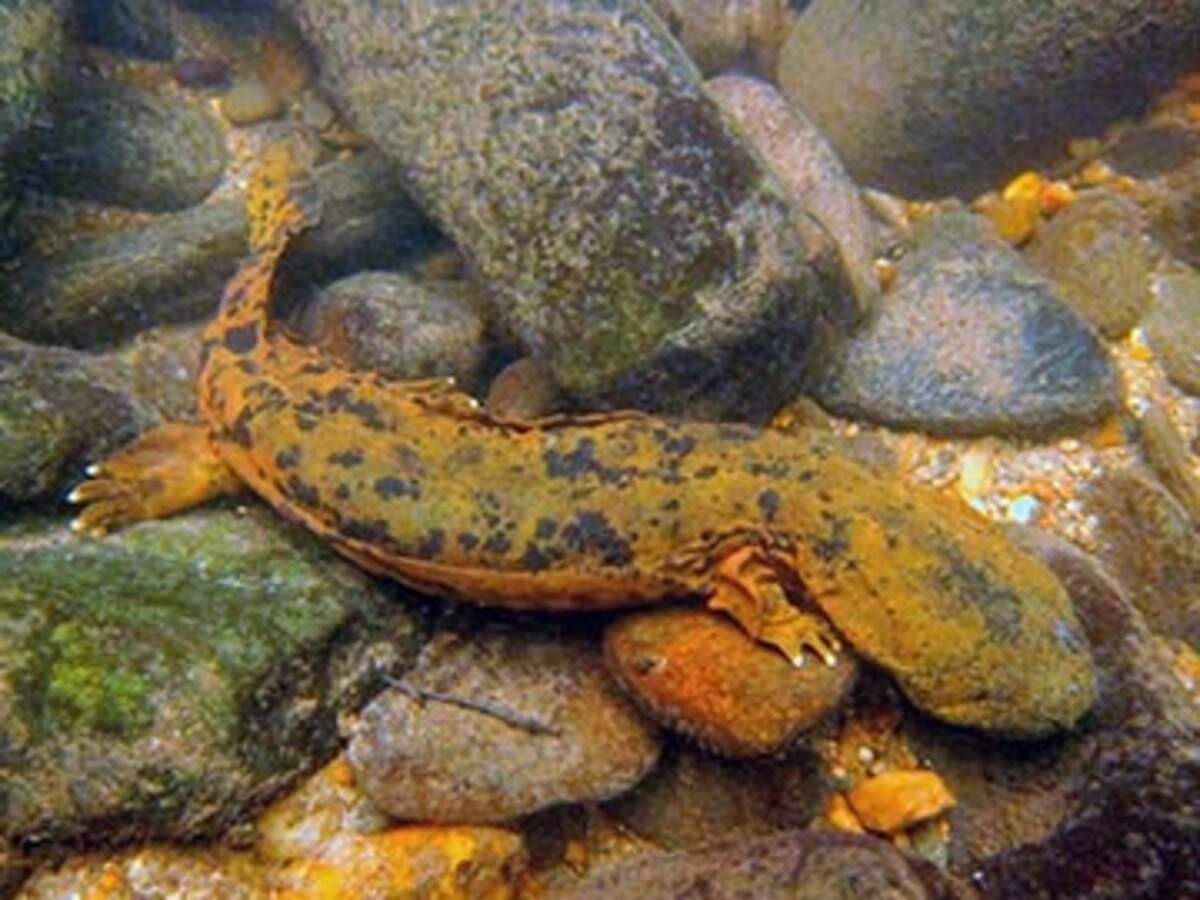
Declines in water quality are so extensive that only 35 known clusters of hellbenders remain along the stretch of East Coast habitat. Pollution, deforestation and sediment runoff from development have all hit the salamanders hard, and that damage all predates the September hurricane.
Helene walloped the hellbenders
“Helene just walloped them,” Harlan said. “A lot of their habitat is gone completely. We’ve recovered hundreds of dead hellbenders along the roadside — heartbreaking scenes of hellbender carnage.”
An endangered species listing rarely stops a building project altogether, he said, but anything with federal funding will need to consider clean water where the hellbenders might thrive. This ripples out to improve trout fishing, which ripples out further to rebuild a mountain economy that thrived on eco-tourism but suffered under Helene.
The Endangered Species Act specifies that the best available science governs who and what gets on the list, and freshwater species go through the Department of the Interior, which includes the Fish and Wildlife Service. So “unless political corruption rears its ugly head,” final protection should come soon, Curry said.
“This is really a last-ditch, life-saving victory for hellbenders,” Harlan said. “This gives hellbender, this ancient species, a fighting chance.”
This story was originally published December 27, 2024 at 8:00 AM.