
‘You’ve got a connection.’ Durham community offers LGBTQ+ residents over 55 a safe space
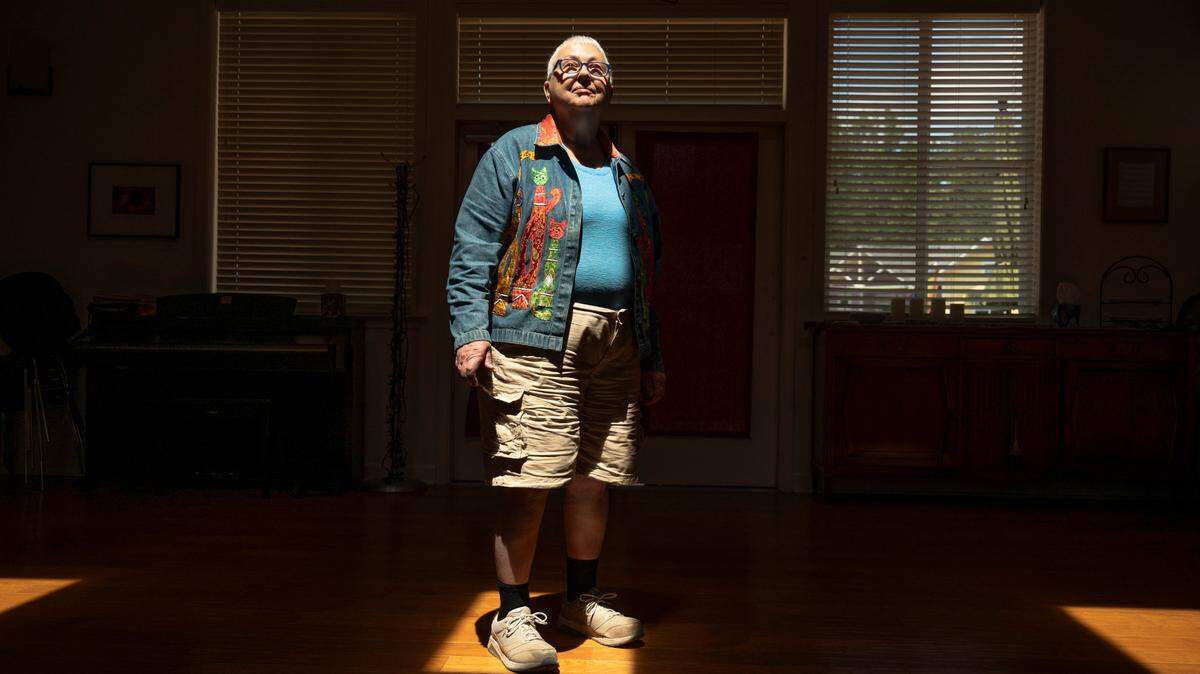
Margaret Roesch wakes up to the sound of laughter and chatter. She loves to hear the occasional giggles of her neighbors sitting on their porches or taking a stroll.
Her Durham neighborhood, Village Hearth, is the type of community she only dreamed of nine years ago.
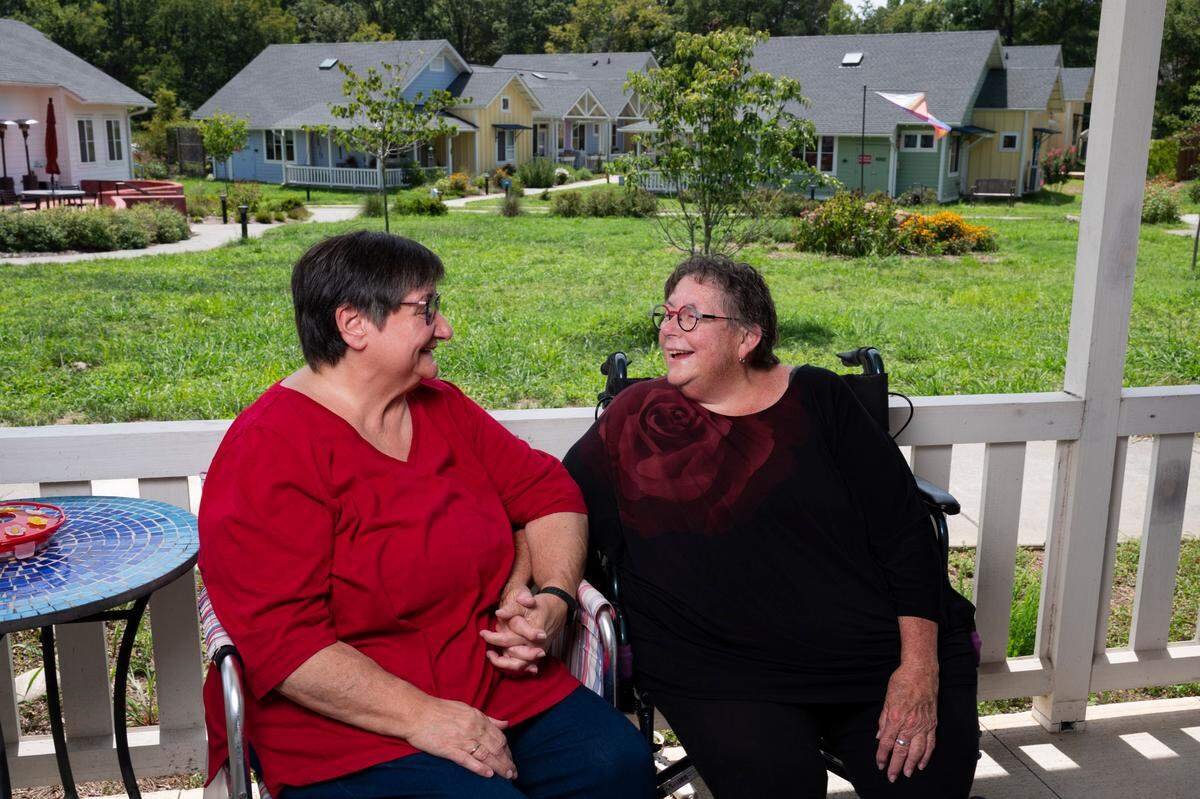
Roesch, 69, and her wife, Patricia McAulay, 69, feel safe there, and they’ve been able to connect with other couples like themselves as well as LGBTQ+ allies.
Village Hearth is a 28-home community in Durham that’s considered the first cohousing neighborhood for LGBTQ+ identifying people over 55 — and their allies — in the United States.
While there are cohousing communities that accommodate LGBTQ+ people and people over 55, a place that caters to both is unique to Village Hearth. For Roesch and McAuley, combining the two just makes sense. Isolation is a common issue in both of these populations but had not been tackled in this manner until Roesch and McAuley decided to develop Village Hearth.
“No matter what the day is going to bring, they’ve got other people to share it with, and to me, that’s kind of the whole purpose of the place,” Roesch said. “You’ve got a connection and that makes such a difference.”
History of Village Hearth
Village Hearth was born from a need that Roesch and McAulay both deeply felt.
Roesch and McAulay were living in Florida, having moved there after a decade in Durham. McAulay taught middle school students from all over the county, but the couple was fearful of showing any public displays of affection or publicly using terms of endearment. Eventually, they tired of hiding their sexual orientation there, so they returned to Durham in 2014.
They had looked into different co-housing communities before deciding they wanted to instead start their own. The couple began developing Village Hearth in 2015. After they had secured a location in North Durham, they began designing, constructing and advertising the new community.
Then the COVID-19 pandemic hit, and Roesch began to feel a new sense of isolation. She started using a wheelchair and had to spend a lot of time at home. She couldn’t drive and didn’t see many of her friends.
“I was so lonely and I was getting really depressed and really angry, and COVID isolation was just starting to happen,” she said. “All of that was hitting at the same time.”
Village Hearth couldn’t be built soon enough. In 2020, Roesch and McAulay were able to move into the new single-floor accessible homes of Village Hearth, and Roesch began to see a positive shift. Now if Roesch is lonely, she can send a message to the community to make plans, walk outside for a spontaneous chat or knock on her neighbors’ doors.
Residents have private homes and share community spaces. In developing Village Hearth, Roesch did not want it to feel like a retirement home where everyone plays bingo and has “bland” meals.
Instead, Village Hearth was designed to foster spontaneous interaction, thanks to the connected sidewalks and porches that are built close together. There are community activities inspired by whatever the residents dream up and organize. And every Thursday, the common house fills as everyone sits down for the weekly community dinner prepared by a rotating roster of residents.
Residents also engage in self-governance and are responsible for making decisions that affect their neighborhood. They join at least one team, based on their interests and expertise. Everyone is charged with the upkeep of the neighborhood.
“You have to be willing to give up some of your autonomy, and your decision making,” said Roesch. “You have to be able to put in your time and your energy to help the community keep moving along.”
Although cohousing requires effort and commitment, the residents praise the arrangement. That includes resident Tami Ike, who said her favorite part of living there is “knowing that I can really probably depend on everyone in this community at one point or another if I needed somebody.”
A space for the LGBTQ+ community
Beyond being a place to live, Village Hearth offers a safe space for queer people. That’s evident through the marketing of the community and a rainbow Pride flag displayed in the center of the neighborhood.
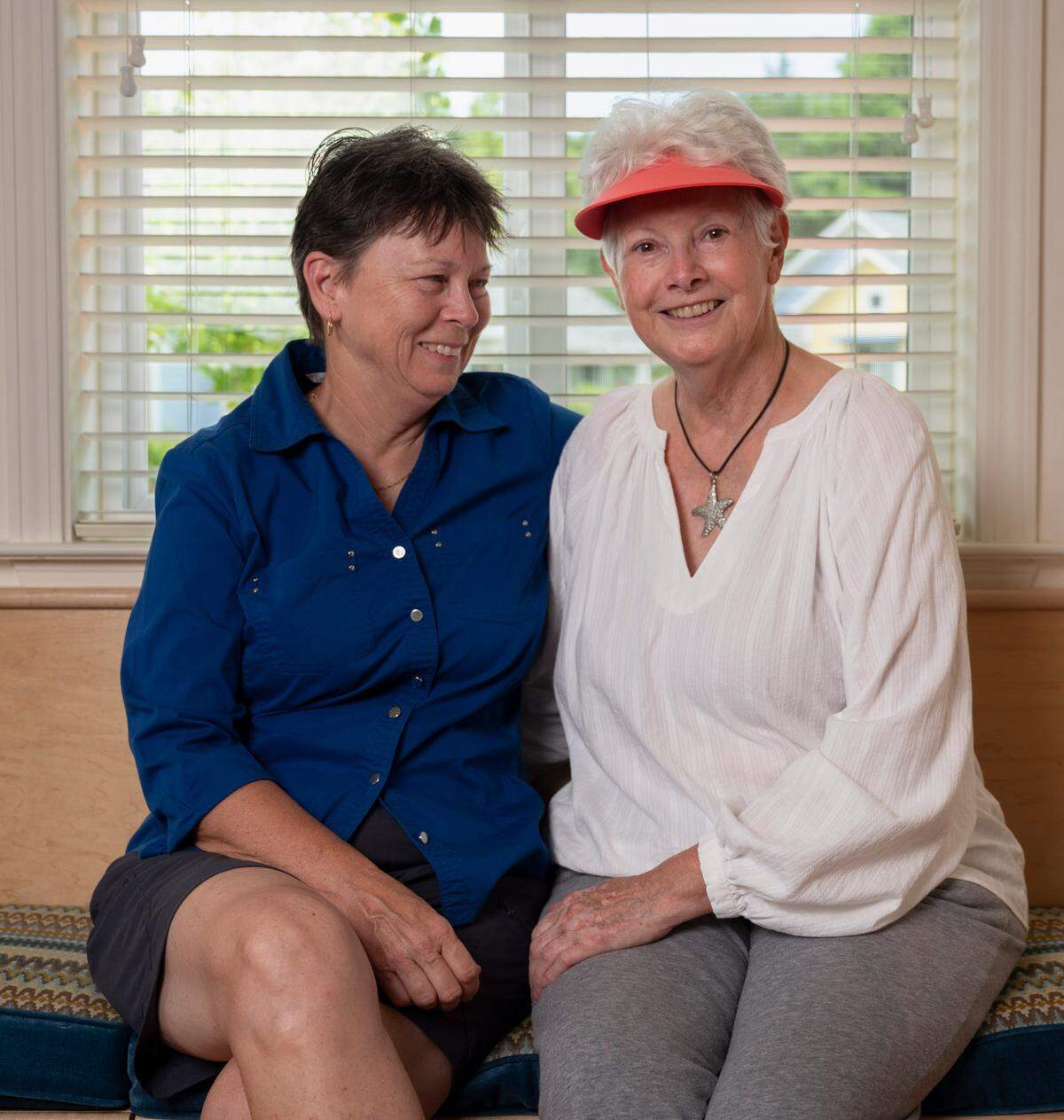
That visibility appealed to Ike and her wife, Patricia Stressler, who moved to Village Hearth from Greensboro. Ike didn’t like feeling like the “token gay couple” in her neighborhood and said she spent her life feeling the need to hide part of herself. So they searched for a place where they felt accepted.
“I just wanted to be somewhere where it didn’t matter,” she said. “I never thought that I could live like this.”
Roesch had also felt the need to conceal her true self when she lived in Florida. She was always conscious of not holding McAulay’s hand in public. She avoided using terms of endearment and saying “wife,” instead gravitating toward “partner” or other neutral terms. It was a top priority for the neighborhood she designed to outwardly and unapologetically celebrate queerness.
“We saw some of the [other cohousing communities] have a gay rainbow, or say ‘LGBT-friendly,’” Roesch said. “We don’t want to be ‘gay-friendly.’ We want to be gay and allies.”
The residents who are part of the marketing team at Village Hearth work to keep this vision alive.
While the neighborhood is predominantly made up of white women, resident Linda Hobbit noted they are always looking for ways to increase diversity. However, with limited resources, outreach to the LGBTQ community remains the focus.
Combating isolation
Cohousing is informed by the dangers of loneliness and is designed to combat isolation. On a typical day, neighbors can be seen talking outside with one another or meeting up in the common house to work on a puzzle or play games.
Kaitlin Shartle is an associate in research at Duke University’s Center for Child and Family Policy. She found that social isolation doubles from midlife at a rate of 15% for ages 40 to 64, to 30% in late life for Americans 80 or older. She also noted that marginalized populations, including people who identify as LGBTQ+, are more likely to report experiencing loneliness.
“Social connections are important for our health and well being, and it’s something that needs to be thought about and addressed,” Shartle said. “Being more socially connected promotes this kind of healthy aging.”
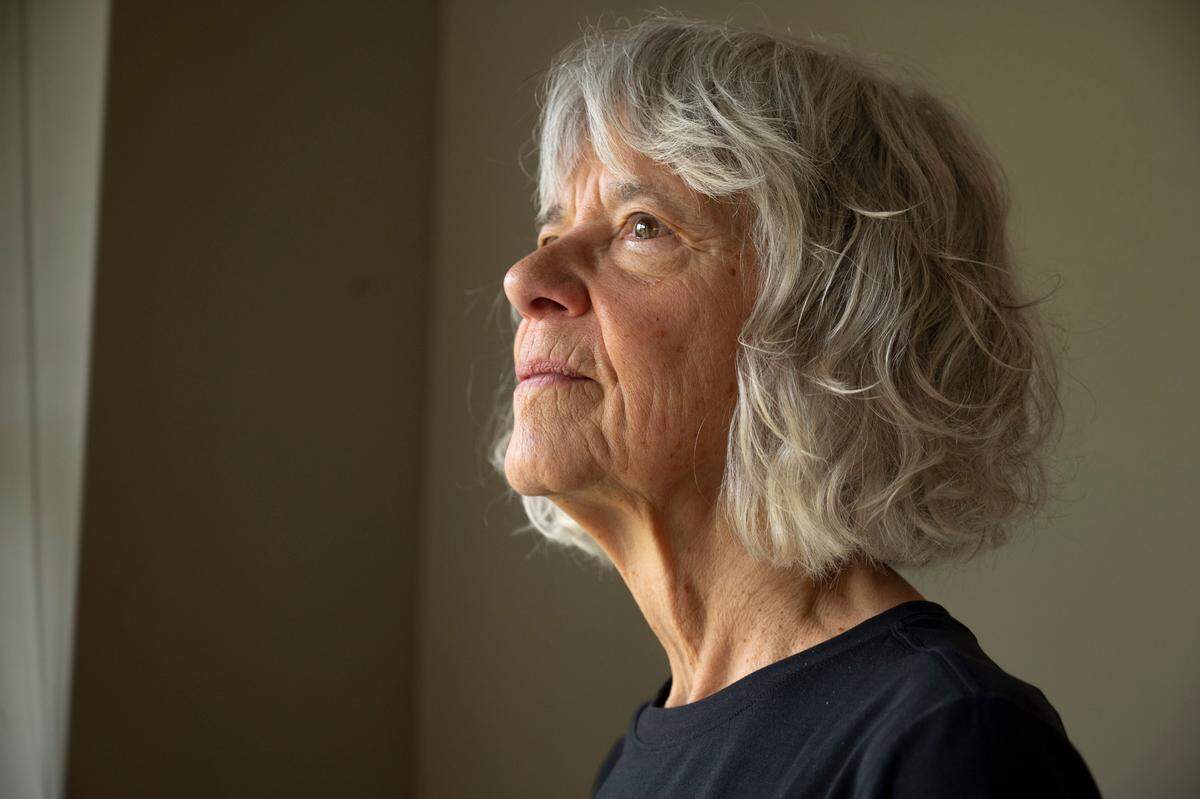
Janet Svoboda, who has lived in Village Hearth for four years, believes the neighborhood allows for people to choose how they want to socialize with others. She said the community is beneficial for extroverts and introverts alike.
“It’s a way to have the best of both worlds,” Svoboda said. “It’s a great way of living as an introvert and not, you know, getting so lost in yourself. It gives you the choice.”
Hobbit was drawn to the single-story homes in the neighborhood. Having accessible spaces help residents stay independent for longer, she said.
But if members of the community ever need a helping hand, their neighbors are ready to step up. An app called “Helping Hands” allows residents to ask for and provide help, such as during recovery from a medical procedure.
Residents easily share other examples of community living. When there was a flood in one of the homes, neighbors rushed to help without a second thought. And when a new resident was set to move in, but her furniture had yet to arrive, Village Hearth residents had already gathered extra chairs and filled her fridge to ensure she felt welcome.
Hobbit said forming deeper connections in a new place typically can take up to five years. However, at Village Hearth she felt a sense of community instantly. Before residents move in, they speak with existing residents about the commitment to being part of the community. To uphold their mission, it’s about more than being willing to help. It’s about accepting help too.
Roesch welcomes the commitment it takes to have a community where support is constant. She acknowledges self-governance can be a lot of work but finds joy in the process.
“The whole purpose of this place is that you’ve got a connection,” she said. “And that makes such a difference.”
Heather Diehl was a visuals intern with The News & Observer in Summer 2024. She is a senior at UNC-Chapel Hill, where she is the photo editor at The Daily Tar Heel.