Local

Duke Lemur Center introduces a new baby. See photos, plus visit other NC lemurs in person
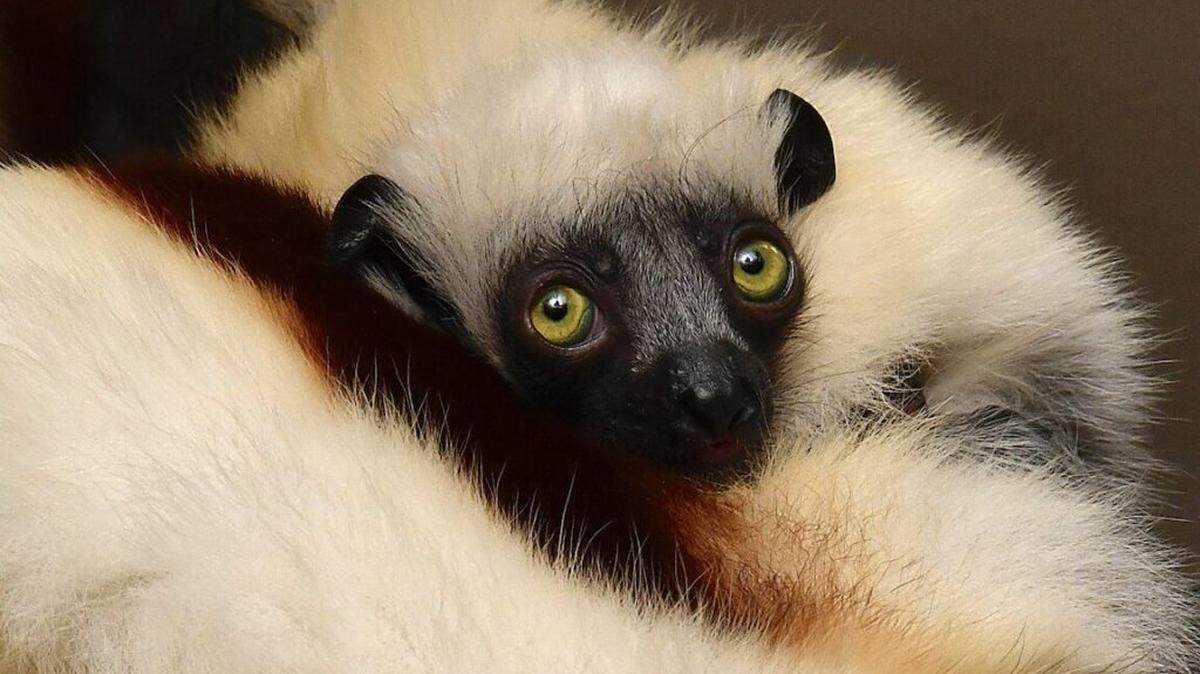
Majorian, a male baby, was born Dec. 19, 2024, at the Duke Lemur Center in Durham. He is the third baby born to mother Lupicina and father Gabe, both part of the center’s conservation breeding program.
Majorian, a male baby, was born Dec. 19, 2024, at the Duke Lemur Center in Durham. He is the third baby born to mother Lupicina and father Gabe, both part of the center’s conservation breeding program. Duke Lemur Center

The Duke Lemur Center has announced an addition to the family, a male born Dec. 19, 2024, to a breeding pair at the center.

Baby Majorian is the third offspring of mother Lupicina and father Gabe.

Majorian is a Coquerel’s sifaka, a medium-sized lemur native to Madagascar. The Duke Lemur Center has a conservation breeding program aimed at preserving the critically endangered species.

Majorian is named for a Roman emperor, the Lemur Center said in its birth announcement: a Western Roman emperor who has been described by historians as “a great and heroic character.”

He joins the family of five with older siblings Felix and Camilla.

The Lemur Center said it is welcoming baby shower gifts from its Amazon wishlist, which includes nut butters, beans and baby food for both mother and infant.

The Lemur Center is primarily a research facility, so guests must make reservations to visit. Virtual tours are also available.
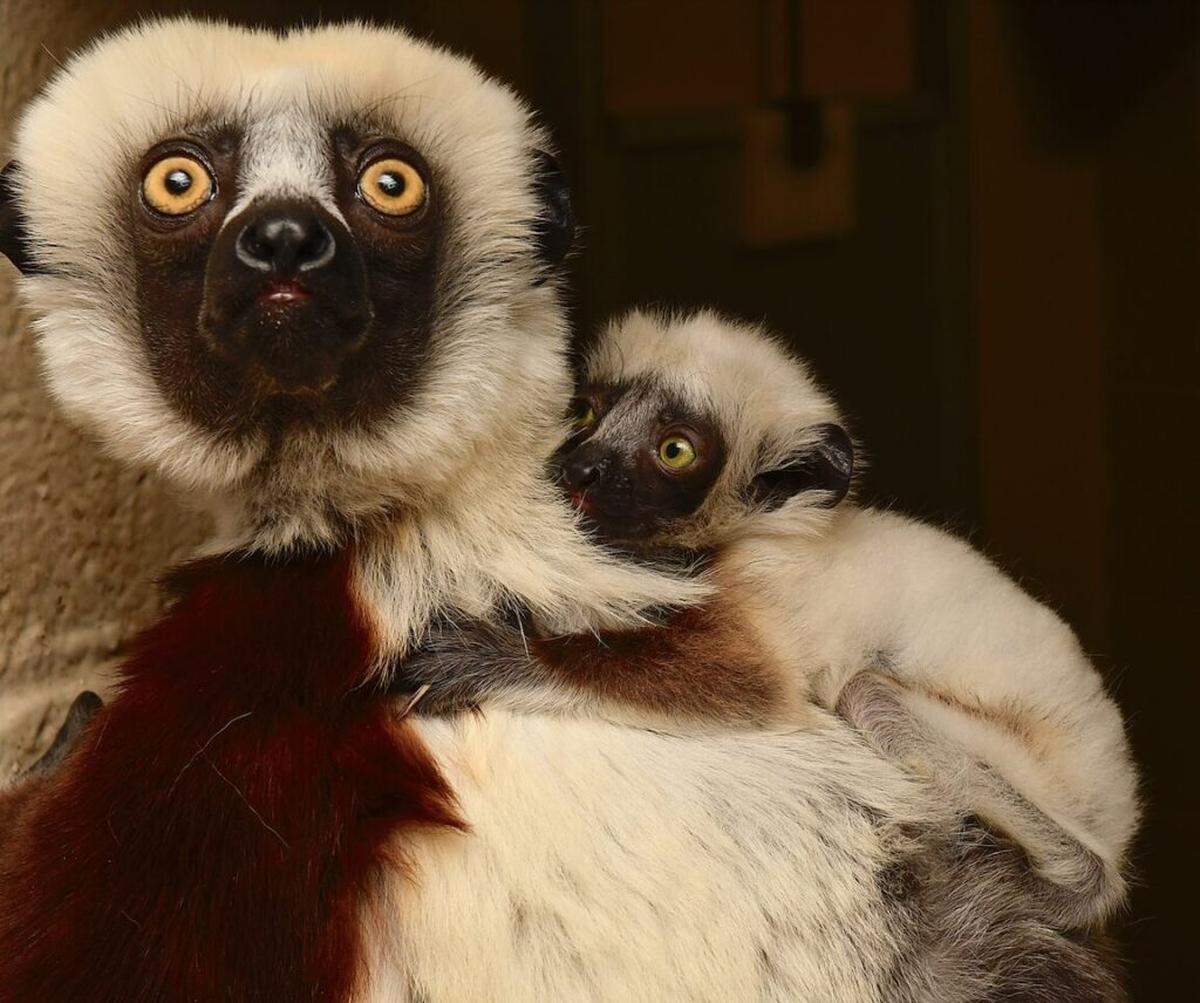
Majorian, right, clings to his mother, Lupicina, at the Duke Lemur Center. The baby was born Dec. 19, 2024, and is part of the center’s effort to preserve the critically endangered species Coquerel’s sifaka, native to Madagascar.
Majorian, right, clings to his mother, Lupicina, at the Duke Lemur Center. The baby was born Dec. 19, 2024, and is part of the center’s effort to preserve the critically endangered species Coquerel’s sifaka, native to Madagascar. David Haring Duke Lemur Center

North Carolina’s other lemurs

The N.C. Zoo, outside Asheboro, also has lemurs. The park is home to the red-ruffed (Varecia rubra) species, which are the largest of the lemurs.

They too are critically endangered. They can be seen in the Lemur Island habitat in the Africa section of the zoo, which is open daily except for Thanksgiving and Christmas unless there is severe weather.
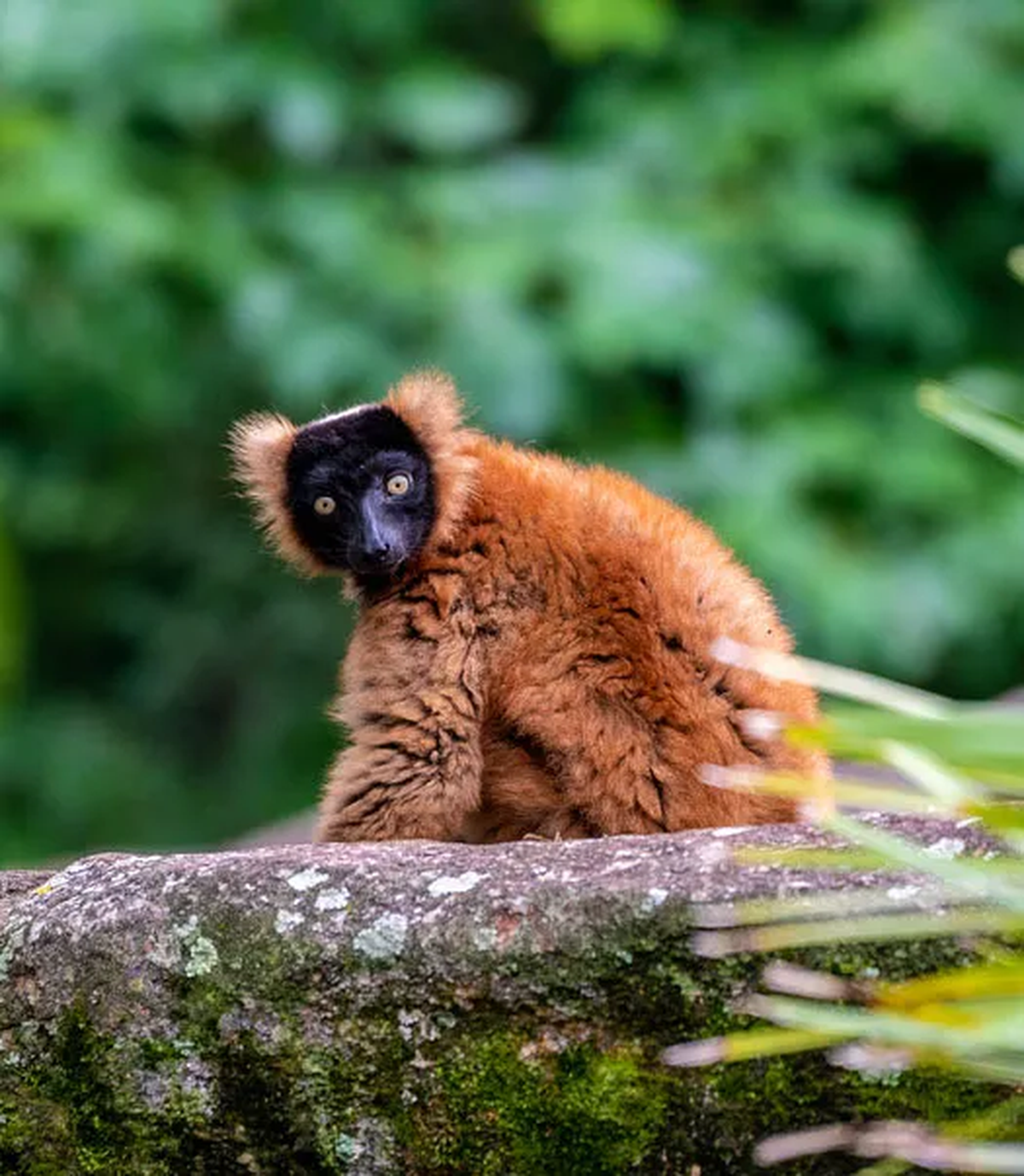

The N.C. Zoo in Asheboro has red-ruffed lemurs on Lemur Island within the Africa section of the park. These are the largest lemurs and are also critically endangered.
The N.C. Zoo in Asheboro has red-ruffed lemurs on Lemur Island within the Africa section of the park. These are the largest lemurs and are also critically endangered. N.C. Zoological Park
Martha Quillin
The News & Observer
Martha Quillin writes about climate change and the environment. She has covered North Carolina news, culture, religion and the military since joining The News & Observer in 1987.
Get unlimited digital access
#ReadLocal

Try 1 month for $1

CLAIM OFFER